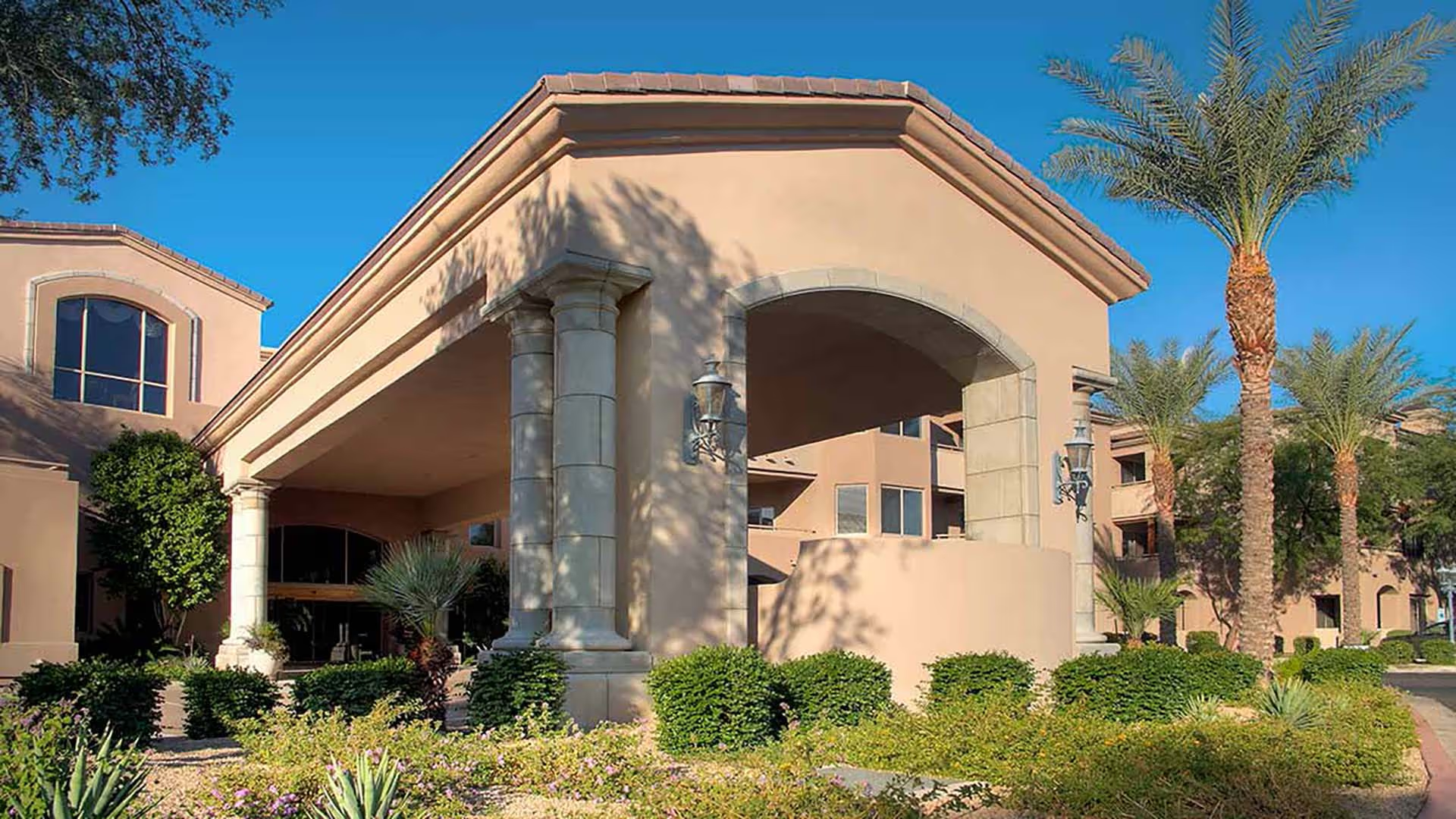
Life Care Center of Scottsdale elicits strongly polarized impressions. Many accounts describe a clean, attractive facility with resort-like common spaces, private rooms, a well-equipped rehab gym, and a welcoming dining environment. The center has clear strengths in short-term rehabilitation: physical and occupational therapy teams are frequently characterized as skilled, motivating, and instrumental to fast recoveries. Families also highlight specific staff and administrators who provide proactive case management, effective hospice transitions, and personalized attention.
Clinical care observations are mixed. Positive experiences emphasize compassionate nursing and CNA care, attentive wound and medical management in some cases, and prompt emergency response when problems are recognized. Conversely, a consistent theme across reviews is variability in day-to-day clinical operations: delayed or missed medication doses, timing and substitution concerns, and at-times unsecured medication handling were cited. These medication-management issues coexist with reports of inconsistent clinical oversight, occasional missed specialty visits, and examples of inadequate follow-up for acute problems.
Operationally, staffing and responsiveness are recurring concerns. Multiple accounts describe slow call-light response times, long waits for assistance, and uneven coverage during nights and weekends. Reviewers describe a workforce with some exceptional individuals alongside broader staffing shortages that appear to drive delays in basic care activities (assistance with toileting, repositioning, bathing) and contribute to variability in caregiver conduct and training. There are also several reports of inconsistent case-management communication, discharge miscoordination, and lapses in transport or discharge paperwork, which families experienced as operational failures during transitions home.
Dining, activities, and amenities present a mixed picture. Many reviews praise the dining room ambience, friendly cafeteria staff, and varied menu options—some compare the dining to restaurant-style service. Other reviewers note limited menu choices at times, inconsistent meal temperature or quality, and minimal snack frequency. Activities programming and an active activities coordinator are noted positively in many accounts, while participation and variety may be limited for some residents.
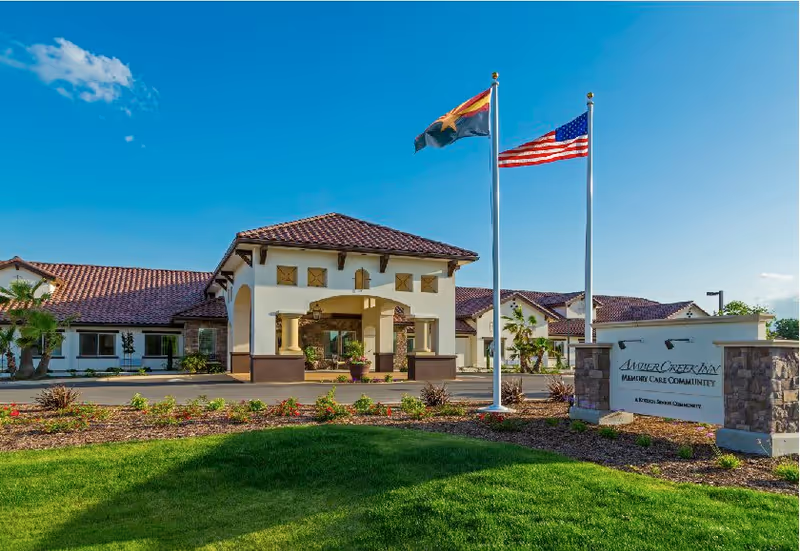
Facilities and environment are generally seen as strengths: landscaped grounds, private rooms, and an overall clean presentation are frequently cited. That said, some reviewers raised sanitation and odor concerns in particular areas, occasional housekeeping inconsistencies, and aging room infrastructure (bed comfort, HVAC issues) that affect resident comfort.
Management and systemic patterns: reviewers describe pockets of strong leadership and individual staff members who go above and beyond, but also recurring themes of operational strain that reviewers associate with cost pressures and high census. A subset of reviews included serious allegations, formal complaints, or legal action related to care and conduct; these accounts emphasize the importance of close oversight, family advocacy, and verification of care plans for high-acuity patients. Prospective residents and families will likely see excellent care when the skilled therapy and engaged staff are present, but should also be prepared to monitor medication timing, discharge coordination, nighttime coverage, and responsiveness to basic assistance needs. Touring the unit, asking about staffing ratios by shift, clarifying discharge and medication plans, and identifying primary points of contact can help set expectations and reduce the risk of care variability.