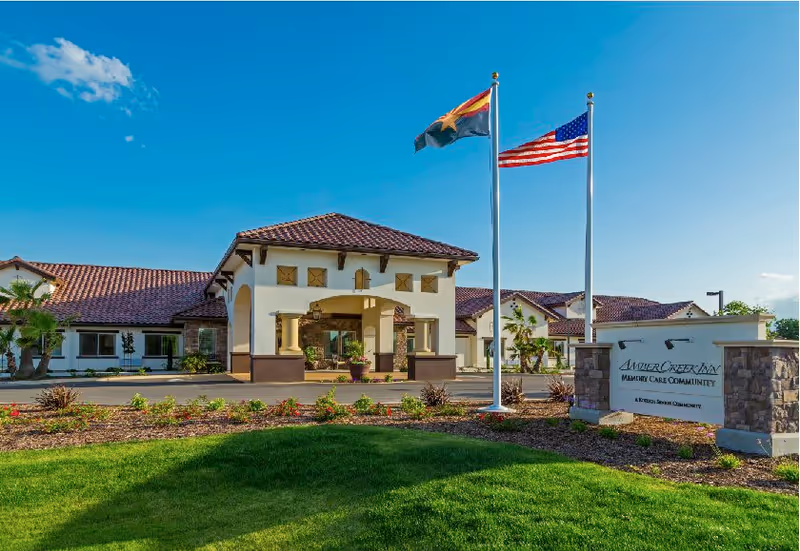
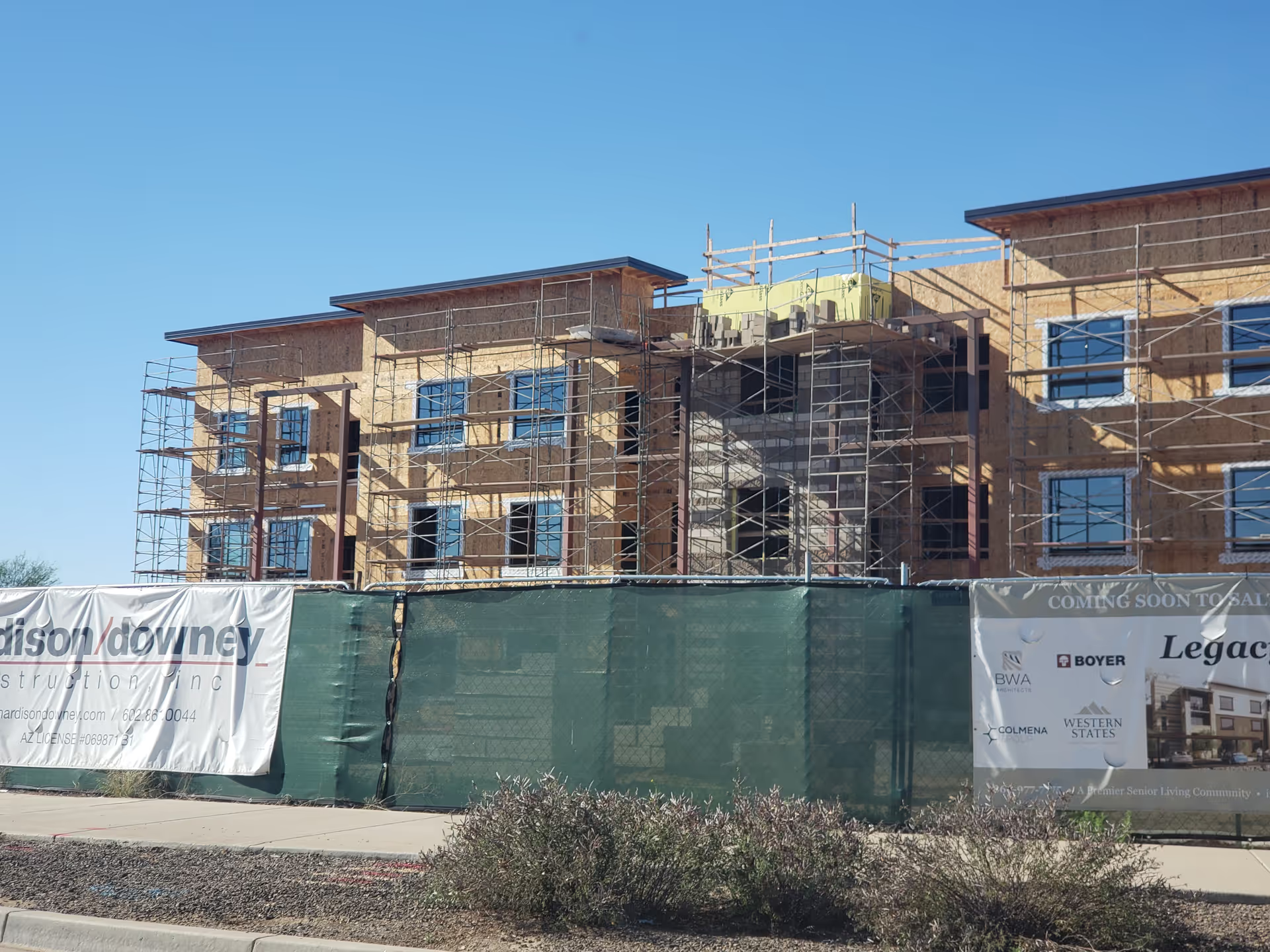
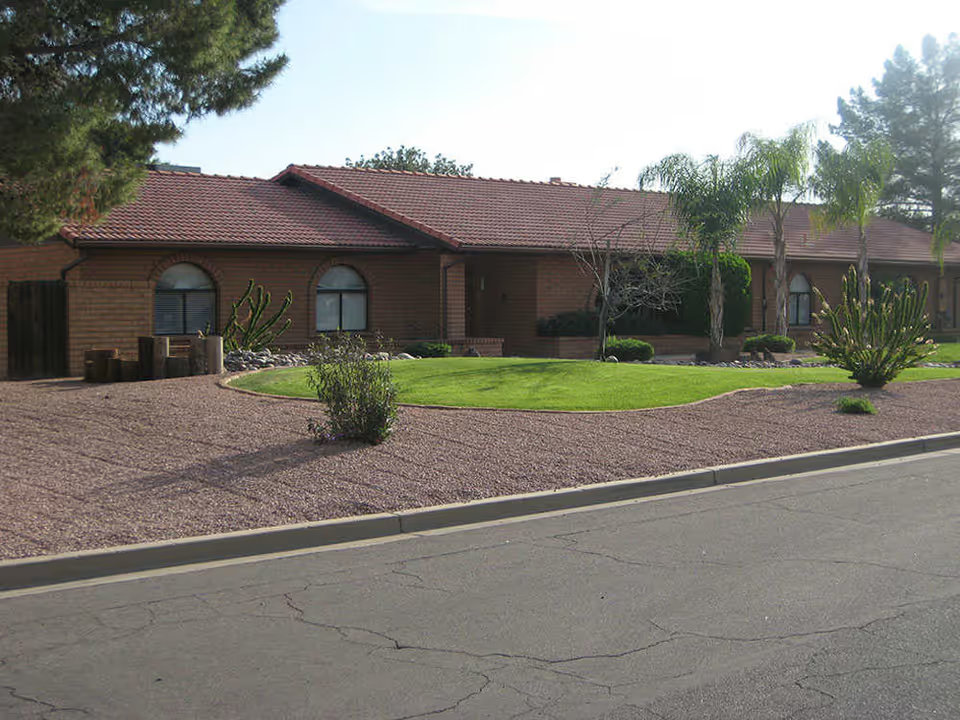
Overall impression: Mosaic Gardens at Scottsdale is described as a clean, modern, and well-appointed memory-care community with a strong daytime staff presence and a broad menu of social programming. Many families highlight compassionate, resident-centered care, personalized care plans, and staff familiarity with residents by name. The community offers memory-care expertise, a variety of therapeutic activities (music therapy, animal visits, outings), on-site salon services, and perceived peace of mind for families. Private, spacious rooms and recent renovations contribute to a positive physical environment.
Care and clinical concerns: Reviewers describe a mix of positive hands-on caregiving and operational clinical gaps. Daytime nursing and caregiving are frequently praised for attentiveness and individualized attention; however, there are recurring concerns about medication-administration controls and inconsistent adherence to physician orders. These clinical issues manifest operationally as missed or delayed medication doses and breakdowns in nurse–physician communication. There are also patterns suggesting inconsistent follow-through on clinical directives and occasional safety-event consequences, which point to opportunities to strengthen medication documentation, cross-shift handoffs, and clinical escalation protocols.
Staffing and workforce patterns: Staffing quality appears strong during daytime hours but more variable during evenings and nights. Multiple comments indicate turnover, staffing shortages, and fatigue tied to compensation and workload; these workforce pressures are linked to uneven responsiveness, especially on the back shift. Several reviewers praised specific staff members and leadership figures who provide compassionate, resident-focused care, while others described management communication and leadership consistency issues after an ownership transition.
Activities and engagement: The community offers a robust daytime activities program with an engaged activities director, structured programming, and specialty therapies that many families find valuable. That said, some residents—particularly those with higher dependency or behavioral needs—experience limited engagement or excessive passive time. Reviewers also noted a lack of dedicated space for exercise, physical therapy, or non-structured activities, which can limit offerings for residents who require different formats or higher levels of physical engagement.
Dining and amenities: Meals are generally reported as enjoyable and well organized. On-site amenities such as salon services, dental/doctor access, and neighborhood grouping for peer levels are viewed positively. The facility’s recent remodeling and modern furnishings are frequently cited as strengths that support a home-like atmosphere.
Management, billing, and value: Families describe mixed experiences with management and billing. Positive comments reference monthly family updates and supportive leadership; negative comments describe unclear quoted rates, billing errors, direct-debit issues, and perceived value concerns when activities or amenities incur extra charges. Several comments link these administrative problems to leadership changes after a buyout, suggesting uneven process alignment during transition periods.
Notable patterns and guidance for families: Strengths center on memory-care programming, engaged daytime staff, and a clean, updated environment. Primary operational weaknesses to evaluate during a tour or decision process are evening/night staffing consistency, medication-administration controls, clinical-follow-through on physician orders, behavioral-management capacity, and the facility’s current billing practices. Prospective families should ask for documentation of medication-safety protocols, staffing ratios by shift, examples of fall- and behavior-management plans, a clear written fee schedule, and how the community supports residents with higher-dependency needs outside structured activities.