Brookdale Trail Ridge presents as a memory-care–focused community with many families emphasizing dementia-specific design and neighborhood-level staffing. Strengths noted include consistent caregiving teams assigned by neighborhood, staff training in dementia communication, and frequent family communication. Several families described compassionate, family-style interactions, personalized touches (photos, celebrations), and integrated hospice coordination when needed. The activity program is broad and active — bingo, crafts, musical guests, card games, exercise classes, and hallway points of interest — and there is an on-site meal program offering three meals daily. Most units are private with private baths, the interior and grounds are often described as clean and well maintained, and the location is convenient for nearby families. Admissions and transition support from home into full care was described as effective in a number of accounts.
At the same time, the reviews reveal notable variability in operational performance. Night-shift coverage and nighttime responsiveness are recurrent concerns, and families described occasions where staff accountability and timely attention were lacking. Management- and corporate-level communication responsiveness was also singled out as inconsistent, with delays or limited follow-up on family inquiries in some instances. Operational weaknesses inferred from multiple accounts include occasional sanitation and odor concerns in parts of the building, fluctuations in staffing levels (including understaffing), and variability in medication oversight and personal-care timeliness. A subset of comments raised serious individual concerns about clinical outcomes and end-of-life situations; those appear to be isolated but are important for prospective families to discuss directly with the team.
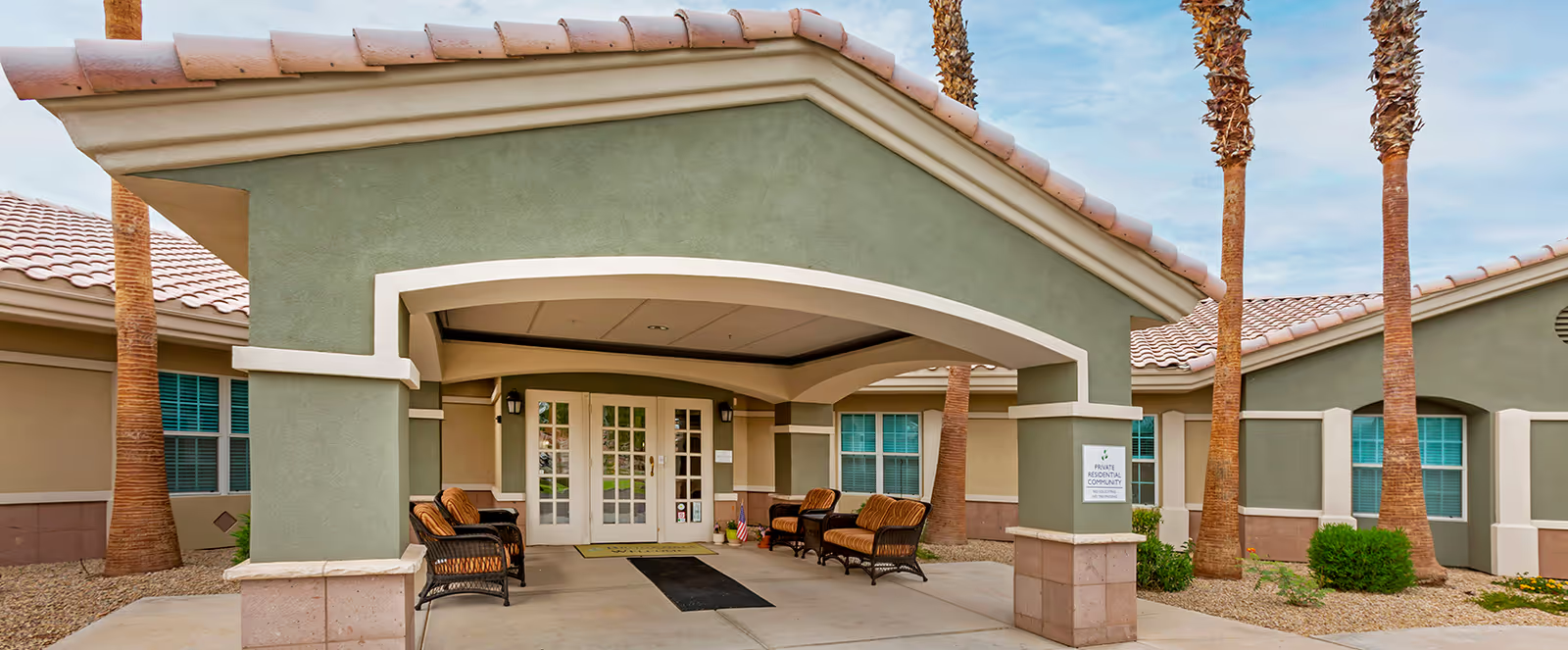
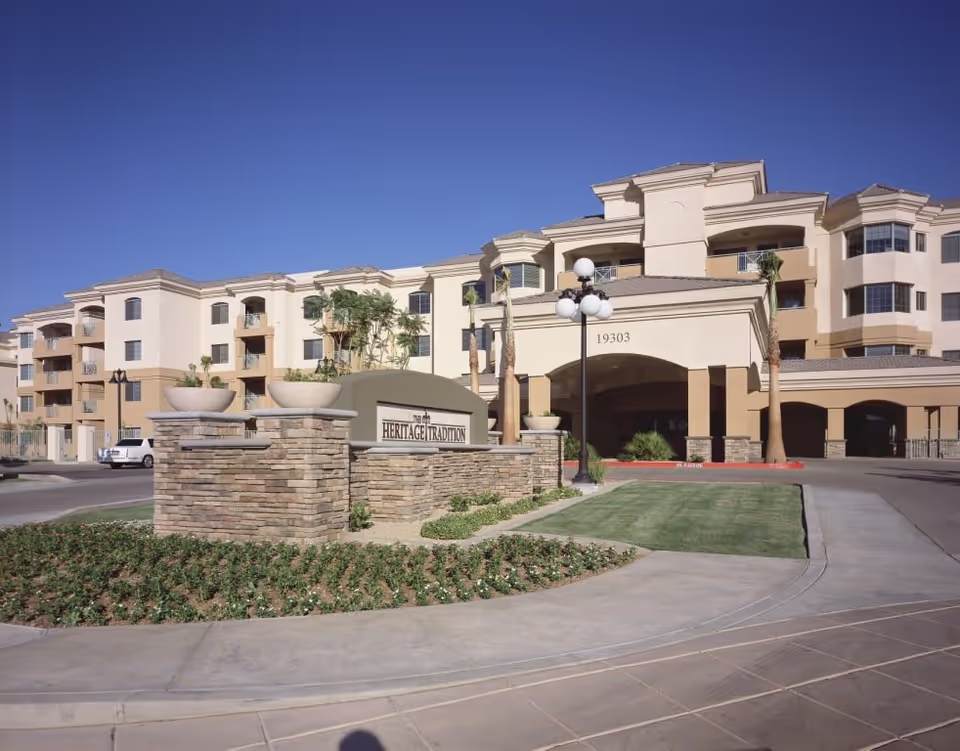
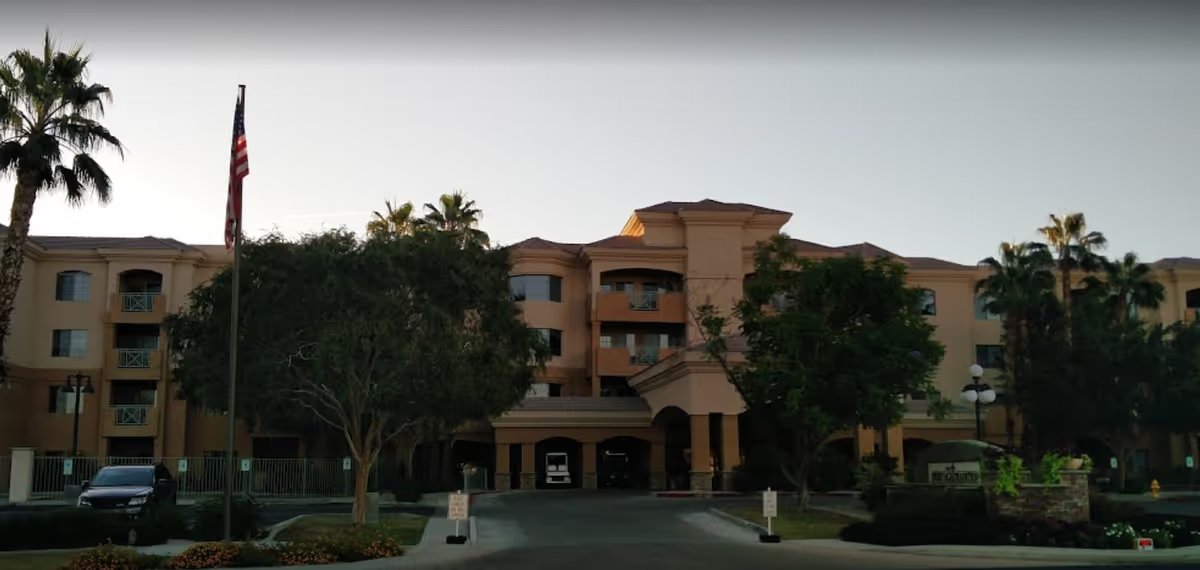
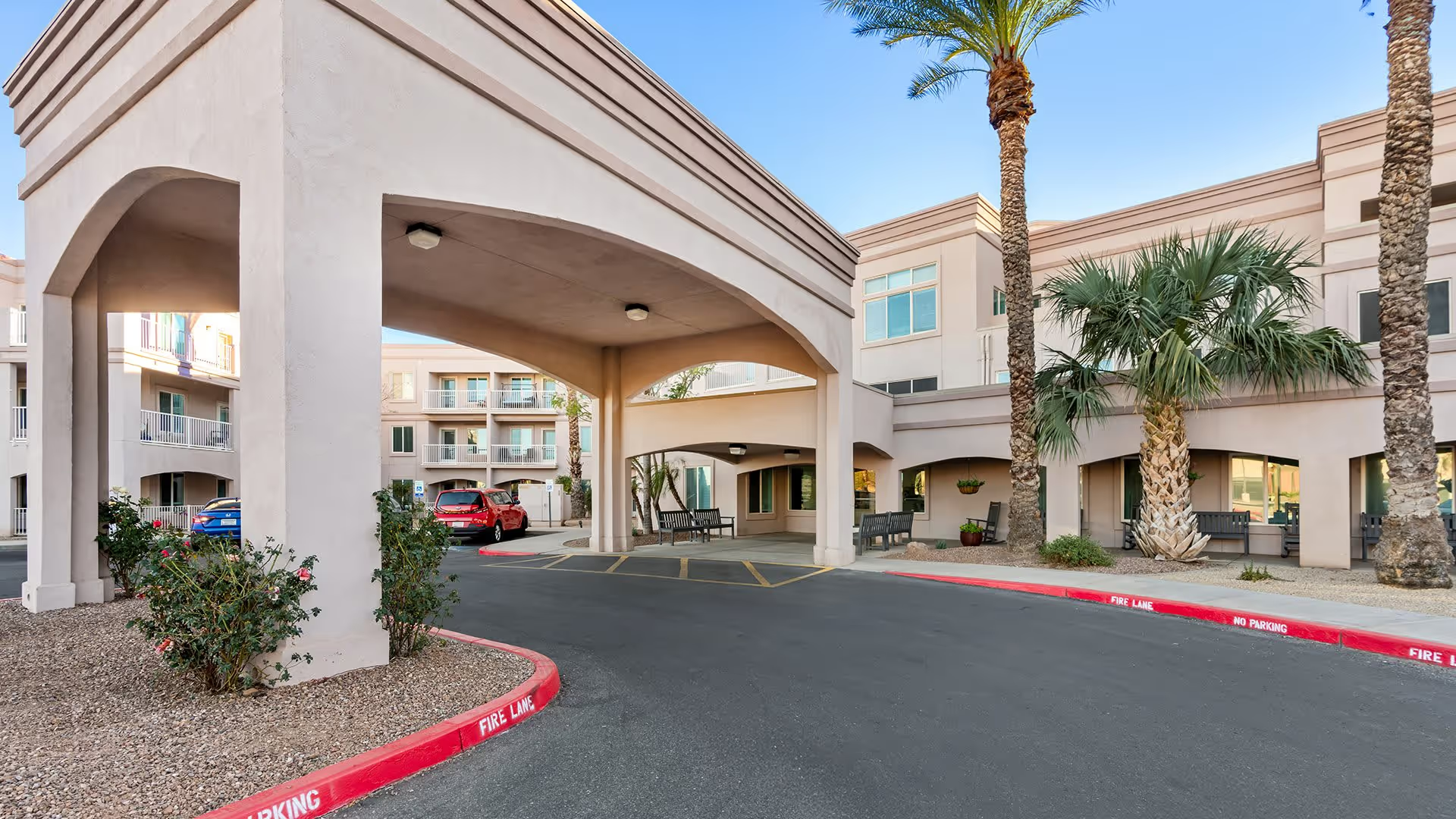
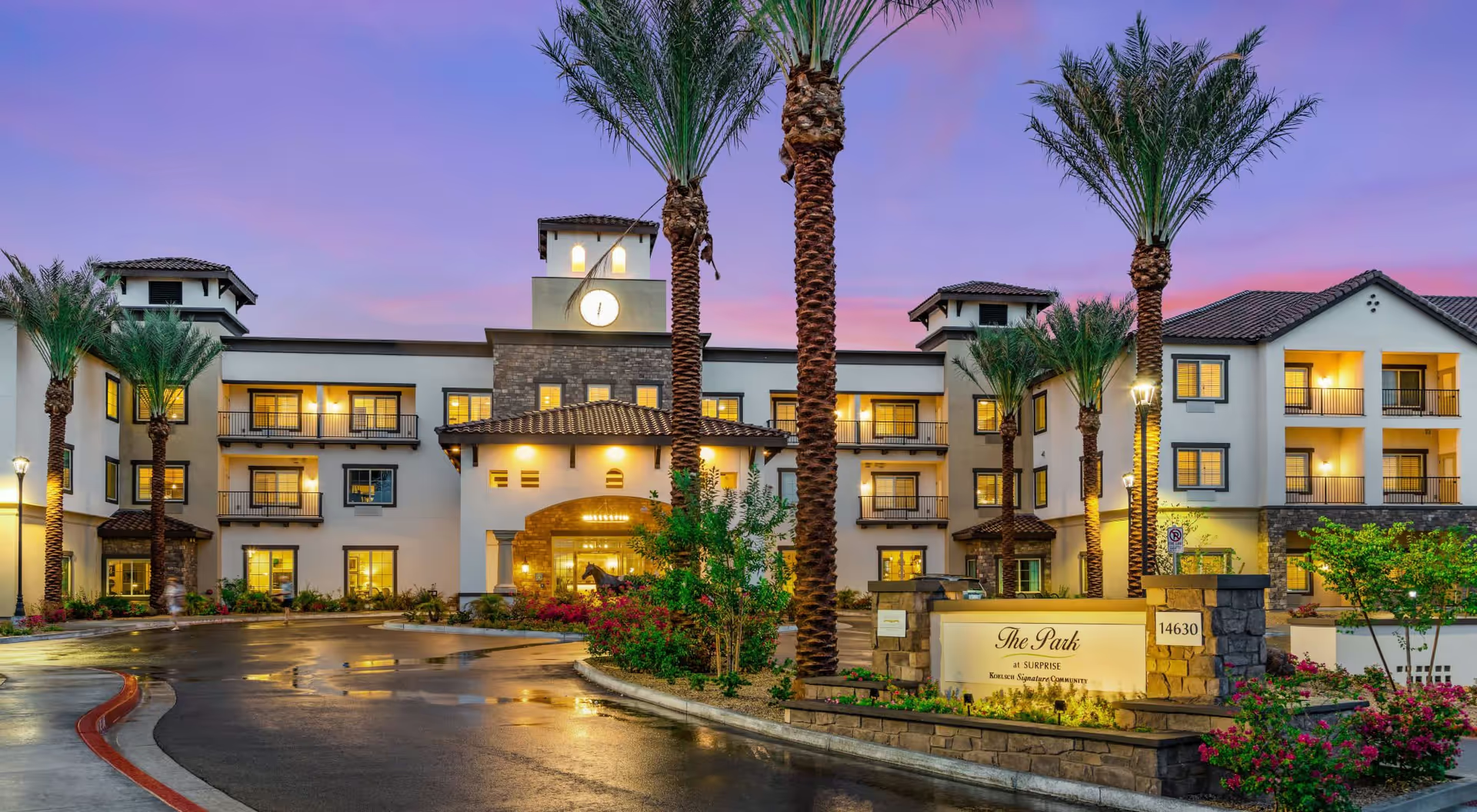
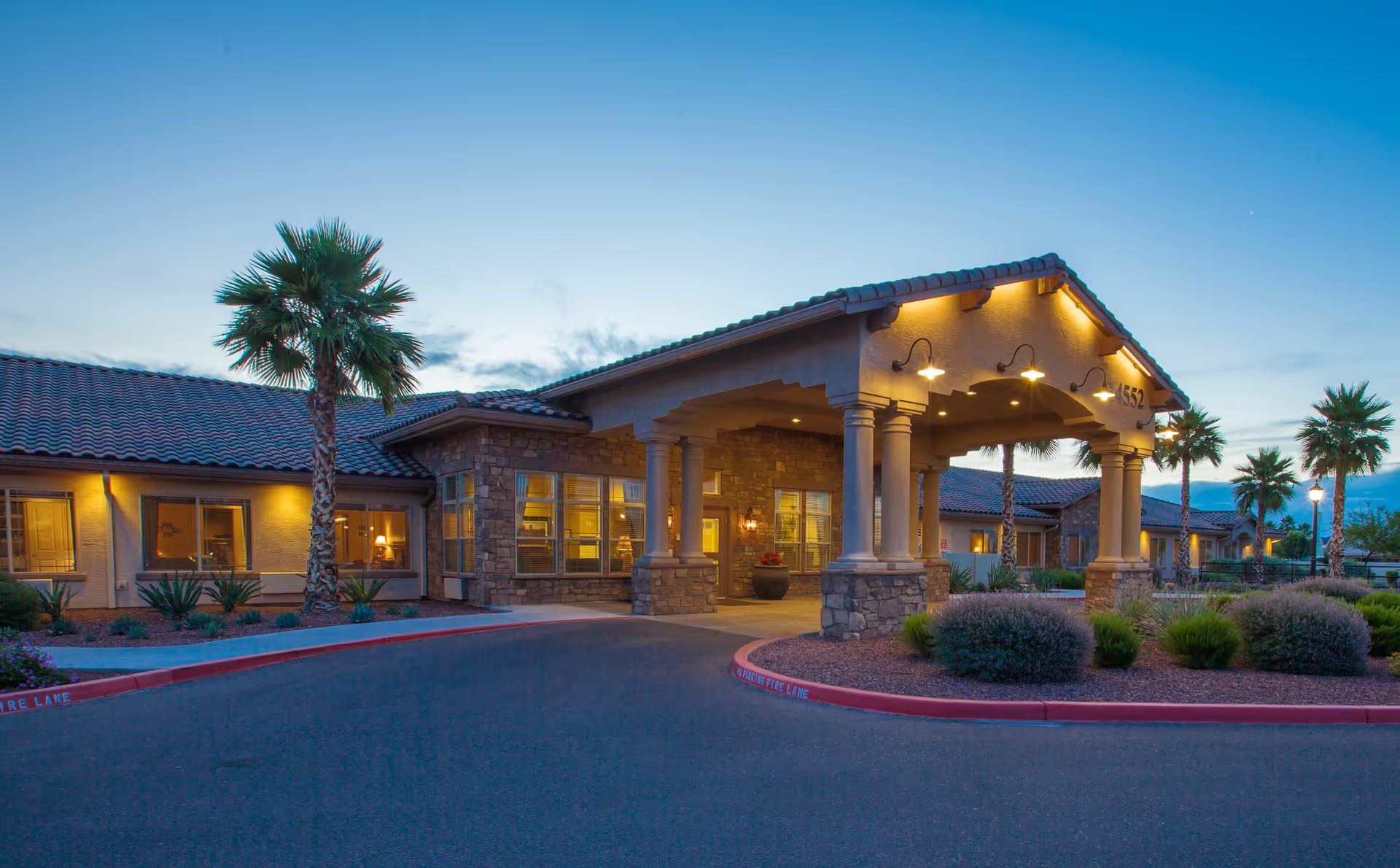
Facility condition and layout present mixed impressions. Many reviewers praised tidy grounds, pleasant outdoor space, and a generally first-class appearance, while others noted older or dated areas and design elements that reduce usable space (for example, shared rooms partitioned by inefficient walls). Occupancy constraints and waitlists were also mentioned, indicating limited immediate availability at times. The dining experience is generally serviceable with on-site meal preparation, though food quality impressions vary among families.
Overall, Brookdale Trail Ridge appears to offer strong dementia-focused programming, compassionate caregiving in many cases, and a robust activities calendar that supports social engagement. The important patterns for prospective residents and families are the variability in staffing consistency (particularly overnight), management responsiveness, and occasional sanitation or facility-aging issues. When touring, families should observe nighttime staffing plans, ask about staffing ratios and float/backup coverage, review medication-management and incident-reporting processes, request specifics about housekeeping and odor-control protocols, and seek examples of how the community handles resident-to-resident behavioral incidents and end-of-life coordination. Those inquiries will help determine whether the facility’s strengths align with an individual resident’s needs and risk profile.