Overall impression: The reviews depict a small, residential assisted living home that consistently emphasizes individualized, compassionate care in a clean, well-maintained environment. Families describe smooth transitions and express gratitude for the level of attention their loved ones receive; praise repeatedly centers on staff responsiveness, clear communication, and collaborative hospice involvement.
Care quality and clinical coordination: Reviewers highlight organized medication and paperwork systems and frequent updates to families, suggesting reliable routine care and transparent communication. The facility's active coordination with hospice services is a recurring strength; this indicates capacity to support end-of-life needs through external clinical partners. Given the emphasis on one‑on‑one attention and hands-on management, care appears oriented to residents with assisted‑living level needs rather than high-acuity skilled nursing requirements.
Staff and management: Staff are described as compassionate, professional, and prompt, with specific recognition for the owner/manager's hands-on role. That managerial involvement appears to support smooth admissions and consistent family communication. Several comments name staff positively and thank them for attentive interactions, which points to low turnover or strong relationships between staff, residents, and families.
Dining and activities: Meal service is characterized as attentive and resident-centered. Activity references are framed around engaging interactions and active residents within a small group setting; reviewers emphasize personalized engagement rather than large-group programming. The small census supports individualized attention but also limits the variety and scale of communal activities.
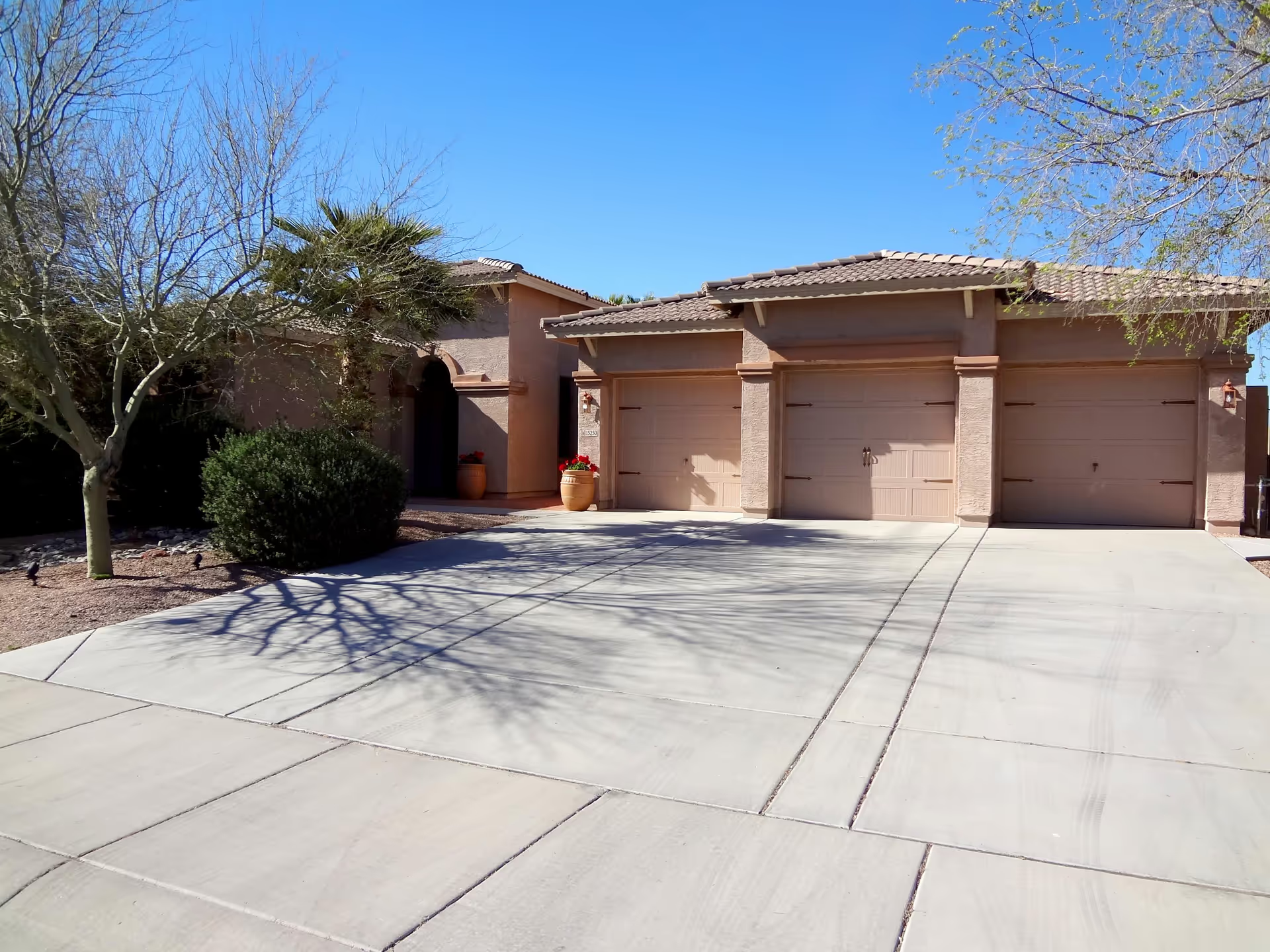
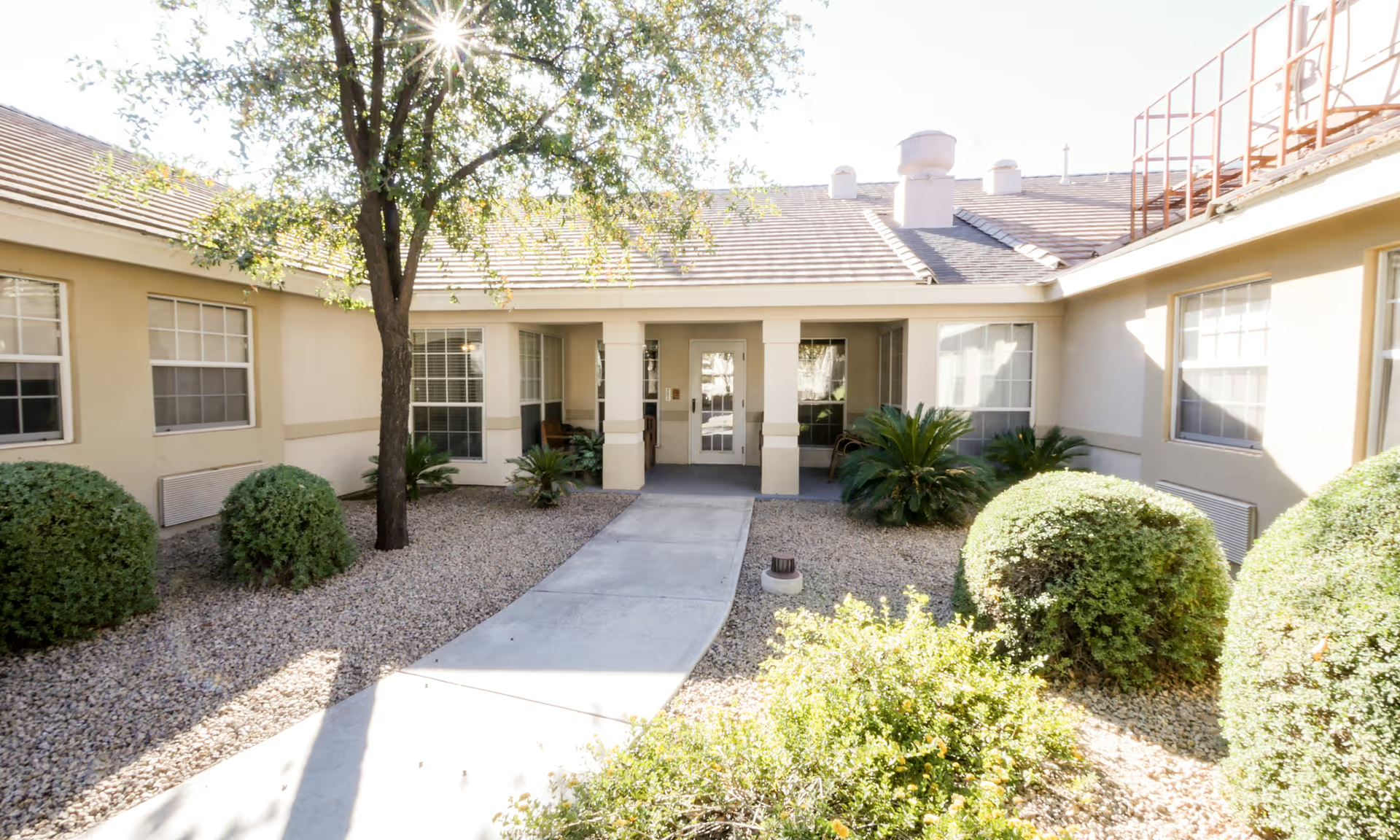
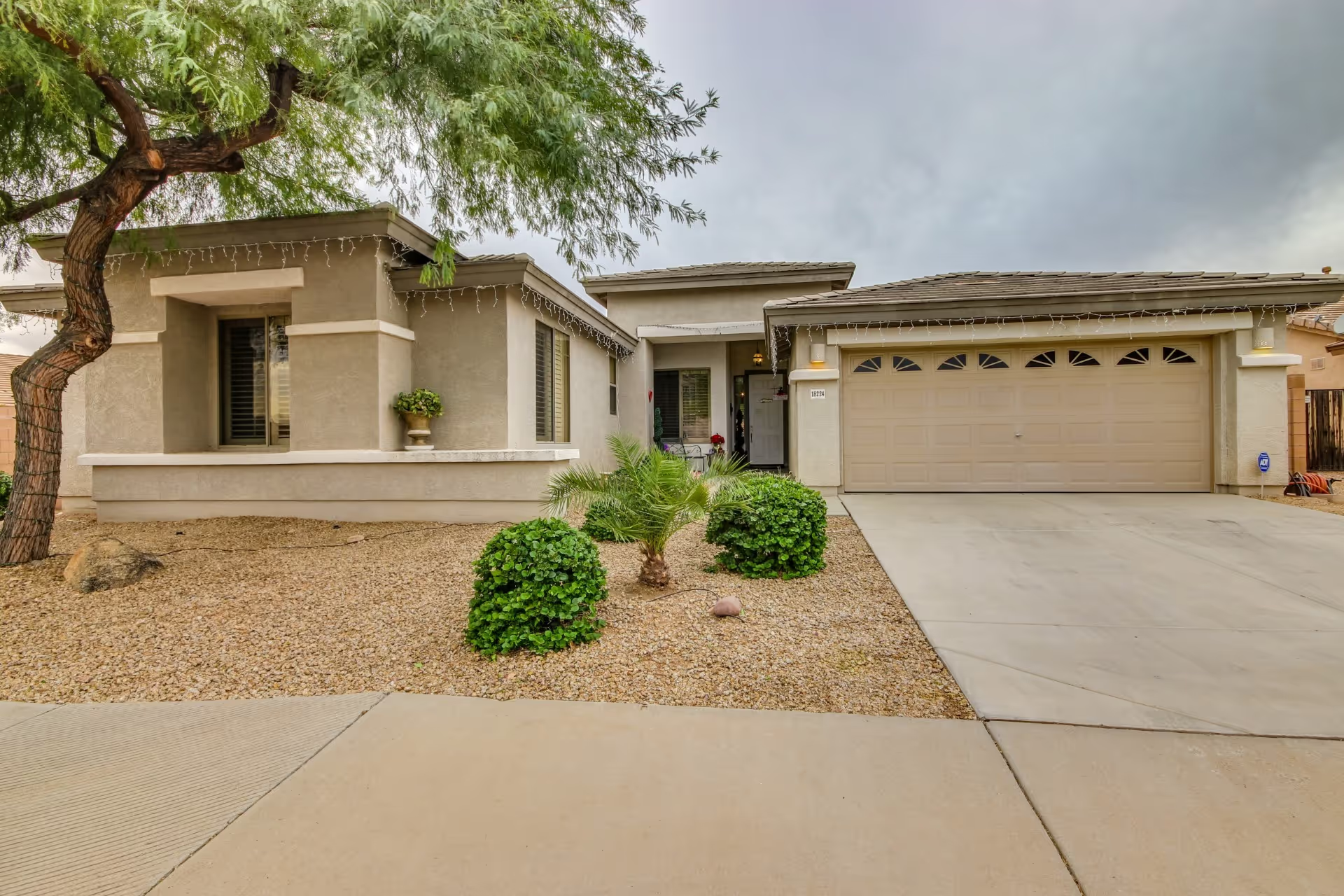
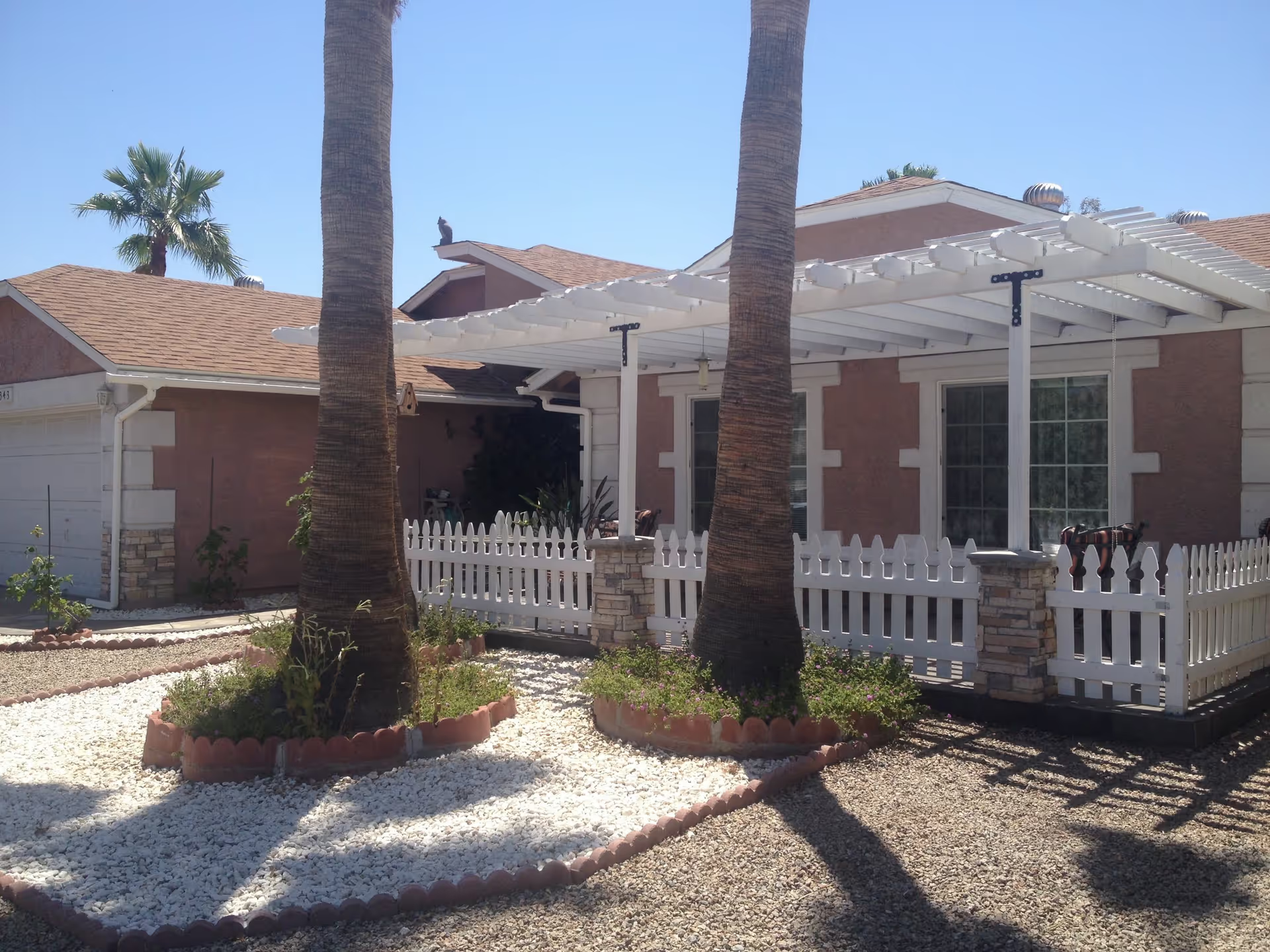
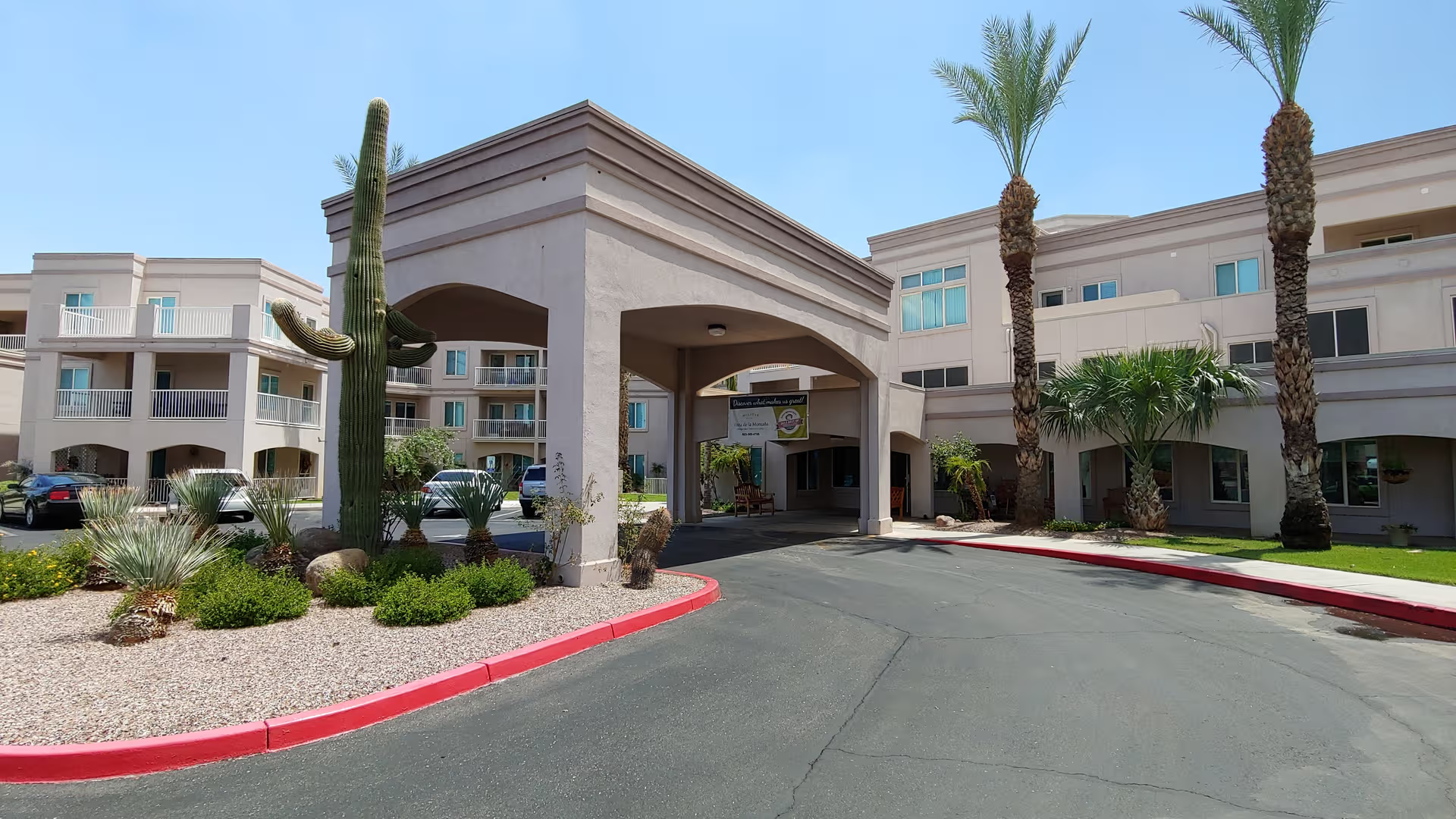
Facilities and atmosphere: The home-like scale and cleanliness are repeatedly noted. Reviewers describe an inviting, warm environment with happy residents, which aligns with the facility's emphasis on individualized care and a residential ambience rather than institutional services.
Notable patterns and considerations: The dominant pattern in the reviews is consistently positive — individualized attention, strong communication, and effective hospice collaboration. Potential trade-offs inherent to this model include limited resident capacity and dependence on key staff or the owner for day-to-day continuity. Families seeking more extensive on-site clinical services or broader activity programming should verify the availability of skilled nursing, therapy services, and contingency staffing plans. Prospective residents and families may want to ask about staffing ratios, backup personnel, the scope of medical oversight, and how the home handles higher-acuity needs or temporary increases in care demand.