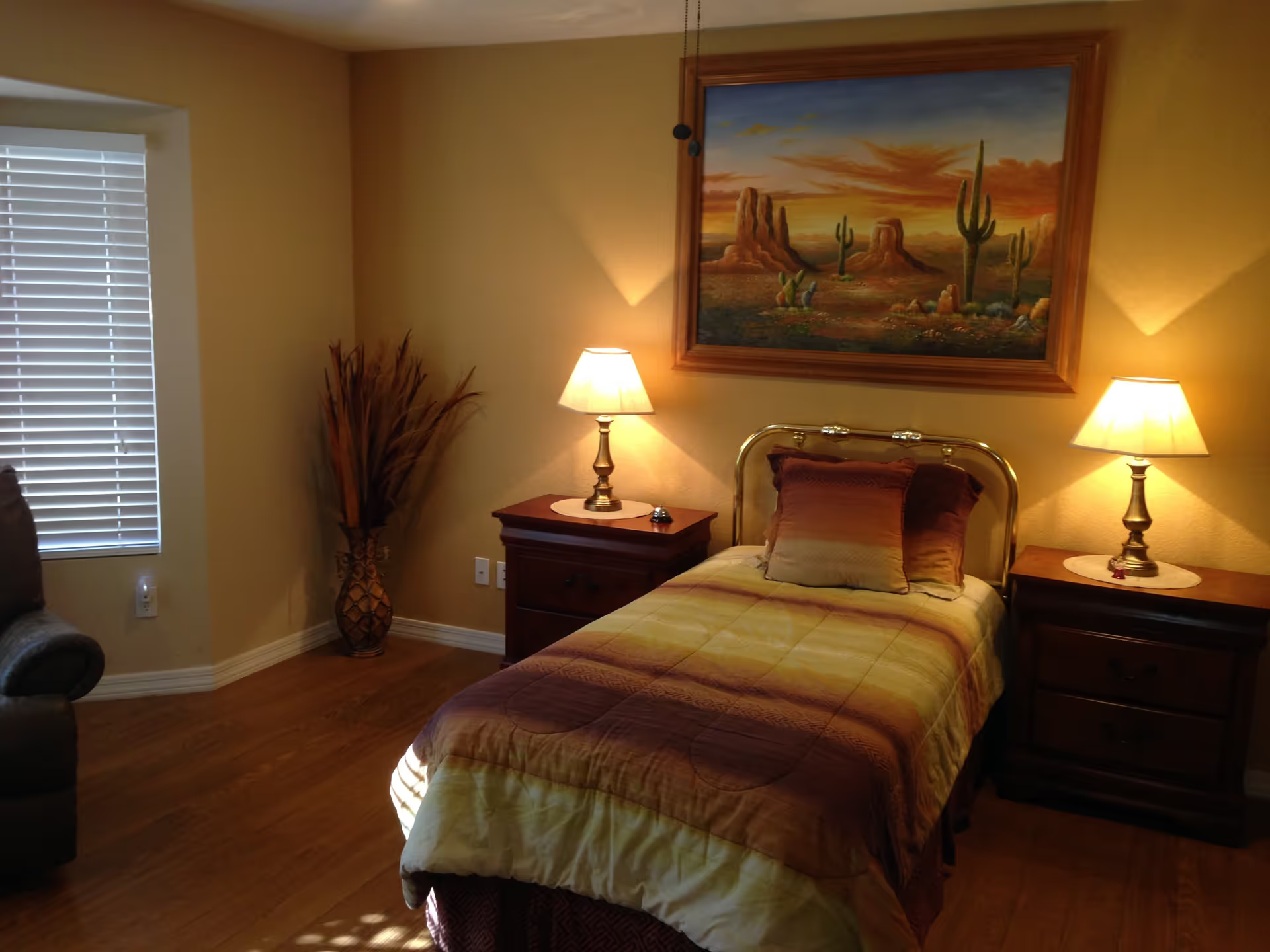
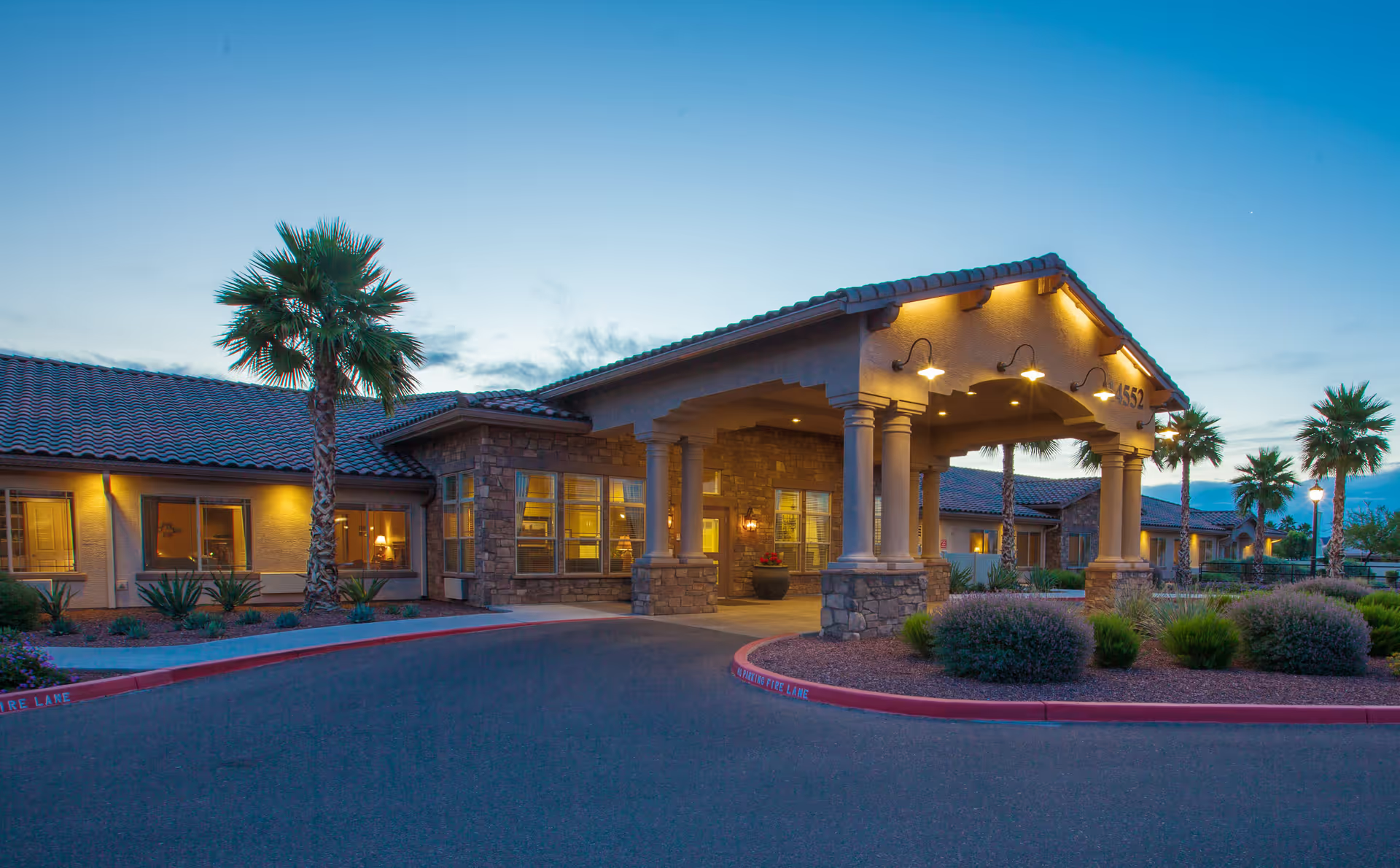
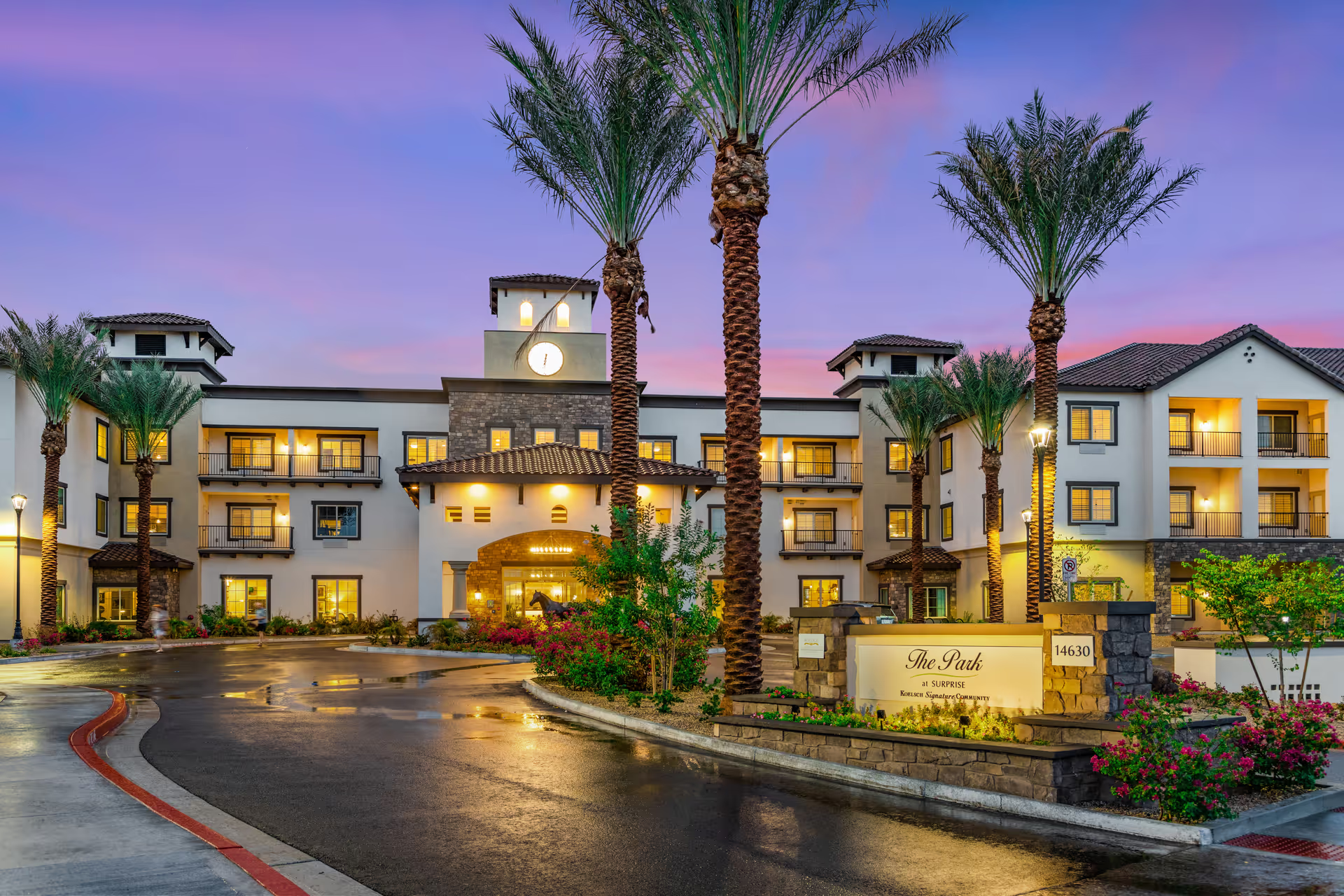
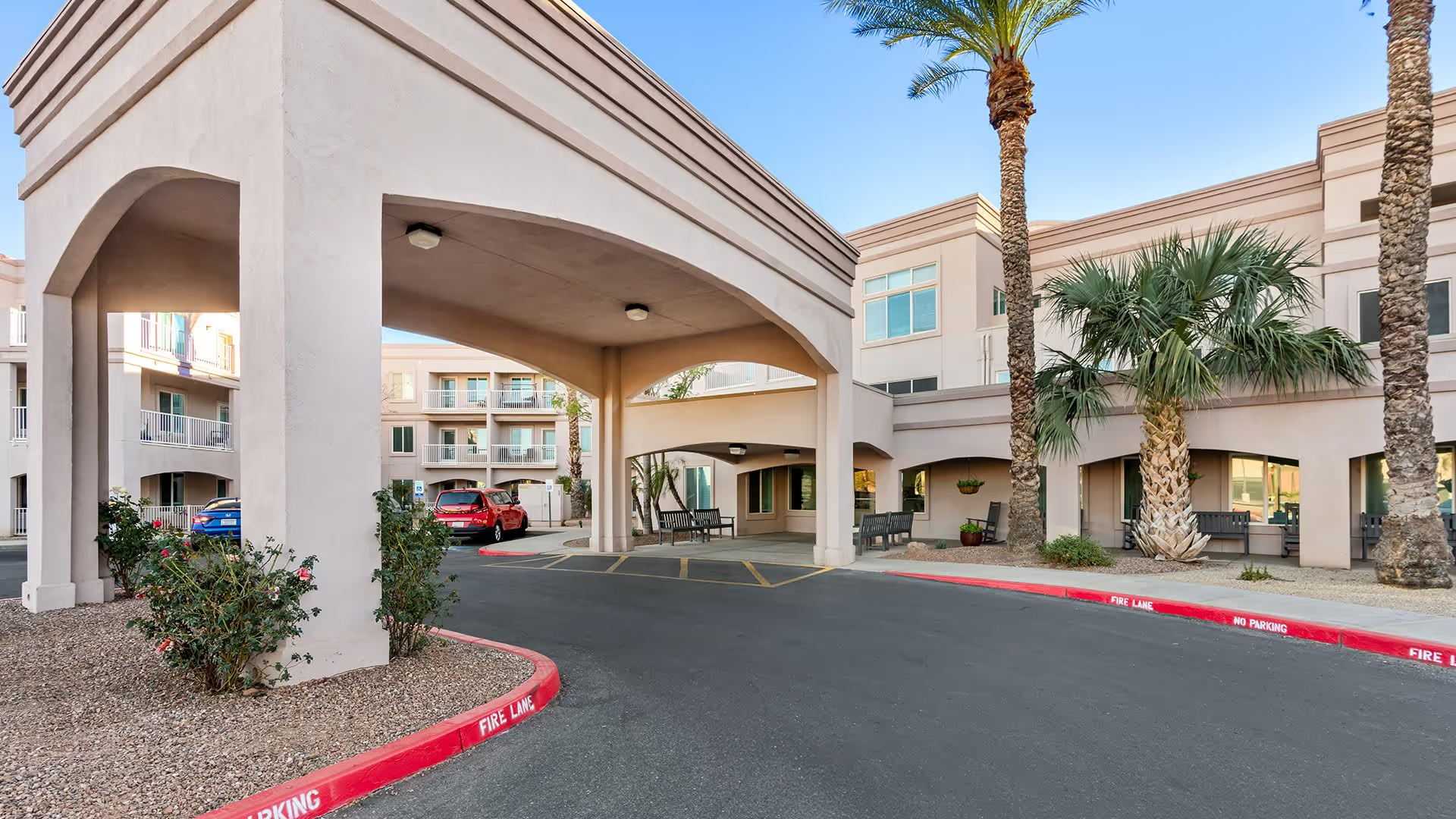
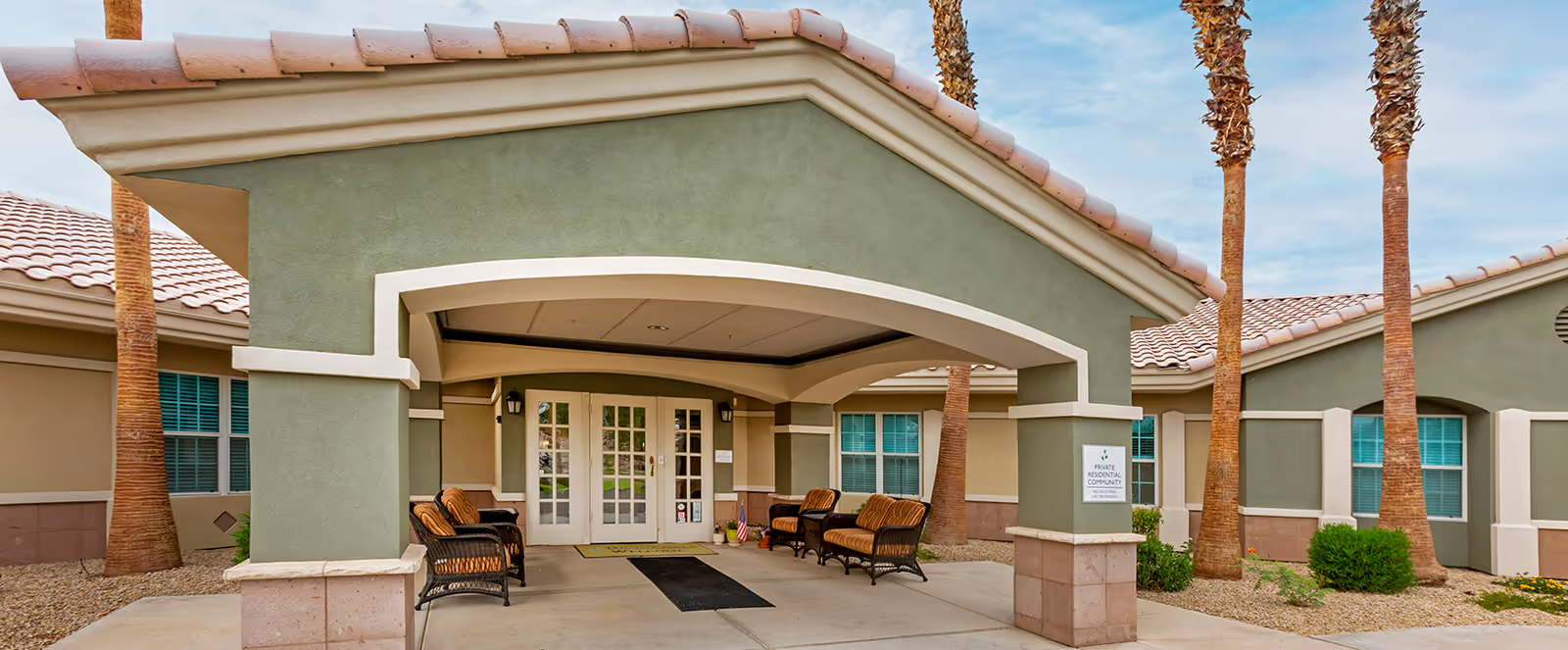
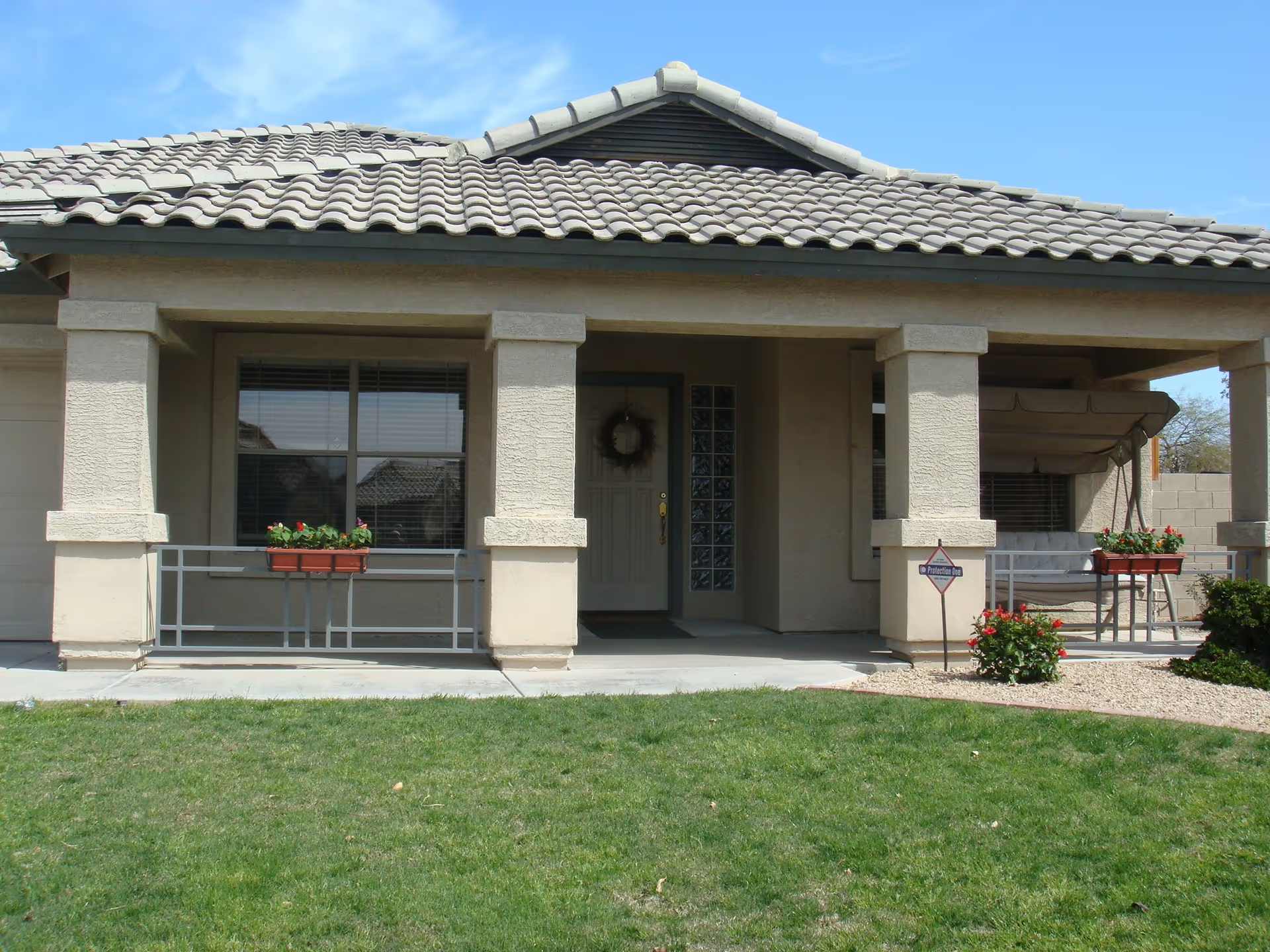
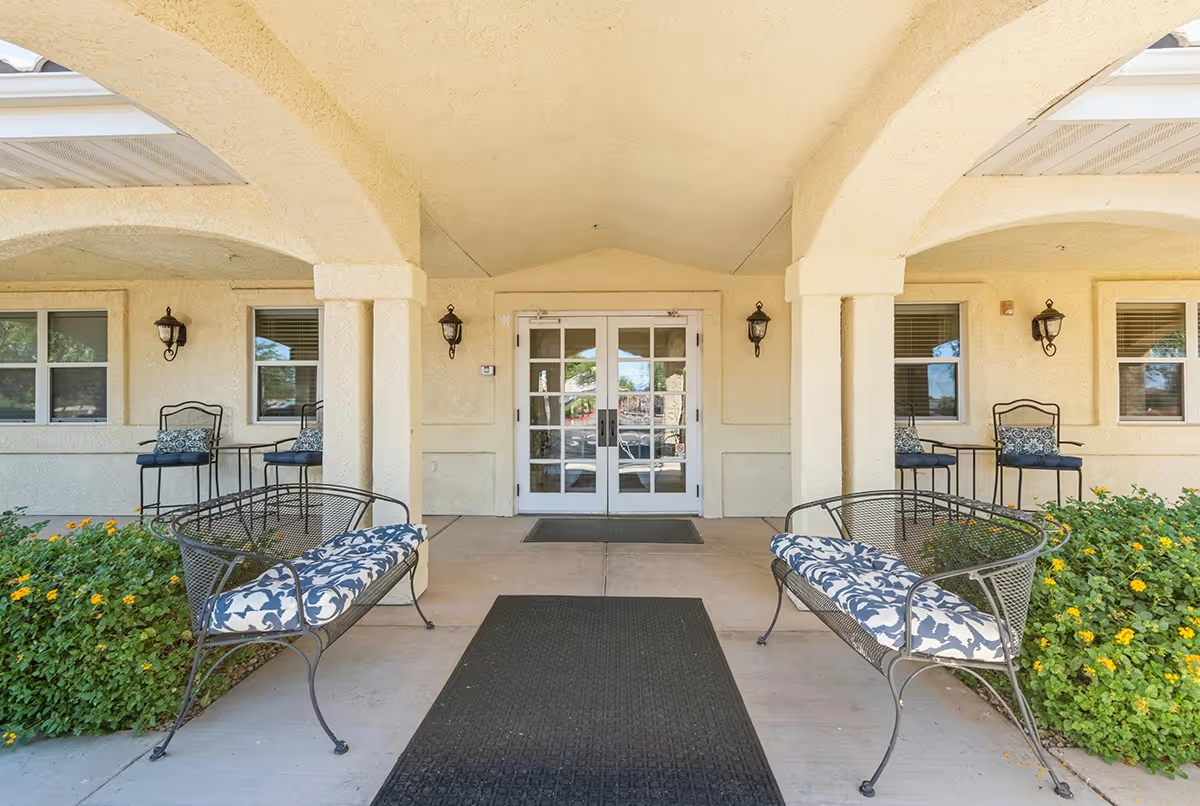
Solana at the Park presents as a modern, well‑appointed assisted living community with many amenities and numerous positive experiences described by families and residents. The physical campus, courtyard and common areas are frequently described as attractive, clean, and tastefully decorated; amenities cited repeatedly include a theater, bistro, library, game rooms, salon/barber services, and outdoor spaces. Reviewers commonly highlight strong transition support, respite and short‑term care options, and a generally welcoming social environment that fosters friendships and group activities.
Care quality and staff performance receive mixed but generally favorable commentary. Many accounts praise compassionate, attentive caregivers, skilled nurses, and availability of clinical support that includes hospice coordination and round‑the‑clock nursing in some units. Several families described individualized care, timely updates, and staff who went above and beyond during significant health changes. That said, a pattern of variability is apparent: reviews also describe understaffing at times, higher staff turnover, and uneven training or competency among certain employees. Those operational weaknesses are associated with delays in assistance, inconsistent bedside practices, and concerns about medication handling and administration processes. Prospective residents should clarify current staffing ratios, training protocols, and medication‑safety procedures during a tour.
Dining and nutrition are another area of contrast. The community is frequently praised for having a talented chef, appealing presentation, themed meals, special events (happy hours, movie nights with popcorn, barbecues), and the flexibility to accommodate dietary requirements. At the same time, a notable number of reviewers cite inconsistent meal quality, overcooked items, diminished portion variety, and corporate menu controls that limit availability of desired items at all times. There are also examples of menu changes and cost‑saving measures that reviewers felt affected nutritional value. It is advisable to sample meals, ask about menu governance, and confirm accommodations for special diets before choosing the community.
Activities programming is presented as a strength: residents regularly describe a full calendar with exercise/stretch classes, Wii bowling, pool table, movies, social events, themed luncheons, and outings. An enthusiastic activities director and frequent events contribute to a strong sense of community. However, some reviewers experienced cancellations, inconsistent execution of scheduled activities, or limited programming targeted to certain populations (for example, fewer veteran‑focused or male‑oriented options). Confirming typical weekly offerings and how the community handles cancellations will give a clearer sense of daily life.
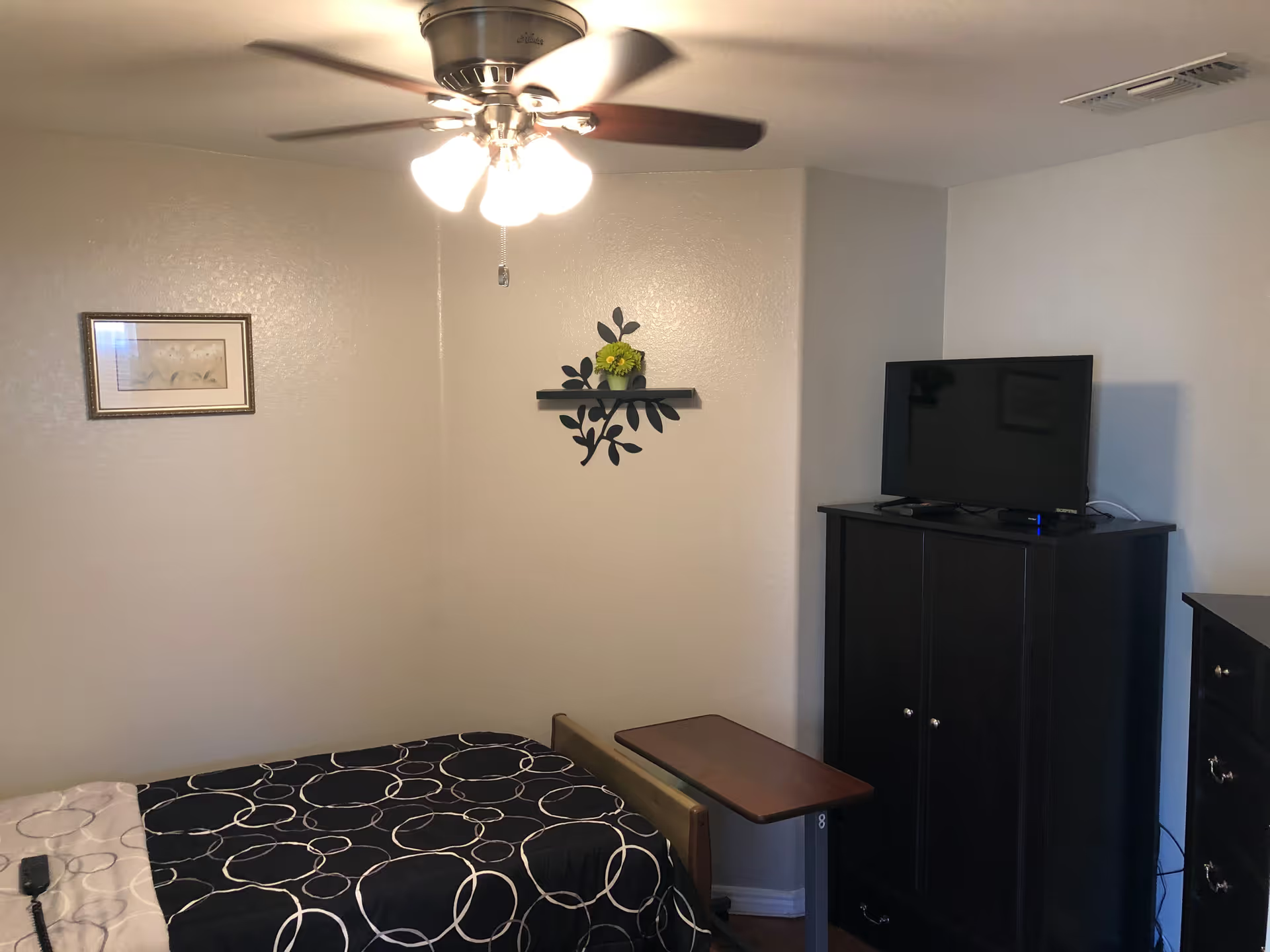
Facilities and apartments are generally considered attractive and well maintained, but there are operational tradeoffs to note. Many residents appreciate newer finishes, safe common spaces, and convenient services (laundry, on‑site transport). Conversely, several reviewers found some apartment floor plans small or lacking two‑bedroom/two‑bath options; a few reported that particular rooms can feel isolated or distant from dining and social hubs. The campus size and layout can also make navigation challenging for some residents. Prospective residents should view the specific unit they would occupy and evaluate proximity to dining and activity areas.
Management and administration elicit polarized views. Numerous families commend hands‑on management, good communication, and responsiveness when issues arise; others describe sales promises that were not fully honored post‑move, inconsistent front‑desk interactions, and concerns about pricing transparency including a high nonrefundable community fee. The community’s response to infection control (COVID‑era visitor restrictions) was viewed as protective by some and overly restrictive by others. Asking direct questions about fees, contract terms, refund policies, and escalation pathways for clinical concerns is recommended.
Overall, Solana at the Park offers a strong physical environment, broad amenities, and many examples of caring clinical staff and engaging programming. At the same time, recurring operational themes — staffing variability, medication‑administration concerns, inconsistent food quality, and administrative communication gaps — appear frequently enough to merit focused questions during a visit. Suggested actions for prospective residents and families: tour the exact apartment being offered, sample meals, meet nursing staff and the activities director, review staffing schedules and medication‑safety protocols, and obtain clear, written explanations of fees and services before committing.