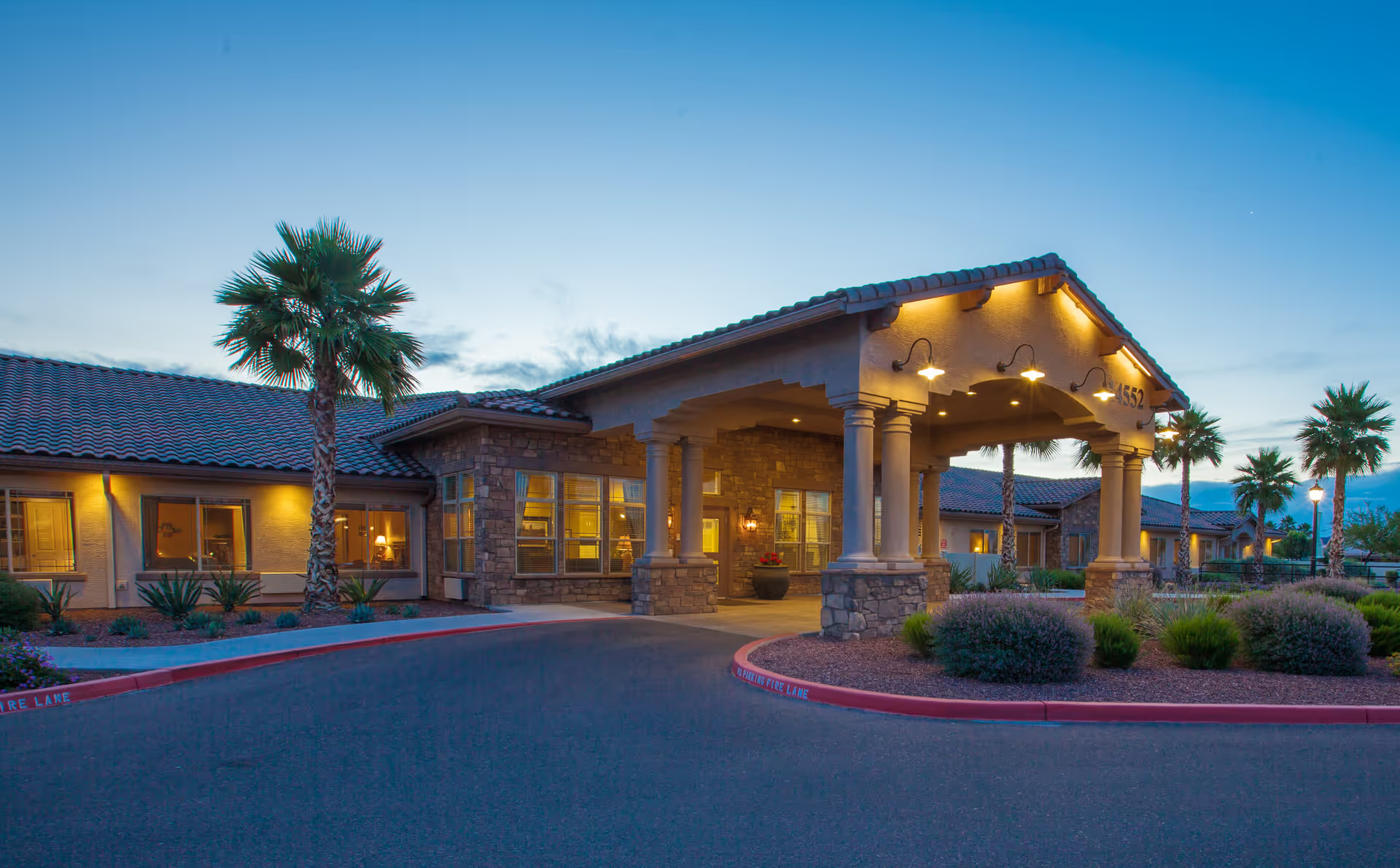
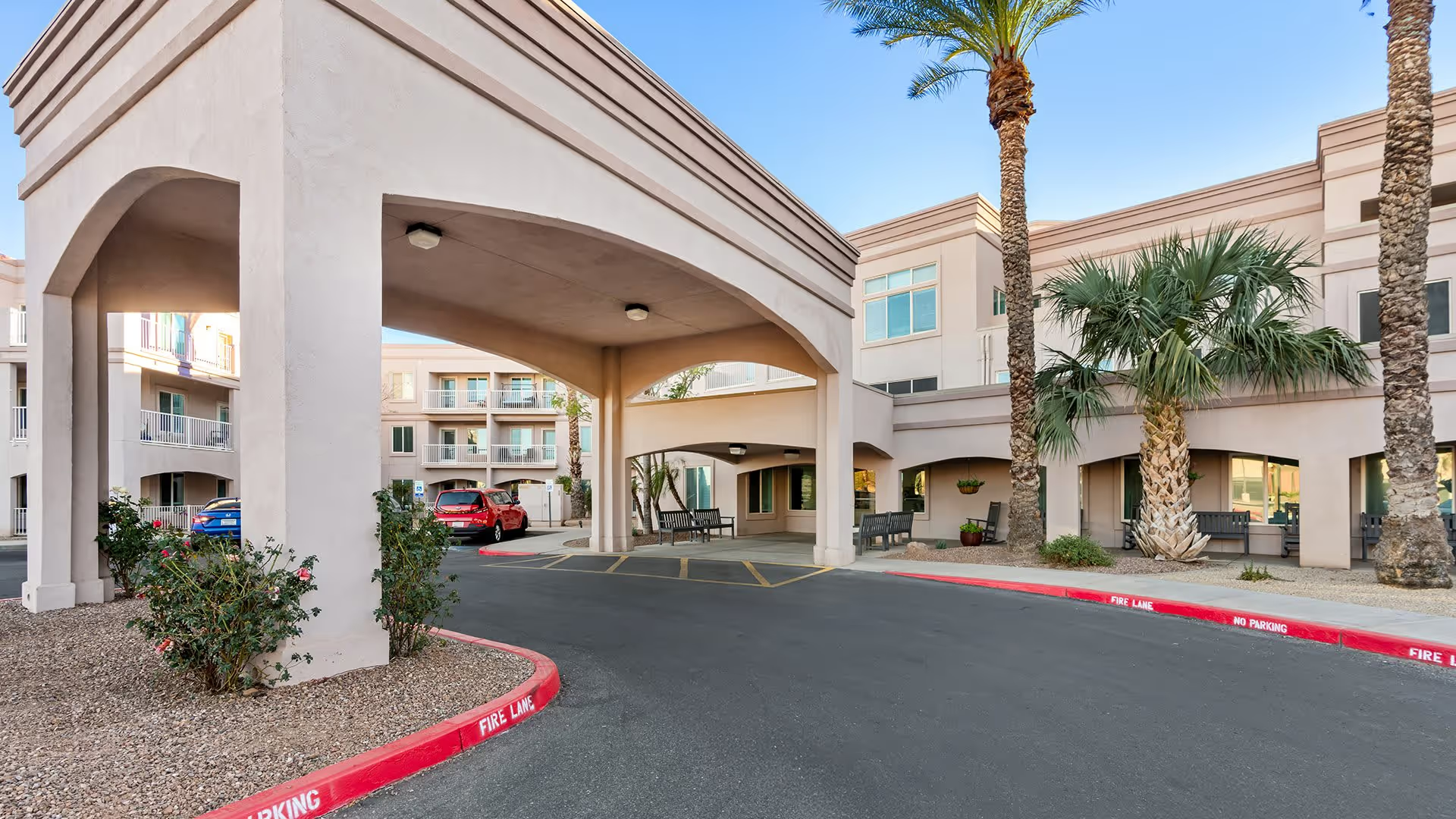
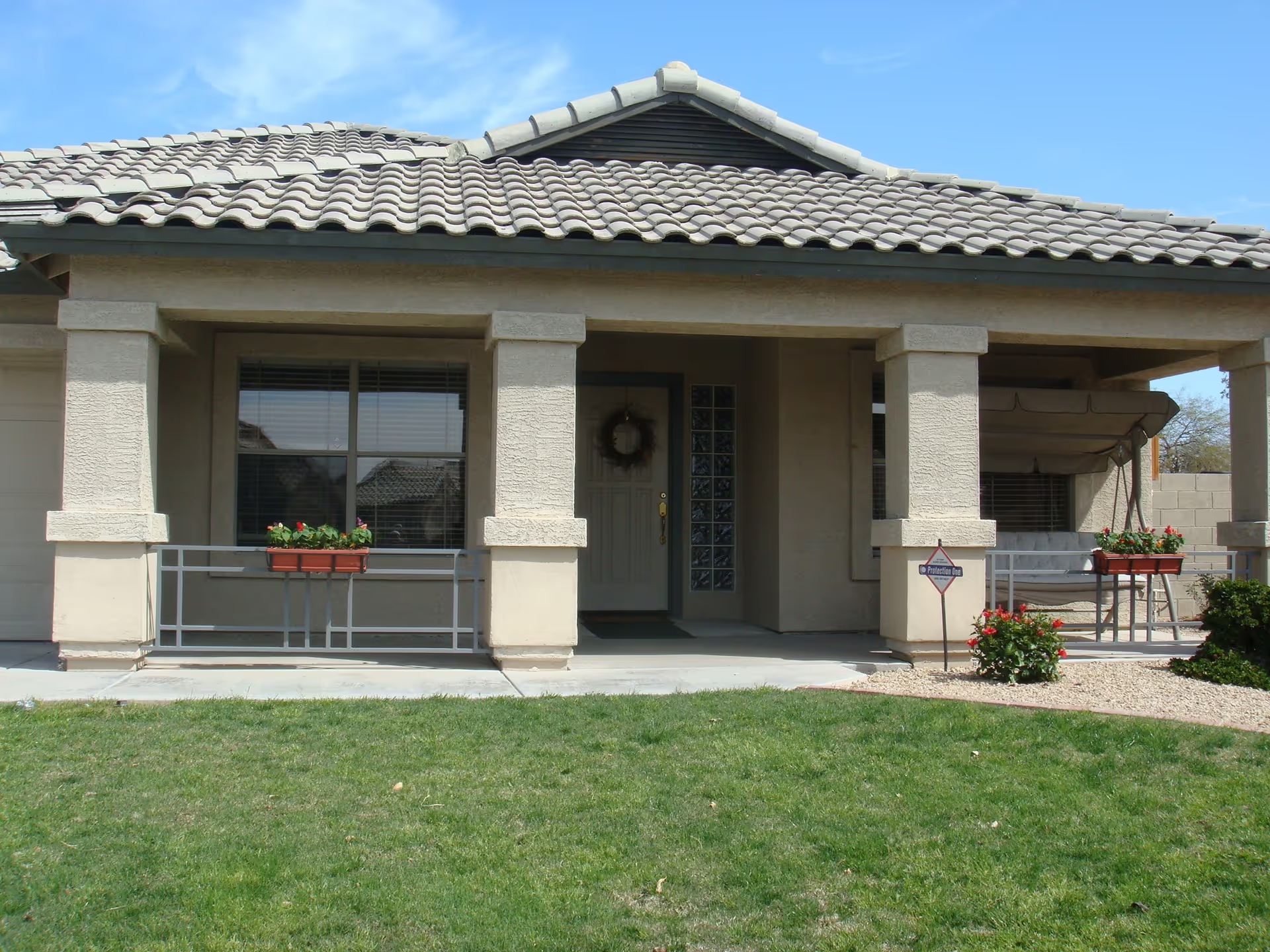
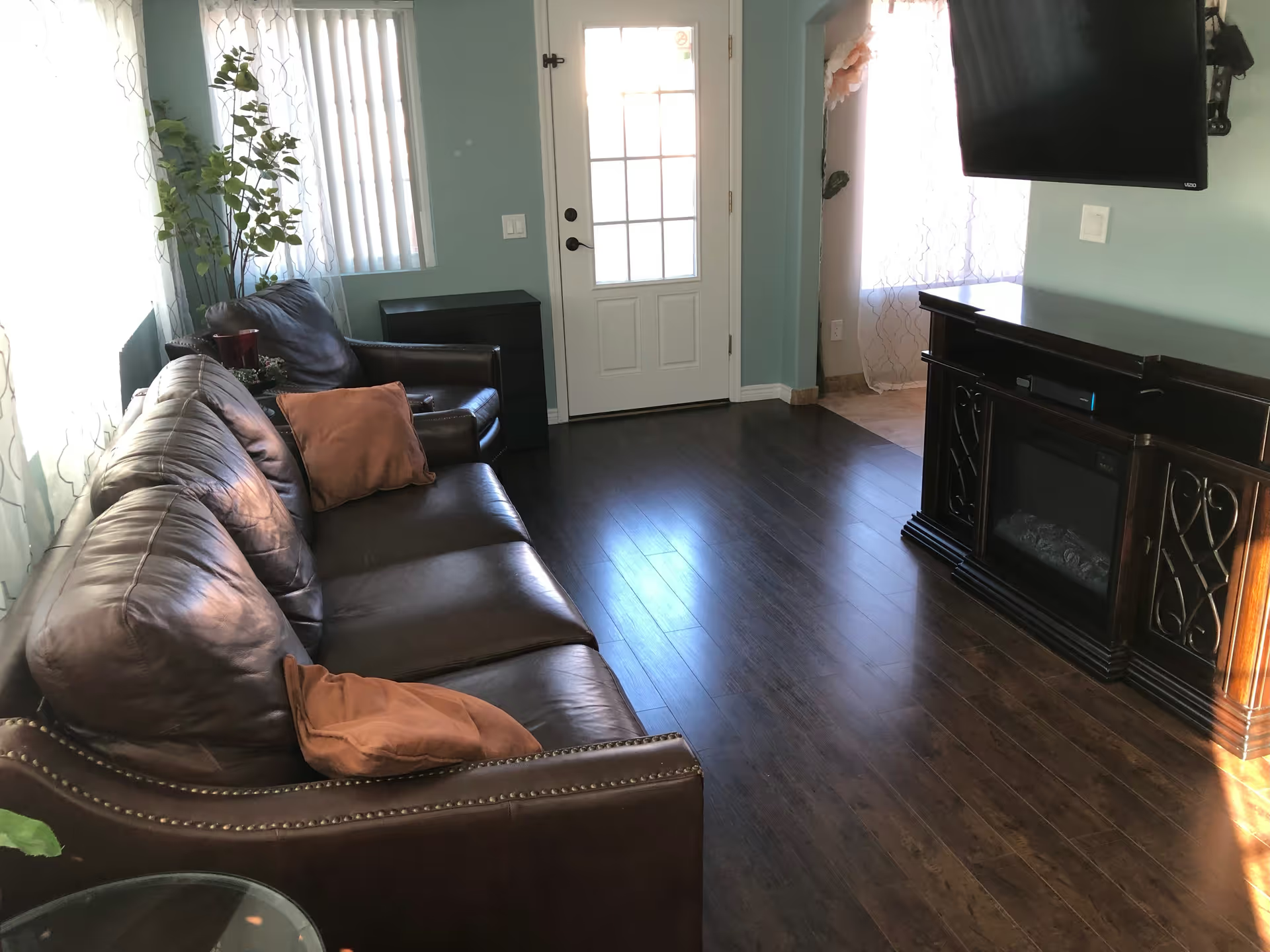
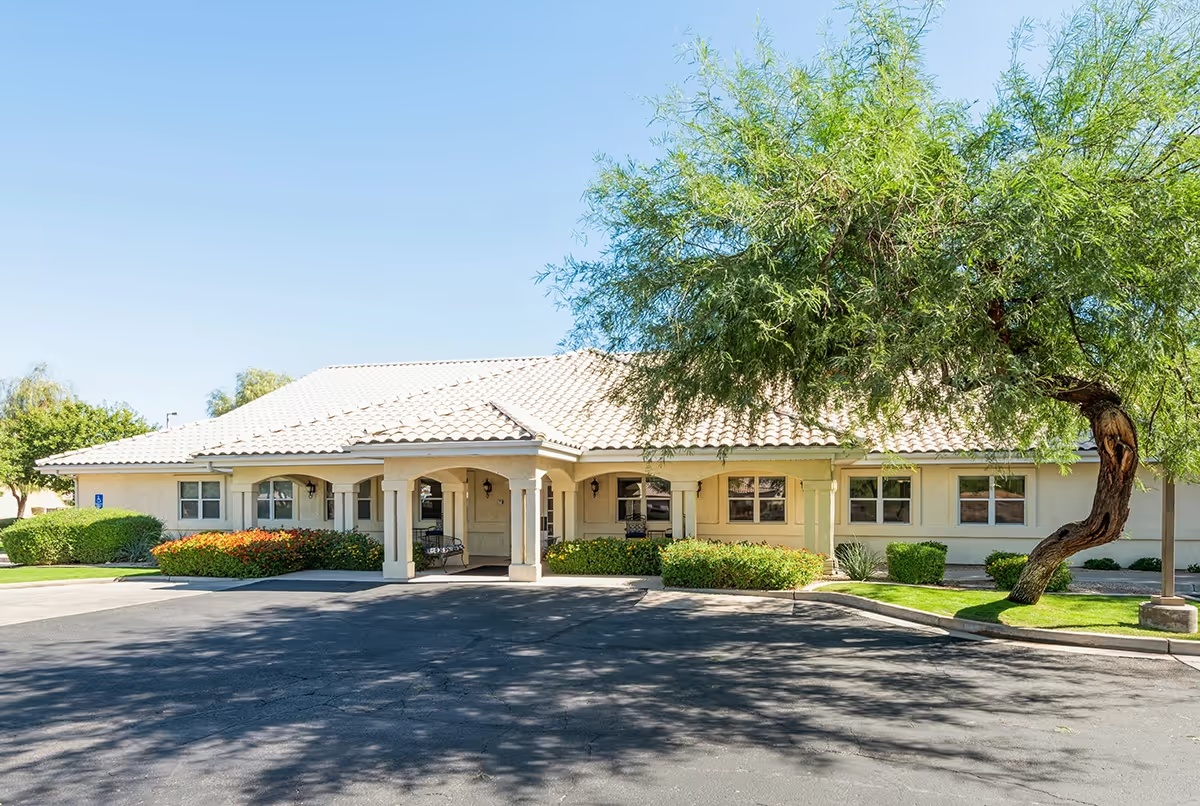
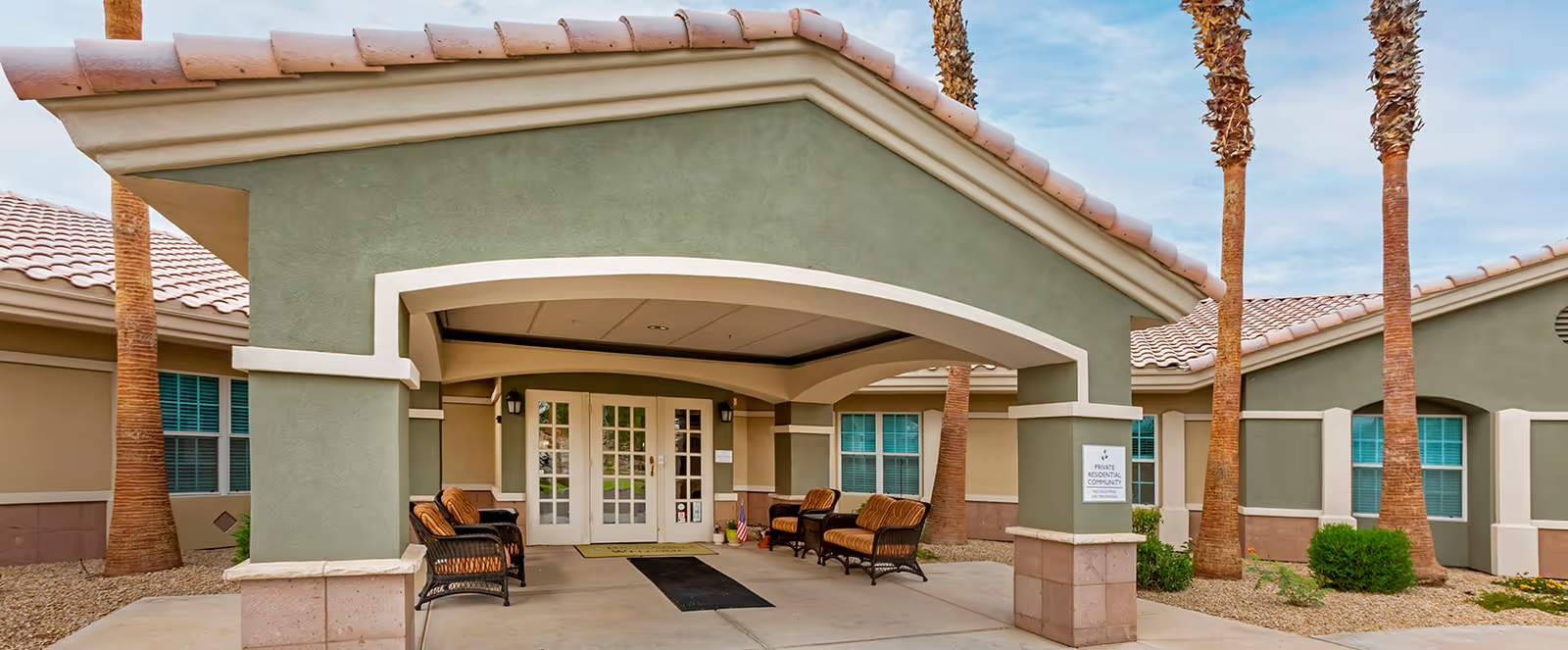
Surprise Health & Rehabilitation Center receives a large volume of highly positive comments about its rehabilitation services, environment, and many frontline caregivers, while also generating repeated concerns about operational consistency. The facility is frequently described as clean, modern, and well equipped for therapy: reviewers highlight private rooms with ensuite bathrooms, a well-appointed therapy gym, measurable functional gains, and a strong emphasis on returning patients home. Physical and occupational therapy teams are a consistent strength; multiple named therapists and therapy teams are credited with restoring mobility and independence. Maintenance and housekeeping are also regularly praised for responsiveness and keeping the building pleasant.
Clinical staffing and bedside care elicit mixed impressions. Many families and patients commend the compassion and skill of nurses and CNAs, and single-discipline specialties such as respiratory care and wound nurses receive positive mention. At the same time, there is a recurrent pattern of variability by unit and shift: daytime therapy and day-shift staff often receive strong praise, whereas night shifts and certain corridors are described as slower to respond. Common operational themes include delayed call-light responses, medication-timing issues, and inconsistent follow-through on hygiene and wound care. These issues have been tied by some reviewers to adverse clinical events and transfers back to acute care, prompting the facility to be characterized by some as more rehabilitation-focused than appropriate for long-term, high-dependency nursing needs.
Dining and activities are similarly mixed. The activities program (including therapy-dog visits and group programming) is frequently cited as engaging and beneficial to morale. Dietary feedback ranges from praise for desserts, timely meal service, and accommodating substitutions, to criticism of cold or poorly timed meals, limited diabetic or plant-based options, and occasional missed tray deliveries. Prospective residents should ask specific questions about dietary accommodations and timing when this is a clinical priority.
Management, communication, and administrative practices show uneven performance. Several admissions and case-management staff are singled out positively for helping with discharge planning and home-health coordination; however, other families report inadequate communication, delayed discharge equipment or documentation, front-desk and phone-system access problems, and occasional billing errors. There are also isolated but serious allegations and concerning incidents referenced in some accounts; these underscore the importance of reviewing regulatory history, asking about incident-report follow-up, and clarifying the facility’s protocols for safety events and family notification.
For families considering this facility: the strengths are clear if your priority is a strong, goal-directed rehabilitation program in a clean, modern setting with many compassionate caregivers. If your loved one requires continuous, high-dependency nursing care or close night-shift monitoring, the pattern of concerns about staffing consistency, call-light response, medication timing, and hygiene/wound-care processes suggests you should seek detailed, current answers before admission. Recommended tour questions include staffing ratios by shift, average response time to call lights, weekend therapy availability, medication reconciliation and discharge procedures, wound-care protocols, and specific dietary accommodation processes. Checking recent survey results and asking for direct references from families of recent patients at similar clinical acuity can help clarify whether the facility’s operational performance matches your care needs.