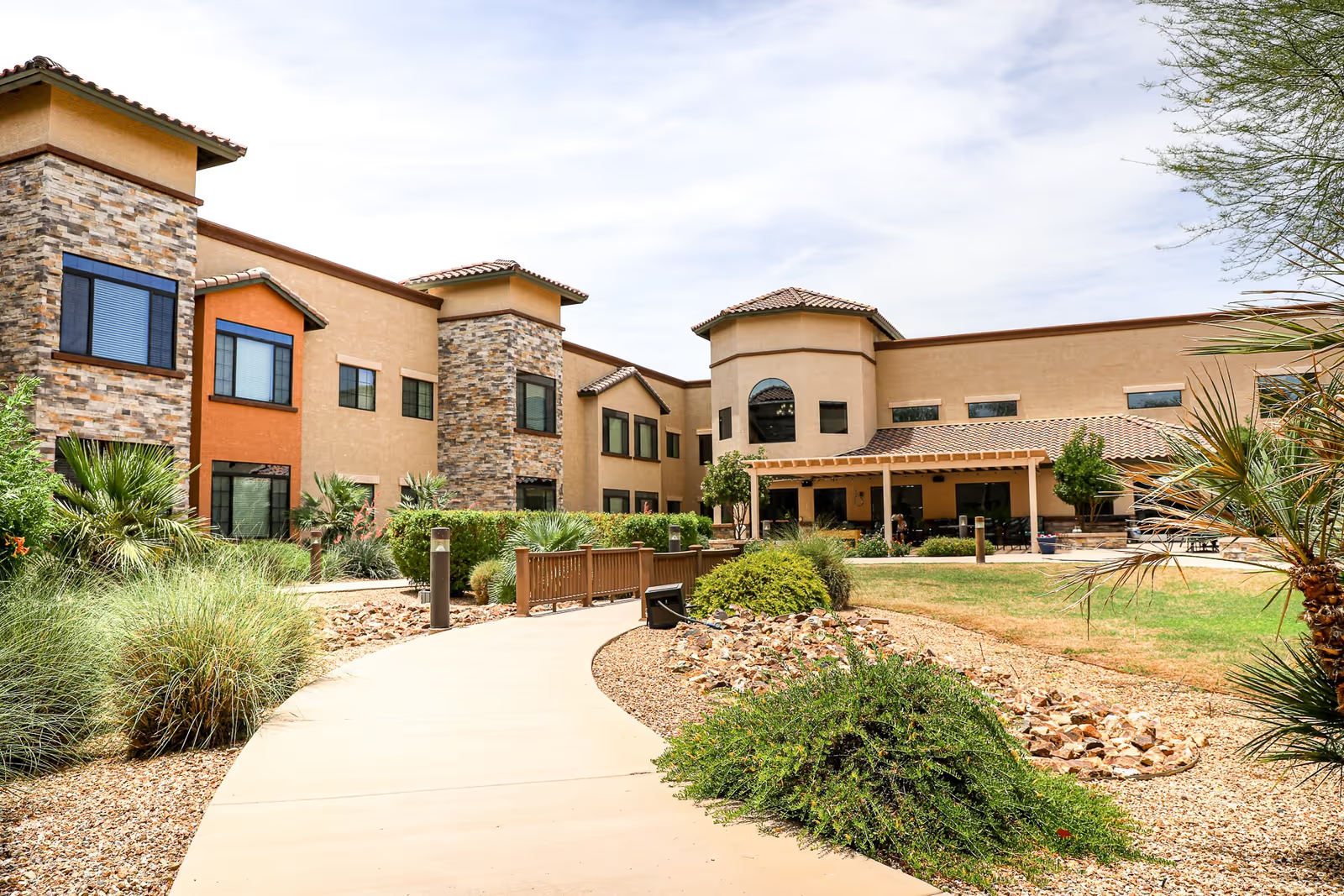
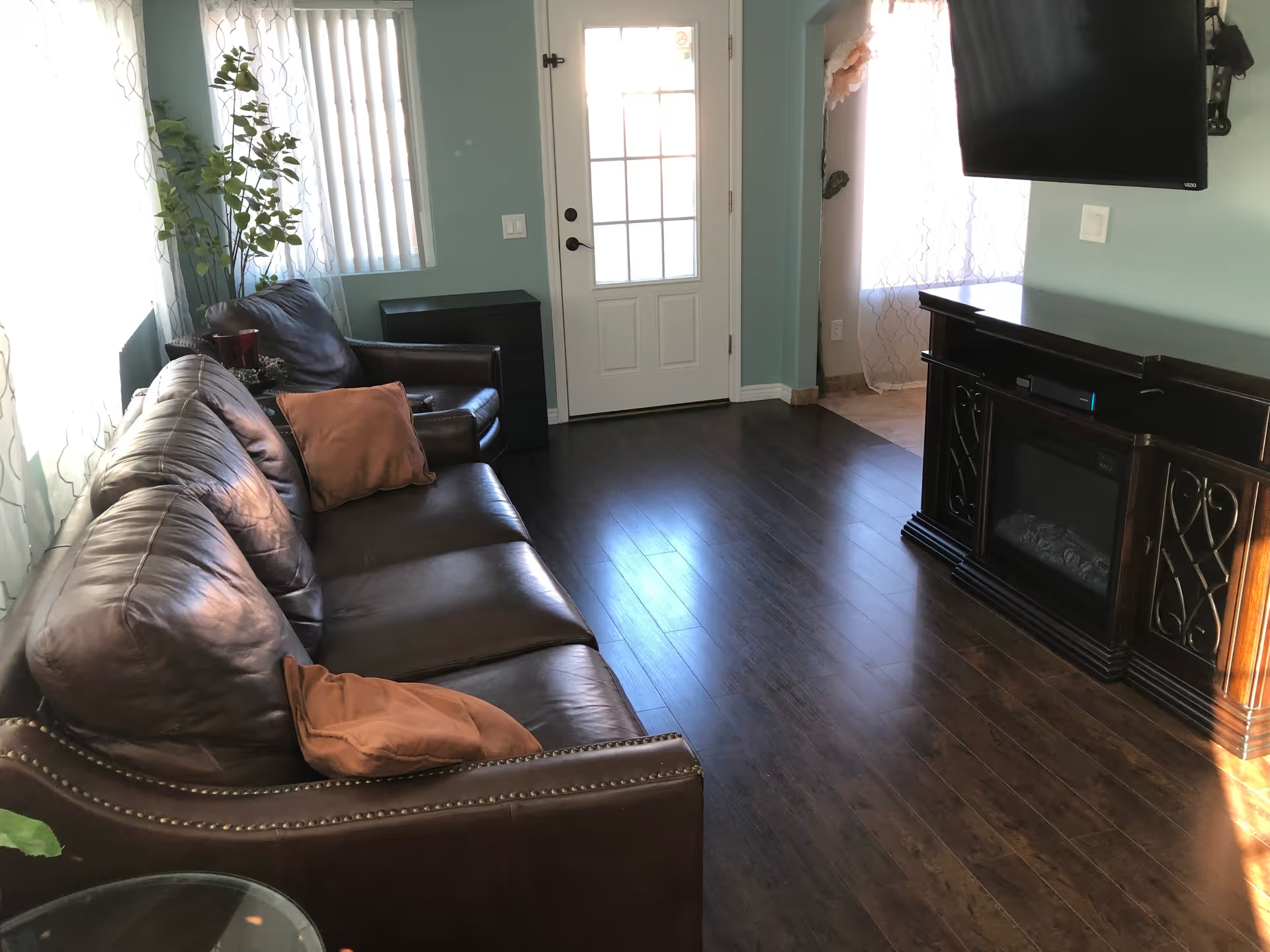
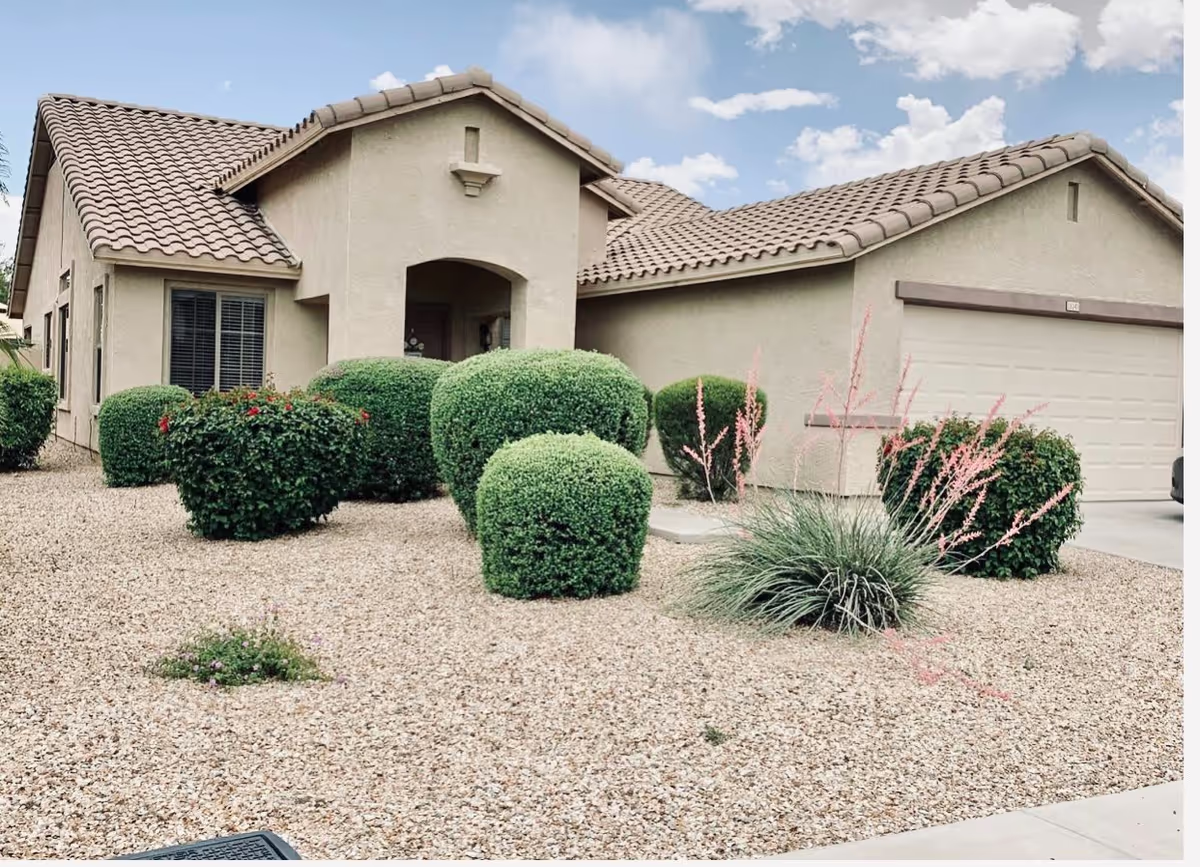
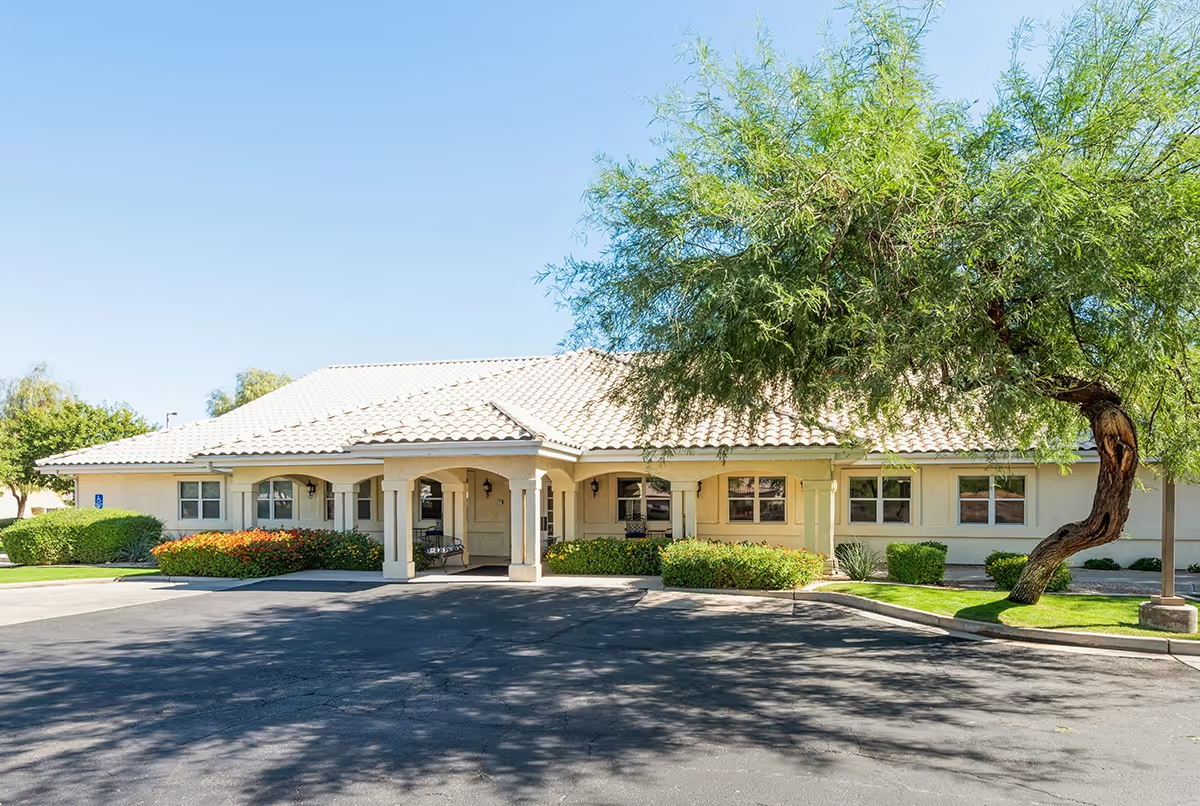
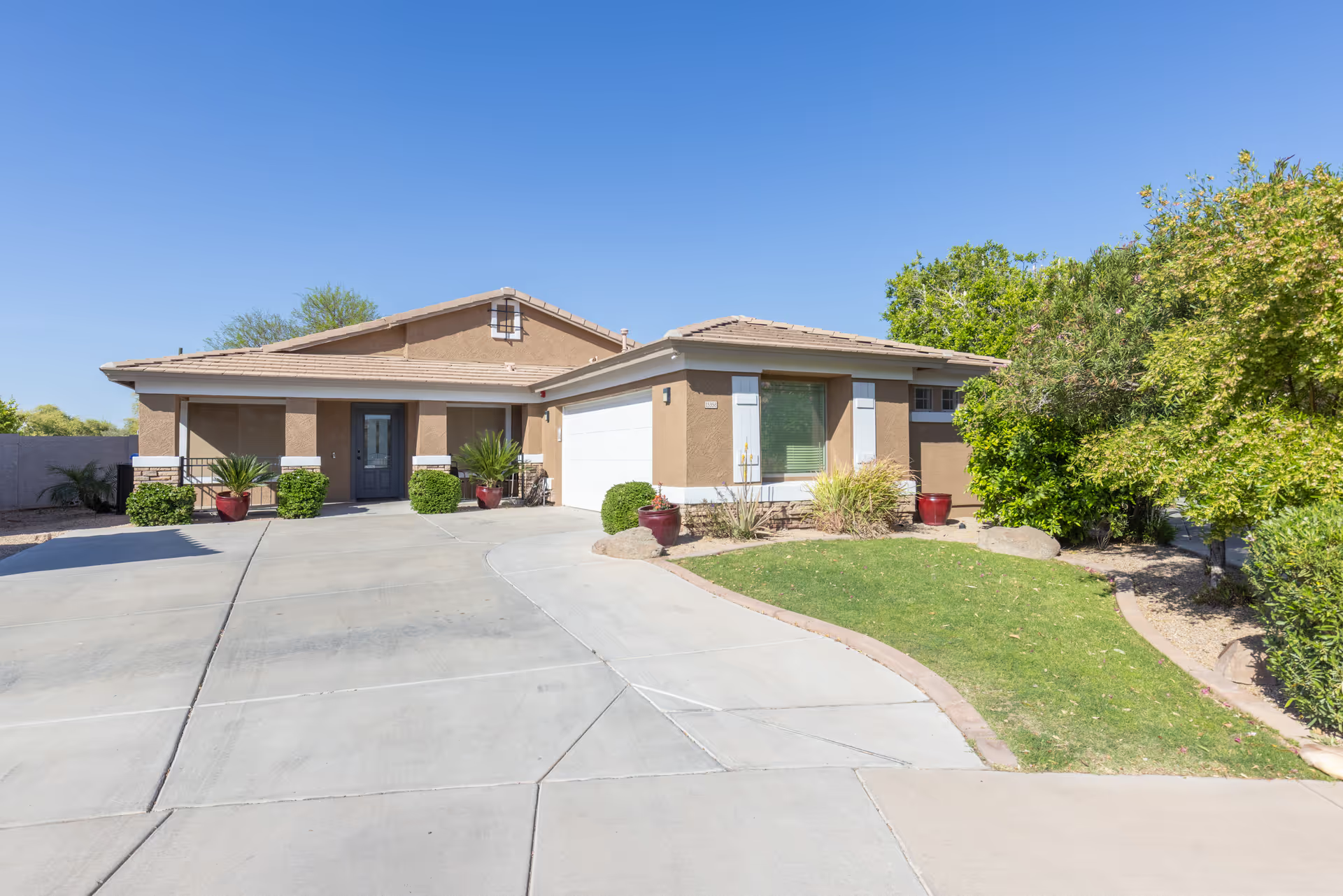
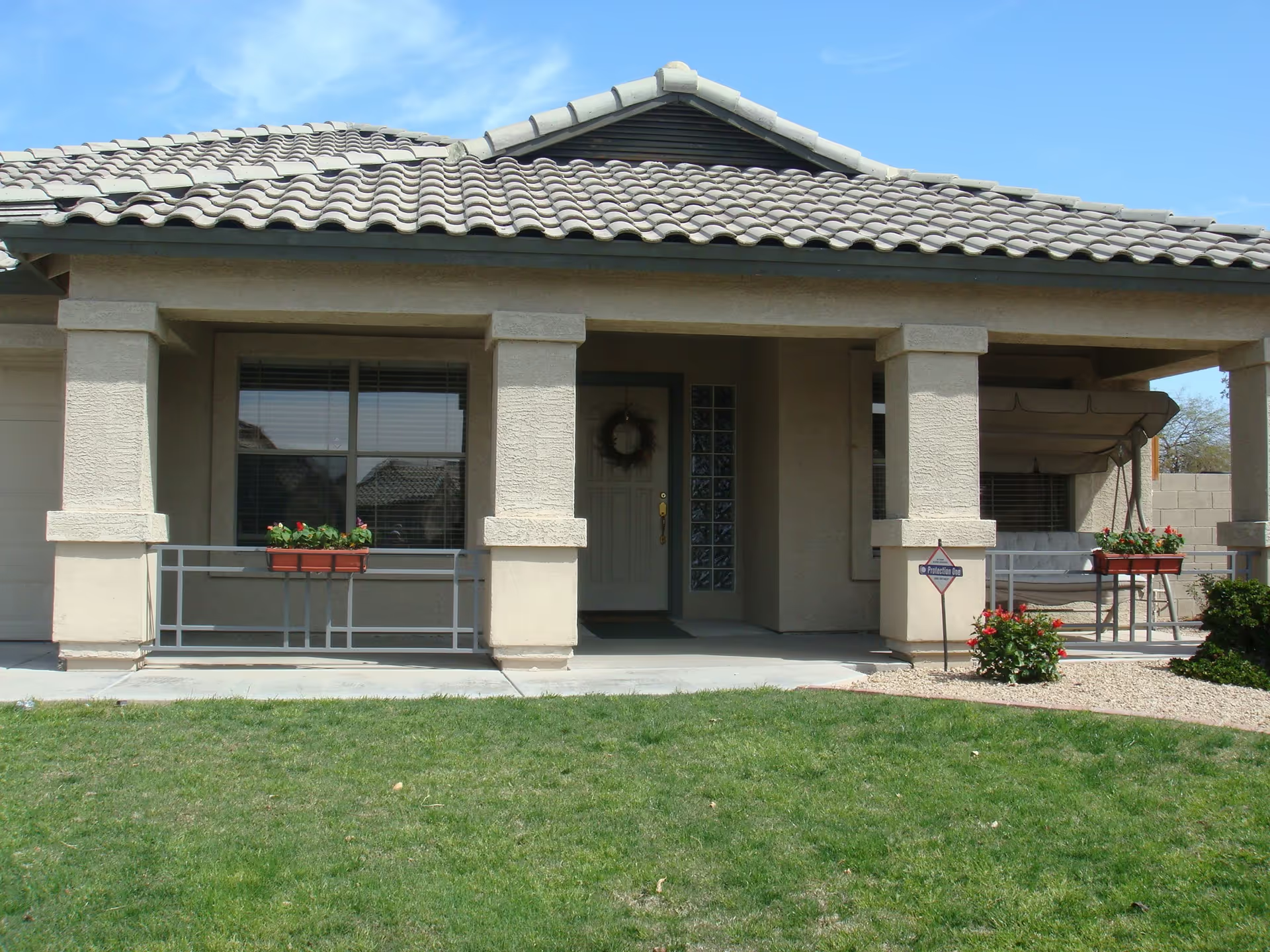
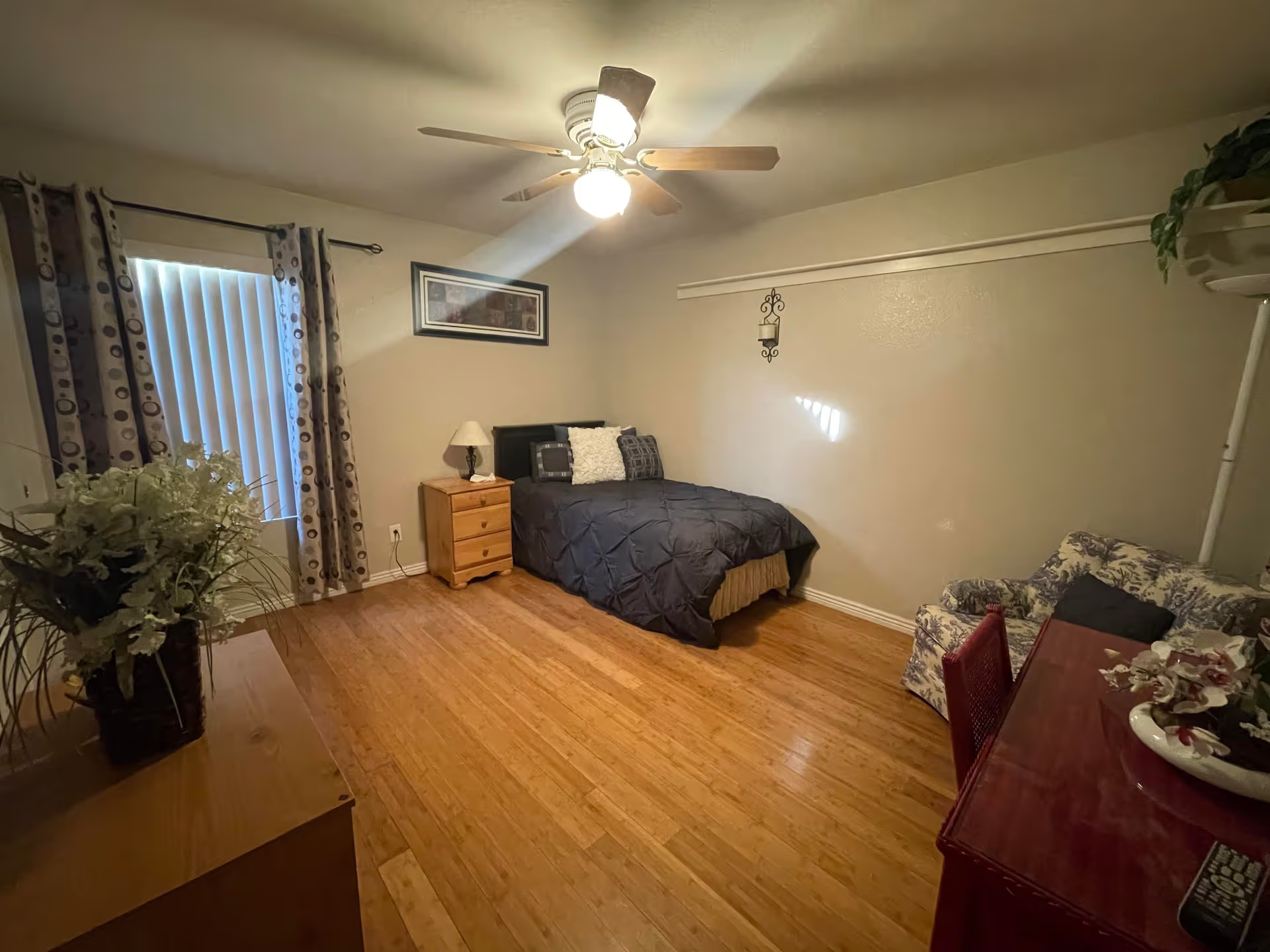
Overall impression: Reviews present a polarized picture: the facility offers a clean, modern campus with spacious apartments, attractive courtyards, and a range of amenities that many families and residents find home‑like. On the positive side, caregiving staff are frequently described as compassionate and personable, there is an active calendar of social and recreational programming (including arts and crafts, bingo, live music and regular outings), and practical conveniences such as an on‑site beauty salon, therapy/medical access, and transparent monthly pricing without a buy‑in are highlighted. Several families also praised tour and move‑in experiences and named specific staff who provided strong transitional support.
Care and staff: Staff quality is a central strength and a central concern. Numerous accounts praise dedicated caregivers and clinical staff who foster respectful, dignified interactions and close resident relationships. At the same time, an identifiable pattern of staffing instability and turnover is described; this has been associated with inconsistent care continuity, shifts in leadership, and instances where caregivers are reassigned between clinical duties and hospitality tasks. Reviewers expressed that these operational pressures can lead to delays in care, the need for family advocacy, and uneven familiarity with resident needs—particularly for residents with cognitive impairment.
Dining and housekeeping: Dining experiences elicit mixed feedback. Some residents and families note enjoyable meals, social dining, and an inviting dining room; others cite slow service, small or unbalanced portions, and variability in food quality and timing. Housekeeping and sanitation are likewise uneven in accounts: many describe an overall clean environment, while others indicate lapses in routine cleaning of dining areas and common spaces. Prospective families should observe mealtimes and ask about housekeeping schedules during a visit.
Safety, clinical operations, and memory care: A subset of reviews raises operational safety and clinical concerns, including medication‑administration errors and episodic safety oversights that have led to family escalation. Memory‑care programming and staff continuity for residents with dementia are described as inconsistent; some reviewers felt the memory‑care environment lacked clearly differentiated programming and routine consistency that benefits residents with cognitive impairment. These issues suggest areas where prospective families should request documentation of clinical protocols, staffing ratios, medication checks, and incident follow‑up procedures.
Management, communication, and business practices: Management experiences are mixed. Some reviewers praise responsive front‑line managers and specific nurses or coordinators; others describe defensive communication, inconsistent follow‑through on promises, unexpected policy or billing changes, and a perceived emphasis on financial metrics. There are also isolated but serious consumer concerns flagged in reviews, including allegations of theft and manipulated reviews; such claims merit careful inquiry during the evaluation process.
Notable patterns and advice for prospective families: The dominant pattern is variability—many families have excellent experiences tied to engaged staff and new facilities, while others describe operational gaps related to staffing, meal service, safety controls, and management responsiveness. When evaluating this community, visitors should (1) schedule an observation of a mealtime and an activity period, (2) ask for written policies on medication administration, incident reporting, and dementia care programming, (3) request recent staffing ratios and turnover data, (4) verify how paid services (bathing, hospice, etc.) are documented and audited, and (5) confirm any extra fees or move protocols in writing. These steps will help determine whether the facility’s current operational practices align with a family’s expectations for clinical reliability and day‑to‑day living.