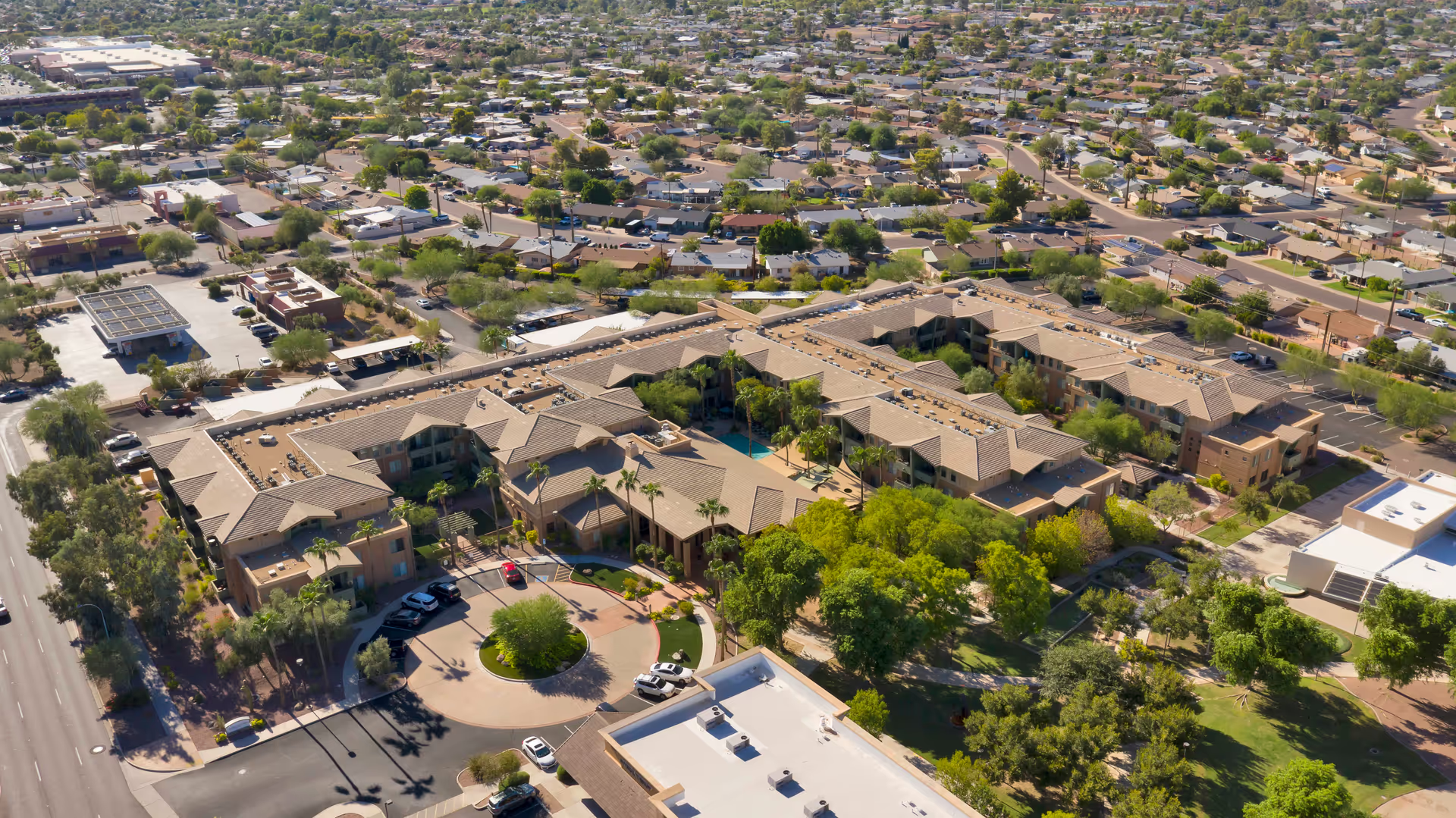
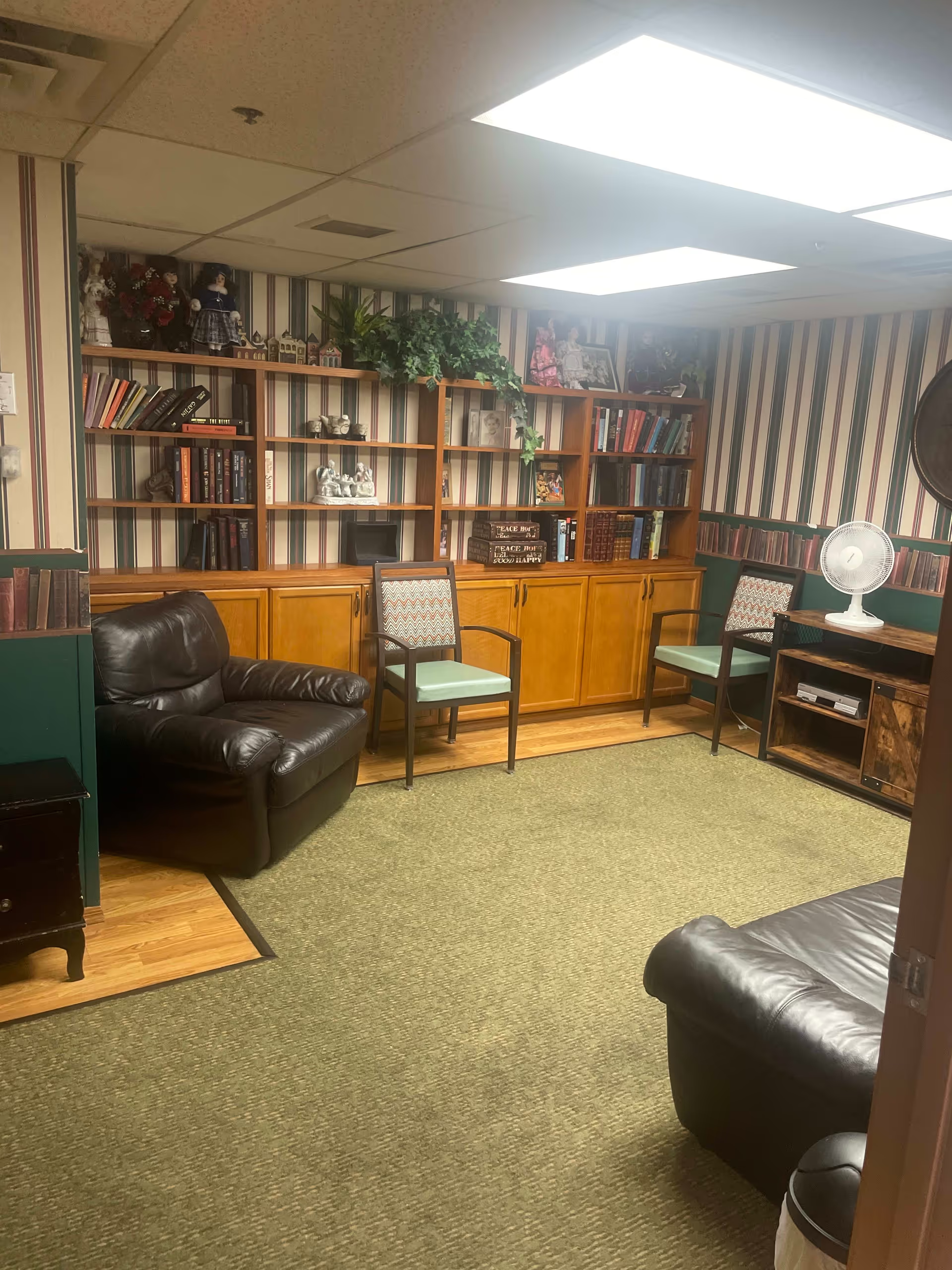
Mirabella at ASU presents as a modern, well-appointed senior living campus with many features that appeal to active, engaged older adults. The property is frequently described as brand‑new and aesthetically attractive, with private rooms or spacious apartments, full bathrooms, daily housekeeping and well‑kept common areas. Residents and families commonly praise the on‑site gardens and roof terraces, convenient access to ASU cultural events and classes, and a lively intergenerational atmosphere created by proximity to a major university.
The community’s programming and amenities are repeatedly highlighted as strengths. Reviewers note a broad range of social and cultural activities, strong connections to university offerings (lectures, concerts, sporting events, auditing classes), active concierge services, and a busy calendar that reduces loneliness for socially inclined residents. Dining is frequently described as high quality, and the facility offers comprehensive therapy services (physical, occupational, speech) and on‑site case management, which support short‑term rehab and ongoing health needs. The presence of a true continuum of care—independent living, assisted living, memory care and skilled nursing within the same building—is an important convenience cited by many families.
Despite these operational and lifestyle strengths, there is a clear and recurring set of clinical and operational concerns in the reviews. Multiple accounts point to inconsistent personal‑care delivery (including bathing and toileting assistance), incontinence‑care delays, and issues with skin integrity for some residents. There are also repeated references to medication‑administration inconsistencies and to missed or disrupted meals when the kitchen was unavailable. Families described delayed delivery of assistive equipment and supplies, and some reviewers cite gaps in therapy scheduling or follow‑up.
Staff performance receives mixed but specific feedback. Many reviewers praise compassionate, professional nurses, CNAs and therapists, plus multilingual and culturally sensitive staff. At the same time, other reviewers describe understaffing at certain times and variable responsiveness from clinical leadership and management when care issues are raised. Communication tools such as an online portal are noted positively, while comments about slow responses from the admissions/sales team and dissatisfaction with how complaints were handled point to uneven management practices.
Location and community fit are important themes. For residents seeking an energetic, culturally rich setting, the ASU campus location and downtown Tempe scene are major advantages. For noise‑sensitive residents, the college‑town nightlife and outdoor events are frequently cited as a drawback. Practical issues such as constrained parking, wayfinding during construction, and limits on individual climate control in some units also recur.
A final notable pattern is the polarization of sentiment: many reviewers offer strong, enthusiastic endorsements of the lifestyle, amenities and community engagement, while a subset of reviews raises serious clinical and operational concerns. Prospective residents and families should weigh the appeal of the facility’s programming, location and amenities against the operational risks identified—particularly those related to basic personal‑care continuity, staffing levels, medication processes and responsiveness to family concerns. If considering Mirabella at ASU, families may want to (1) ask for recent staffing and clinical‑incident metrics, (2) review protocols for medication administration and incontinence/personal care, (3) confirm equipment turnaround times, and (4) visit during different times of day to assess noise and staffing patterns in person.