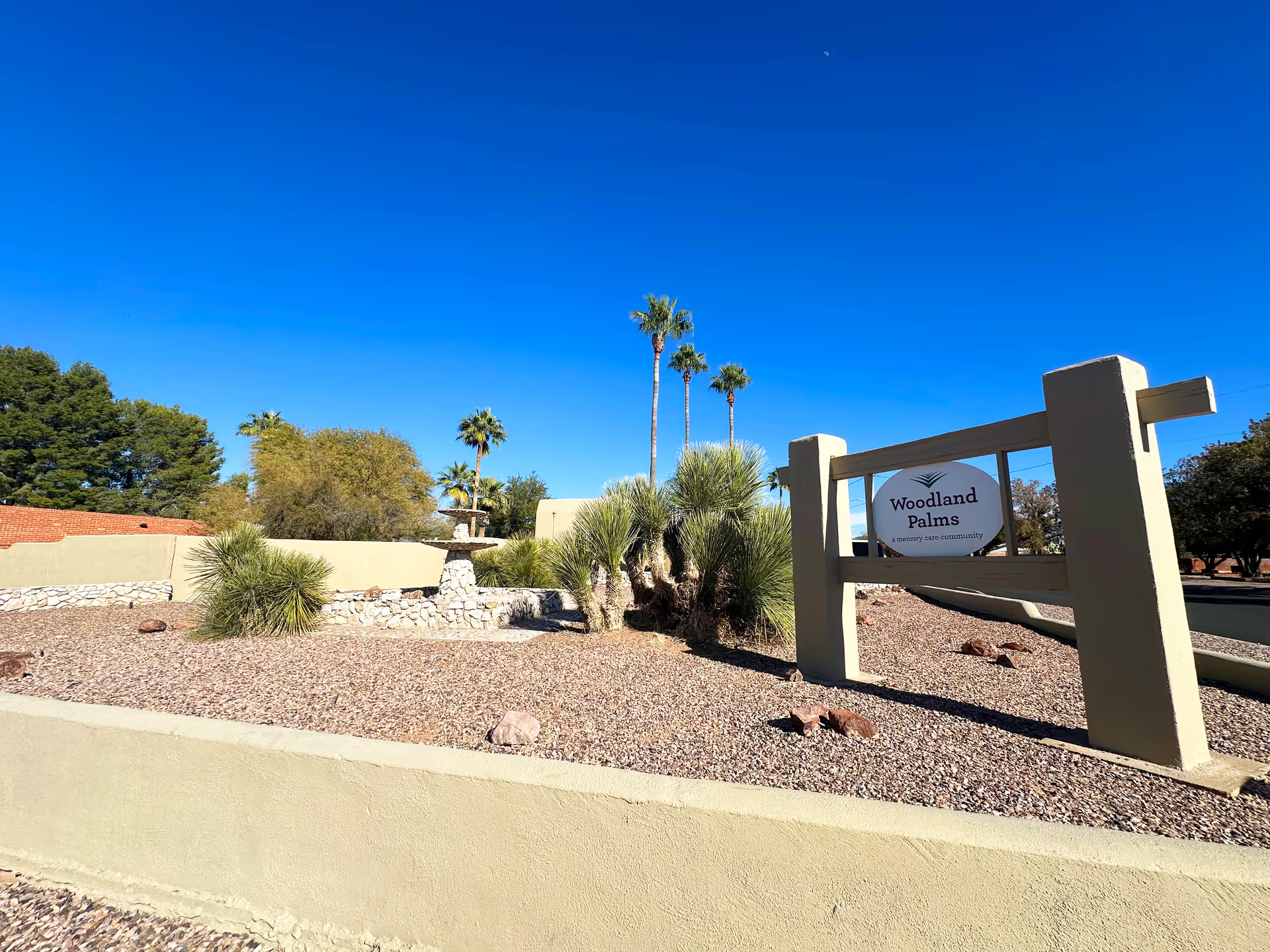
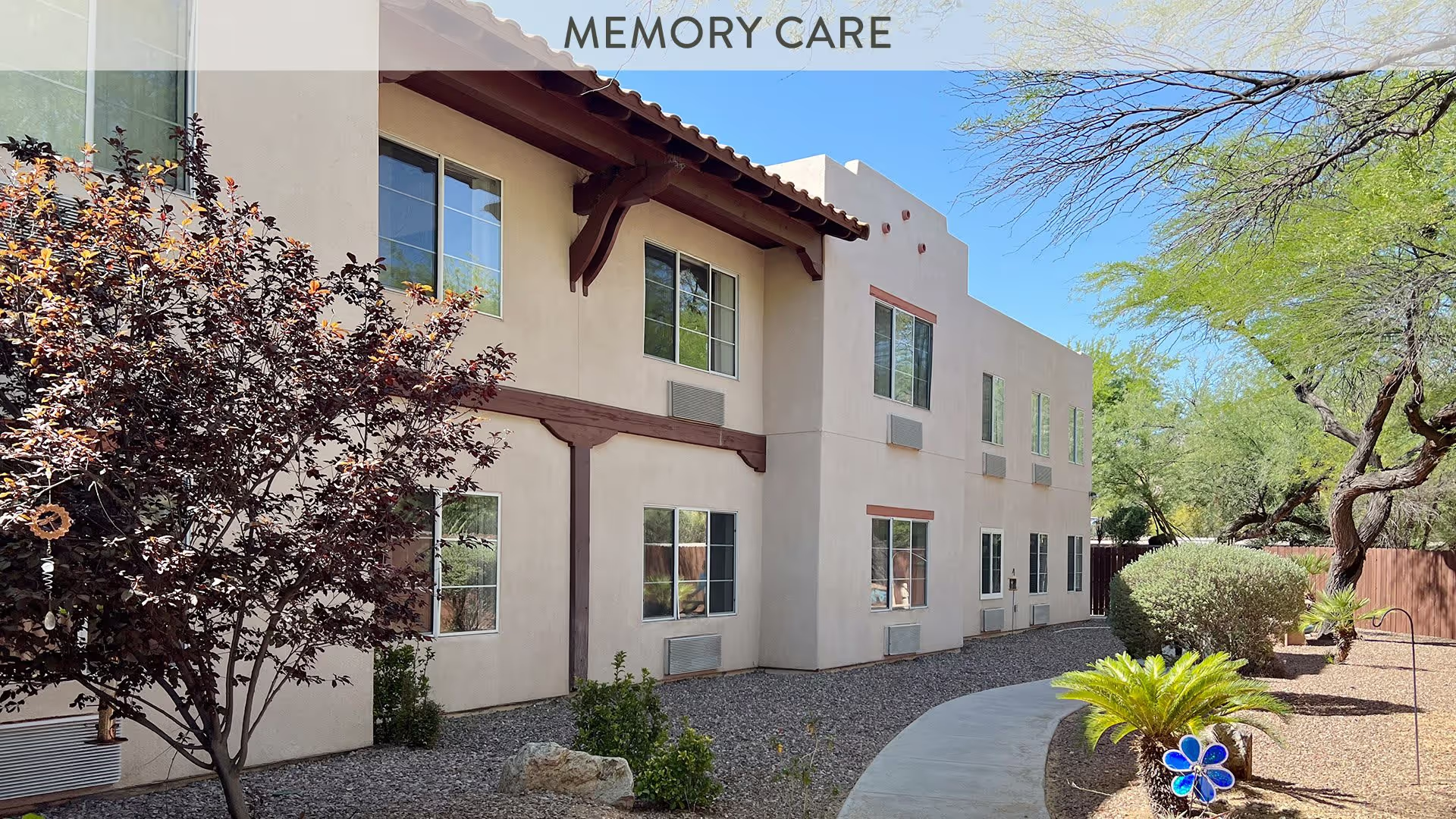
Overall impression: Reviews describe a facility with some positive interpersonal interactions and a clean appearance in parts alongside persistent operational and clinical concerns. Families noted friendly front-line staff and an owner who was accessible during admission, but those positives are offset by recurring issues related to clinical oversight, facility maintenance, and communication.
Care quality and clinical oversight: A notable pattern involves inconsistencies in clinical care processes. Multiple accounts point to lapses in medication administration controls and in the management of enteral feeding orders (for example, feeding-tube coordination and adherence to 'NPO' instructions). Reviewers also described situations that raised concerns about end-of-life care coordination and clinical decision-making; hospice was involved in at least one case, and families reported limited transparency after a resident’s death. These items suggest gaps in medication-safety protocols, feeding-management procedures, and post-incident family communication.
Staffing, communication, and conduct: Interactions with staff are described as mixed. Many families found staff to be friendly and approachable, but there are also repeated references to variability in staff conduct and responsiveness, including communication tone that families experienced as dismissive or blaming. Language barriers were specifically noted and appear to have interfered with care communication in some situations. Together, these elements indicate inconsistent training or staffing practices that affect resident experience and family confidence.
Dining and activities: Reviews provide limited direct information about formal activity programming. Feeding and meal-management issues are more prominent: concerns center on the execution of dietary orders and feeding-tube care rather than the quality or variety of meals. Prospective families should clarify meal-handling procedures and dietary oversight during visits.
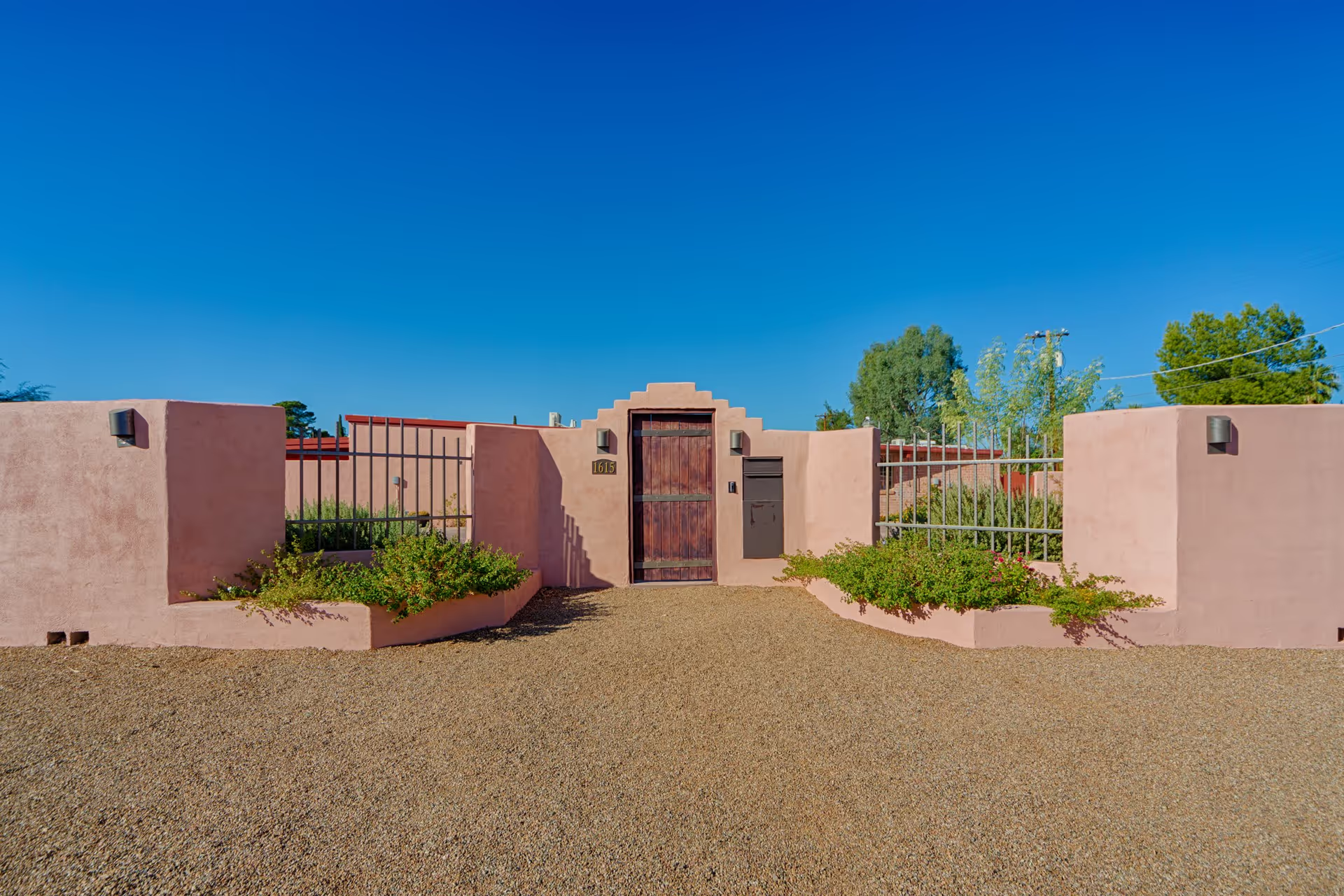
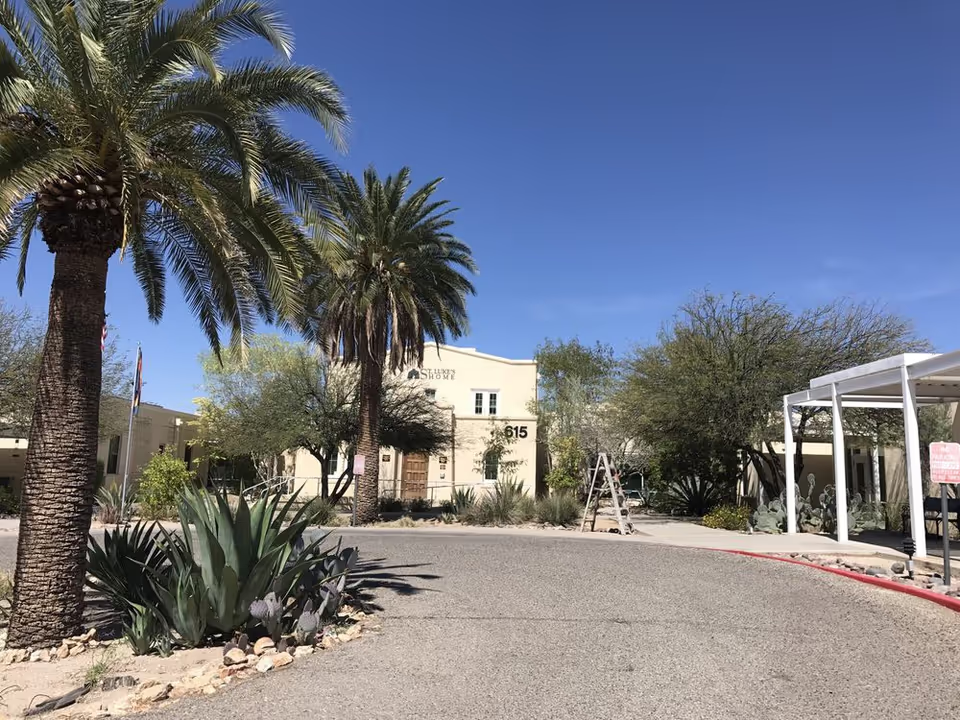
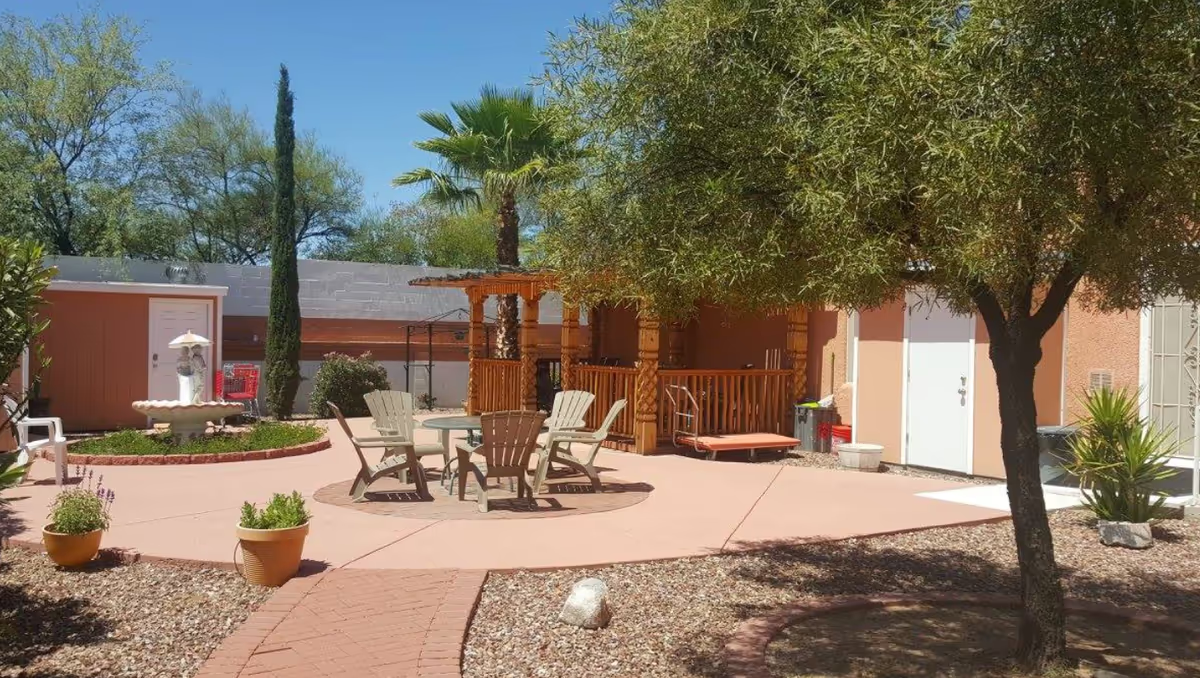
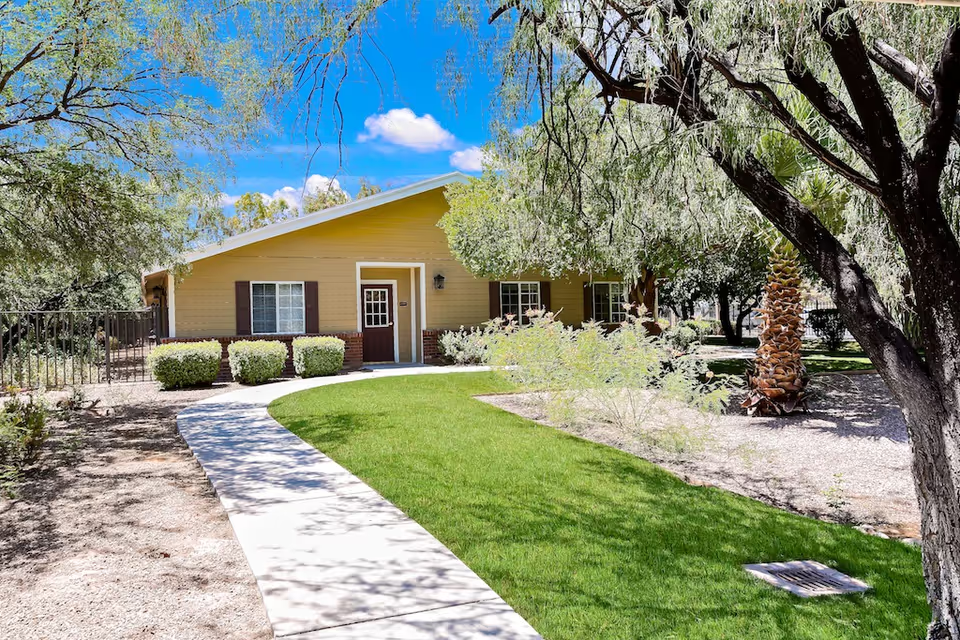
Facilities, maintenance, and safety: The physical plant is described as an older building with small, private rooms. Several reviewers cited cramped room dimensions, dated flooring, and fixtures such as bathroom doors that do not fully close. Maintenance deficits were also reported, including non-working outlets and exposed wiring—issues that present safety hazards and signal uneven upkeep. There are also sanitation and odor-management inconsistencies noted in both outdoor and indoor areas, suggesting variable housekeeping effectiveness.
Management, billing, and transparency: Management responsiveness is a theme. Some families felt management did not adequately address raised concerns. Financial practices were questioned: reviewers described disputes over placement fees and initial charges, with at least one account of a partial refund issued only after formal complaint. Overall, these descriptions suggest the facility may have opaque billing practices and inconsistent follow-through on family complaints.
Notable patterns and considerations for families: The pattern across reviews indicates strengths in staff friendliness and some clean areas, but recurrent operational weaknesses in medication and feeding management, communication (including language barriers), maintenance and safety, and billing transparency. Prospective residents and families should prioritize direct, specific questions about medication and enteral-feeding protocols, observe staffing language abilities during a visit, inspect room size and electrical safety, and request written policies on incident notification and billing/refund procedures before making placement decisions.