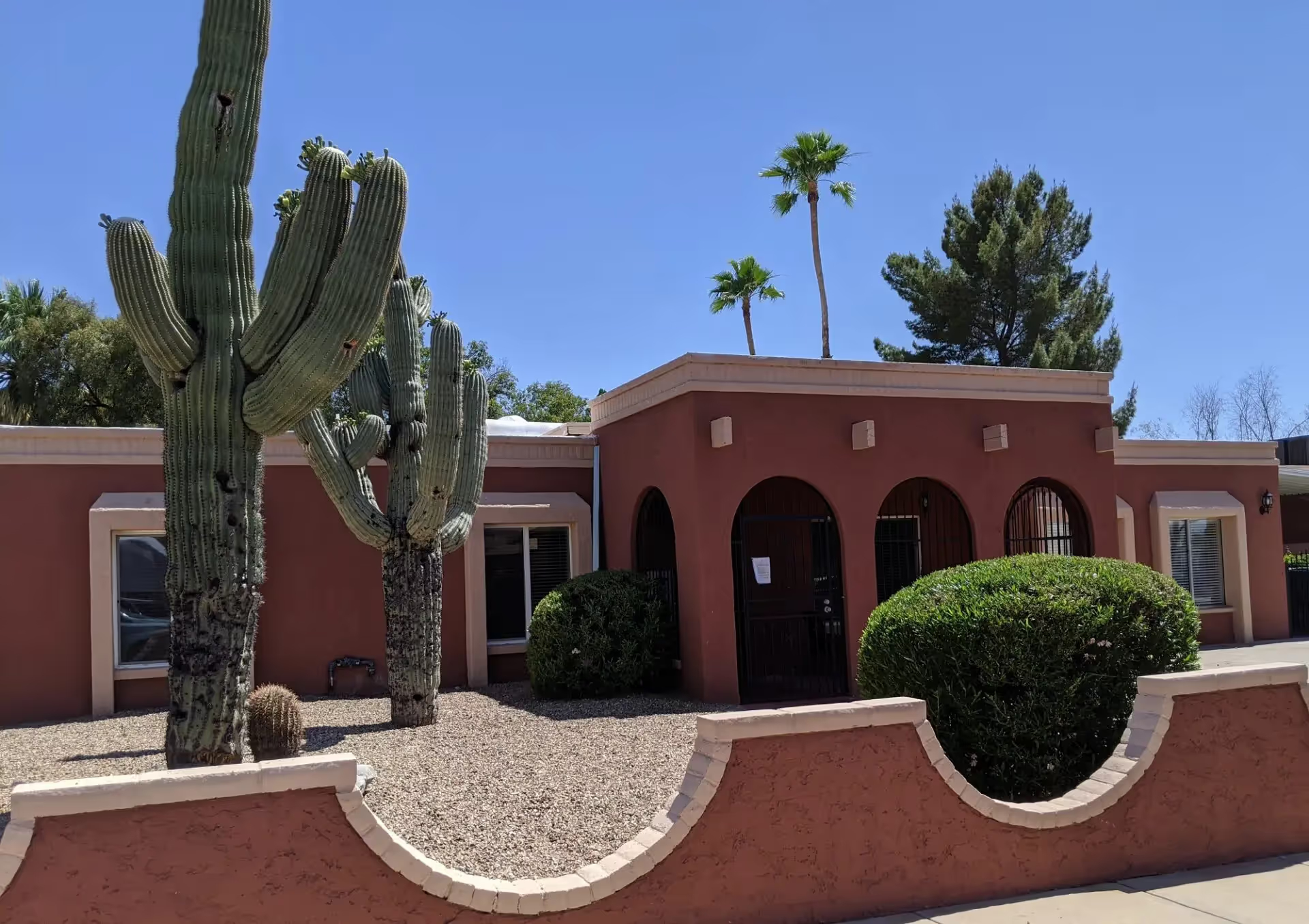
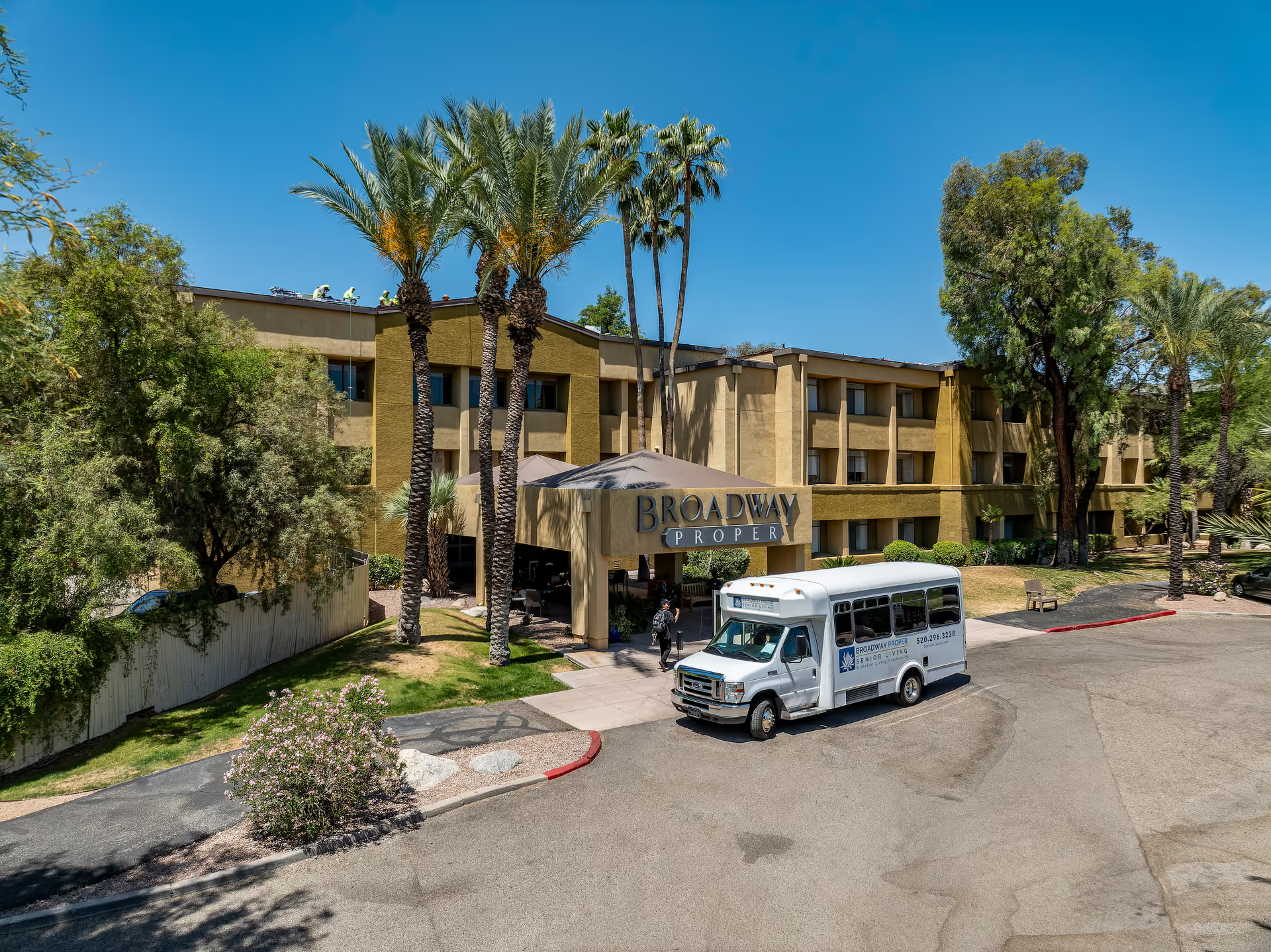
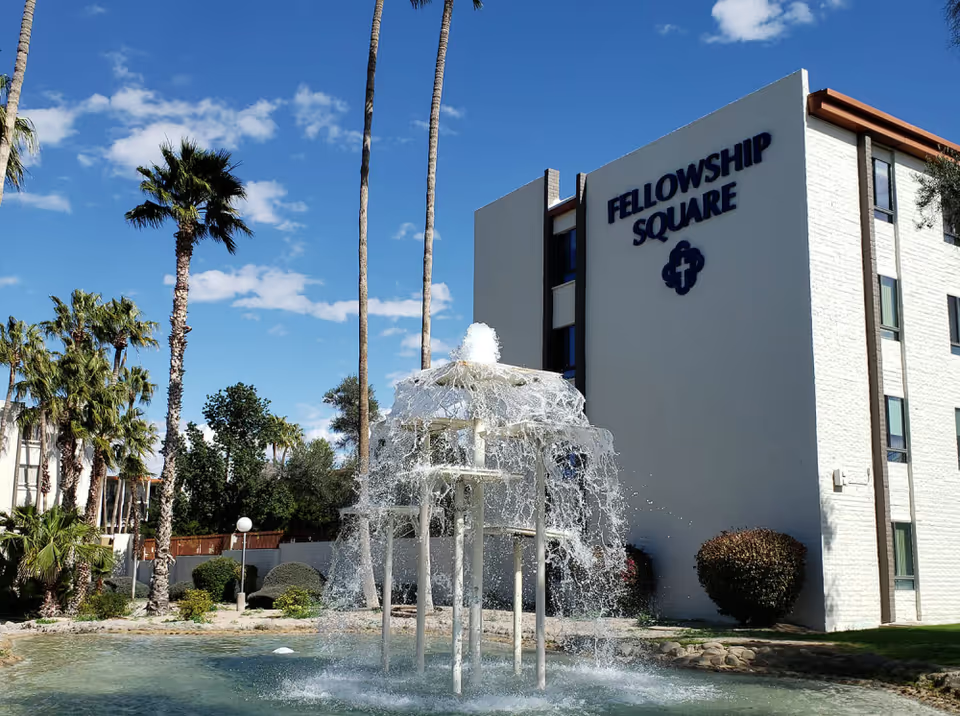
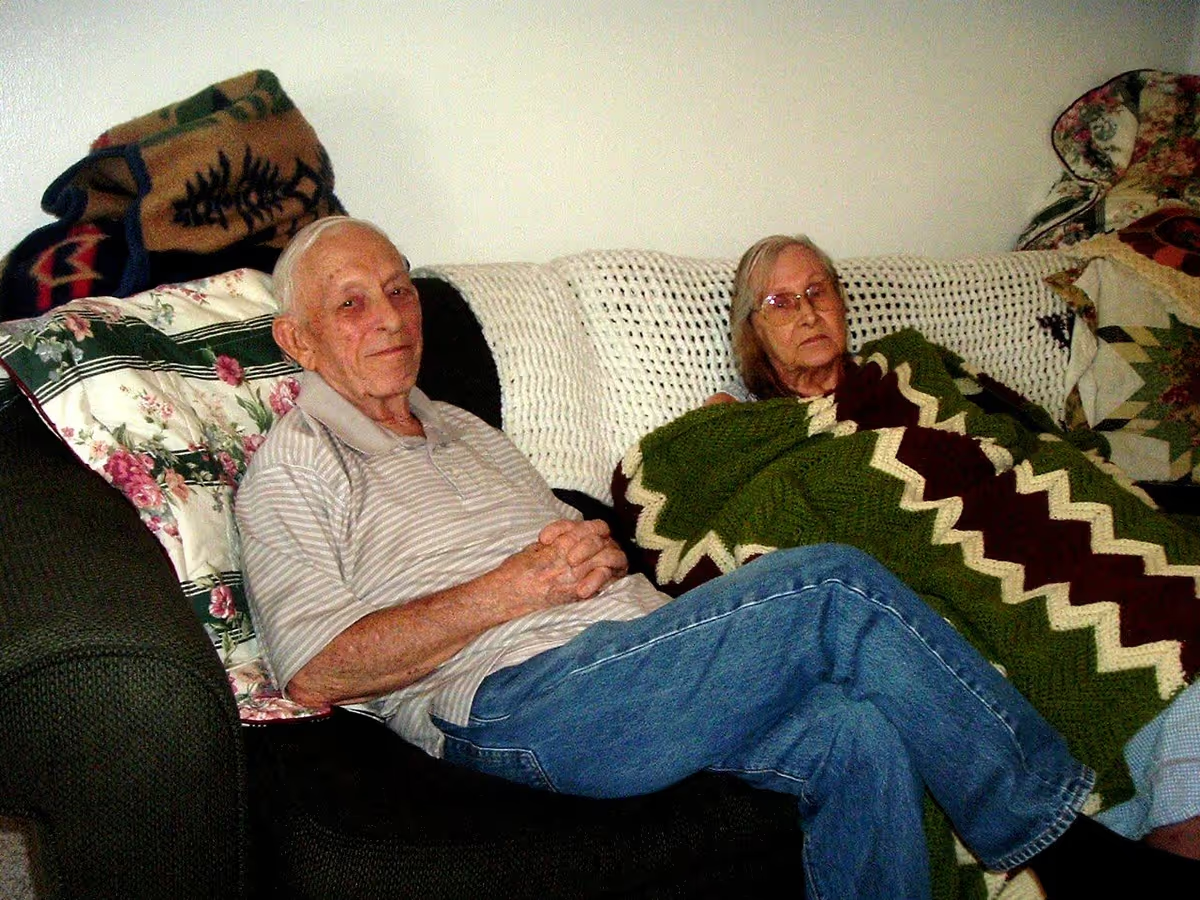
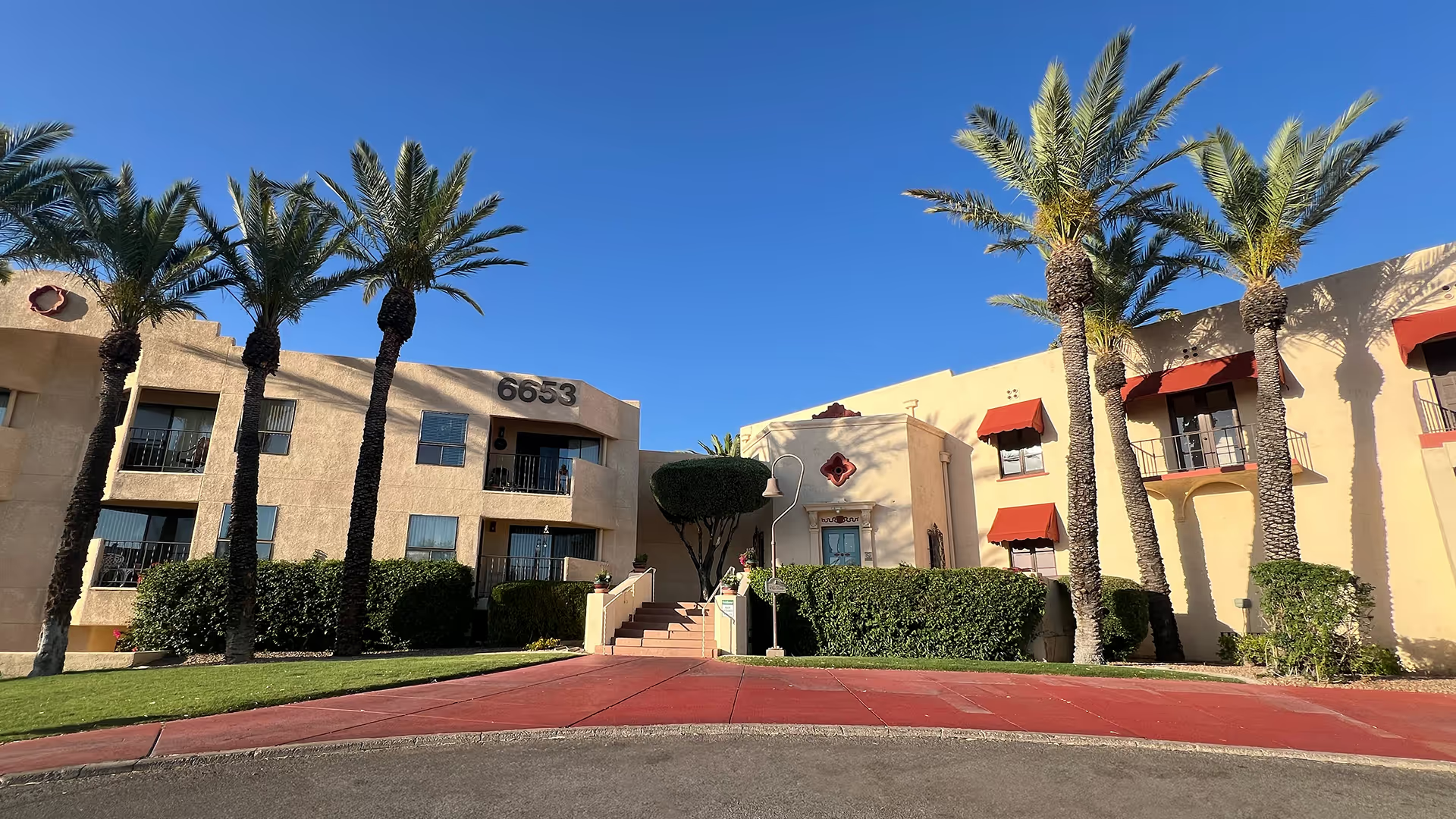
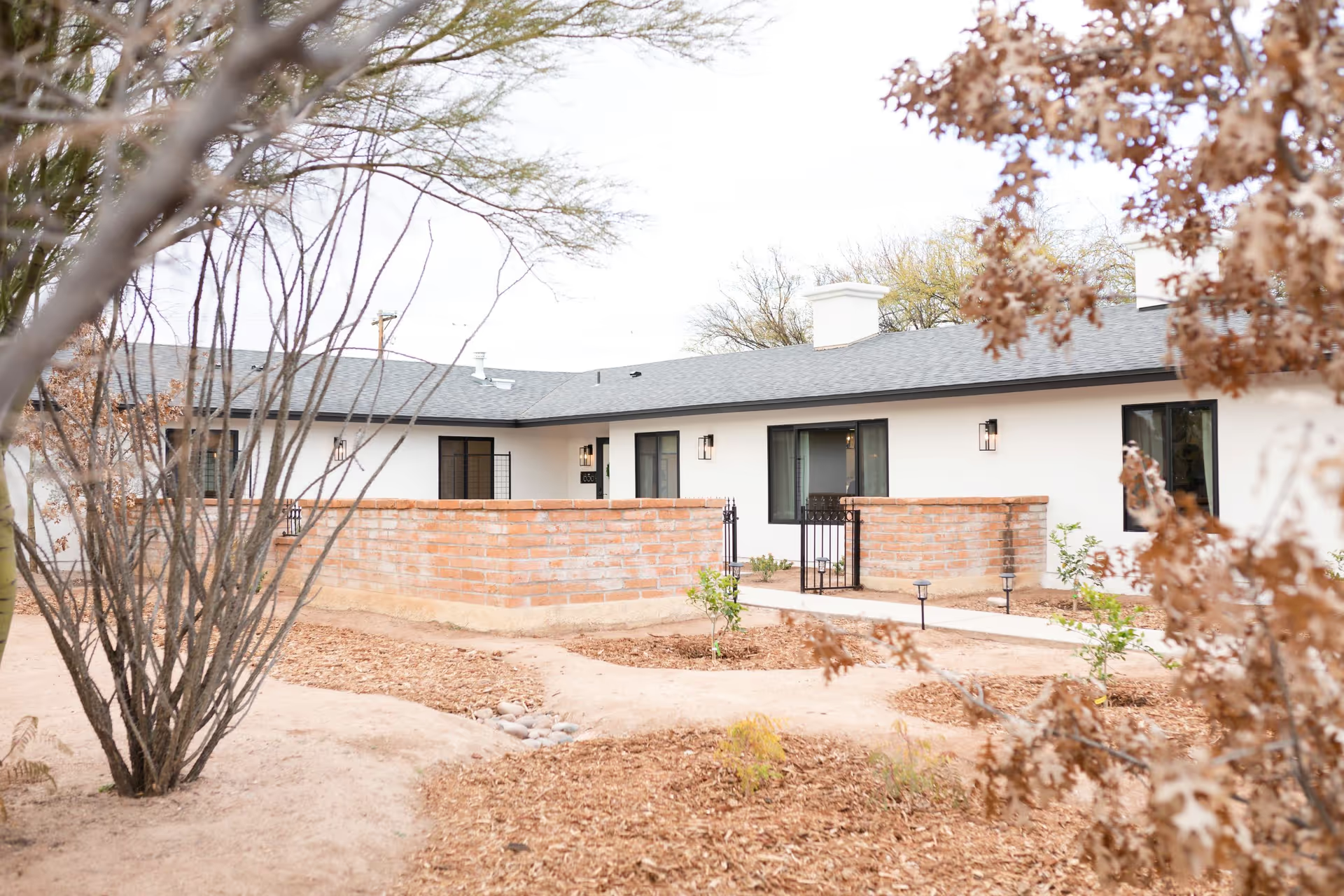
Aslan Assisted Living is frequently described as a small, private facility with an attractive hacienda-style appearance and well-kept grounds. Reviewers commonly highlight private rooms, clean and well-furnished interiors, and accessible outdoor spaces including a courtyard, gardens, and walking paths. The facility projects a home-like, family atmosphere driven by a relatively small census and an owner who is a nurse; many families cite certified caregivers and engaged leadership as core strengths.
Care and staff performance are overall portrayed positively. Numerous comments emphasize attentive, compassionate caregivers and organized supervision, with staff noted as professional, motivating, and current on CPR/First Aid skills. Several families described residents as physically and emotionally well cared for, and highlighted regular photo updates and direct communication from staff and ownership as reassuring. The facility also advertises and appears to provide 24-hour assistance and on-site access to medical services — physician coverage, labs, pharmacy coordination, and x-ray access — which families found convenient for ongoing clinical needs.
Dining and hospitality are strengths in many accounts: a dedicated cook or chef prepares fresh, home-style meals with alternative options offered, and reviewers frequently praise the food, housekeeping, and laundry services. That said, there are reports indicating variability in meal quality over time; prospective families may want to sample menus and ask about recent staffing or operational changes in the kitchen.
Activities and amenities receive favorable mentions. Reviewers note regular activities, organized outings, and on-site conveniences such as a hair salon (visible in promotional materials). The small size is repeatedly framed as enabling more personalized attention and timely assistance from specific staff members noted by name.
Notable patterns of concern center on operational consistency and communication in adverse situations. A subset of families raised concerns about intermittent staffing shortages (exacerbated during infection-control periods) that they felt affected continuity of care. Relatedly, a few reviewers noted gaps in clinical documentation and incident recording, including insufficiently documented injuries, and expressed dissatisfaction with how those incidents were handled by management. There are also comments indicating variability in management responsiveness when families raise disputes, and at least one mention of limited flexibility around billing or contract terms during a resident move-out.
For prospective residents and their families: the facility demonstrates clear strengths in atmosphere, daily caregiving, onsite medical convenience, and hospitality services, but it would be prudent to ask targeted questions about current staffing levels and ratios, documentation and incident-reporting practices, kitchen staffing continuity and recent menu samples, and contract/billing policies. Meeting the nurse-owner and primary caregiving staff, and requesting recent inspection reports or references from current families, can help assess whether the operational concerns described have been addressed.