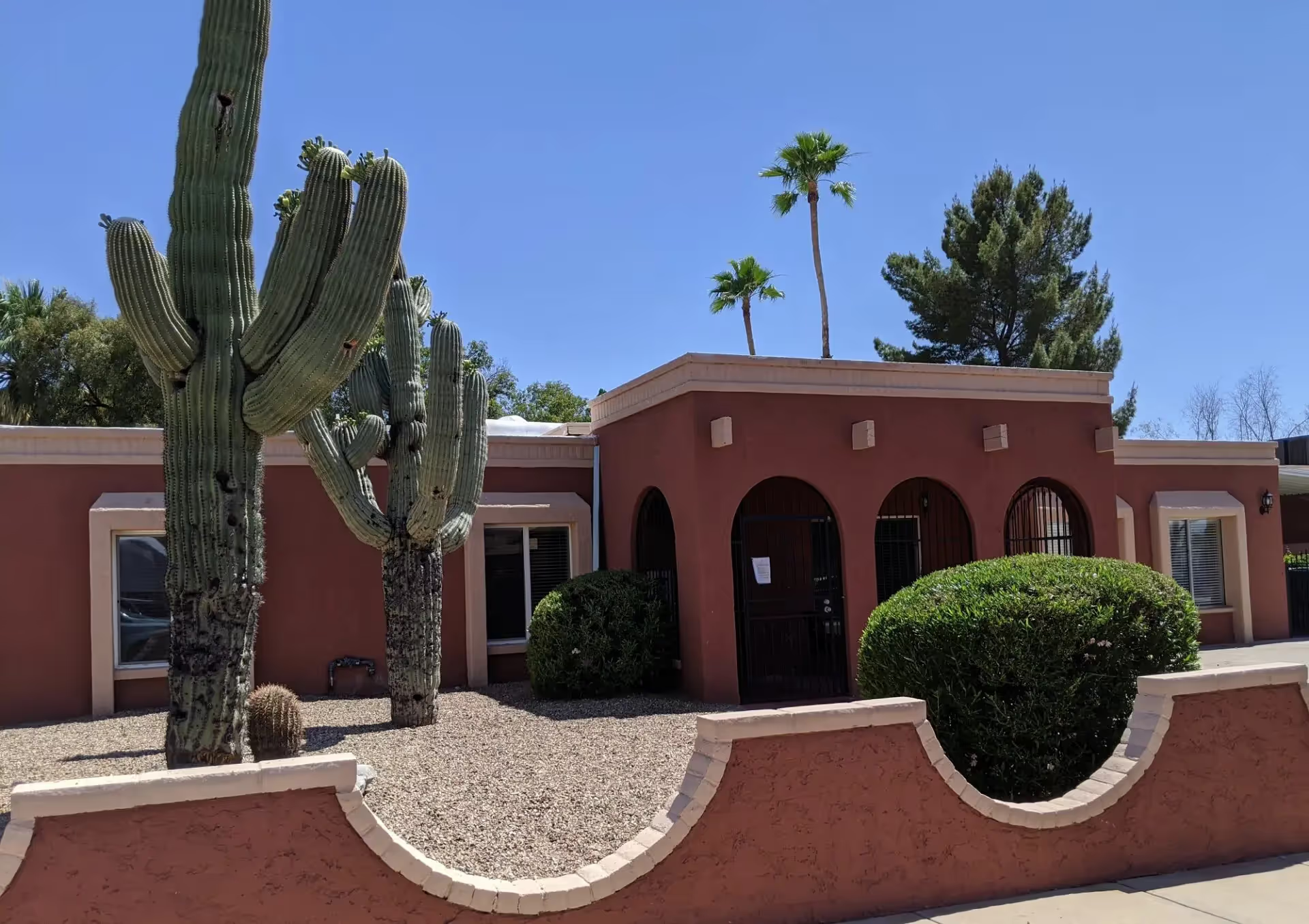
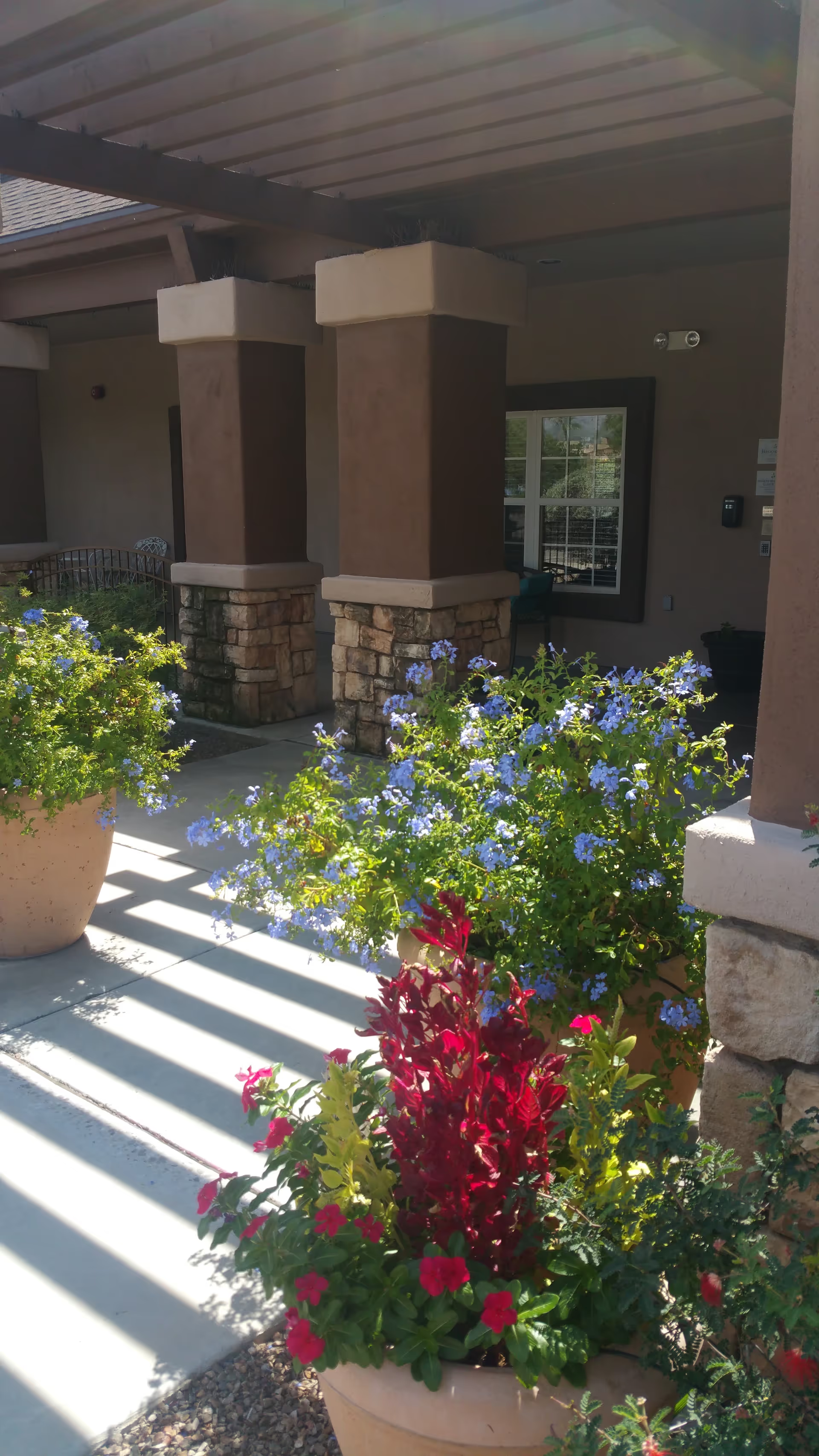
Desert Steppes I presents as a small, women-only memory-care home that emphasizes dementia-focused, owner-led care. The facility operates out of a historic, house-like building in a quiet neighborhood close to St. Joseph Carondelet. The setting is described as clean and orderly, with pleasant kitchen aromas and a shaded backyard; these elements combine to produce a generally well-kept, comfortable environment for residents.
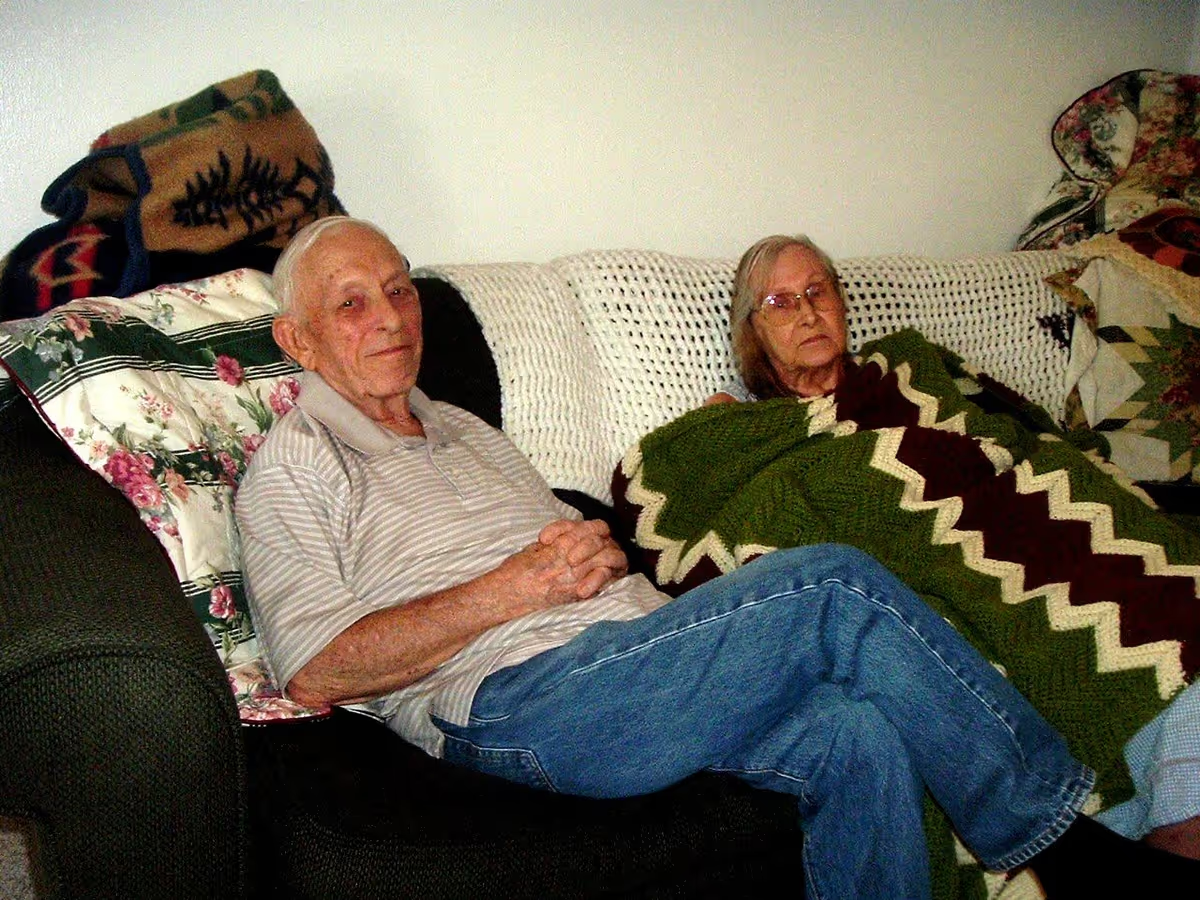
Care quality is cited as a strength. Staff are described as compassionate, patient, and respectful of residents' dignity, and the home maintains a low caregiver-to-resident ratio. Leadership has explicit dementia expertise and has developed staff-training materials that are used beyond the site; families also noted the facility's ability to coordinate end-of-life transitions with hospice. At the same time, staffing is described as rotating, which can affect continuity of caregivers and familiarity for residents — a consideration for families who prioritize a stable primary caregiver relationship.
Dining and activity offerings appear robust for a small home. Reviewers noted appealing meal aromas and a broad activities program that includes music therapy and frequent engagement opportunities. The programmatic focus appears designed to meet the social and cognitive needs of a memory-care population rather than to match the breadth of services found at larger assisted-living communities.
The physical plant reflects the trade-offs of a small, residential setting. Rooms are a mix of shared (mostly two-person) and a limited number of private accommodations; beds and furnishings are described as medically functional. The grounds are well maintained, but some visitors perceived the interior as somewhat clinical or hospital-like rather than deeply homelike. Prospective residents and families should weigh preferences for privacy, room type, and atmosphere when evaluating fit.
Management is a clear organizing influence: owner involvement and dementia specialization are strengths that shape training and care approaches. The facility's small scale, focused mission, and higher-acuity resident mix create important patterns — a close-knit, clinically capable environment that may not offer the breadth of ancillary services available at larger campuses. Families assessing Desert Steppes I should consider rooming needs, the importance of caregiver continuity, and whether a small, dementia-centered community aligns with the prospective resident's clinical and social needs.