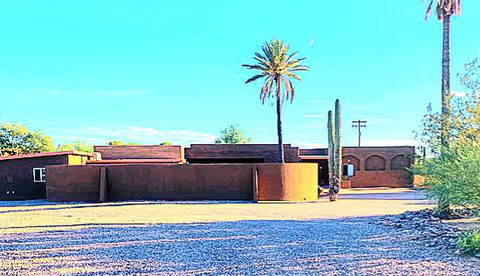
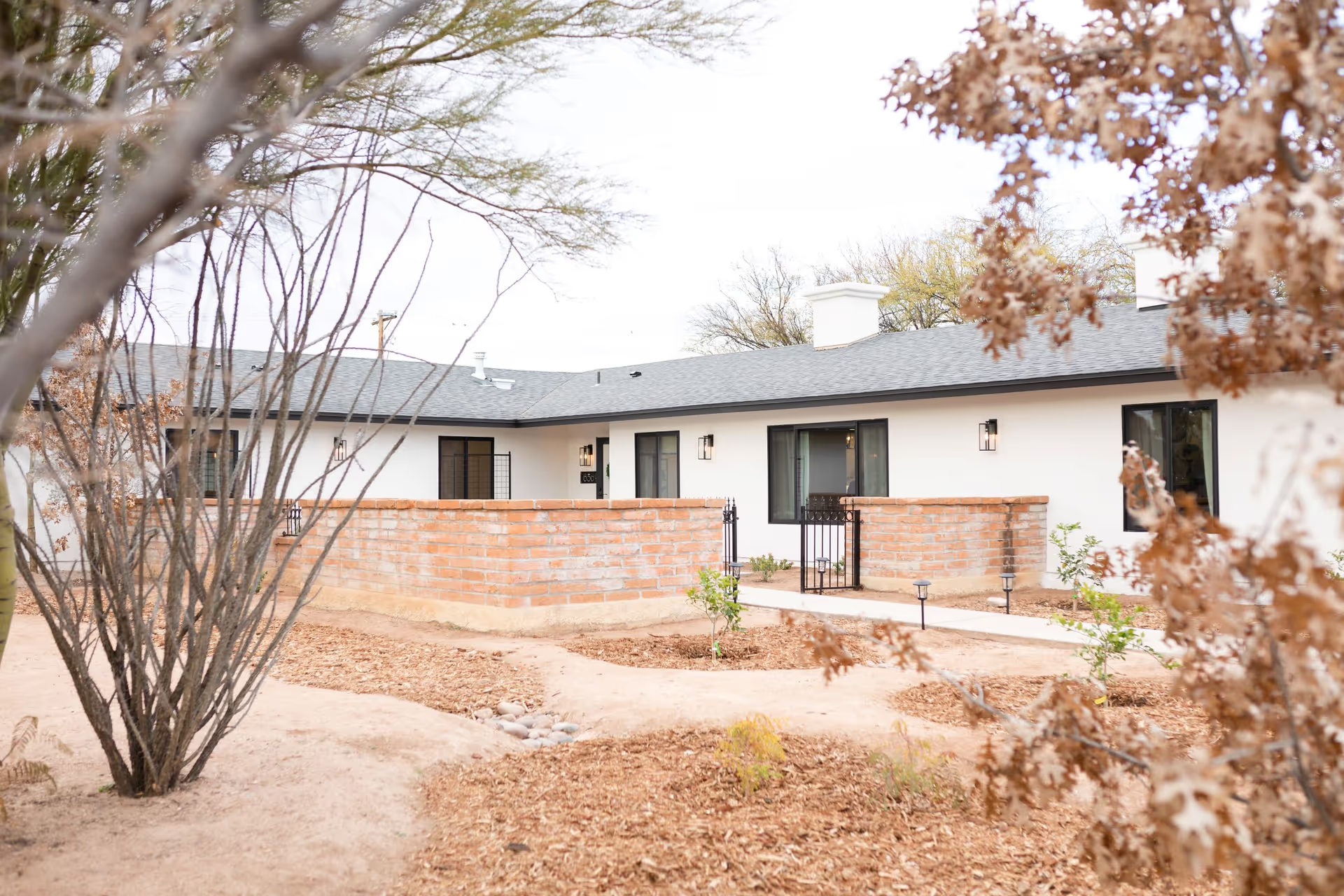
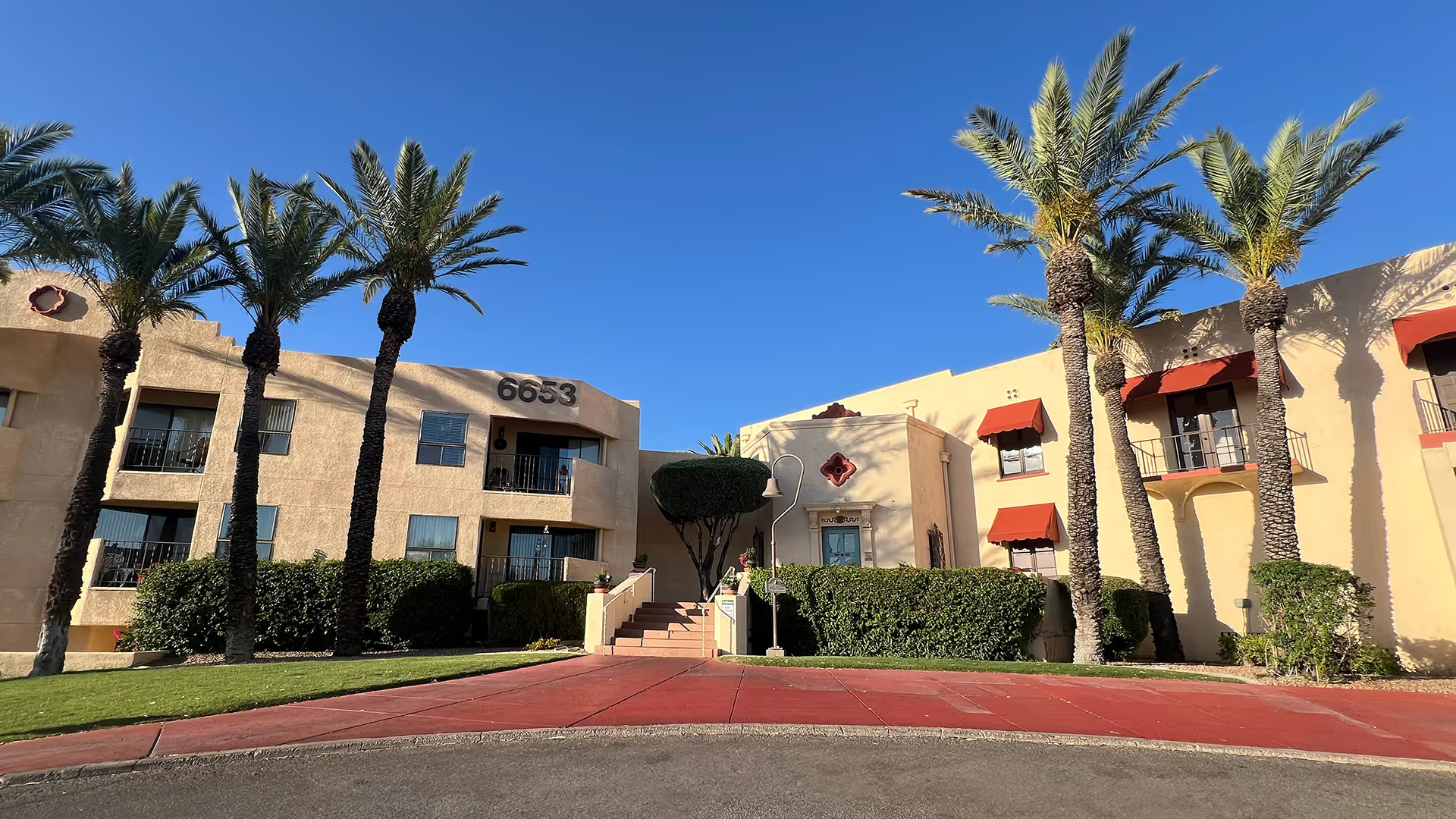
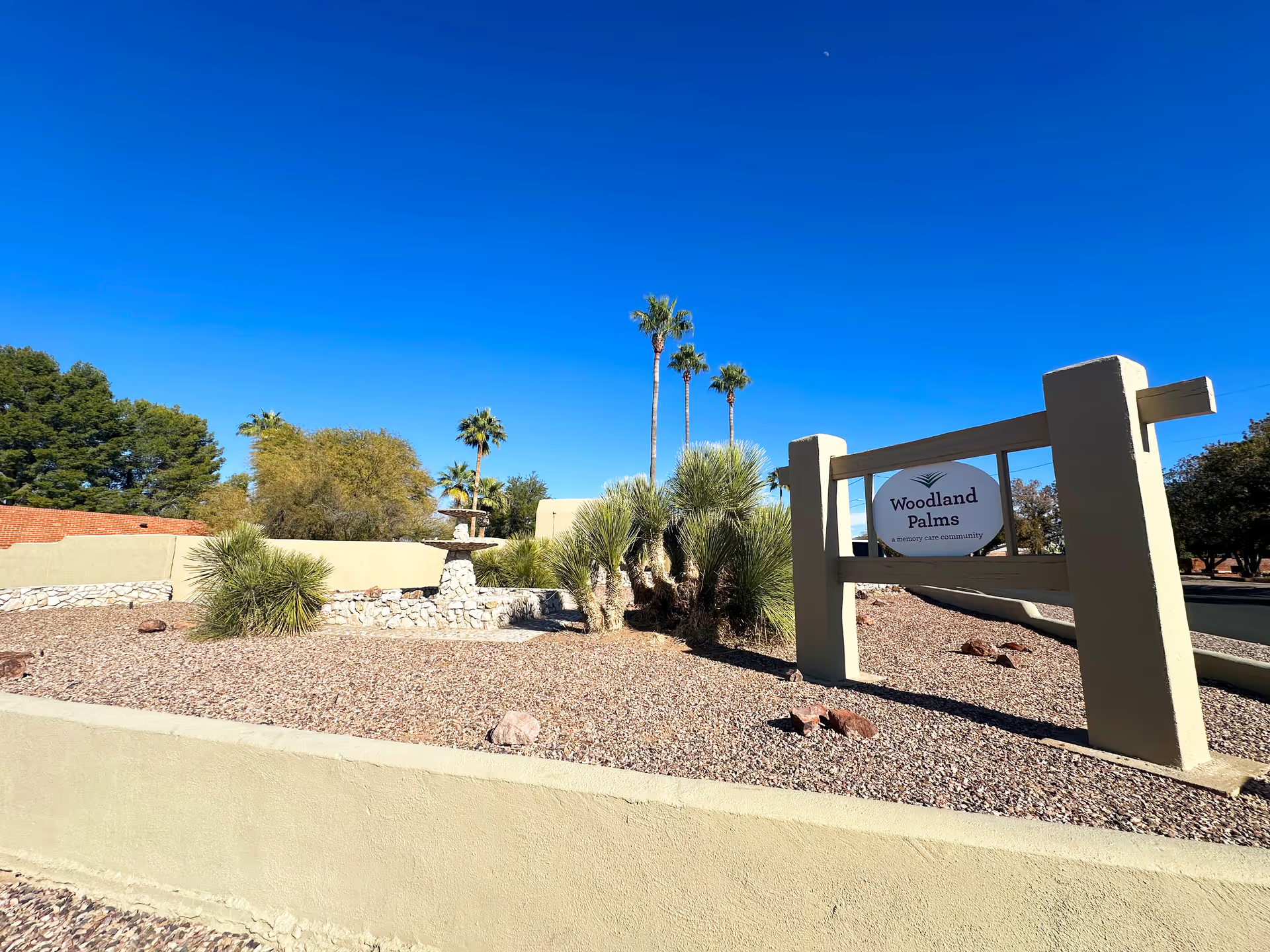
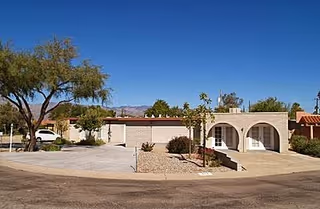
Heavenly Assisted Living presents as a small, family-run residence with strengths typical of a home-like model: a compact population (around ten residents), private rooms, pet-friendly policies, an attractive backyard, and communal spaces that support social interaction (piano, games, movies, large dining table). Several accounts emphasize compassionate, knowledgeable caregivers with training in memory care, one-on-one monitoring, and active efforts to engage families through holiday invitations and opportunities for visits from grandchildren. Visiting clinical services such as nurses and dietitians are noted, and many commenters described attentive personal touches like grooming and pampering.
Care quality appears to be mixed but follows a clear pattern. Positive descriptions highlight individualized attention, dementia-aware caregiving, and a caring staff culture. Conversely, other accounts point to operational weaknesses that can affect day-to-day care: limited staff coverage, inconsistent personal-care routines (for example, bathing and grooming schedules), and concerns about responsiveness to family requests. The facility's small size amplifies both types of experiences—residents can receive close, personalized attention when staffing and organization are functioning well, but limited staffing depth can make the setting vulnerable to service variability.
Dining and household operations show similar variability. Some reviewers praise the food and describe spotless homes and monitored meals with dietician involvement. Others describe inconsistent meal quality, reliance on frozen items rather than freshly prepared meals, and interruptions in meal-service continuity. Housekeeping and sanitation are another area of divergence: several accounts describe clean, pleasantly decorated interiors without offensive odors, while others raise sanitation concerns and note pest-control issues in resident areas. These differences suggest uneven standards of upkeep or variability across units or time periods.
Activities and programming are modest compared with larger assisted-living communities. Occasional get-togethers, music, and shared dining are strengths, but ongoing structured activity programming appears limited or intermittent. For prospective residents who prioritize a robust activity roster, this smaller facility may not match larger providers. At the same time, families seeking a quieter, more domestic environment may view the limited programming as acceptable or even preferable.
Management and organizational practices are an important theme. Positive reports describe informative, caring staff; negative reports describe lapses in organization, staff impoliteness, and communication breakdowns with families. Additionally, there are references to secure or lockdown-style arrangements intended for dementia safety—this indicates a focus on secure memory-care practices but also raises considerations about resident autonomy and visitation logistics.
Overall, Heavenly Assisted Living offers clear strengths typical of a small, family-operated memory-care residence: personalized attention, a homelike setting, pet-friendly policies, and clinical oversight. Prospective families should weigh those benefits against documented operational variability: sanitation and pest-control consistency, meal preparation standards, staffing levels, and the facility's capacity to sustain organized activity programming. An in-person visit focusing on housekeeping standards, meal preparation, staffing patterns at different times of day, and the facility’s approach to secured memory-care spaces would help determine fit for a specific resident.