Overall impression: Reviews describe a facility that offers a valued small-house, family-style living option with many strong elements — notably a caring direct-care workforce in some households, home-cooked meals, active programming, and private accommodations — while also exhibiting operational variability between houses. Many families praise the community atmosphere, individualized meal service, and engaged activities staff. At the same time, recurring operational weaknesses create inconsistent experiences for residents and families.
Care quality and clinical concerns: Positive accounts emphasize attentive caregiving, good medication oversight in some units, and appropriate hospice and dementia support. However, there are important recurring clinical concerns: inconsistent medication administration practices, delays in monitoring or responding to changes in residents' condition, and uneven follow-through on personal-care schedules. These gaps have, in reviews, manifested as missed medications, delayed or inconsistent bathing and toileting assistance, and delayed recognition of clinical events. Several comments indicate that outcomes depend heavily on the staffing and supervision available in a particular house.
Staffing and staff conduct: Staffing levels and turnover are a prominent theme. Some households are described as well-staffed with steady caregivers and a supportive manager; others report single-staff coverage, rotating personnel, and frequent turnover that strains care continuity. There are also isolated concerns about staff conduct and boundary management (teasing, children in resident spaces, inconsistent visitor handling). Families note that house managers can be highly supportive in some cases, but communication gaps and limited accountability at the organizational level undermine consistency.
Dining and activities: Dining is one of the facility's strengths where it is executed consistently: many reviewers note fresh, dietitian-informed, home-style meals served family-style and opportunities for personalization. Conversely, other accounts describe bland meals, deviations from posted menus, or inconsistent meal service until improvements were made. Activities programming receives generally positive feedback — movies, crafts, exercise, group games and social events — and the smaller-house model often allows residents to participate in communal dining and events rather than being isolated.
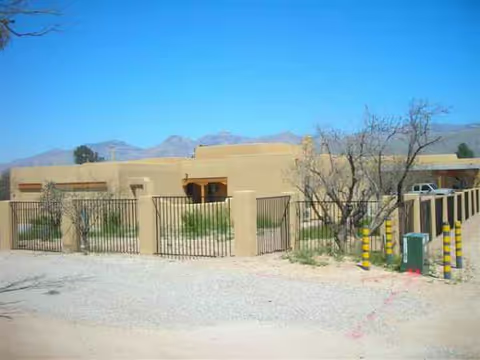
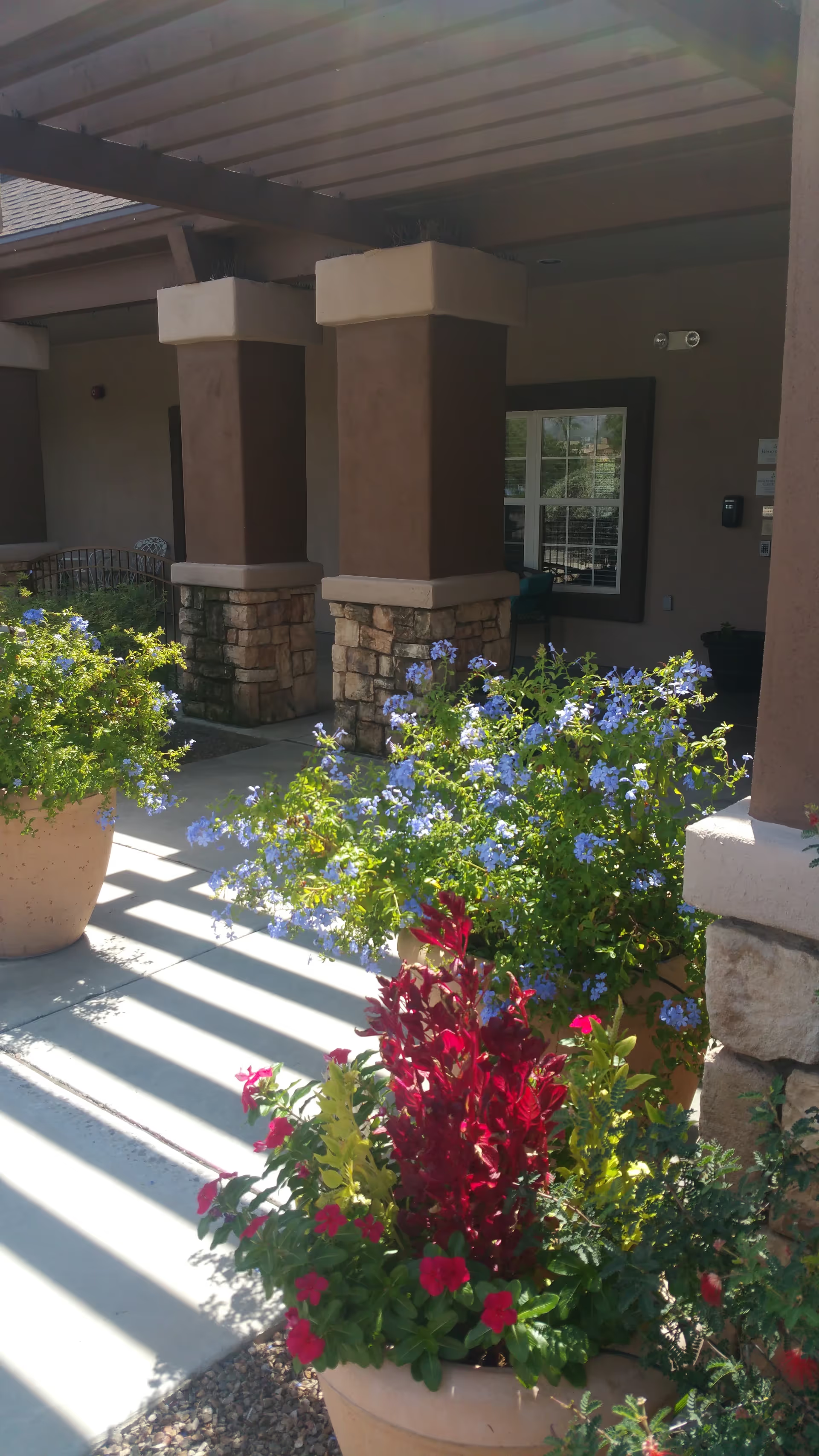
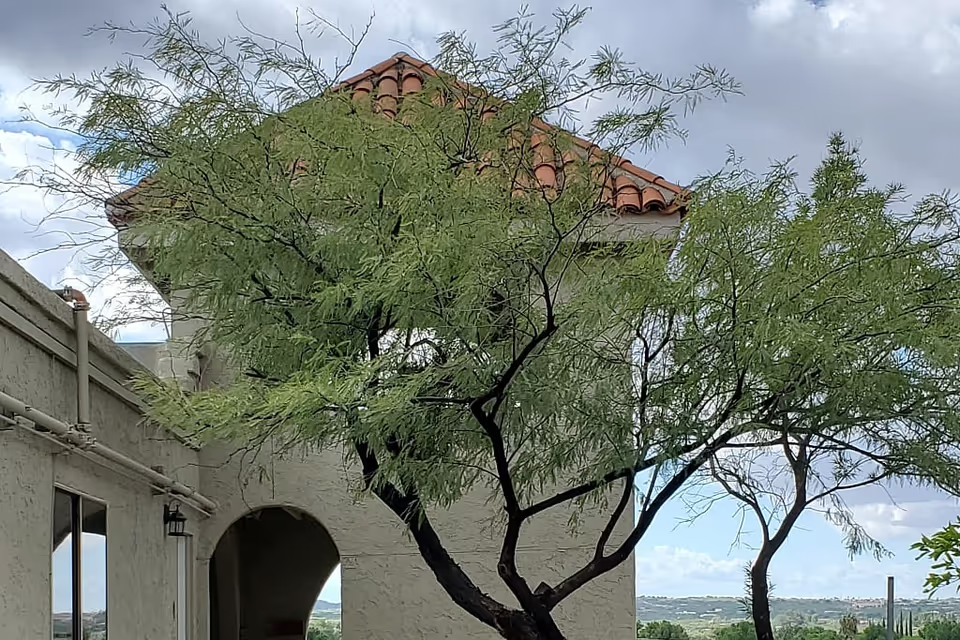
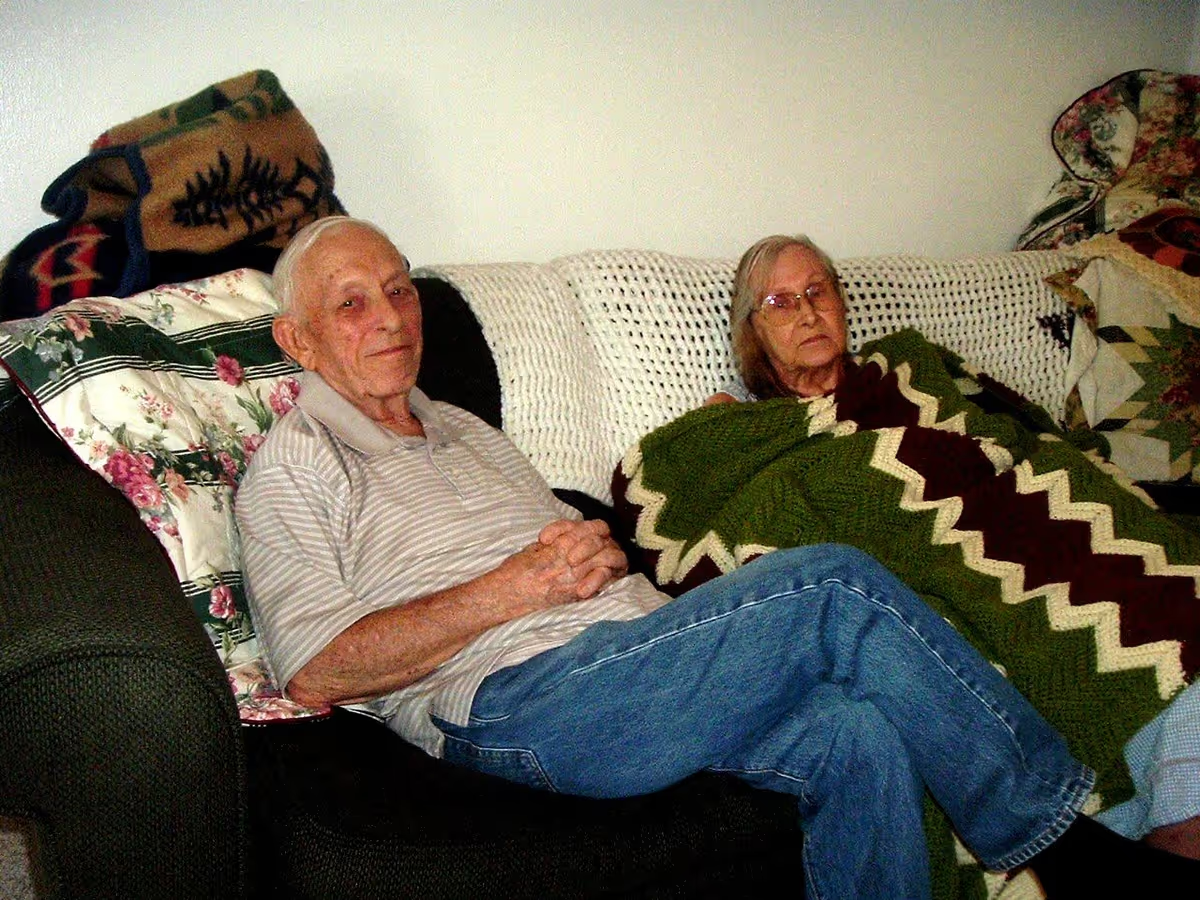
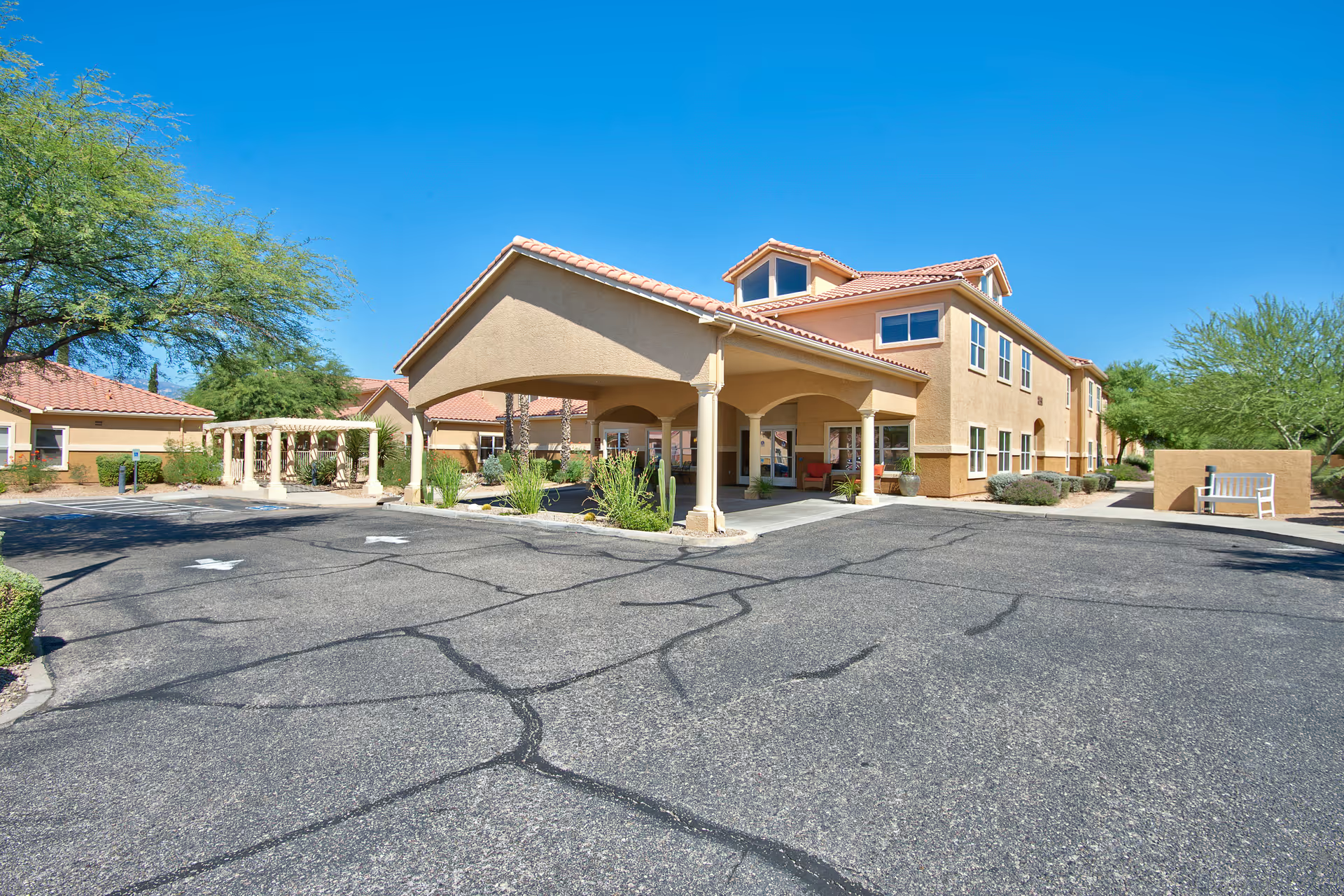
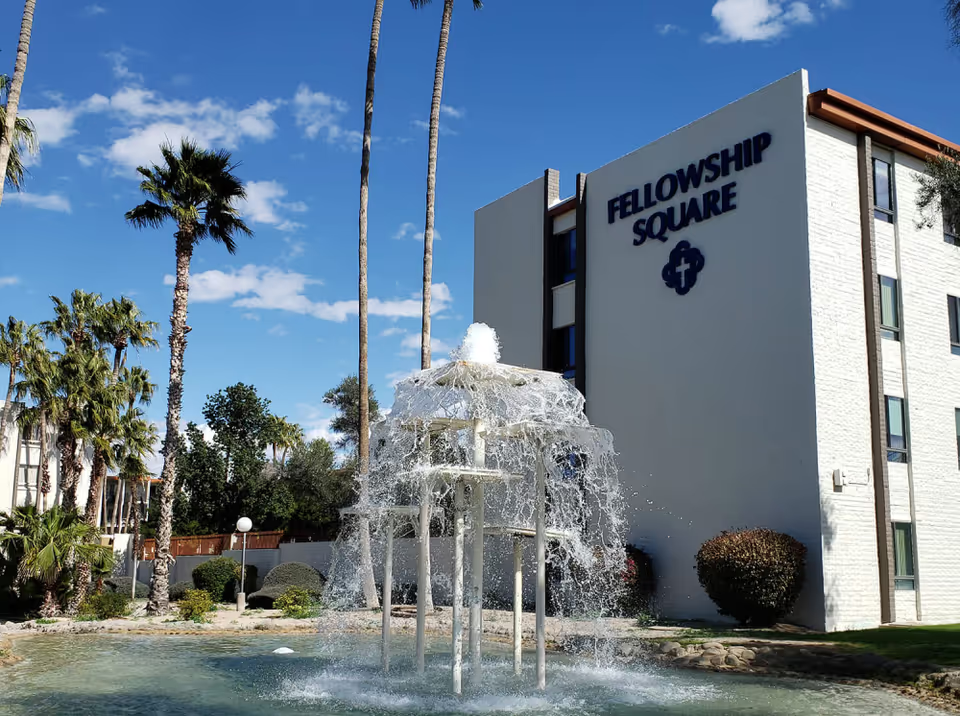
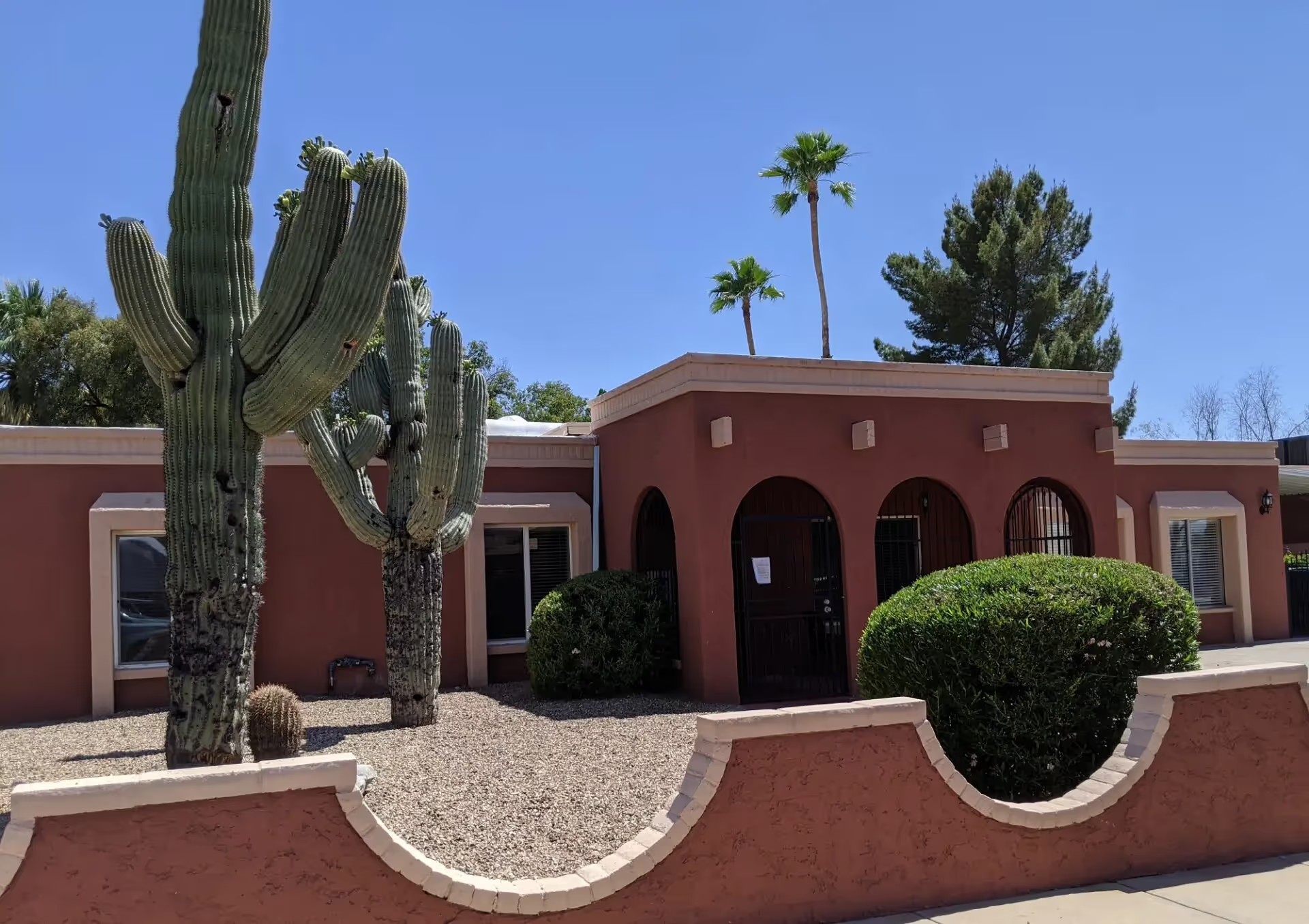
Facilities and housekeeping: The physical environment is frequently described as home-like, tidy, and well maintained with private rooms and baths in many units. Contrasting reports cite sanitation and housekeeping inconsistencies — areas where cleaning and incontinence-care attention appeared insufficient in particular houses. Other operational concerns include lost personal items or laundry and occasional temperature control issues in dining areas. Safety features such as locked settings and small-group layouts are noted positively.
Management, compliance, and notable patterns: Reviewers identify variable management performance across houses: some managers are described as proactive and communicative, while organizational-level issues include communication breakdowns, accountability gaps, and noted regulatory shortcomings in a minority of accounts. Health department citations and missing documentation or training certifications were cited in reviews as evidence of compliance gaps. A clear pattern is variability — positive experiences are often tied to specific house leadership and stable staffing, whereas negative experiences cluster where staffing, supervision, or administrative follow-through are weak.
Practical takeaway for families: Prospective residents and families should weigh the facility's strong small-house, community-oriented model and robust activities programming against operational variability. When evaluating placement, ask about current staffing ratios for the specific house, medication-administration protocols, cleaning and personal-care schedules, recent regulatory inspections and staffing/training records, visitor policies, and how the facility tracks personal belongings and laundry. Direct observation of a particular house and conversations with that house manager are likely to give the clearest indication of the expected day-to-day experience.