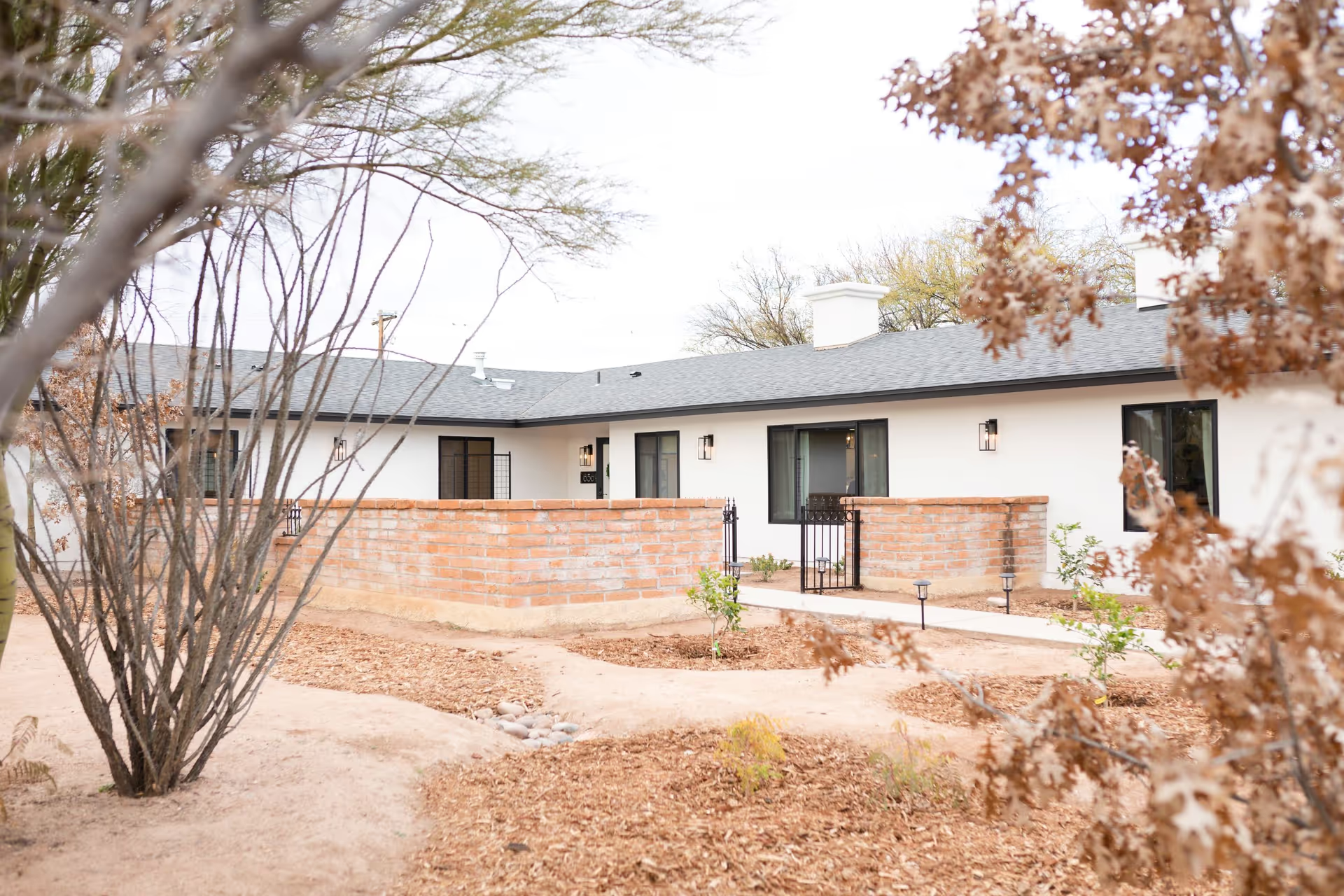
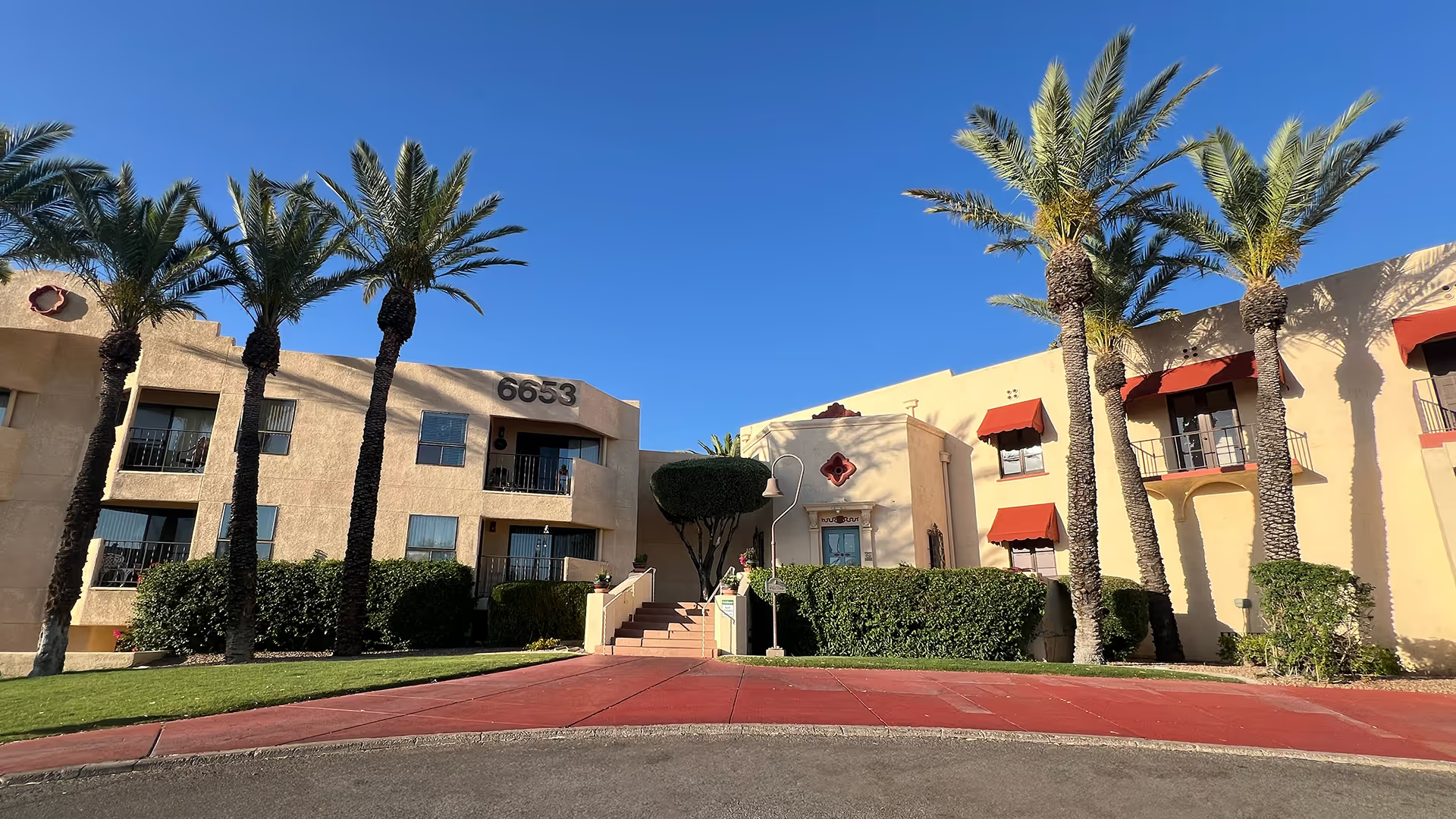
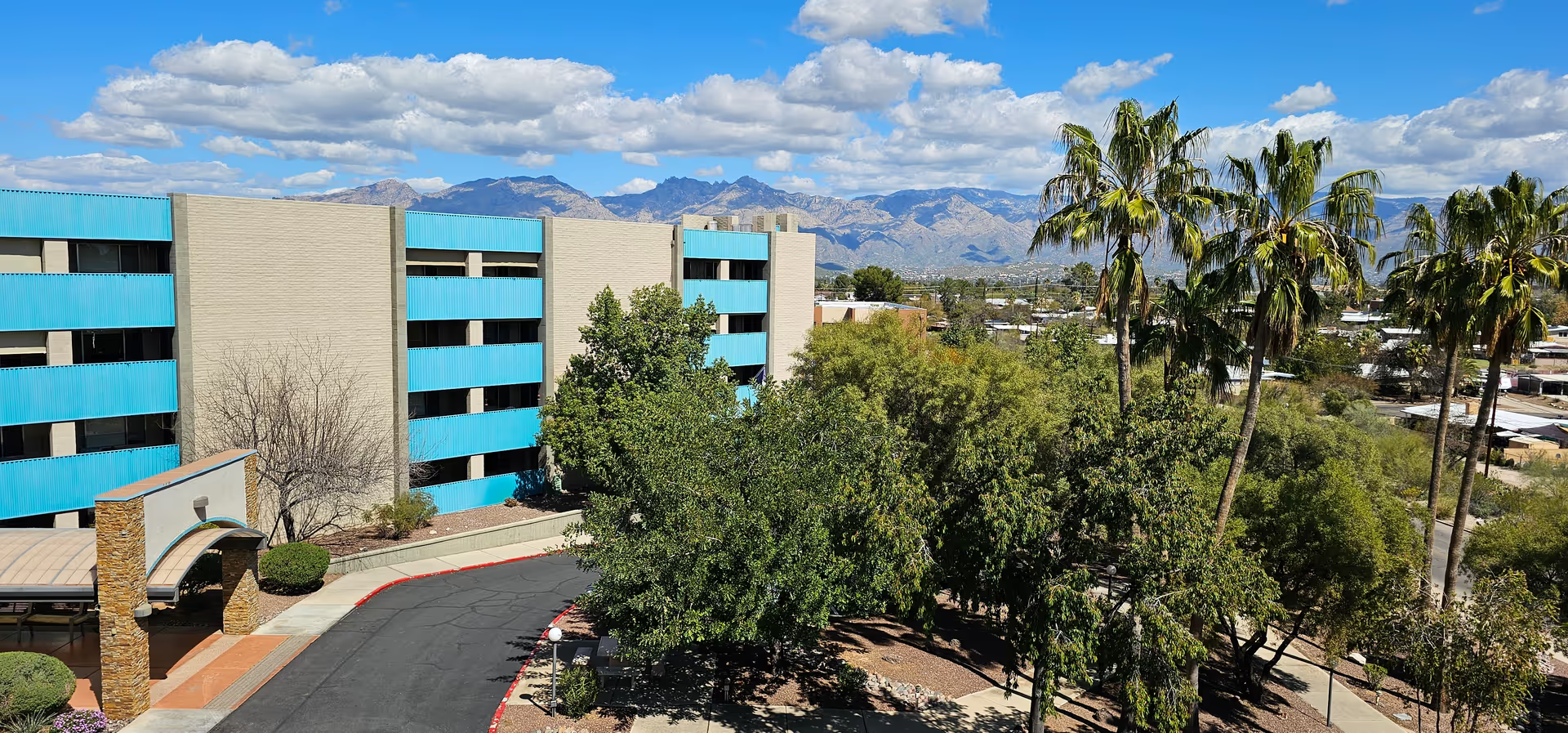
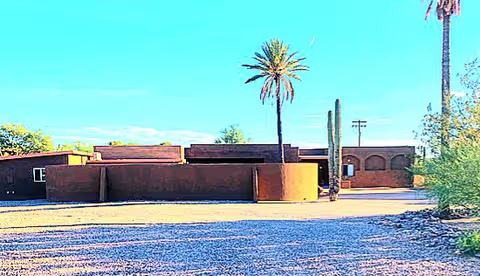
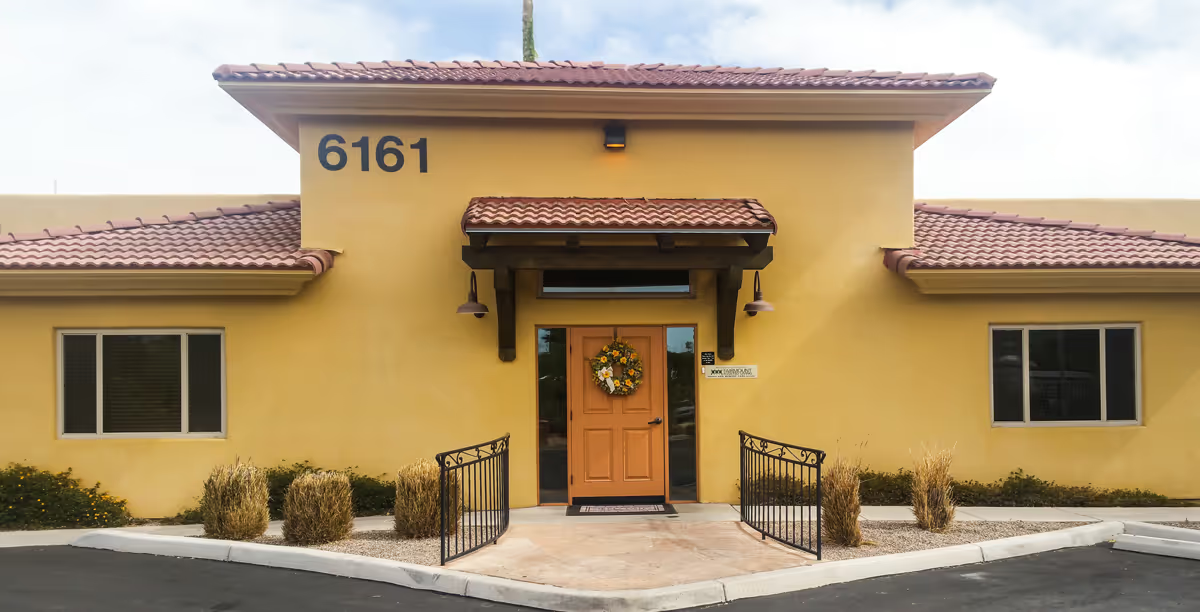
Overall sentiment across the reviews is mixed but leans positive about the interpersonal care and the facility environment while highlighting recurring operational and clinical concerns. Reviewers consistently praise the physical environment — describing Shepherd Hills as a beautiful, spacious, fresh-smelling building with a home-like, family atmosphere driven by a small resident population. Several commenters emphasized that the smaller scale creates a close-knit feeling, and family and friends are welcomed. Cost comparisons to a nearby facility (Cascades) generally favor Shepherd Hills (lower price), and reviewers noted practical benefits such as community kitchen access and personal touches like nail painting and readily available snacks.
Care quality and staff performance are frequently cited as strengths. Multiple reviewers used words like caring, friendly, wonderful, and respectful to describe caregivers. There are examples of good clinical responsiveness — most notably prompt detection and treatment of a urinary tract infection — and family members reported being kept informed about care. These positive interactions contribute to strong personal relationships between staff, residents, and families, reinforcing the family-like atmosphere that many appreciated.
However, important operational and clinical weaknesses appear repeatedly and should not be overlooked. Meal quality and nutrition emerged as a significant concern in multiple summaries: some residents reported poor meals (examples given: turkey sandwiches and chips), limited variety, a lack of fresh vegetables or fruit, and meals served frozen. These issues point to both quality and menu-planning problems that could affect resident satisfaction and nutrition. Bedding and comfort are another area of concern: beds were described as uncomfortable and lacking automatic adjustment, which is an important feature for many senior residents.
Staffing and communication weaknesses also recur. Several reviews mention limited staffing levels on shifts (sometimes only one staff member), which raises concerns about responsiveness, safety, and ability to provide consistent care. Language barriers were noted — some caregivers do not speak English — which can compromise communication with residents and families and possibly affect care quality. Documentation and clinical oversight were also questioned: one summary noted that an RN care plan was not provided, suggesting gaps in formalized care planning or recordkeeping.
Accessibility and environmental concerns are present but mixed: the facility was praised for being accommodating to power wheelchairs during tours, yet reviewers also reported insufficient bathroom space for wheelchair maneuvering, which is a notable safety and accessibility issue. An unusual but important concern raised was the presence of a cat on the premises that may trigger allergies among residents or visitors.
Management and reliability issues were also mentioned. One reviewer reported broken promises by the owner, indicating potential problems with follow-through, transparency, or expectations management. While many day-to-day interactions with staff were positive, this comment suggests that at the administrative level there may be inconsistencies or reliability problems that could undermine trust.
In summary, Shepherd Hills is viewed positively for its environment, small-community feel, and compassionate caregivers, and it offers some tangible advantages such as lower cost than an alternative facility and quick clinical responsiveness in specific cases. However, there are consistent and actionable concerns that prospective residents and families should investigate further: meal quality and nutrition, staffing levels, language barriers, bed comfort and equipment, accessible bathroom space, allergy considerations related to pets, and documentation of care plans. If management addresses these operational gaps — especially nutrition, staffing, and formal care planning — the facility’s strong interpersonal care and pleasant physical setting could translate into reliably high overall quality of care.