Overall impression: The Homestead on 18th is described predominantly as a small, home-style assisted living setting with a consistently warm atmosphere, attentive caregivers, and well-maintained grounds. Many accounts highlight a sense of comfort and safety, supported by engaged owners and a staffing model that enables individualized attention. Families repeatedly note proactive communication about health issues and a partnership with hospice services for end-of-life care.
Care and staff: Reviews emphasize compassionate, respectful interactions and a high staff-to-resident ratio that permits personalized care. Staff responsiveness, involvement of owners in daily operations, and examples of clinical needs being addressed are common positive themes. However, a subset of accounts indicates variability in caregiver conduct and care delivery; these characterizations suggest uneven performance across aides and occasional lapses in how care is provided. Prospective families should inquire about staffing consistency, staff training, and supervision practices during a tour.
Dining and activities: Dining is frequently described as home-cooked and appealing, with several notes about fresh, flavorful meals and a pleasant dining environment. Activities are characterized as varied and meaningful, including live entertainment and opportunities for family involvement. Residents are described as engaged, and the programmatic emphasis appears to support social and recreational needs. That said, there is unevenness in how comprehensively programming and meal details are communicated to families, so asking for a weekly activities menu and sample menu is advisable.
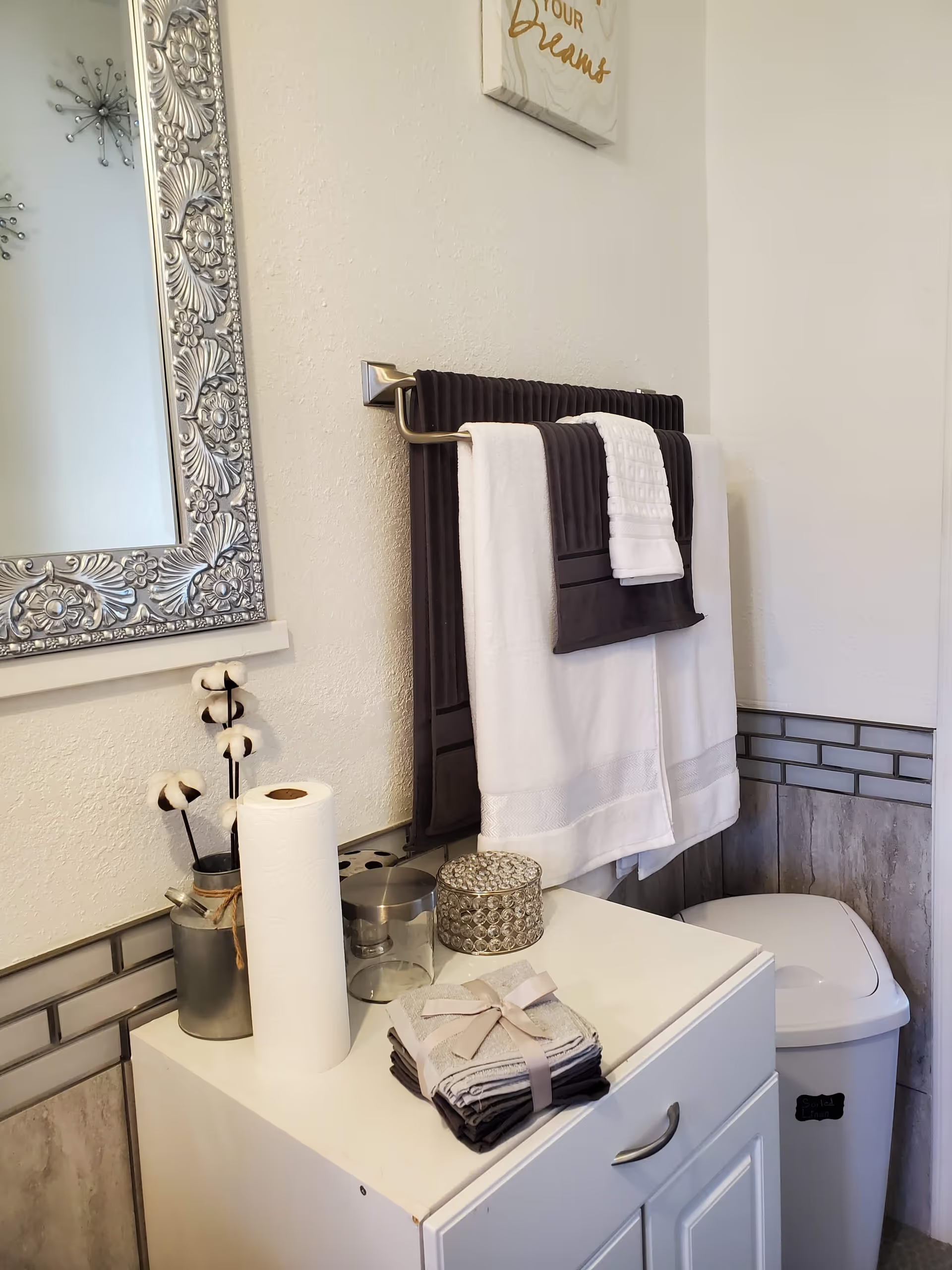
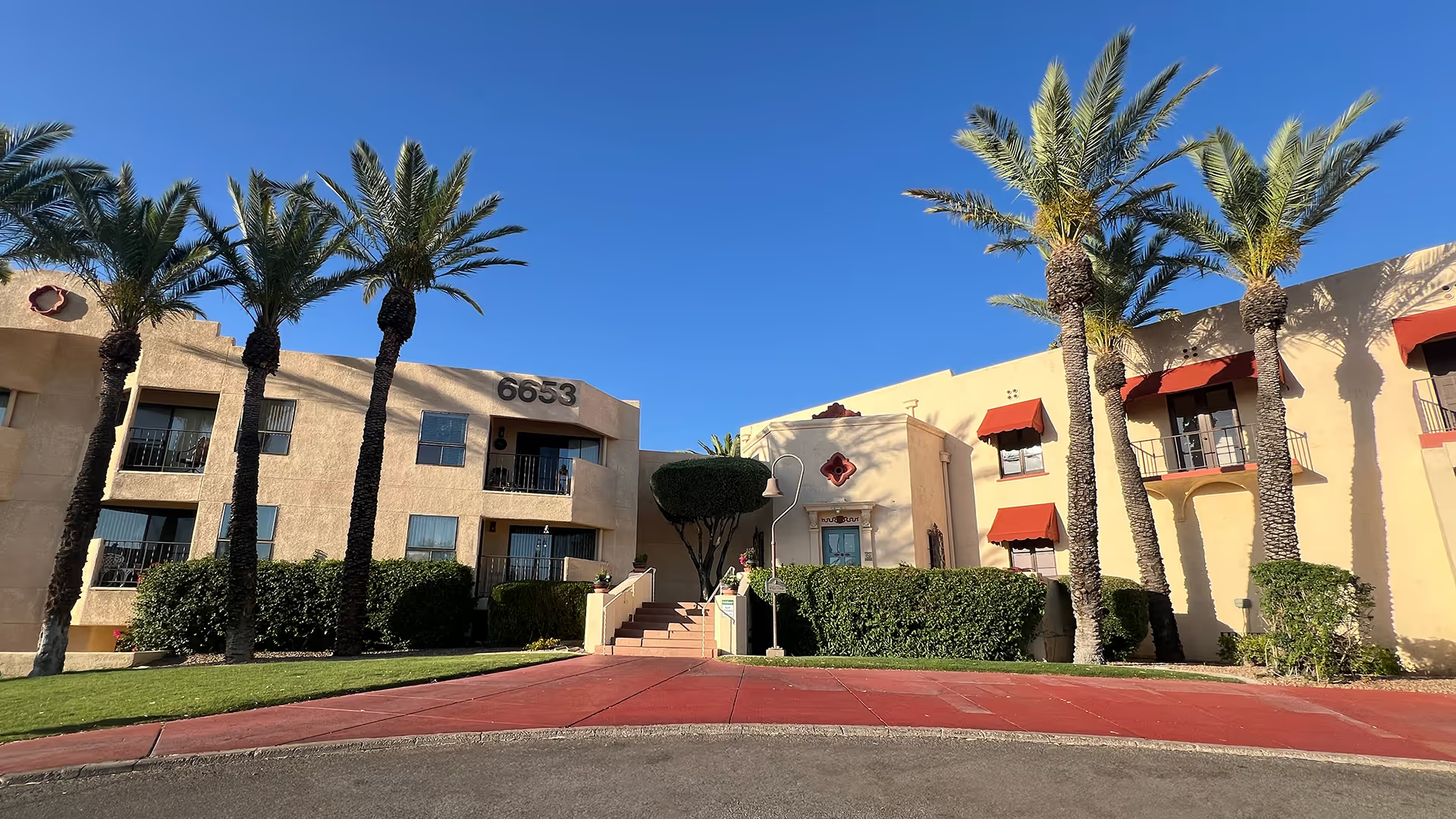
Facilities and environment: The property is commonly described as clean, remodeled, and well-kept, with pleasant outdoor spaces such as a courtyard and fountain views. Rooms are noted as cheerful and spacious in many accounts, and overall sanitation and maintenance are presented as strengths.
Management and policies: Most descriptions portray owners as hands-on and approachable; proactive updates and health notifications are described as a valuable resource. In contrast, other accounts raise serious operational concerns around billing, contract terms, and resident-transition processes. These concerns include opaque admission/refund terms, high entry fees, and instances of abrupt transitions that families found distressing. Some reviewers used strong language about financial practices; these should be treated as allegations and warrant direct verification. Prospective residents should request and review written contract terms, refund and prorating policies, and the provider’s formal procedures for care transitions.
Notable patterns and recommendations: The dominant pattern is of a small, family-oriented residence delivering warm, personalized care with appealing meals and activities. Counterbalancing that positive picture are isolated but significant concerns about inconsistency in caregiver conduct and unclear or contested financial/transition policies. Visitors should observe staff–resident interactions, ask for staff turnover and training information, request detailed contract language on fees and refunds, and clarify the process for handling difficult transitions. Doing so will help families weigh the strong day-to-day care environment against the operational risks noted in some accounts.