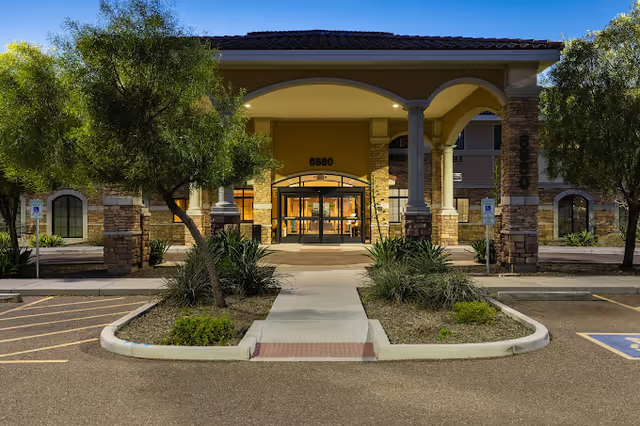
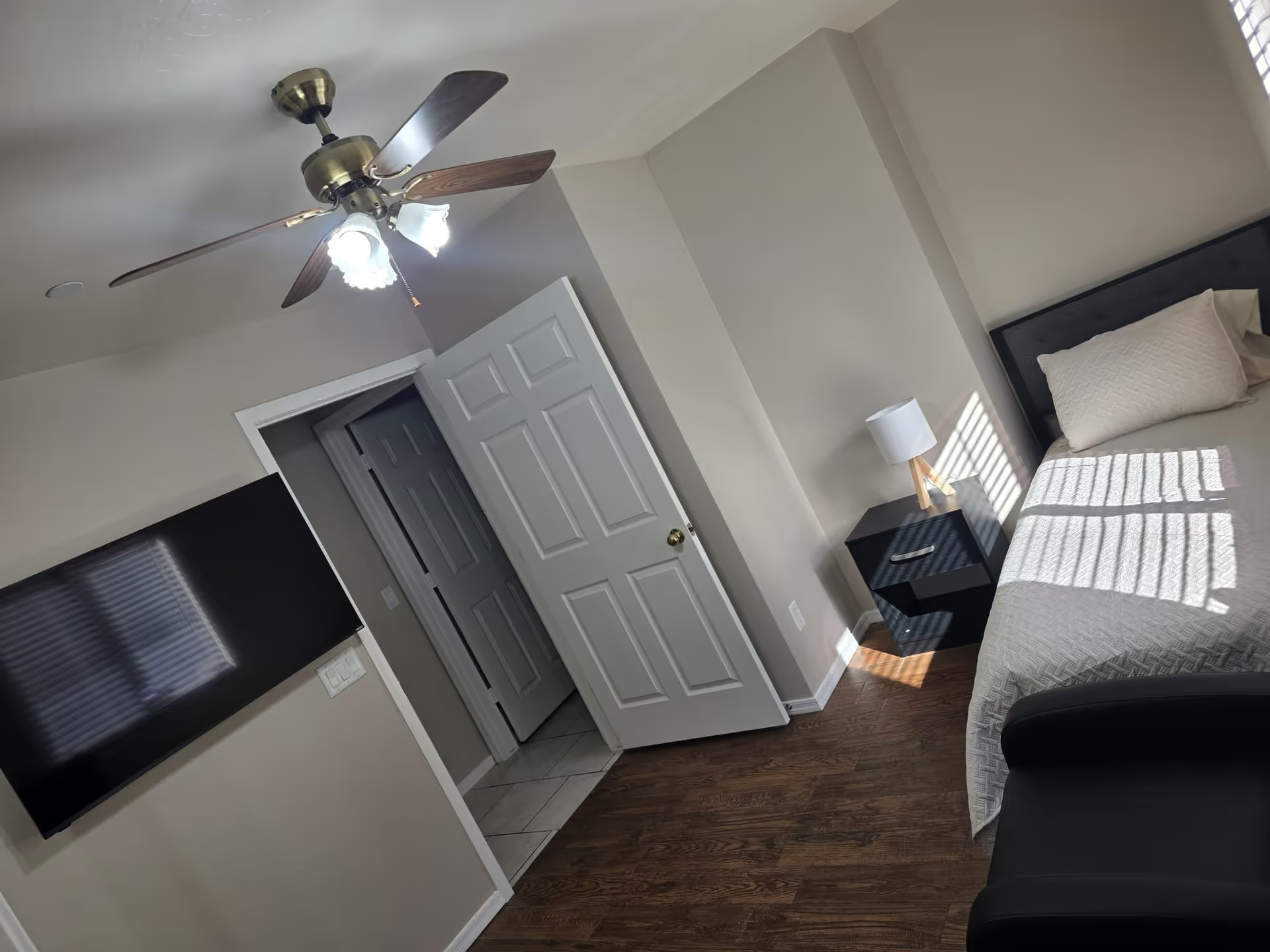
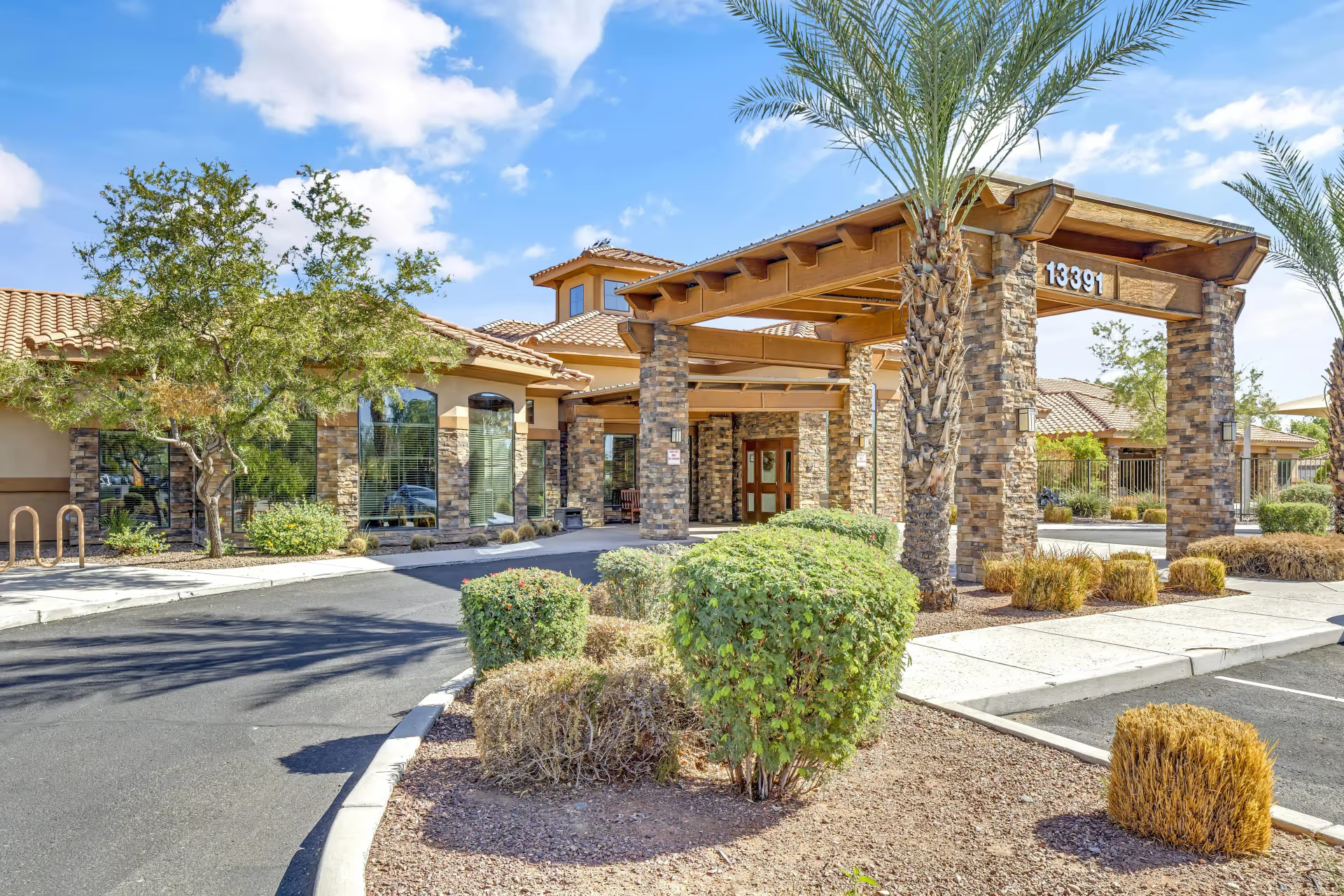
Lifestream at Youngtown presents a mix of clear strengths and recurring operational concerns. Positively, the community offers clinical coverage with licensed nursing and 24-hour certified caregiver availability, private apartment options with en-suite bathrooms and included appliances, and a number of amenities that residents and families value: large common areas, landscaped grounds, memory-care–secure spaces, and regular social events such as birthday parties and welcome activities. Many reviewers emphasized courteous caregiving staff, a pleasant kitchen team, prompt maintenance, and an overall bright, clean feel in parts of the campus.
Care and staffing are frequently cited as both an asset and a vulnerability. The presence of an on-site nurse and round-the-clock caregiver coverage is reassuring to families and supports peace of mind for many residents. At the same time, reviewers describe variability in staffing levels and service coverage—instances of reduced staff or service cuts, oversold expectations for higher-acuity units, and limited staff availability for activities or transports. These patterns suggest the need to verify current staffing ratios, activity-support plans, and the facility's approach to managing staff shortages.
Dining is another divided area. Several residents praised the kitchen staff, flexible menus, and daily hot meals served at communal tables; others described inconsistent meal quality and expressed food-safety and sanitation concerns. The mixed feedback indicates variability in daily food-service performance. Prospective residents should review sample menus, ask about food-safety protocols, and request recent inspection or quality-monitoring information where available.
Activity programming and social engagement receive similarly mixed feedback. The community runs regular events and has a social atmosphere that some find welcoming, but others report irregular schedules, limited organized programming, and low participation—sometimes dependent on a single volunteer or on staff availability. Mobility and campus layout also affect participation: the spread-out footprint and separate buildings require outdoor transitions that can be difficult for less-mobile residents, especially in extreme weather.
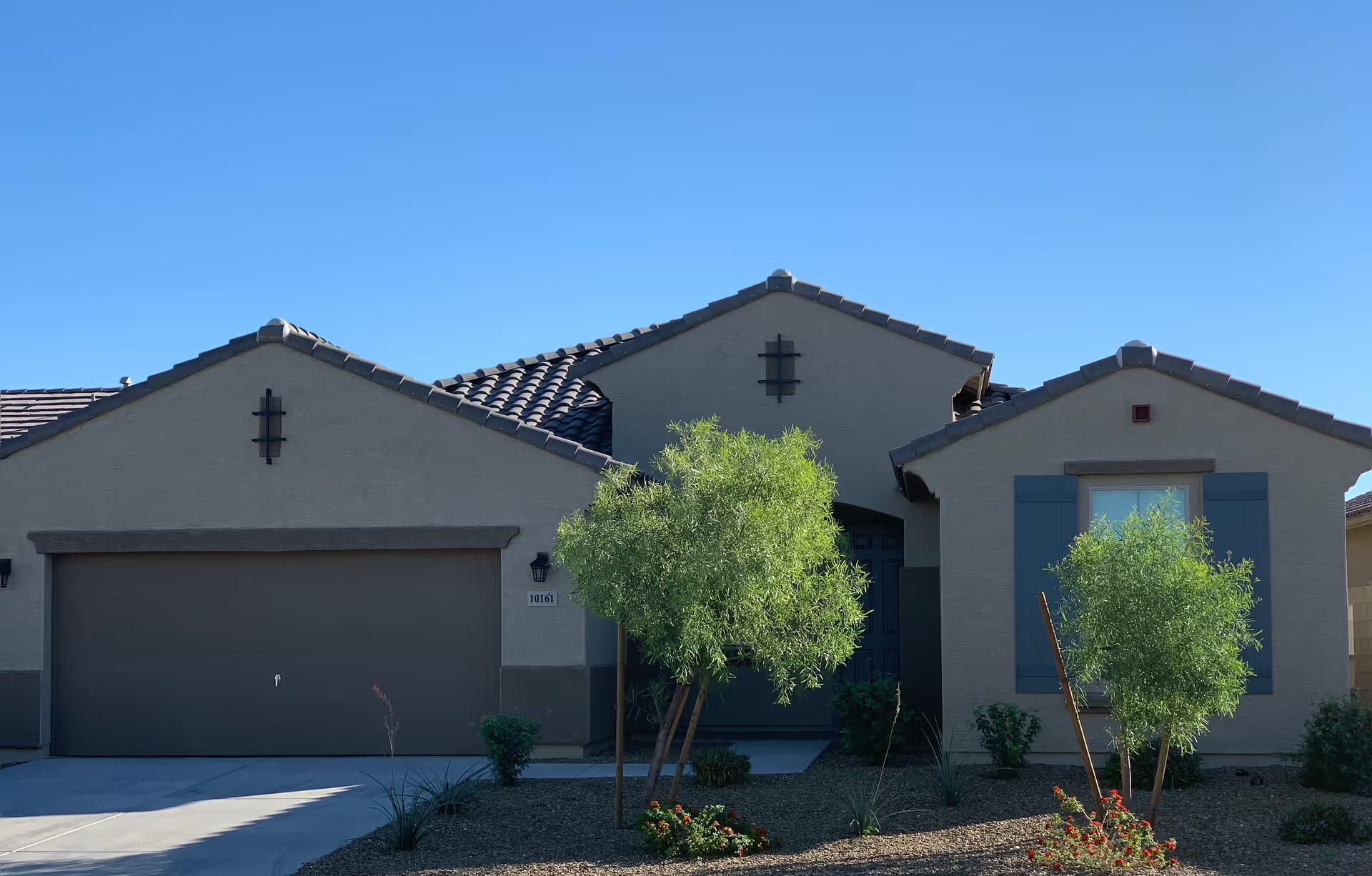
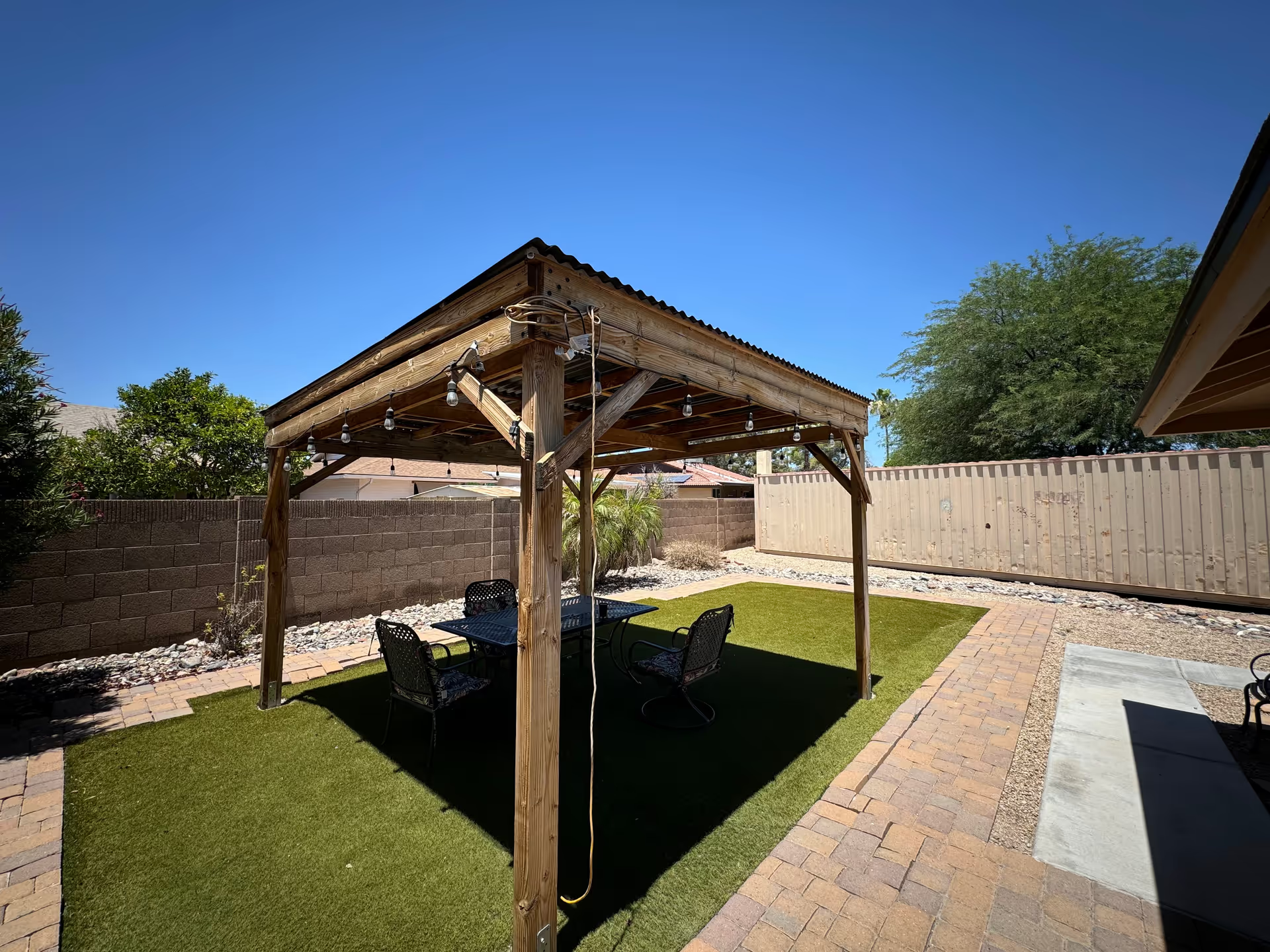
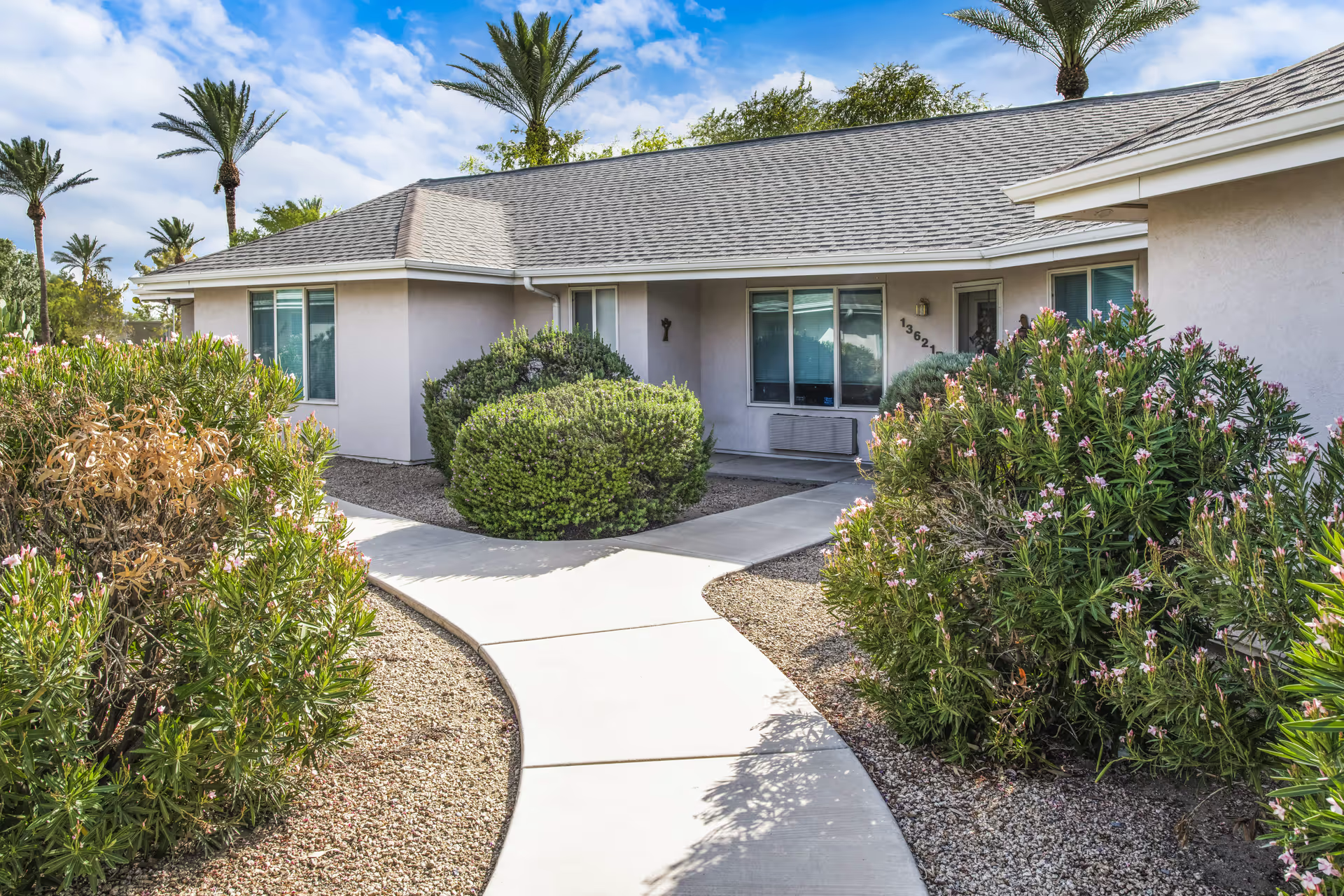
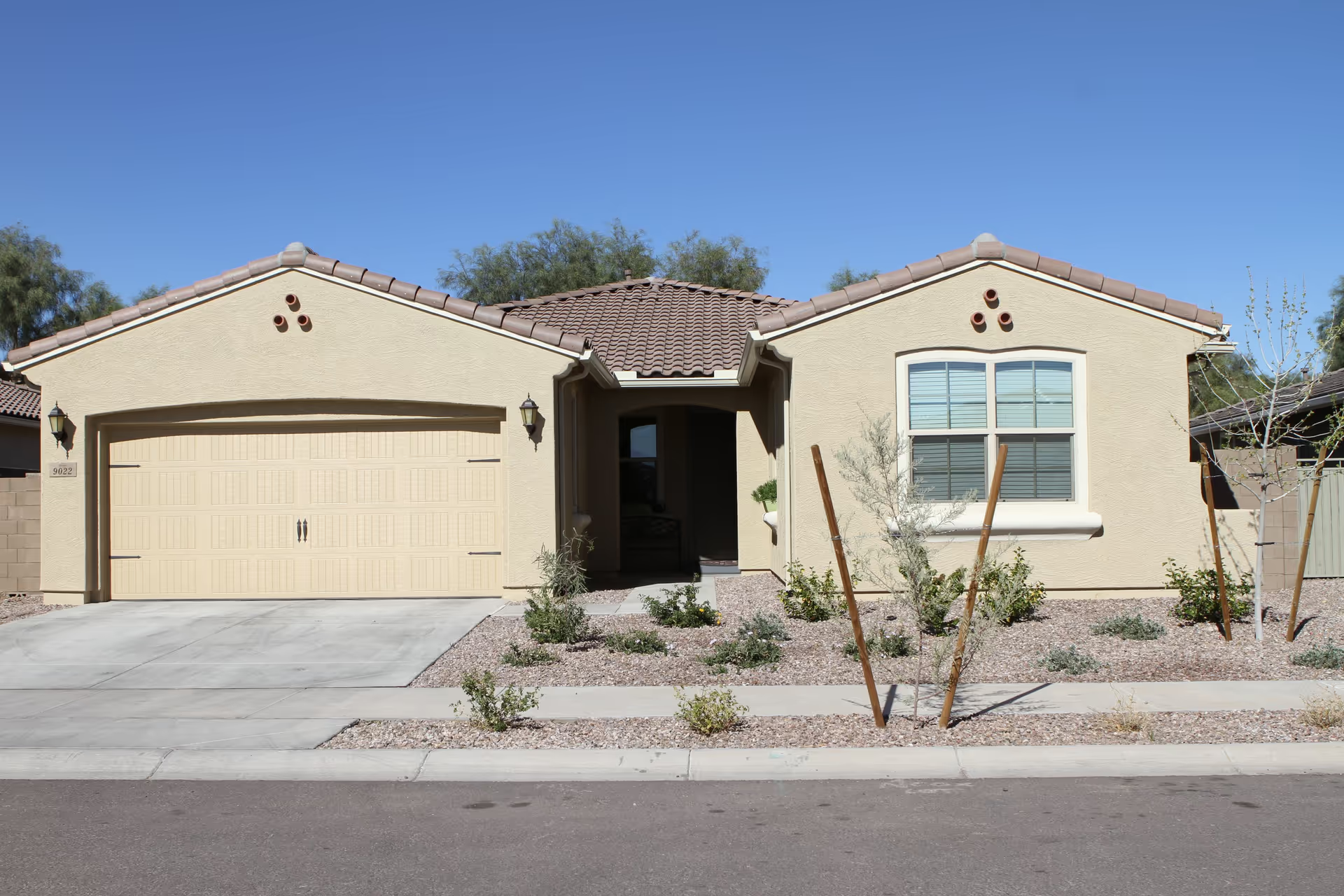
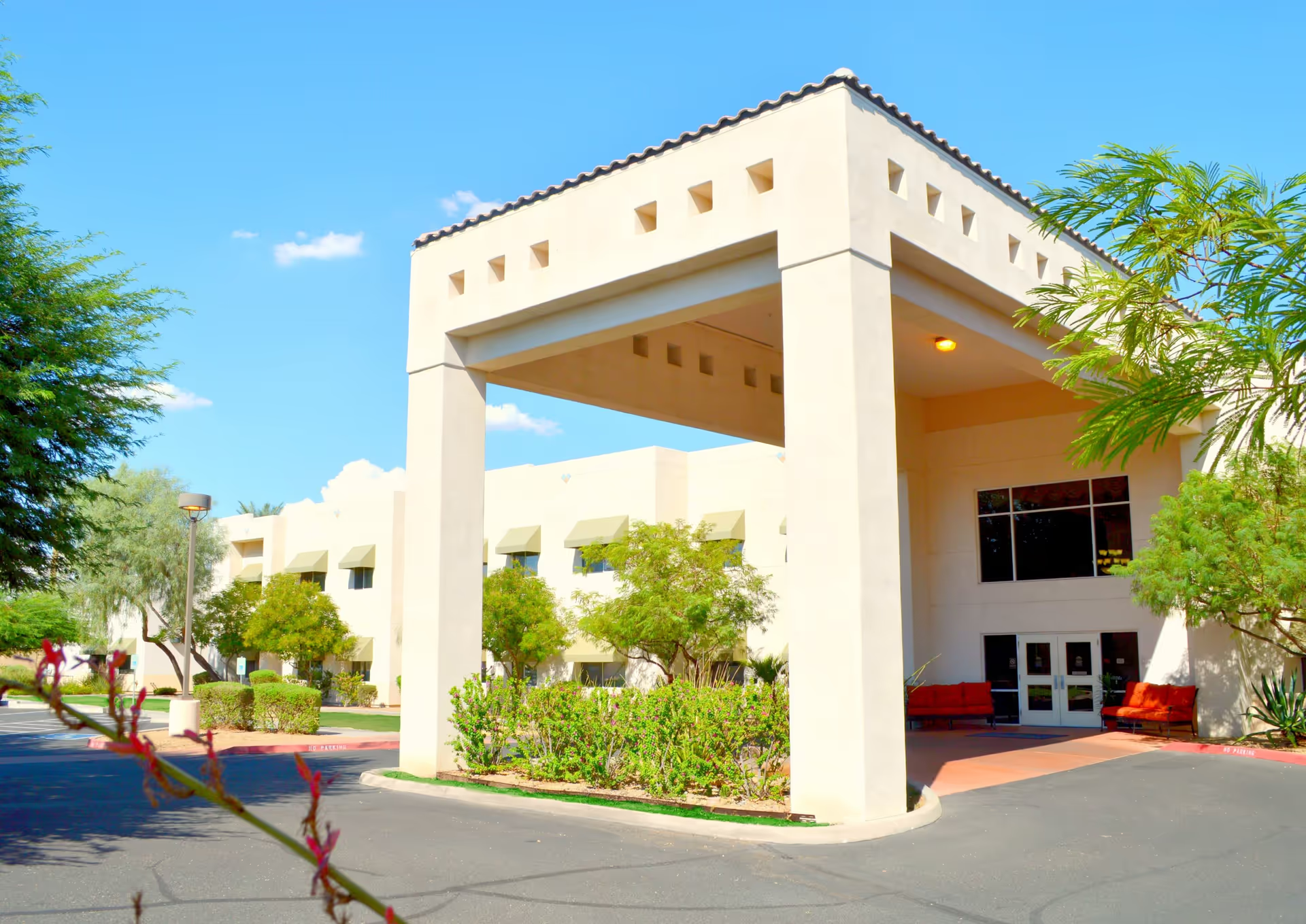
Facility condition and campus layout vary across the site. Many units are described as spacious, condo-style, and well maintained with patios and good views; however, parts of the campus are older, with cosmetic maintenance needs and uneven upkeep between buildings. Families should tour the specific building and unit they will occupy rather than relying on impressions from other parts of the campus.
Management and administrative issues are a recurrent theme. Reviewers raise concerns about transparency around rent and fee increases, unequal pricing between new and existing residents, and billing practices. Communication lapses and occasional curt interactions with administrative staff were also noted. More serious operational concerns include canceled transportation to appointments and allegations of theft and security lapses; these items point to the importance of confirming transportation policies, security measures, and incident-reporting procedures during evaluation.
In summary, Lifestream at Youngtown may be a strong fit for residents who prioritize in-person nursing coverage, private apartment features, and a residential campus with active common spaces. However, prospective residents and families should perform targeted due diligence: verify current staffing levels and response protocols, review meal-service practices and sanitation oversight, confirm policies on rent increases and unit pricing, inspect the specific unit and building, and ask about security and transportation supports. Visiting multiple times, speaking with current residents and family members, and obtaining written policies on the items above will help determine whether the facility’s strengths align with an individual’s priorities and care needs.