Overall impression: Reviews present a mixed picture. Individual caregivers and licensed nursing staff receive repeated praise for friendliness, professionalism, and helpfulness; several comments describe prompt provision of equipment (for example, loaner wheelchairs) and positive interactions with specific nursing personnel. At the same time, reviewers describe systemic operational weaknesses that affect the experience of residents and families, particularly for those with cognitive impairment.
Care quality and clinical management: Clinical care appears uneven. While bedside staff are frequently described as compassionate, there are multiple concerns about the facility’s ability to follow physician directives consistently and to produce effective care plans for residents with dementia. Reviewers described wandering and agitation among cognitively impaired residents, and identified gaps in dementia-specific programming and environmental controls. There are also concerns about how clinical instructions are implemented during hospice or end-of-life situations, indicating variability in clinical follow-through and family communication during high-acuity episodes.
Staffing and conduct: The caregiving team is routinely praised for warmth, patience, and individualized attention; licensed practical nurses were singled out for helpfulness. However, reviewers also noted inconsistent responsiveness and variability in staff training. Transportation and transfer practices were identified as an area of safety risk, with concerns about driver training and the adequacy of transfer protocols. In sum, strong individual staff performance coexists with operational training and reliability gaps.
Dining and activities: Meal presentation and aroma received positive comments, but dining operations show weaknesses in timing and service continuity. Long waits for meals and prolonged periods in mobility equipment were described, which can affect resident comfort and dignity. Activity resources exist (an on-site piano was mentioned), but maintenance and programming consistency appear limited; the available amenities may not be fully sustained or scheduled to meet resident needs.
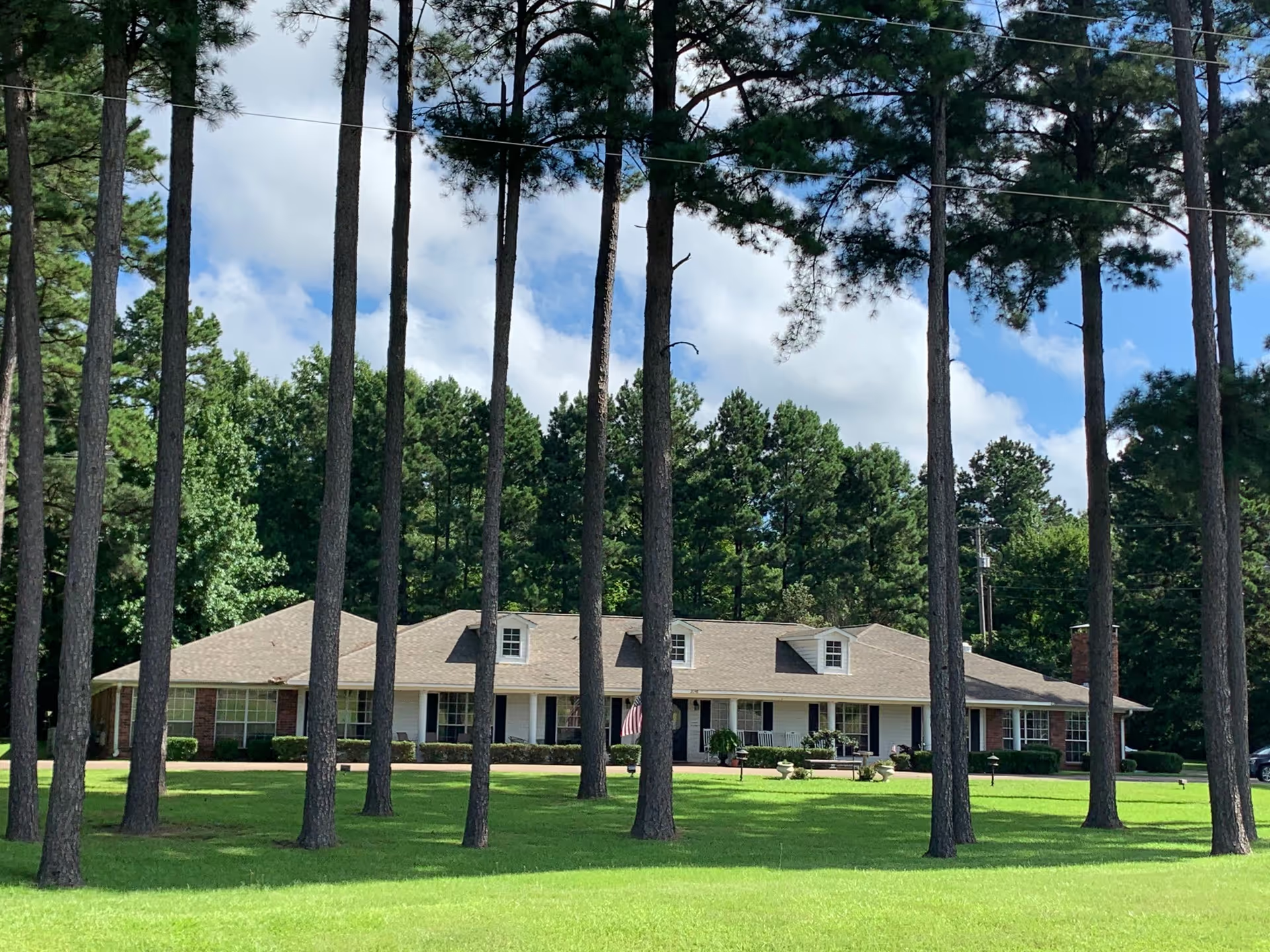
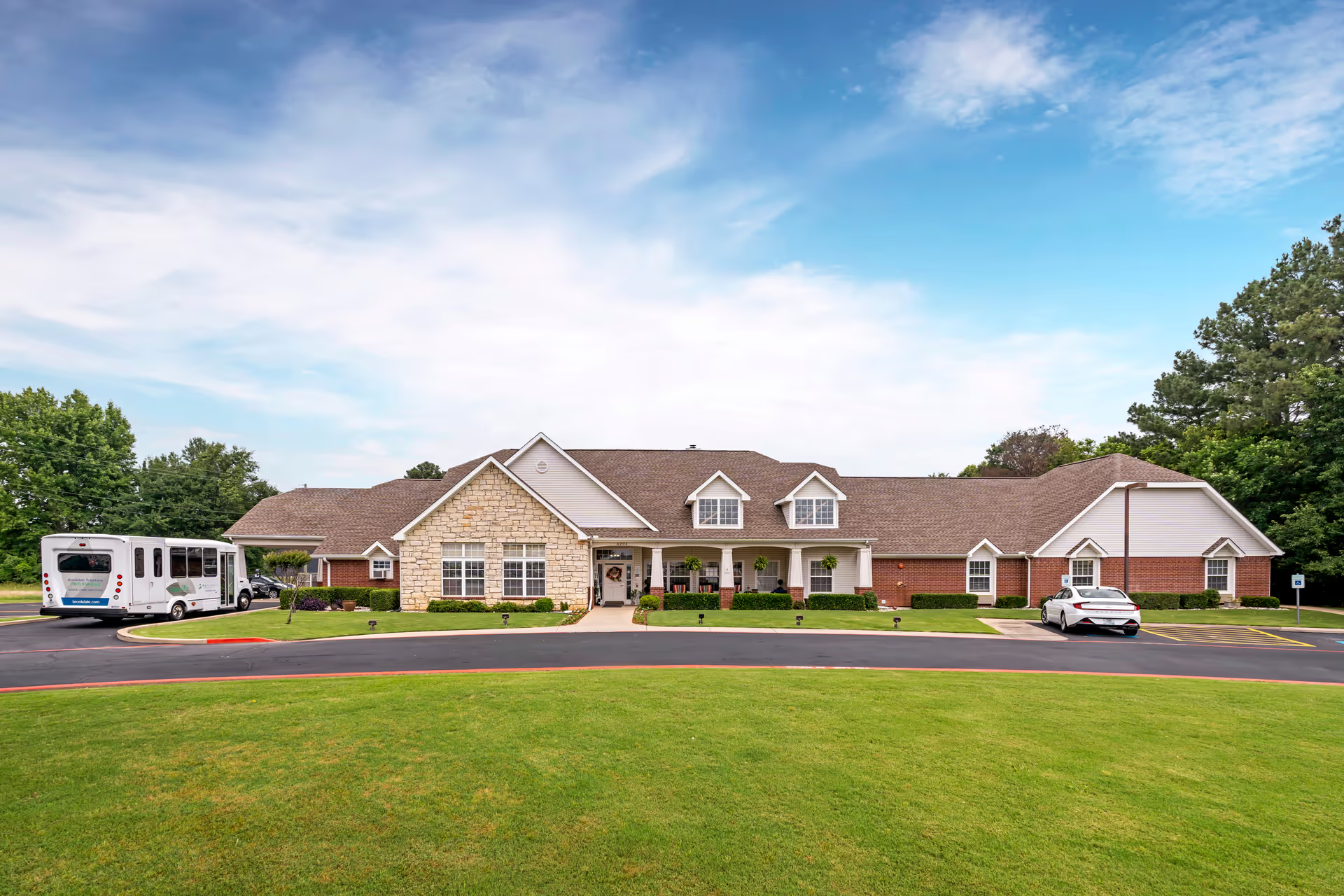
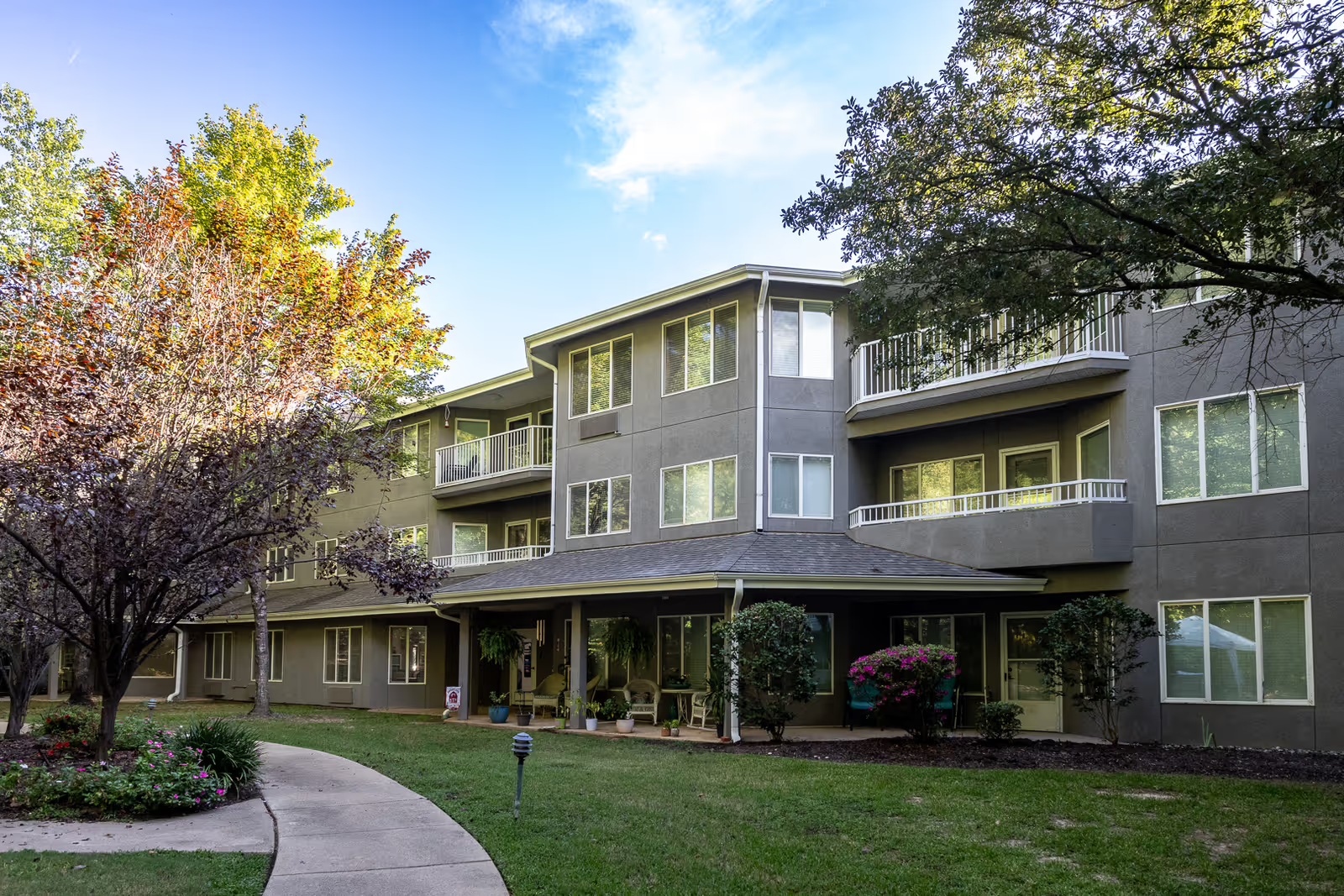
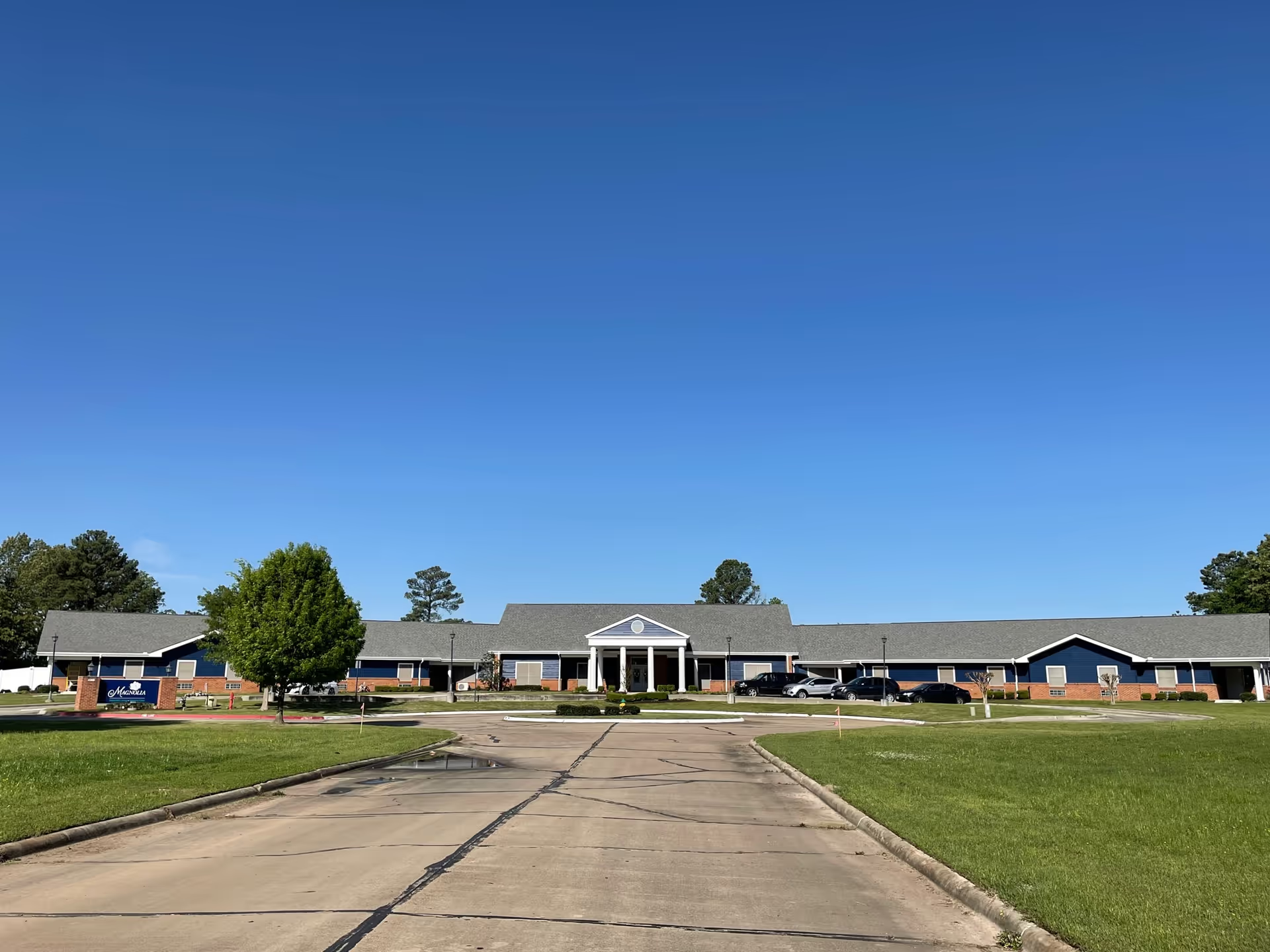
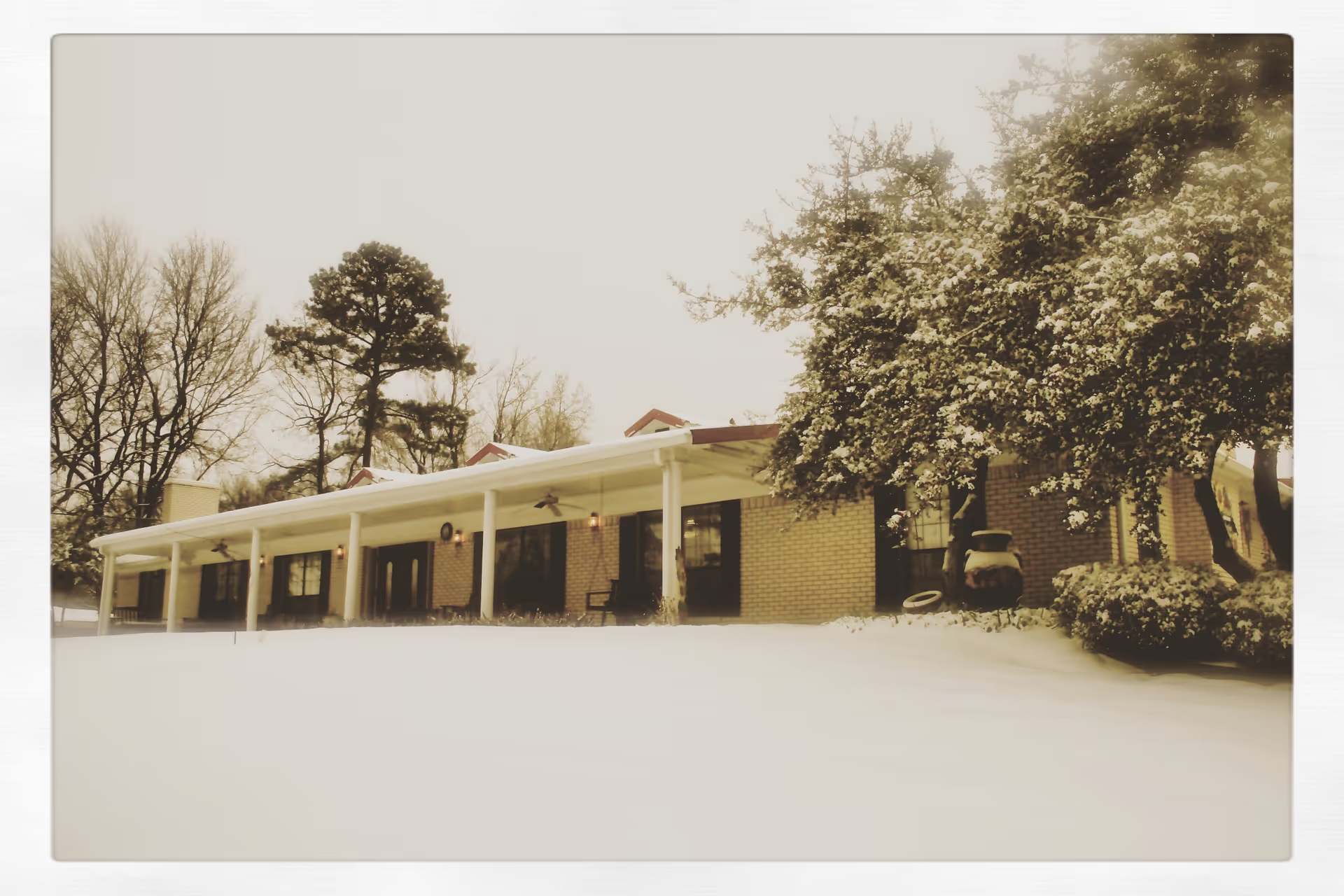
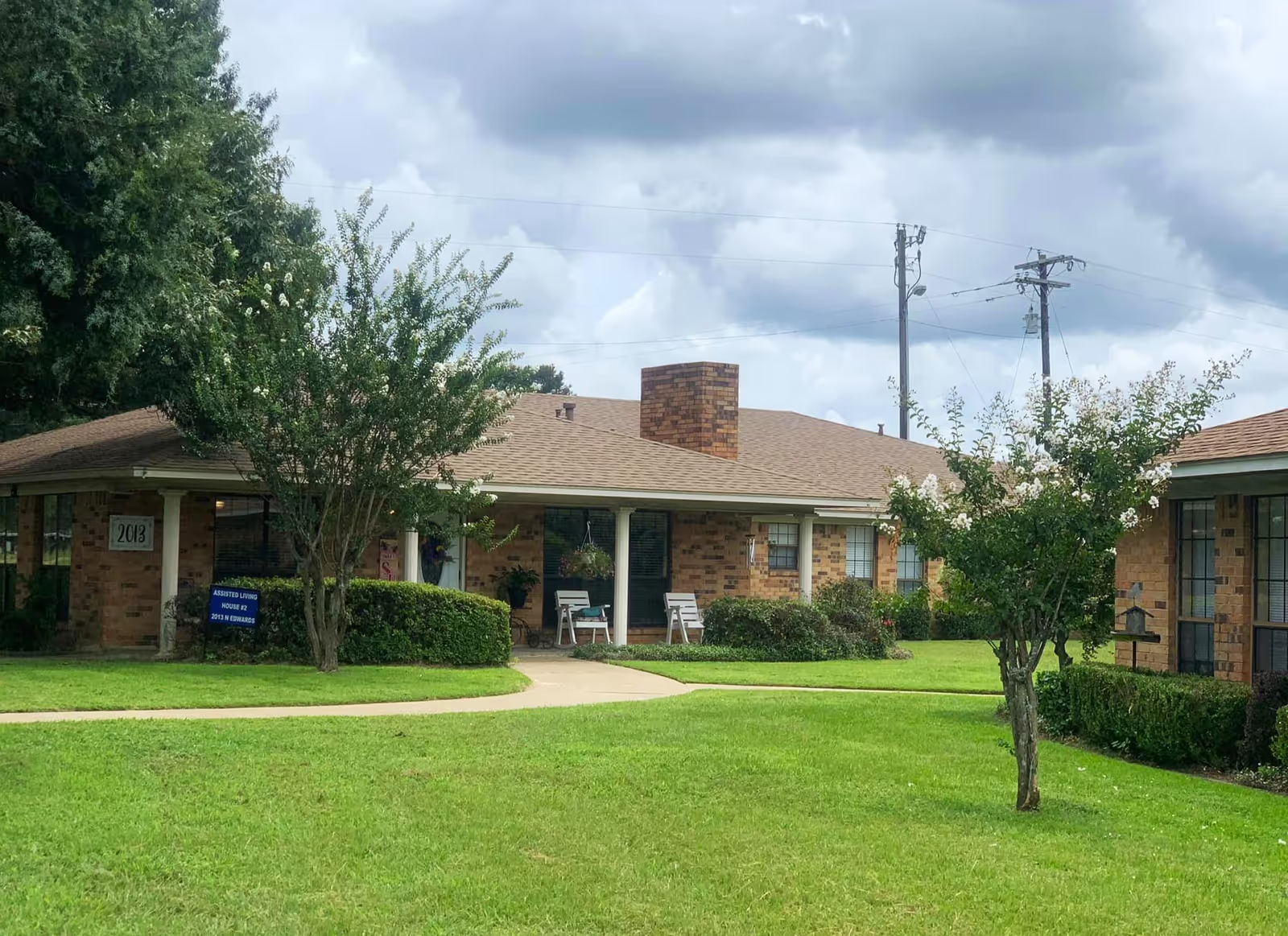
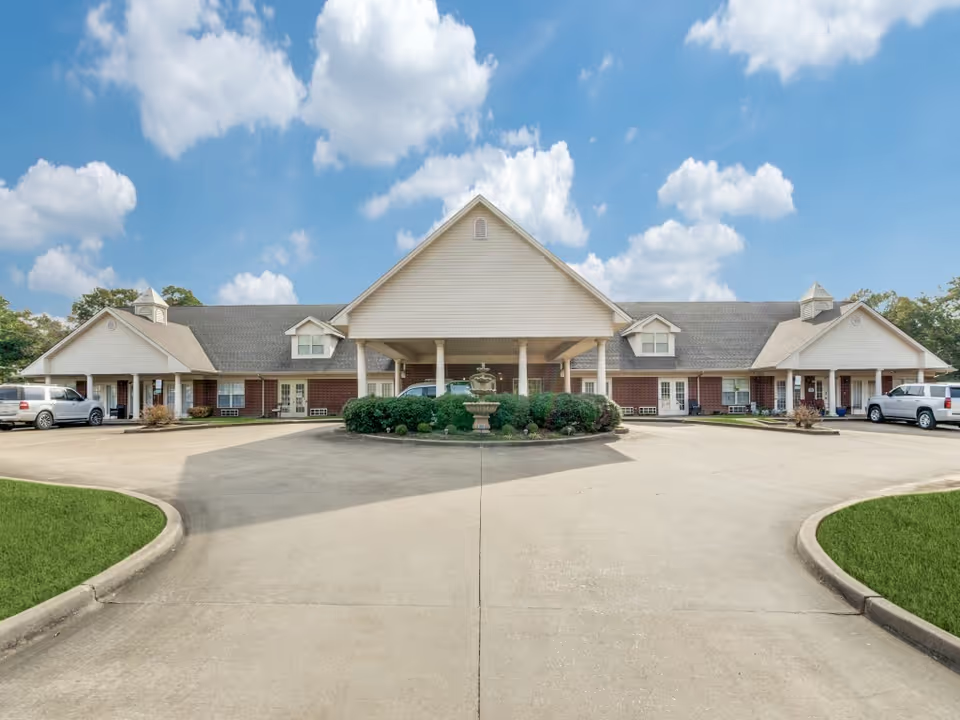
Facilities and environment: The facility lacks a dedicated Alzheimer’s/dementia unit, so residents with dementia are part of a mixed population. Reviewers linked that configuration to increased confusion and agitation for some residents. There are also sanitation and cleanliness concerns in communal areas that families reported, which suggest variable housekeeping standards in certain spaces.
Management, communication, and policy: Several comments point to shortcomings in communication, grievance handling, and administrative responsiveness. Families described frustrations with appeals and complaint resolution, and a perception that administrative priorities sometimes favor billing or paperwork over transparent, compassionate family engagement. Better-defined processes for communicating care plans, responding to family concerns, and handling appeals would address a recurring pattern in the reviews.
Notable patterns and guidance for prospective families: The dominant pattern is a contrast between committed frontline staff and organizational/process weaknesses. If dementia care, transfer safety, and timely clinical adherence are primary concerns, families should ask for specifics about dementia programming, staffing ratios, transfer-training protocols, and examples of how physician orders are tracked and implemented. For families whose priorities are compassionate day-to-day caregiving and on-site hospice support, the facility’s strengths on those points warrant consideration, but should be weighed against the operational gaps described above.