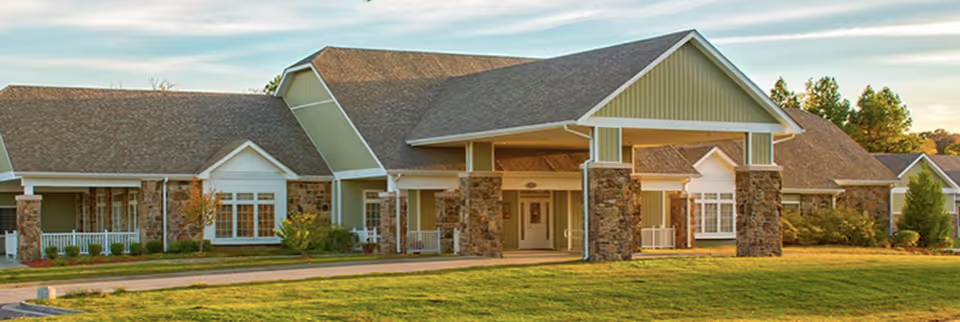
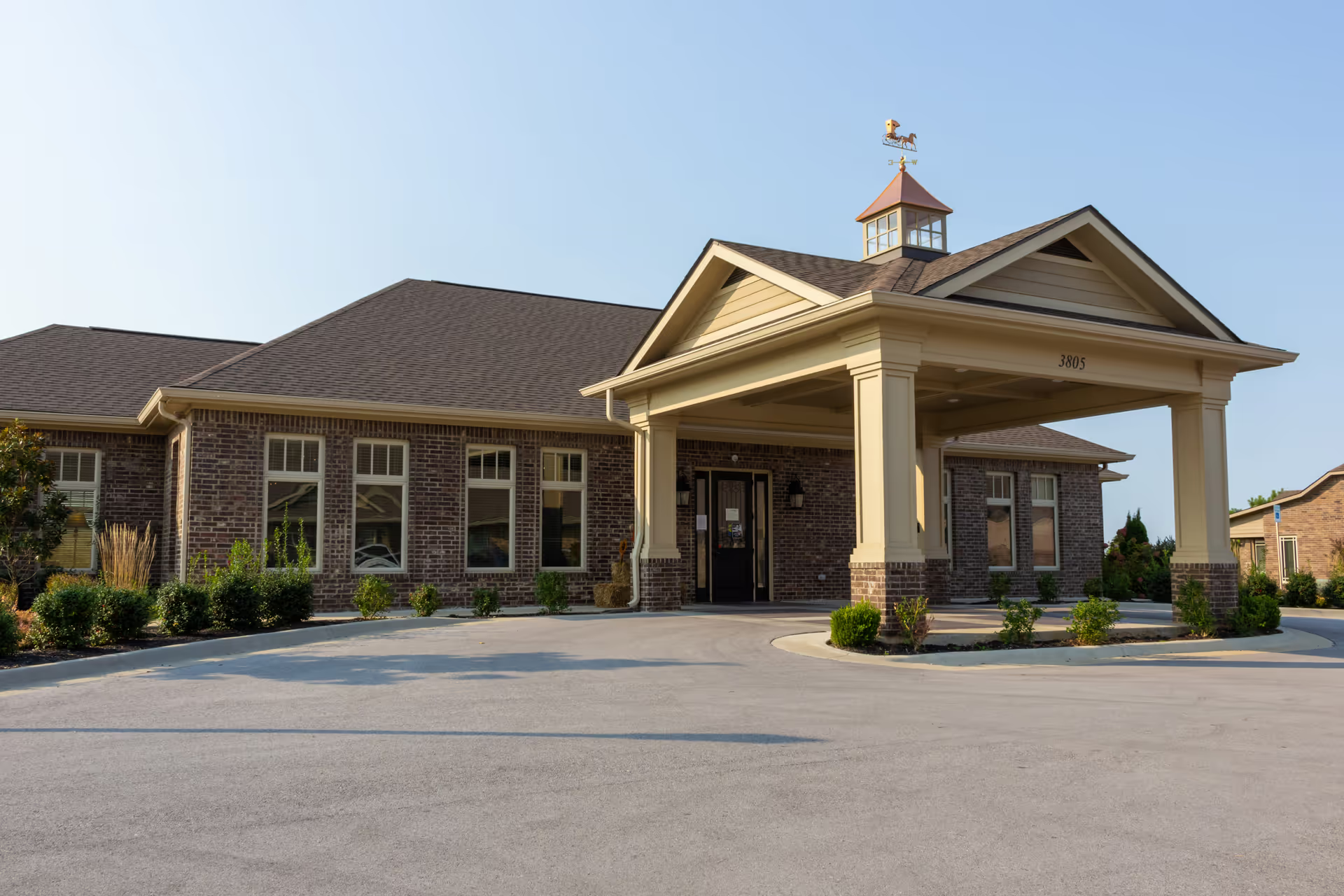
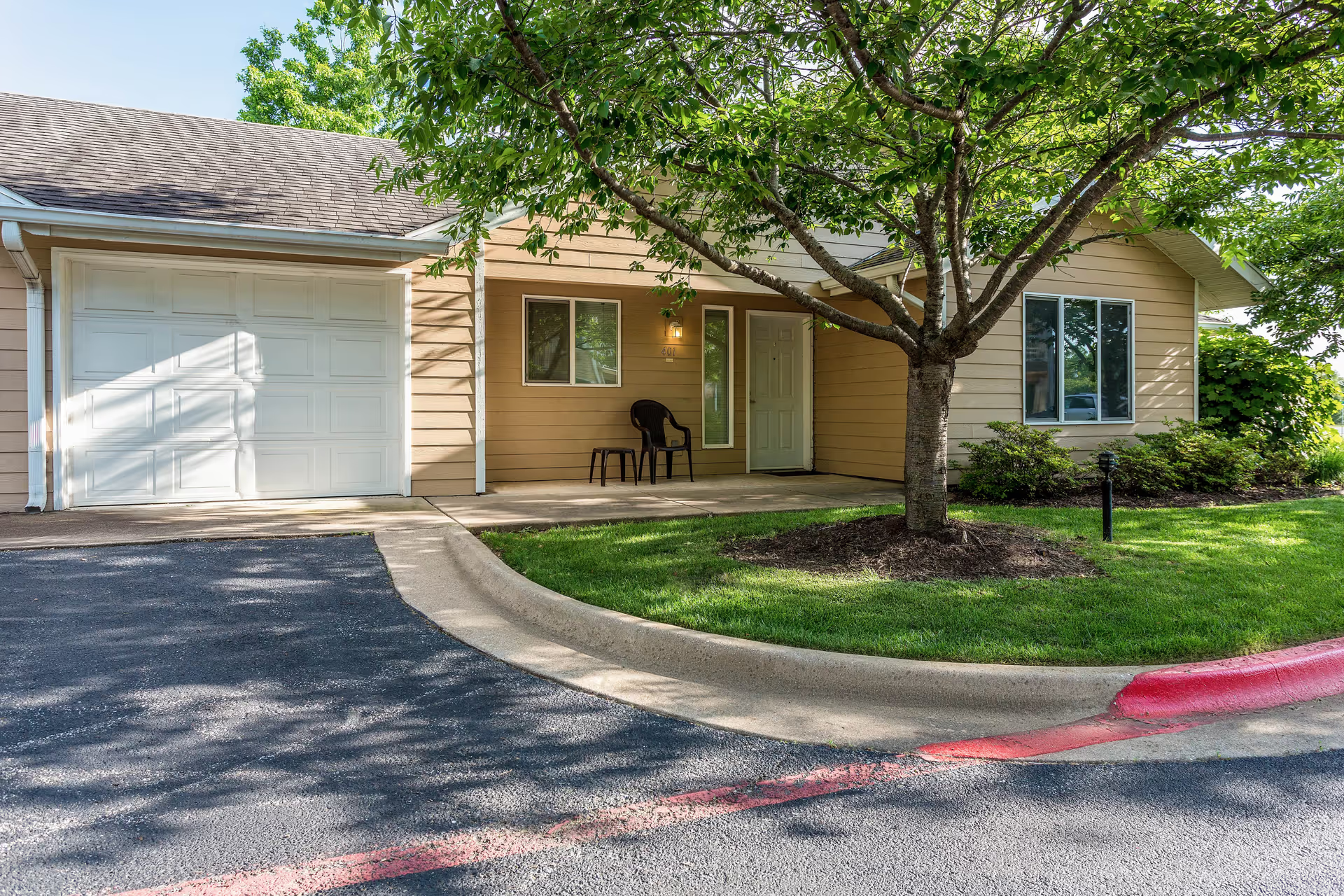
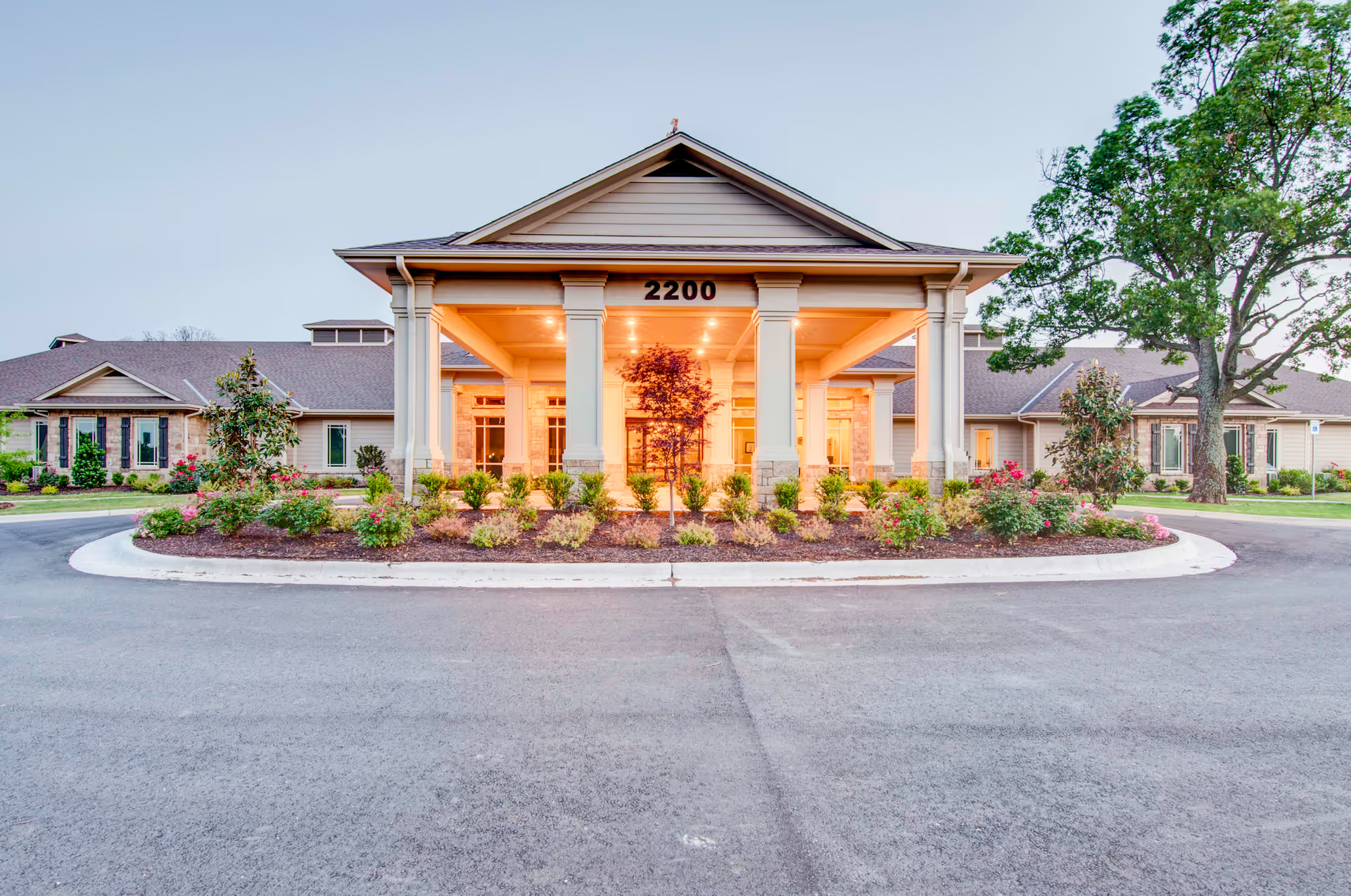
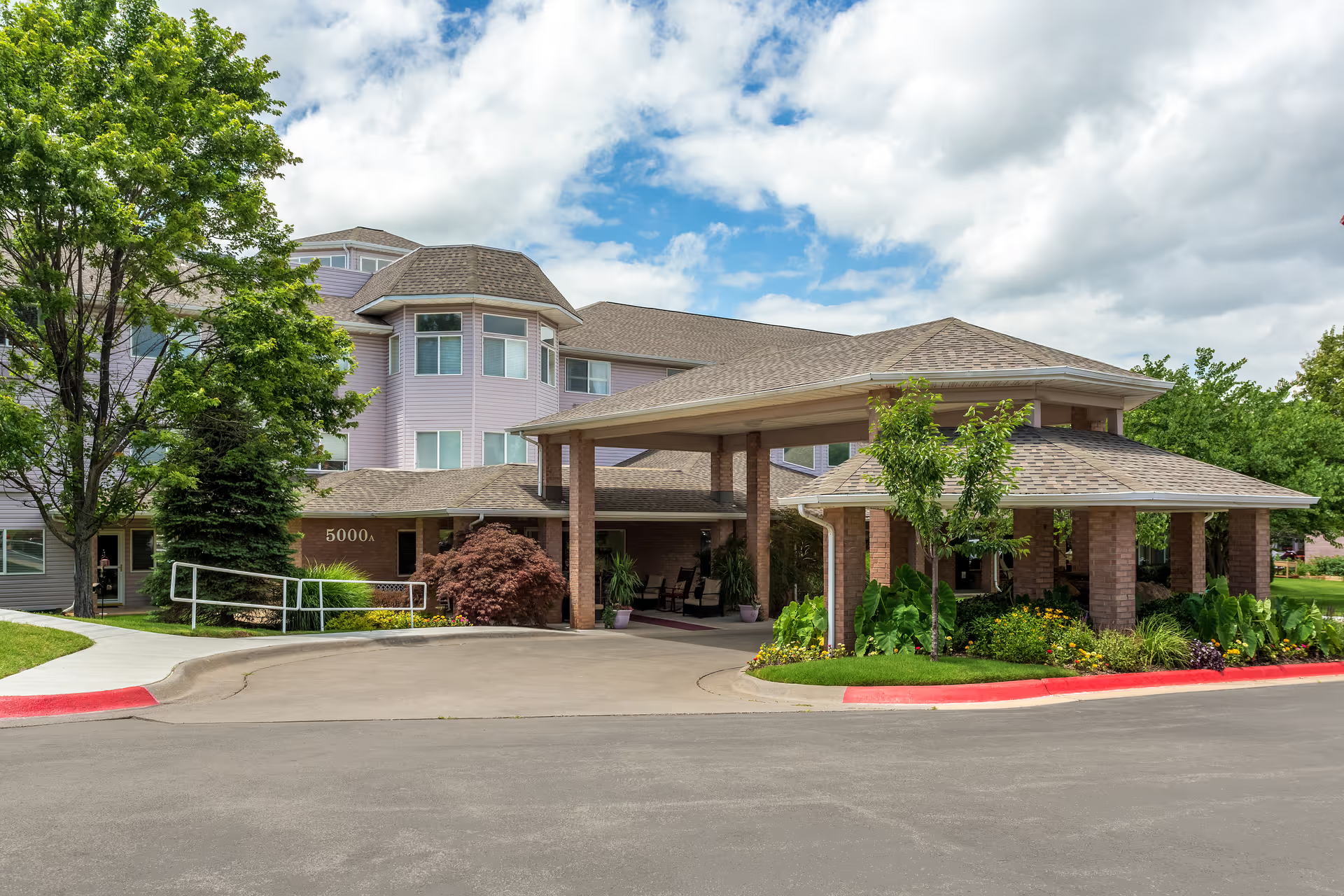
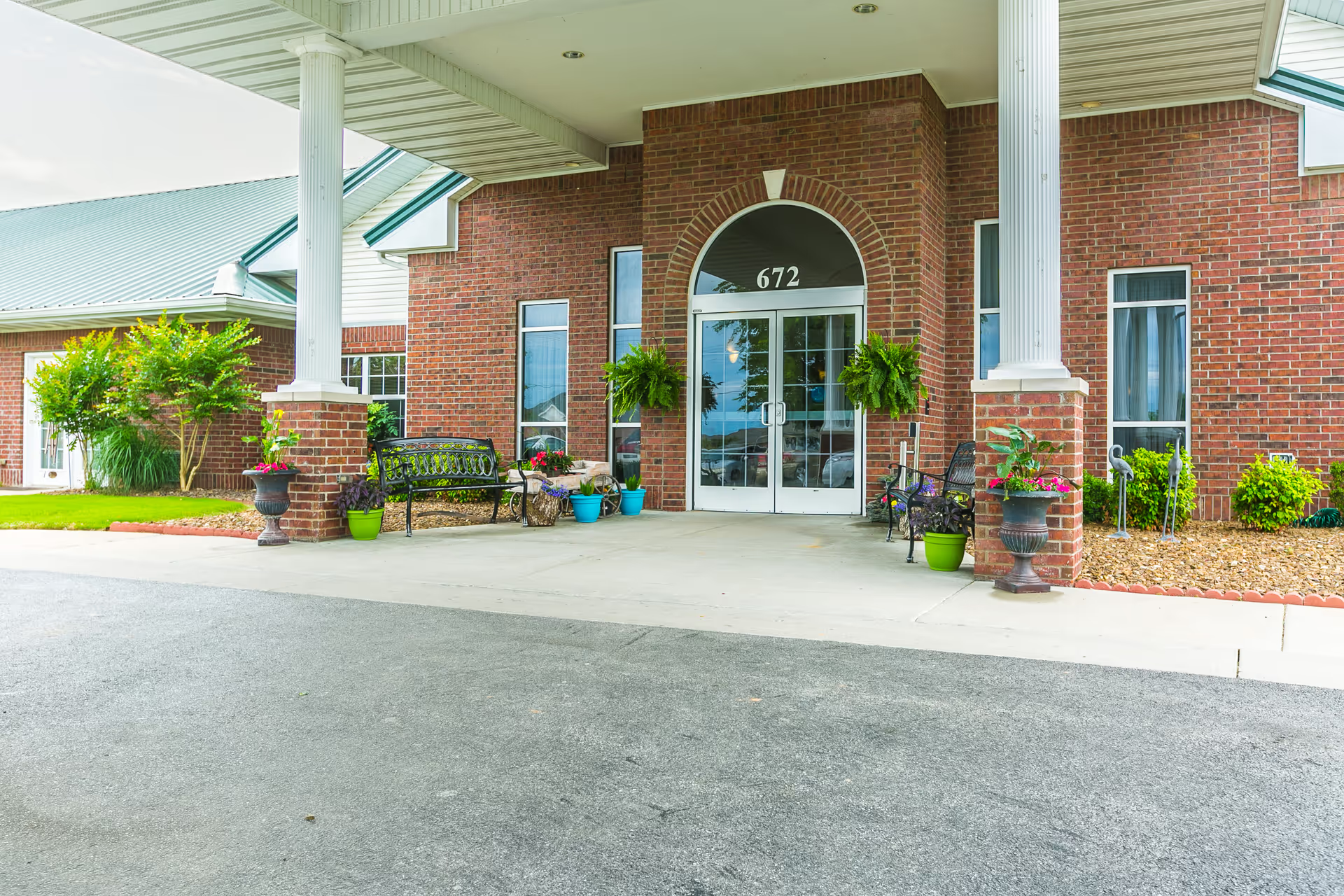
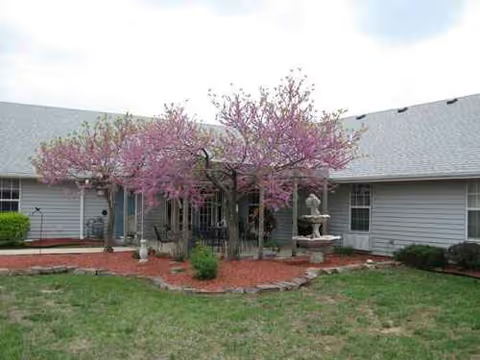
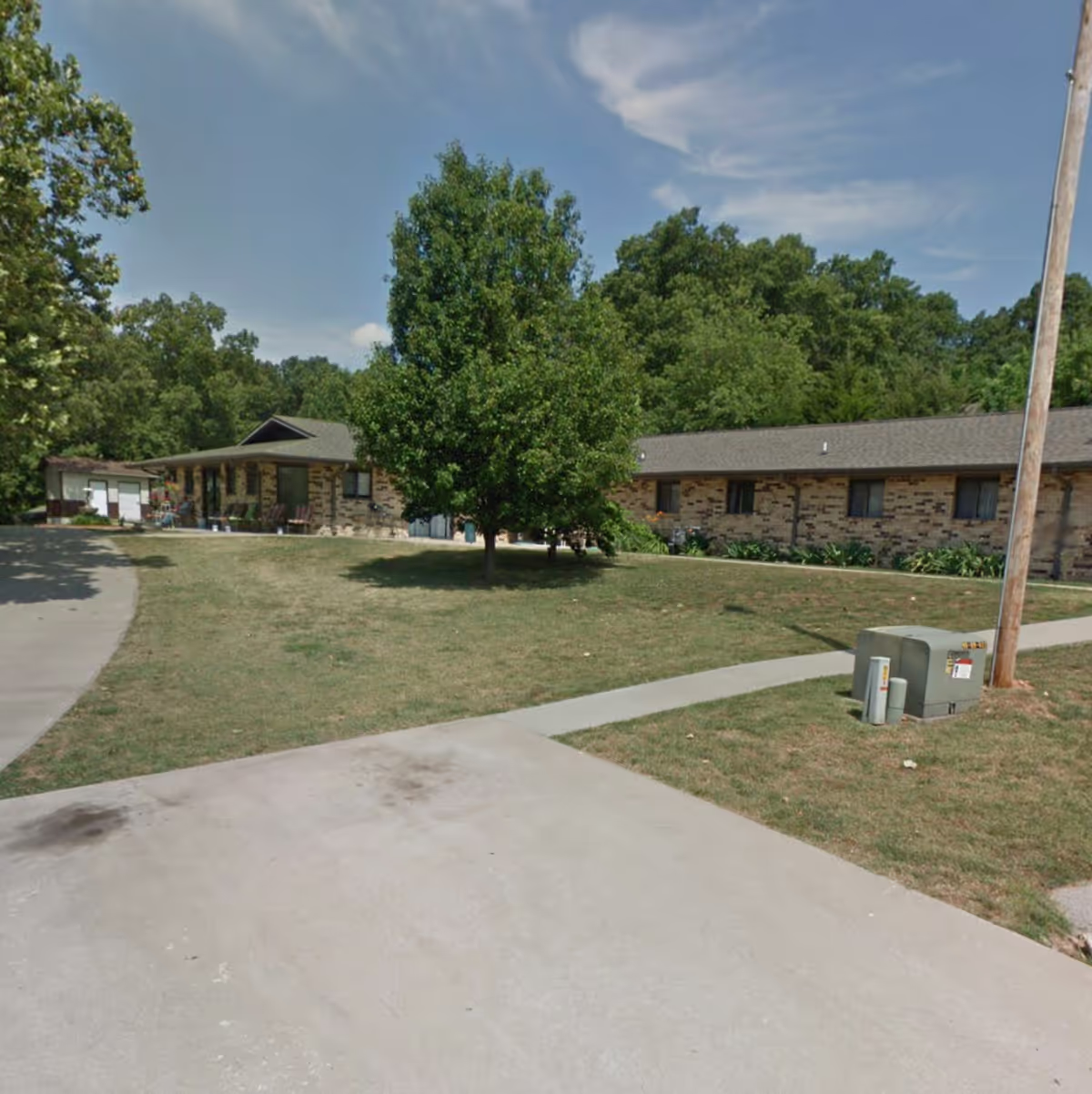
Overall impression Concordia of Bella Vista is frequently described as a community with strong interpersonal strengths: staff are characterized as caring, personable, and long‑tenured, and reviewers consistently highlight prompt maintenance and housekeeping. Many reviews emphasize a family‑like social environment, active programming, and accessible on‑site clinical supports such as a nurse on call and in‑building physical therapy. The campus offers a range of housing types — from studios and one‑bed apartments to large two‑bed townhomes and cottages — and is set in a scenic, lakeside location that supports outdoor activities.
Care and staffing Staff competency and responsiveness are recurrent positives. Families describe attentive transition support, routine medication visits, bathing assistance schedules, and staff who coordinate appointments and transportation. Reviewers commonly cite the activities director and therapy staff as engaged and creative. At the facility level there are, however, operational limits: Concordia appears best suited for independent and lower‑to‑moderate acuity residents. Multiple comments indicate restrictions or challenges when residents require more advanced personal‑care or incontinence management, and there are references to occupancy or level‑of‑care transition policies that can limit long‑term placement for higher‑needs residents.
Dining and activities Dining is a prominent feature. Many reviewers praise the variety, buffet offerings, salad bars, special entrees, and accommodating kitchen staff; take‑home options and fresh fruit are also noted. That said, other comments point to variability in meal quality and to the fact that some accommodations include only a single daily meal in the base package, which affects perceived value. Activity programming is a clear strength: exercise classes, live music, social hours, outings, therapy classes, and frequent entertainment are commonly mentioned, supporting social engagement and resident satisfaction.
Facilities and accessibility The physical plant is described as an older but generally well‑maintained community with periodic refurbishments. Common areas, courtyards, walking paths, and lake access contribute positively to resident life. At the same time, the campus layout is decentralized — multiple buildings, hills, and spread‑out amenities — which can be challenging for those with mobility limitations and may require staff assistance or transport within campus. Unit sizes vary widely; while some units are spacious and renovated, others (notably smaller studios) are described as cramped with limited circulation.
Management and operational patterns Review summaries indicate strong front‑line performance (caregiving, maintenance, activities), but recurring operational issues appear in admissions and scheduling. Examples include tour and appointment coordination problems and occasional unit allocation mix‑ups; these suggest opportunities to improve sales‑process transparency and occupancy coordination. A minority of comments raise concerns about cleanliness or kitchen management and about rising costs or unclear pricing details. These are not universal, but they are recurring enough to be considered part of the facility’s operational profile.
Notable trade‑offs for prospective residents and families Concordia offers a socially active, staff‑oriented environment with strong dining, therapy, and transportation services — well suited to independent seniors or those needing mild to moderate assistance who value community life and amenities. Prospective residents with significant mobility limitations, a need for high‑acuity personal care, or a preference for a compact, single‑building layout should assess the campus geography, unit sizes, and level‑of‑care policies closely. Families should also ask specific questions about meal inclusion, pricing transparency, and how the community manages admissions and scheduling to avoid allocation or coordination problems.