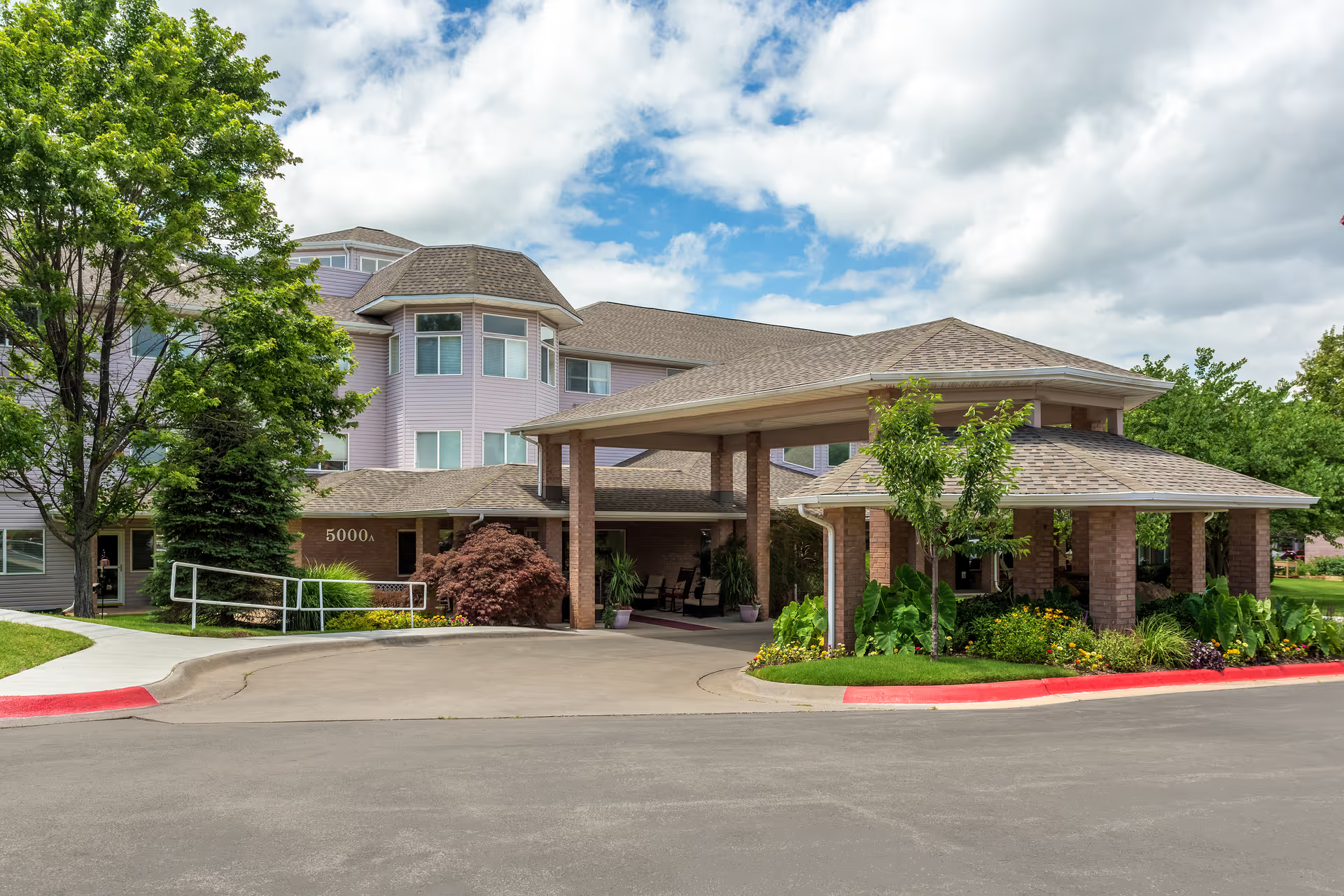
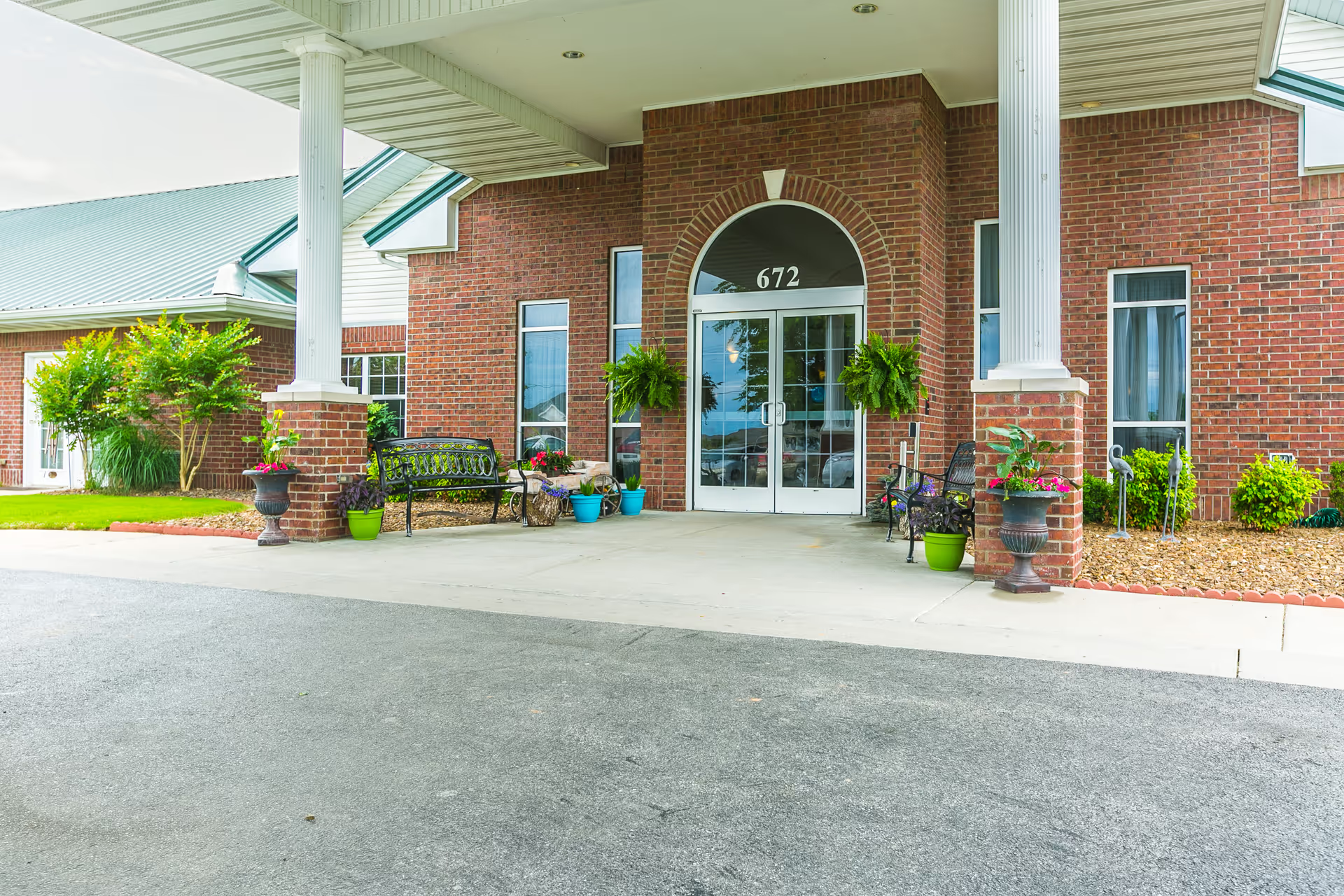
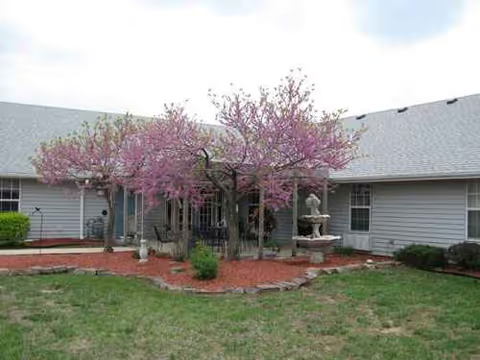
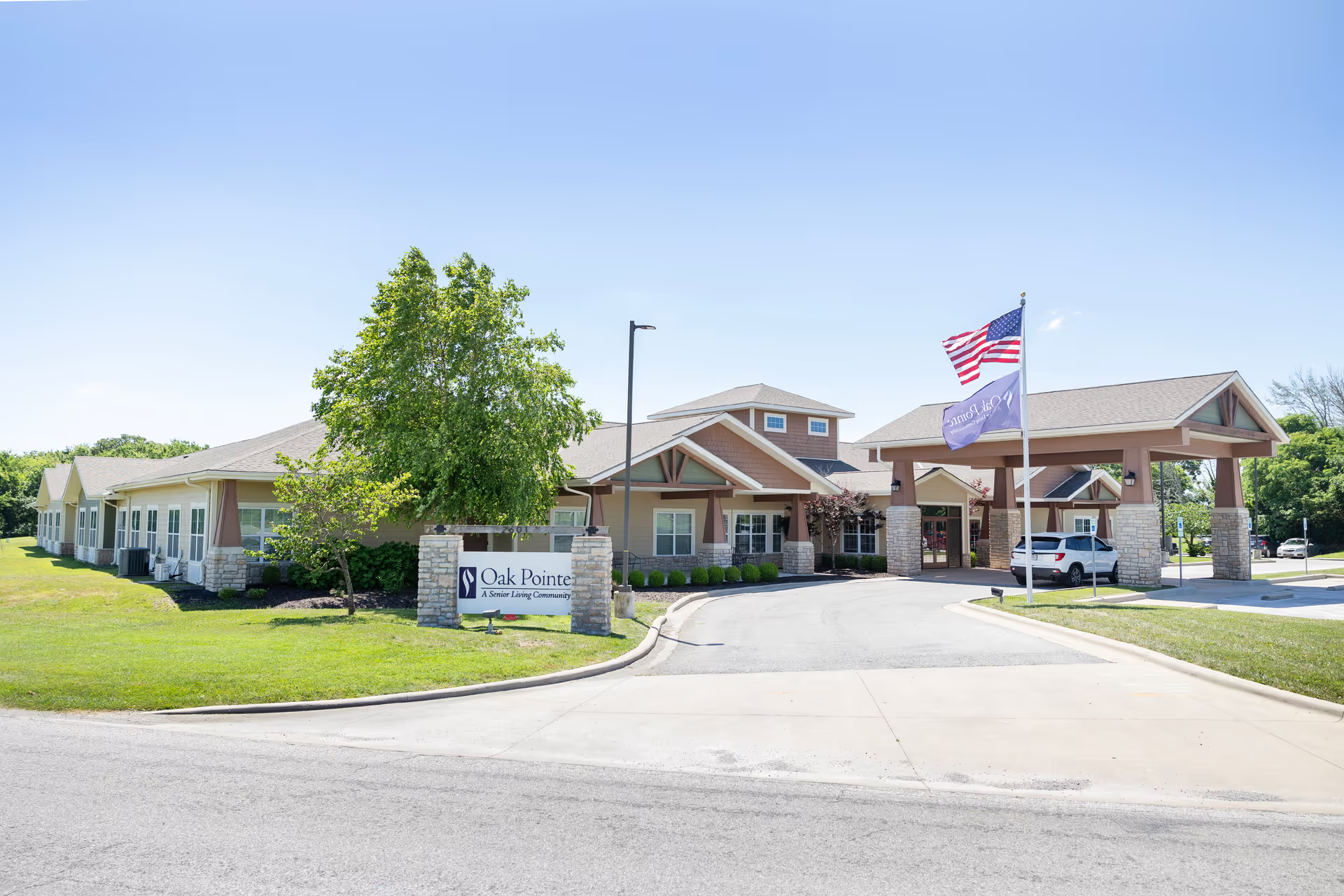
Highland Health & Rehabilitation elicits a polarized set of impressions. Positive feedback emphasizes a clean, well-maintained facility with a homelike atmosphere, an active activities program, and a robust rehabilitation service. Many families and patients describe compassionate, friendly nursing and therapy staff, strong physical-therapy outcomes, helpful social-work engagement, and leadership that can be responsive and solution-oriented. Several reviewers highlighted thorough rehabilitation documentation, a newly remodeled appearance in parts of the building, and generally nutritious meal offerings.
Counterbalancing those strengths are a number of operational concerns that recur across reviews. The most frequently cited clinical issues relate to inconsistent personal-care practices (including bathing and compression-stockings assistance), gaps in oral- and denture-care, and medication-administration or dosing problems that raise questions about sedative use and overall medication controls. Reviewers also point to limited physician availability and uneven coordination between medical providers, nursing, and contracted therapy teams; these gaps reportedly contribute to delayed responses and frustrated therapy partners.
Dining and housekeeping show mixed performance. While some families praised balanced menus and attentive meal service, others described inconsistent adherence to special diets and interruptions to kitchen service. Housekeeping and environmental-cleaning practices were generally viewed as adequate by many, but others noted lapses in dusting and room-level cleaning. Separate, serious concerns include pest-control issues and limited transparency about remediation actions. Infection-prevention and wound-care follow-up is another area of concern in a subset of accounts, with references to pressure-related skin injuries, infections, and related complications.
Management and communication receive similarly mixed assessments. Several reviewers commended administrators and specific charge nurses for being helpful and effective problem solvers, while other families described difficulties getting timely answers, errors in discharge documentation, and occasional dismissive interactions. Staffing levels and workload pressure on frontline caregivers are recurring themes; reviewers describe staff who are caring but sometimes stretched thin, which contributors say can lead to variability in responsiveness and personal-care attention.
Notable patterns for prospective residents and families: overall facility strengths lie in rehabilitation, a generally pleasant environment, and many compassionate staff members. However, the volume and severity of operational and clinical concerns in other reviews—spanning personal care, medication management, physician access, infection- and pest-control practices, and family communication—suggest variability in day-to-day execution. When evaluating this facility, families may wish to tour the units, ask about physician coverage and medication-safety protocols, review infection-control and pest-remediation policies, confirm dietary accommodation procedures, and request examples of recent quality-improvement actions and state inspection outcomes.