Overall impression: Bradford House presents a mix of clear operational strengths and persistent operational challenges. Families and residents frequently praise the facility for compassionate bedside care, strong rehabilitation services, and a clean, well-kept environment with comfortable, customizable rooms and useful services such as laundry and linens. Dining and dietary services receive consistent positive comments about menu variety, nutrition, and accommodations. There is also acknowledgment of a locked memory-care unit, engaging common areas, and visible end-of-life support for residents and families.
Care and staff: Clinical and direct-care staff are often described as caring, kind, and effective—particularly in therapy and rehabilitation settings where recovery was documented favorably. However, a recurring operational pattern is chronic understaffing and turnover, which corresponded with slow responses to call lights, delayed assistance with toileting and bathing, and instances of delayed medication or pain management. These delays have, in multiple accounts, affected mobility and comfort for some residents. Staff professionalism appears uneven across units and shifts: while many families singled out individual nurses and aides for praise, others noted instances of poor communication tone or unhelpful conduct.
Dining and activities: The facility receives strong marks for its food program: meals are described as nutritious, thoughtfully planned, and accommodating to dietary needs, with some descriptions of particularly good preparation. Recreational offerings such as bingo and social dining areas contribute to a warm, family-friendly atmosphere. Separate family seating in the dining area and attractive common spaces are consistently cited as positives.
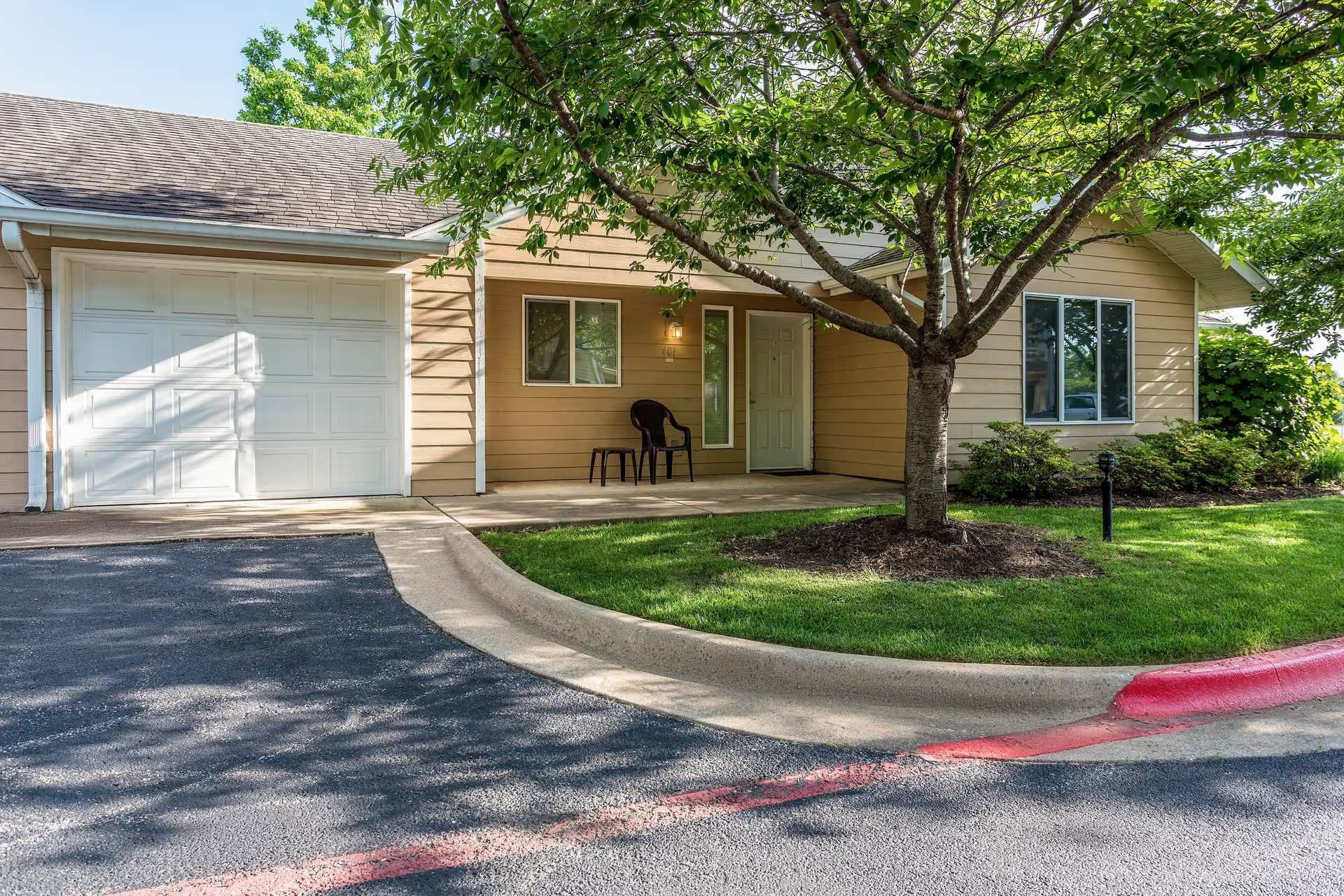
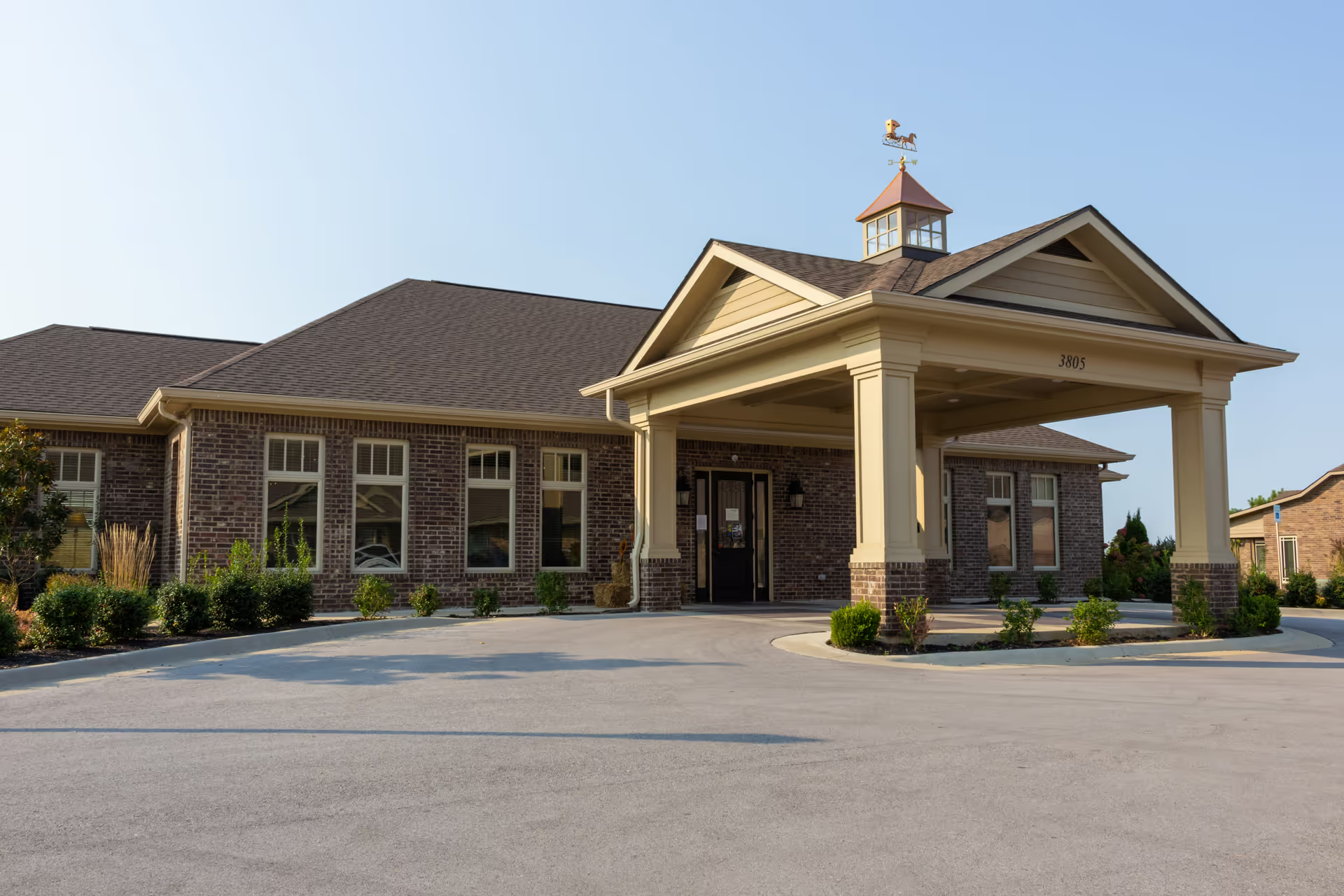
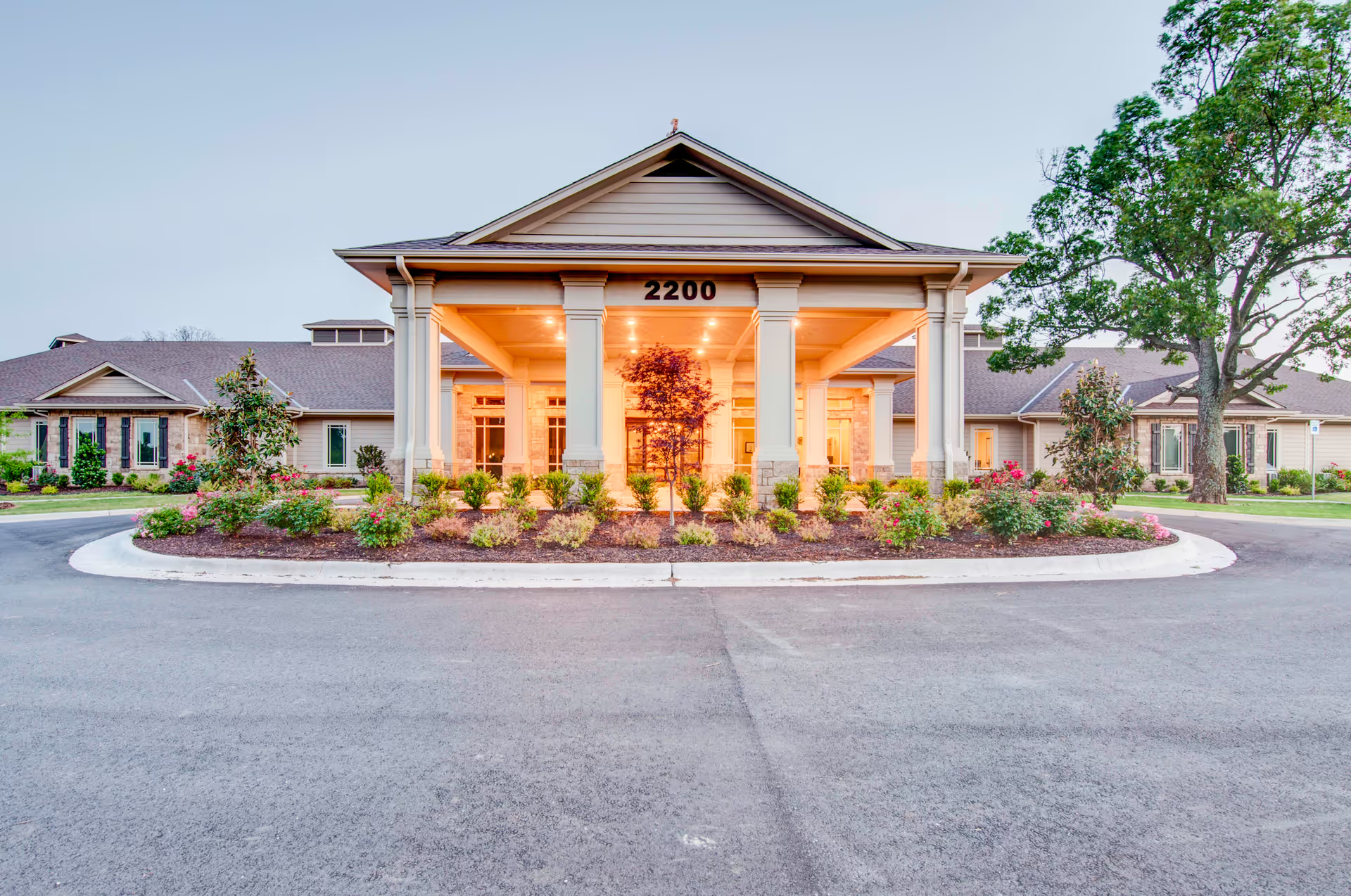
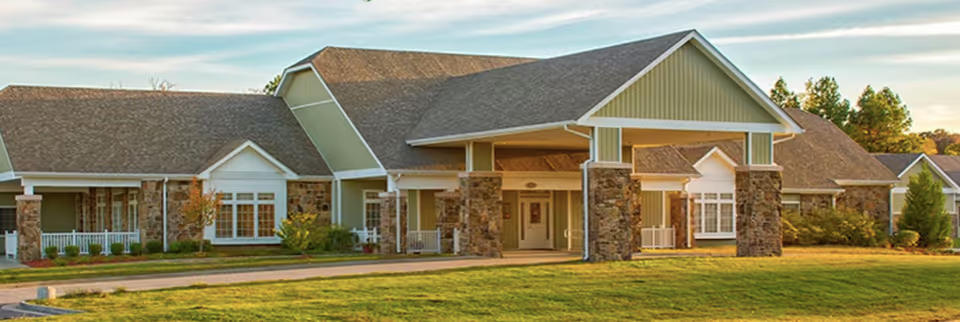
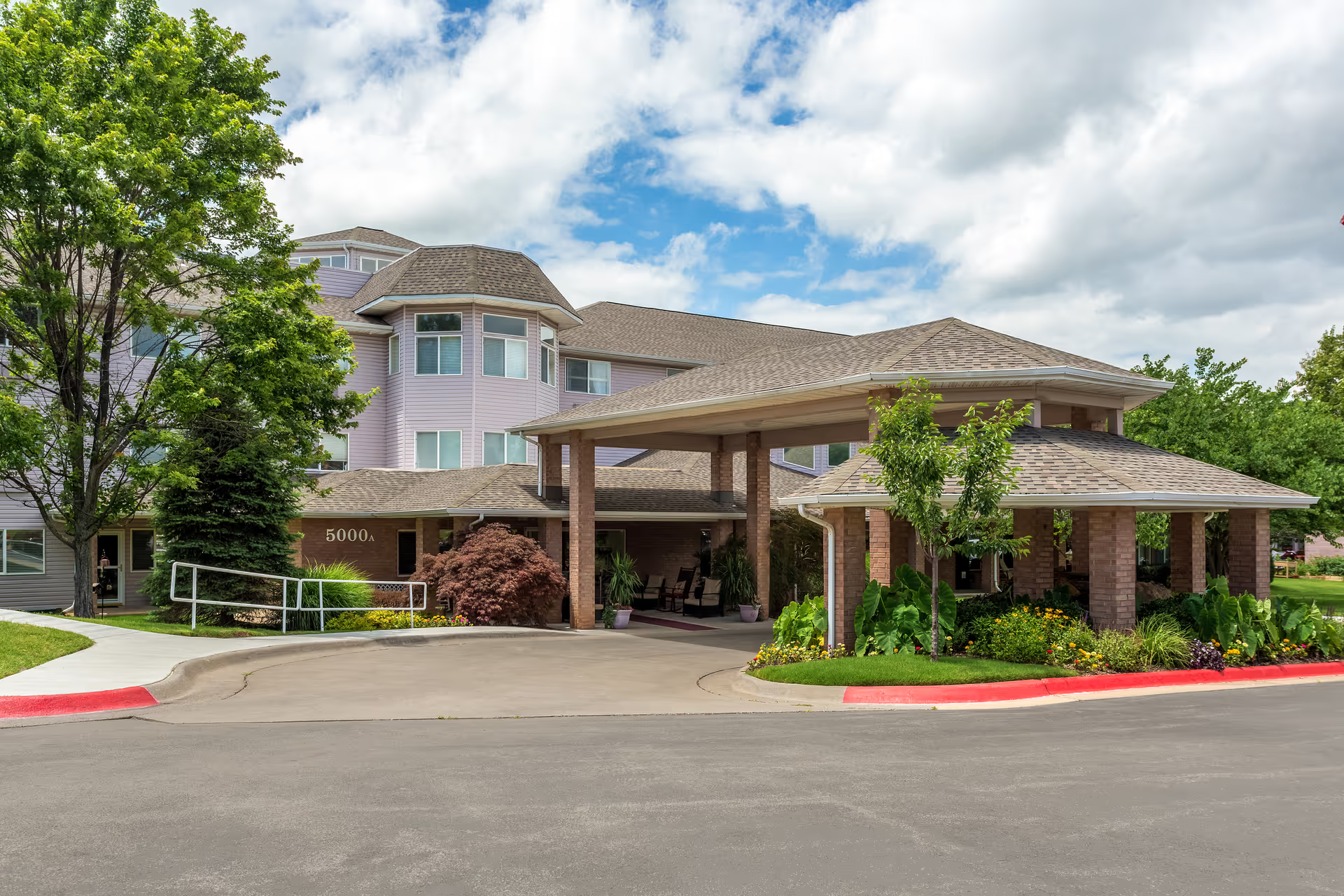
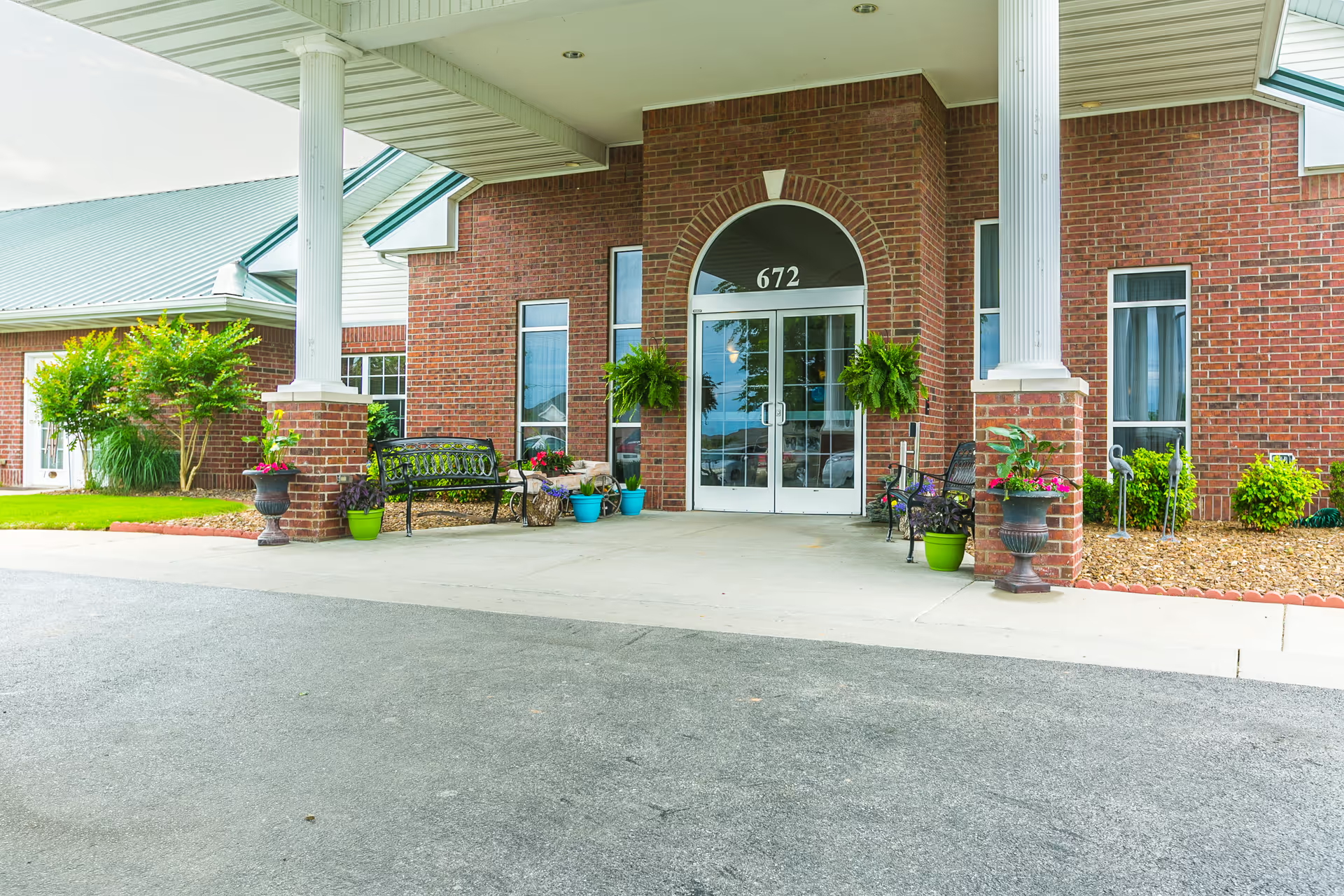
Facilities and environment: Physical spaces are generally considered clean and well-maintained, with upscale common areas and flexible room setups that allow residents to bring personal furniture and televisions. The presence of a locked memory-care unit and a waiting list indicates local demand for memory services. At the same time, there are intermittent sanitation and pest-control concerns noted for some areas, which merit verification during a visit.
Management and operations: Operational weaknesses center on staffing levels, communication, and administrative follow-through. Several accounts describe unreliable front-desk staffing and phone-system problems (e.g., ringing without answer, disconnections), inconsistent family notification practices, and occasional room moves or discharges without timely advance notice. Discharge planning and transfer communication have been characterized as rushed in some cases. These process gaps—when combined with staffing constraints—appear to be the primary driver of the negative experiences described.
Notable patterns and advice for families: The facility demonstrates substantive clinical and hospitality strengths but also shows recurring systemic issues related to workforce and communication. When evaluating Bradford House, prospective residents and families should (1) ask about current staffing ratios and turnover, (2) inquire how call-light response times and incontinence/personal-care routines are monitored and audited, (3) request the facility’s family-notification and discharge-planning procedures, and (4) verify pest-control and sanitation protocols. A tour that includes mealtime observation, a memory-unit visit, and a conversation with nursing leadership will help clarify whether the facility’s positive attributes are matched by consistent operational performance.