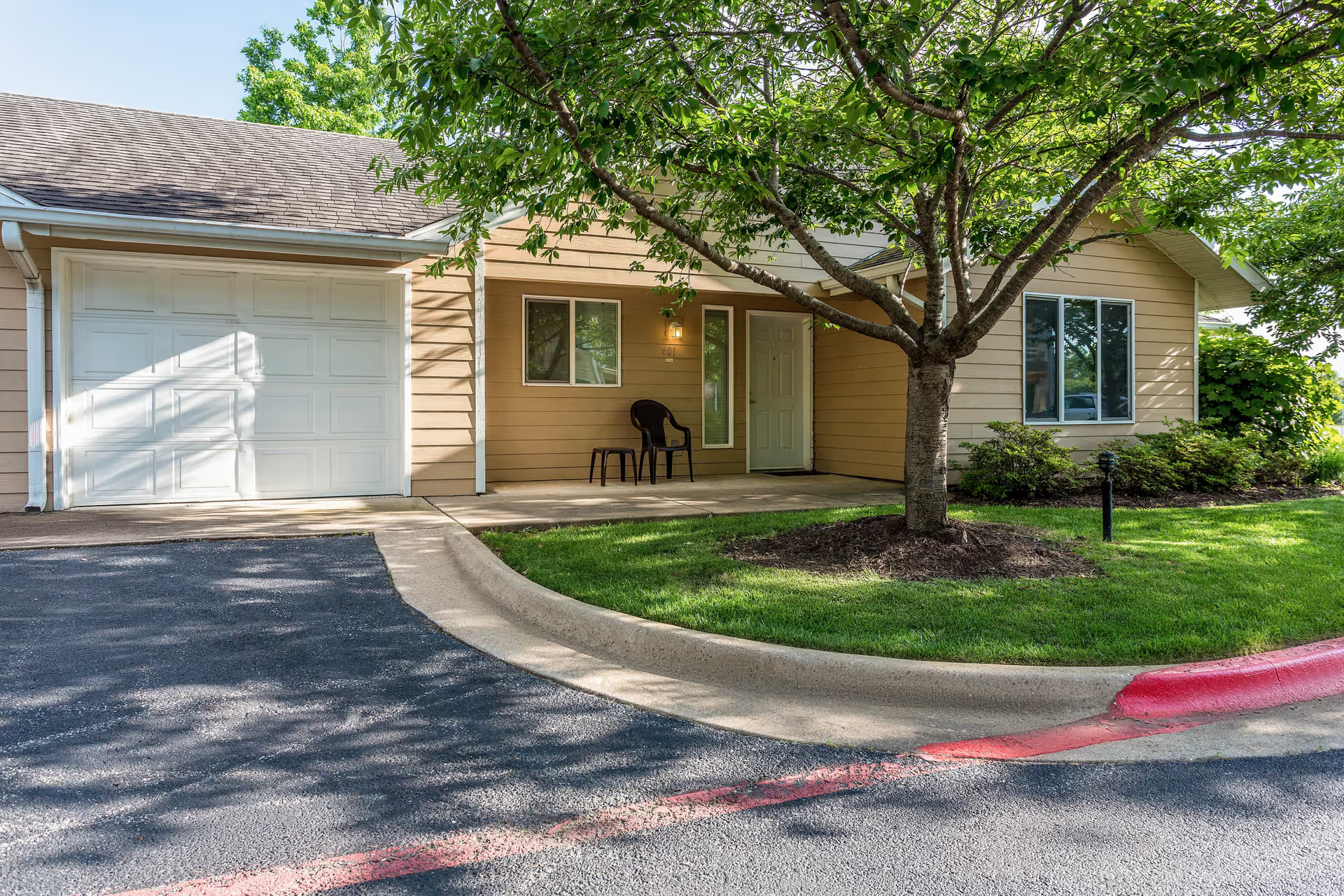
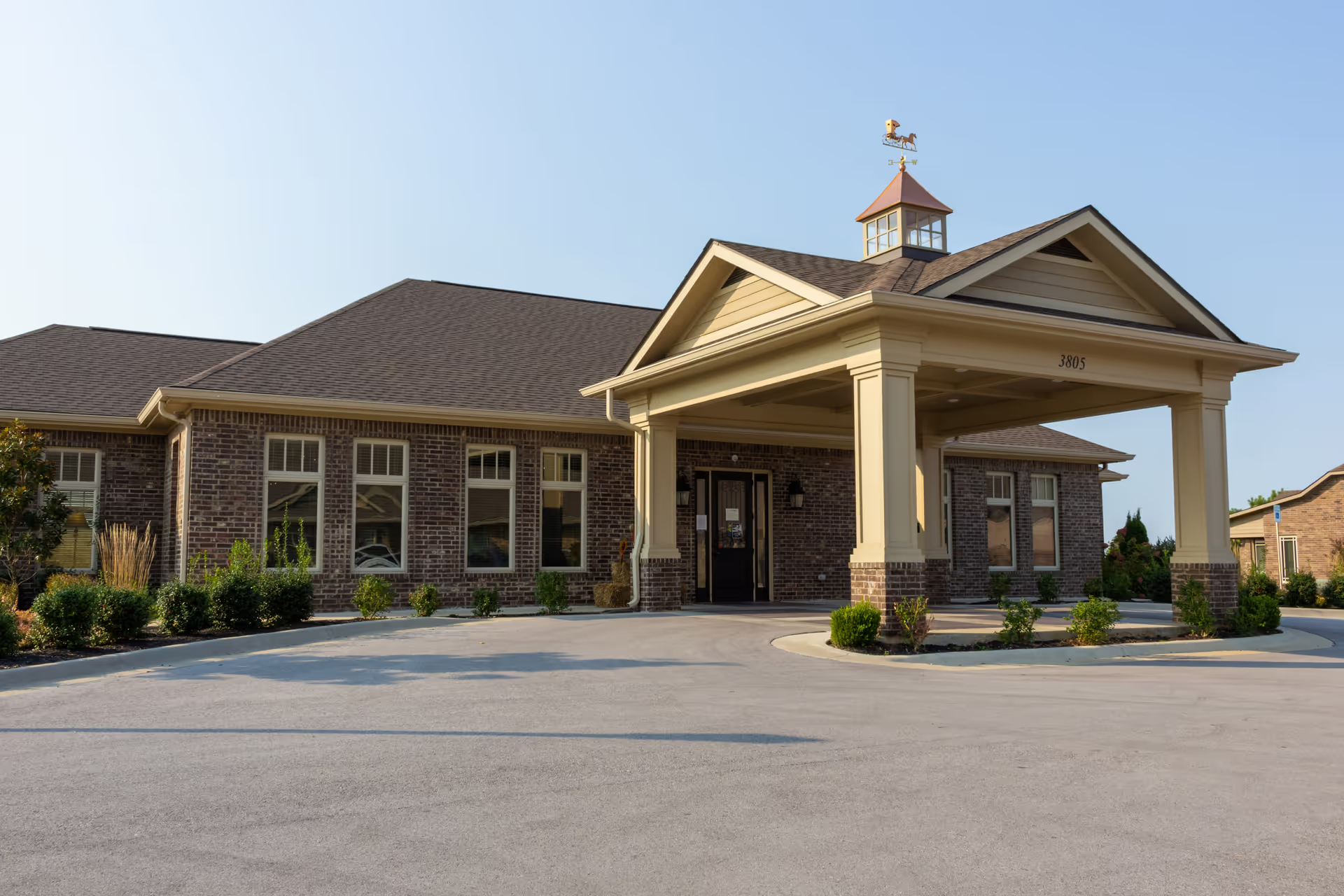
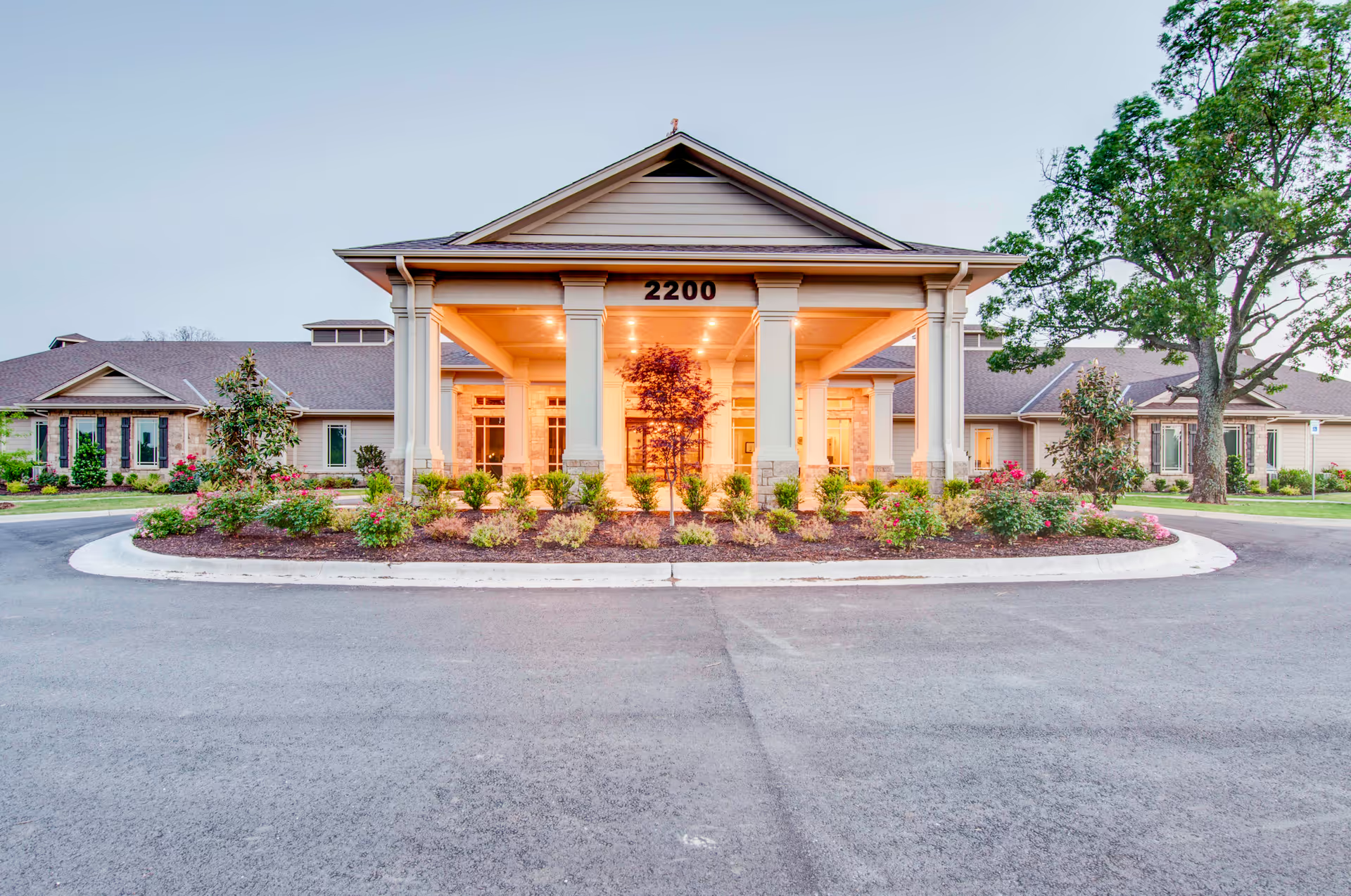
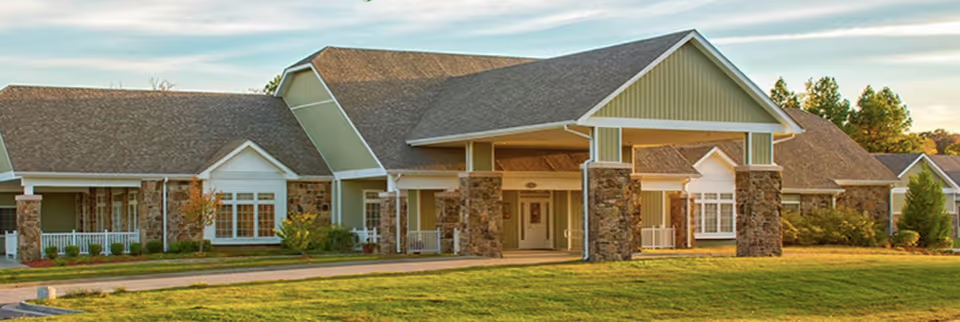
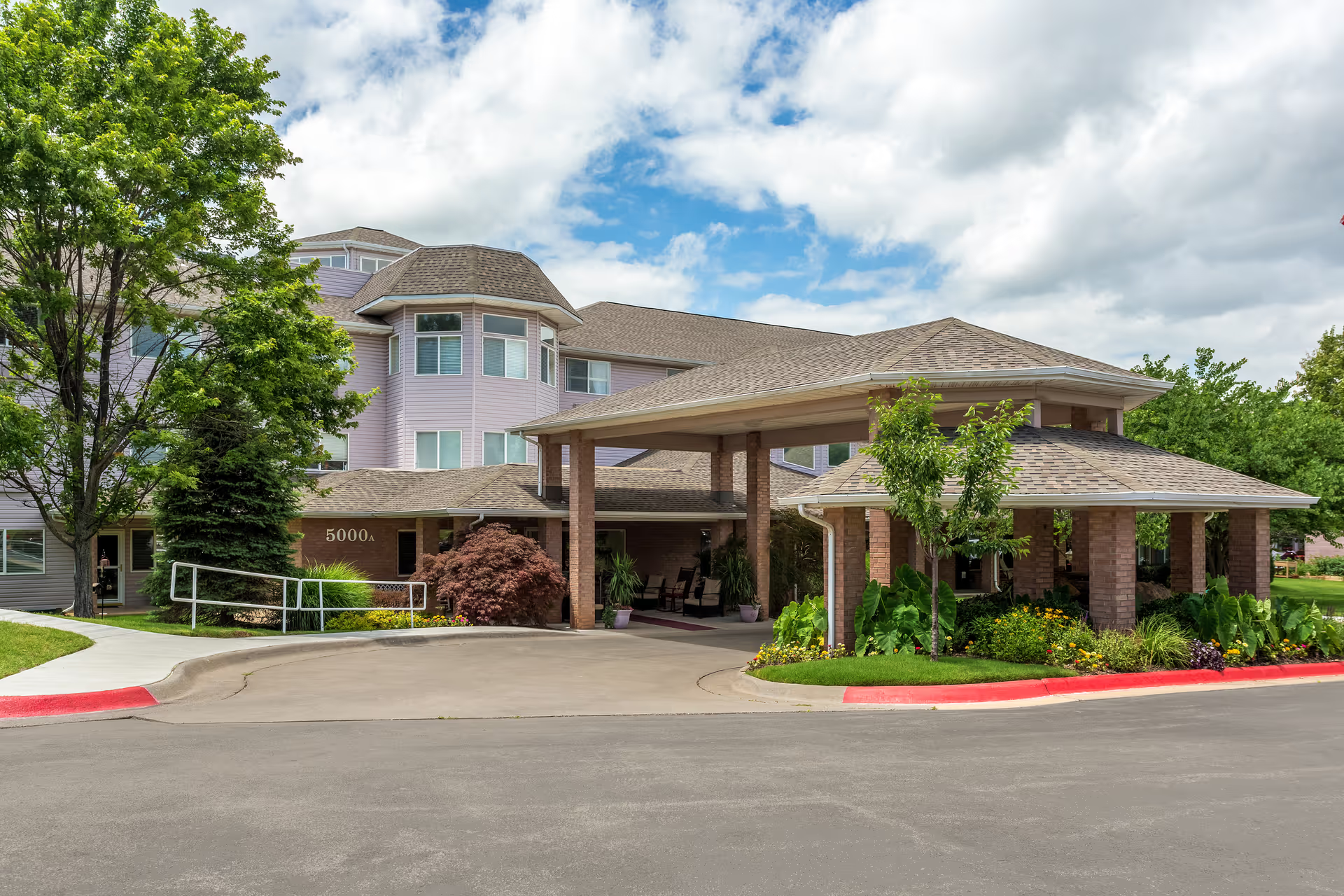
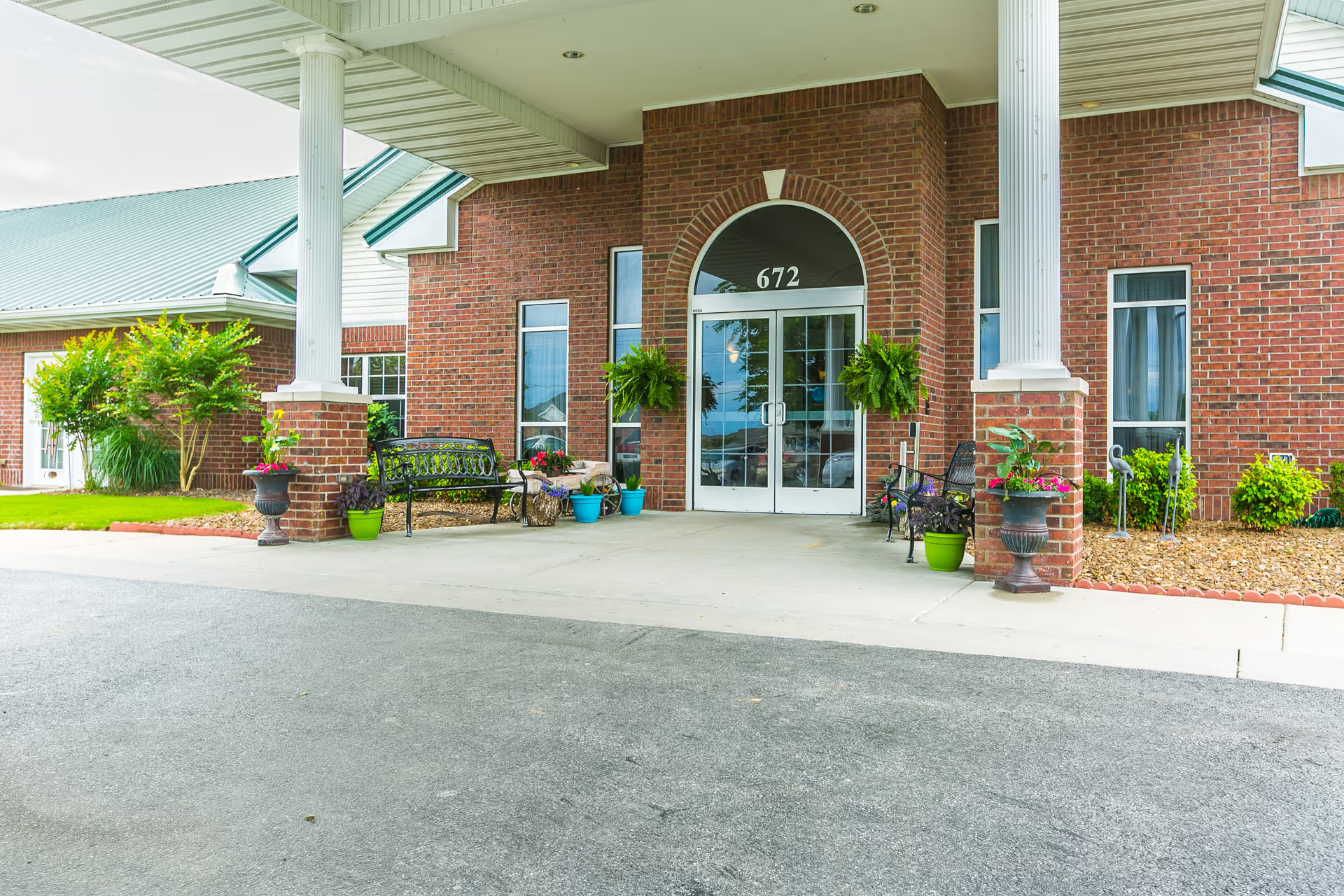
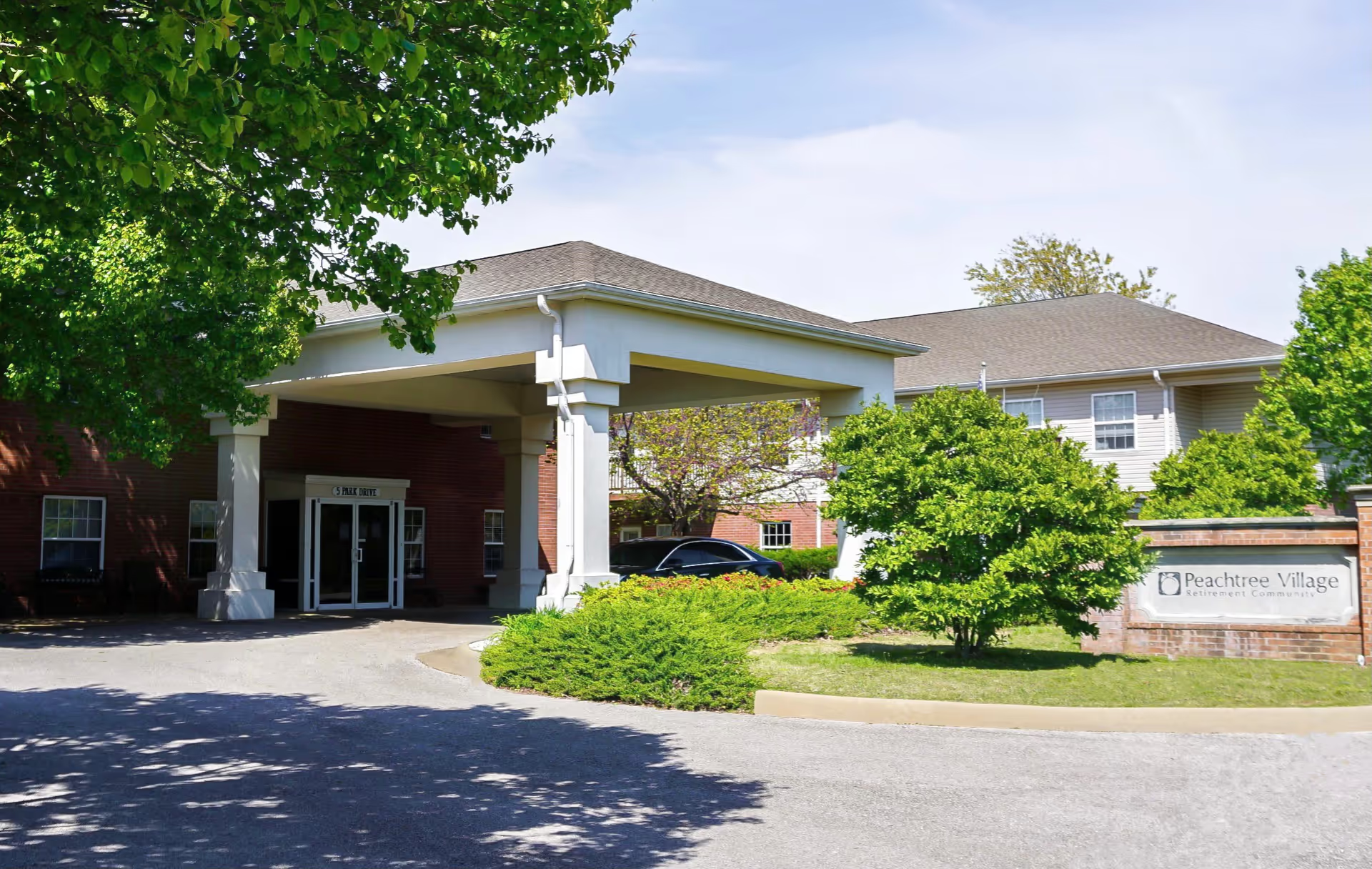
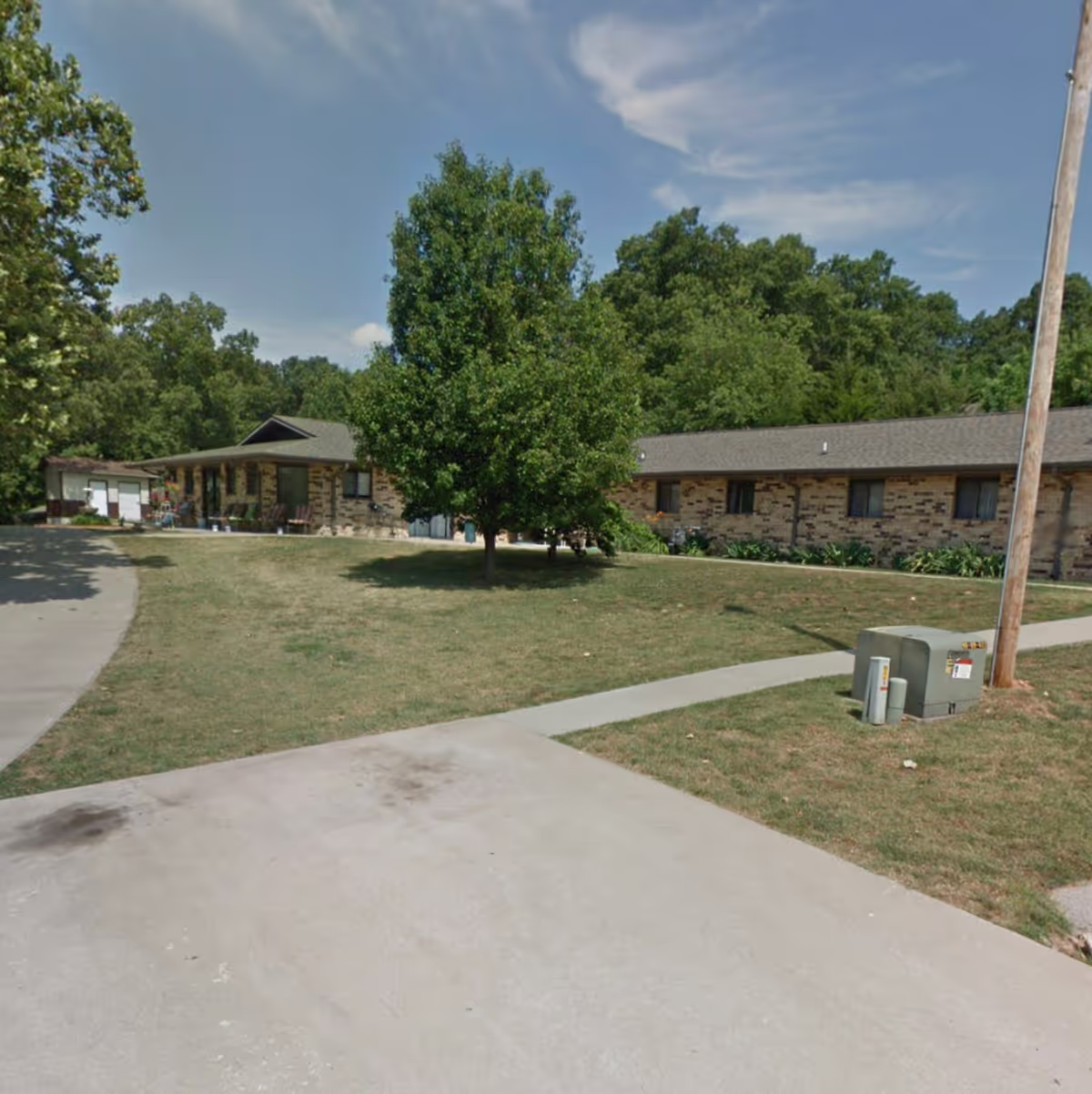
Overall impression: The Meadows presents as a family-owned independent and assisted living community that many families describe as caring, clean, and community-oriented. Reviewers frequently praised front-line caregivers, CNAs and nurses, and the facility’s maintenance team; common positive themes include individualized attention, staff who know residents by name, and support through transitions and bereavement. Apartments are noted for being spacious and well maintained, with private bathrooms and, in independent units, full-sized kitchens. The community offers a broad set of on-site amenities and an active social calendar, and is positioned as a budget-friendly option for families seeking a family-like culture.
Care and staff: Care quality is a prominent strength in the reviews. Many accounts emphasize compassionate, engaged staff who provide supportive, family-style care and assistance during transitions. Clinical caregiving (CNA and nursing) receives repeated commendation for responsiveness and kindness. At the same time, there are occasional mentions of administrative responsiveness and follow-up gaps; prospective families should clarify points of contact, escalation paths, and how differing levels of care are managed. There are also intermittent notes about staff professionalism that suggest variability in conduct or communication tone across shifts.
Dining: Dining impressions are mixed. Several reviewers describe appealing aromas, varied menus, and above-average offerings compared with other local options. Conversely, other reviewers indicated meals that could be improved or inconsistent food quality. Families considering the community should request sample menus, inquire about special-diet accommodations, and ask how culinary quality is monitored and addressed.
Activities and social life: The community offers a visible roster of activities — bingo, exercise, puzzles and games, themed festivals, family days, outings and field trips, movie nights, and weekend gatherings. These programs support an active lifestyle for many residents. A subset of feedback characterizes activity programming as limited in variety or lower in energy; this suggests programming can be robust but may not meet every resident’s preferences. Prospective residents should review activity schedules and observe programming during a visit.
Facilities and environment: Physical accommodations are generally described as clean, roomy, and comfortable, with useful communal spaces such as a clubhouse, walking areas (indoor and outdoor), salon, chapel, and theater. Some areas, however, show dated decor and furniture and could benefit from updating. Specific concerns about the memory-care unit include a perception that certain memory-care areas feel dim or closed-in; reviewers recommended lighter colors and improved lighting to make those spaces more inviting. Smoking is permitted on campus, which may be an important policy consideration for some families.
Management and operations: The family-owned management model is repeatedly cited as a positive factor, with owners described as communicative and flexible about individualized arrangements. Reviewers credited staff for facilitating smooth move-ins and transitions, including temporary and extended stays. Operational caveats include variable administrative follow-up and questions about staffing levels in memory care; one mention of a memory unit staffing ratio suggests families should ask for current staffing models and how the facility adjusts staffing for acuity changes.
Notable patterns and recommendations: The dominant strengths are compassionate caregiving, a clean and home-like atmosphere, and a broad amenity set that supports social engagement. The main operational caveats are inconsistent dining perceptions, dated decor in parts of the building, the memory-care environment and perceived staffing levels there, and occasional administrative or professionalism issues. For families considering The Meadows, a recommended tour checklist includes: visit the memory-care neighborhood during daytime hours to assess lighting and openness; taste or sample meals and review special-diet procedures; ask about current staffing ratios and shift coverage for memory care; confirm laundry logistics and smoking-policy boundaries; and observe an activity or social event to evaluate programming fit.