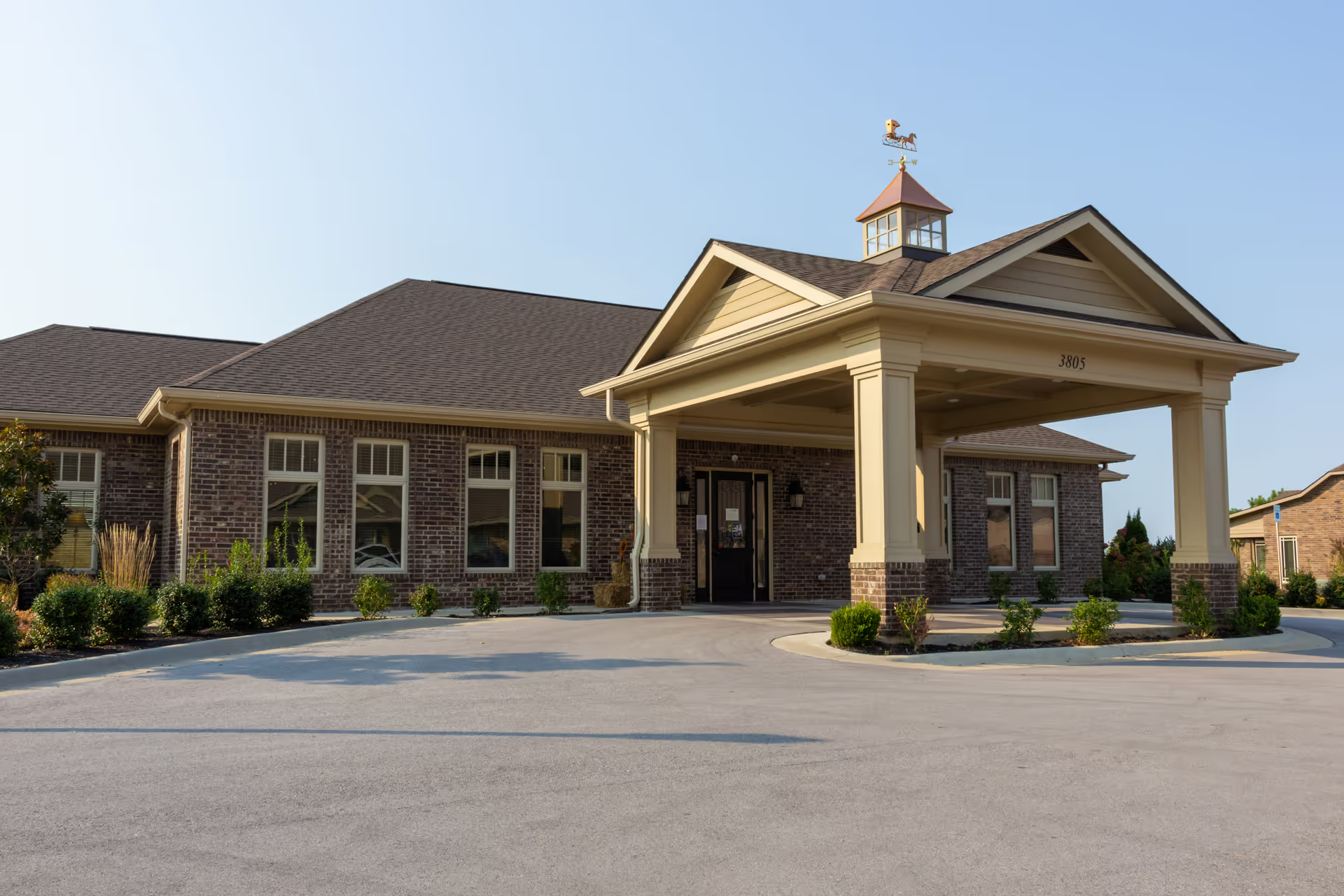
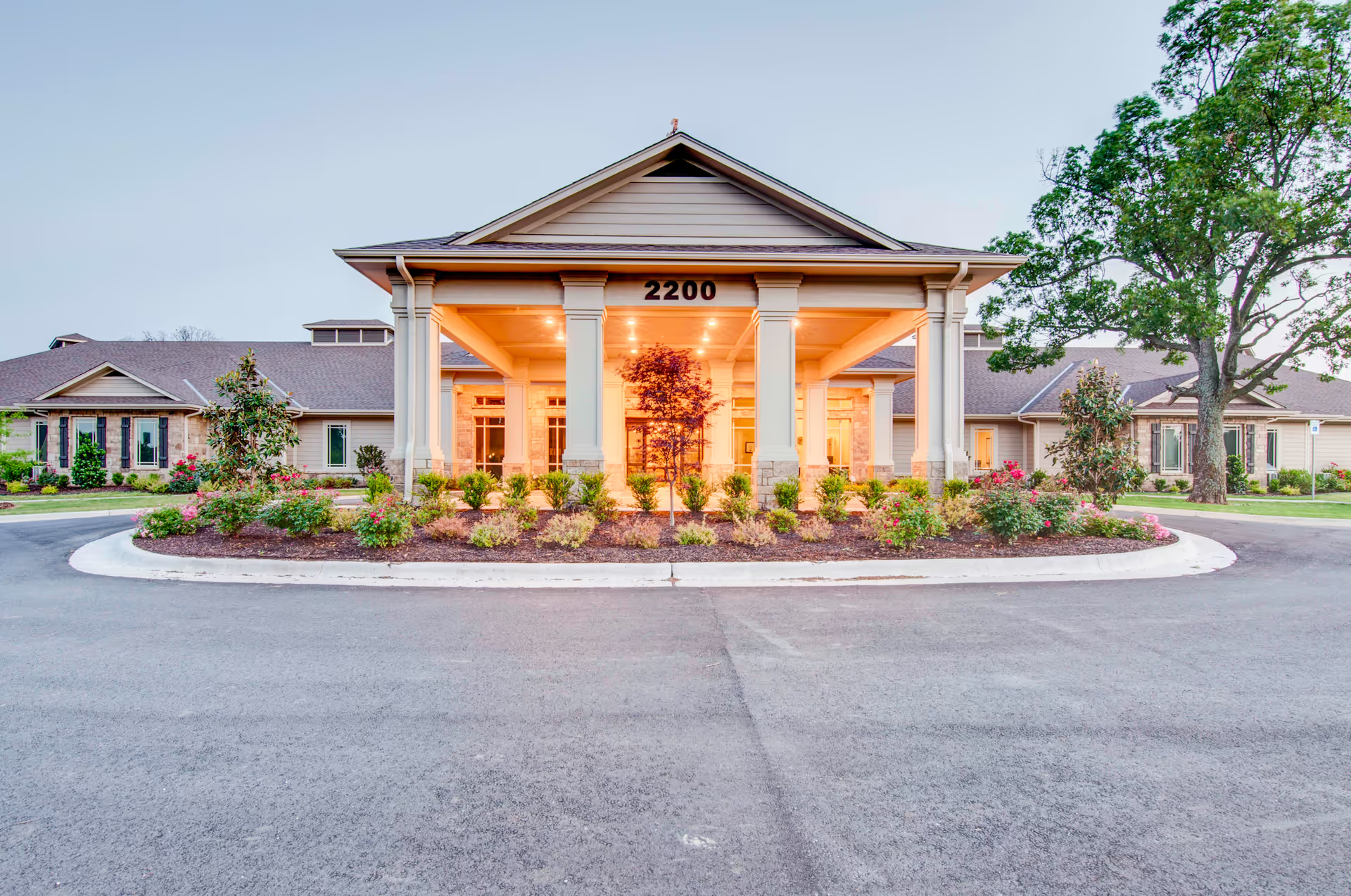
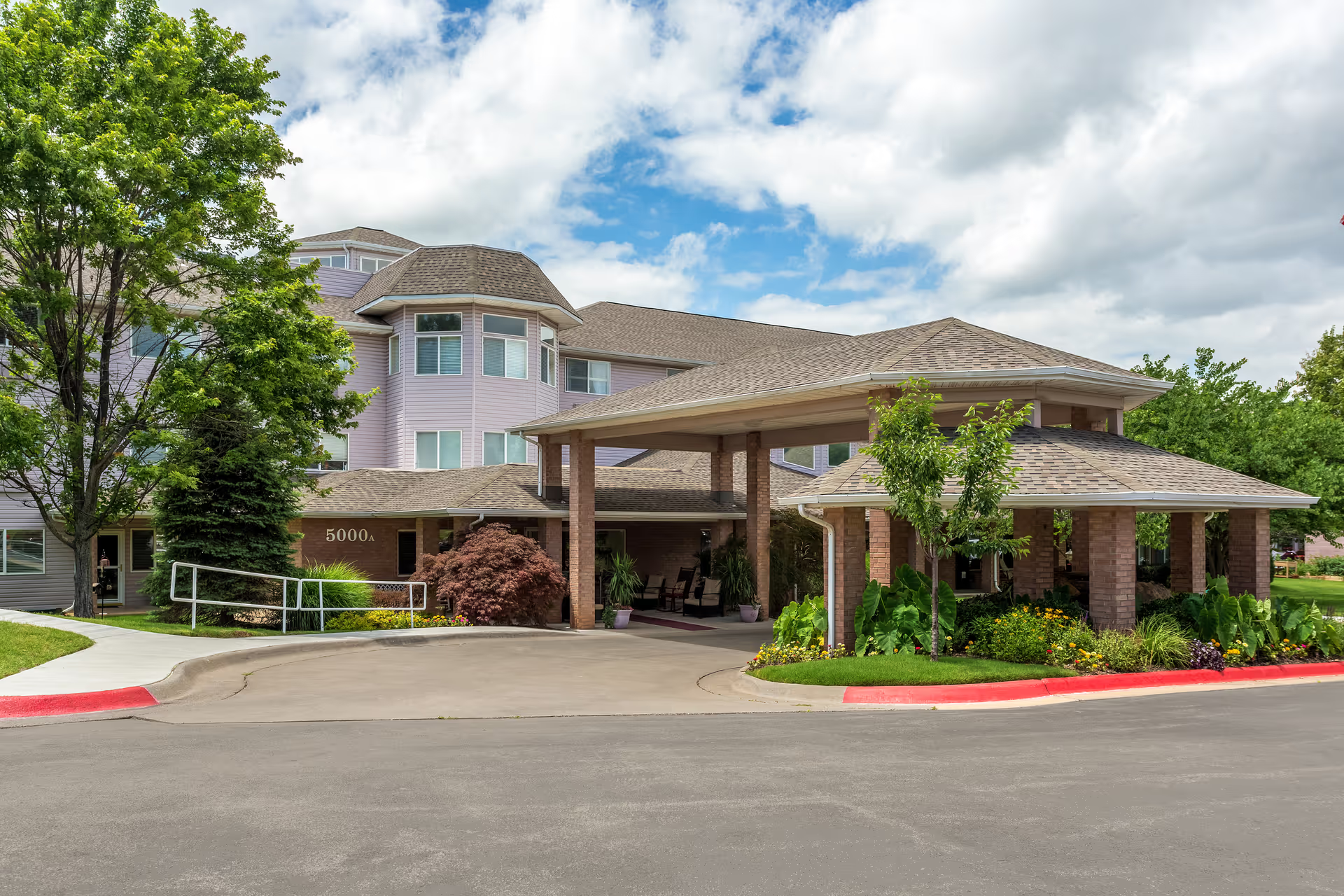
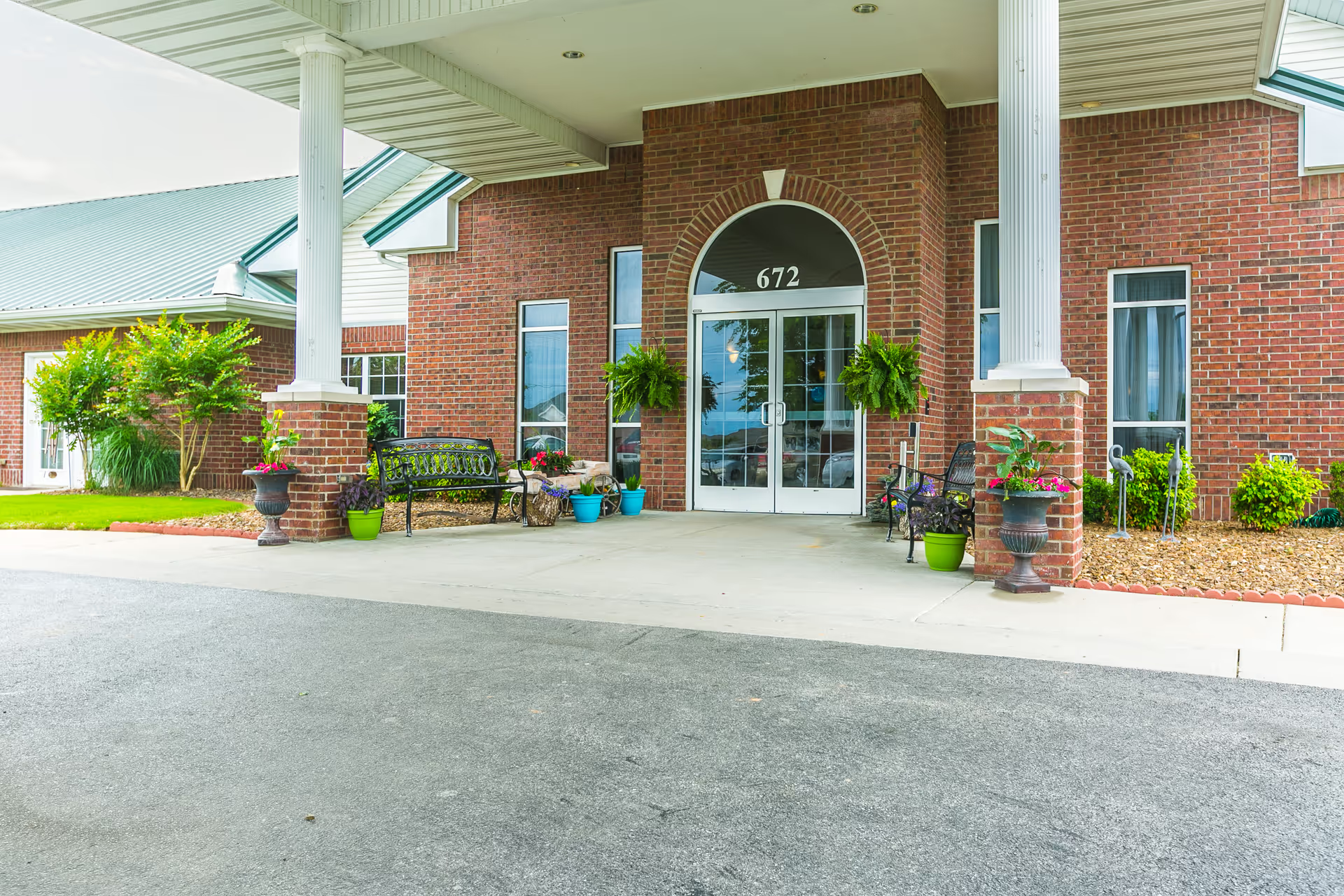
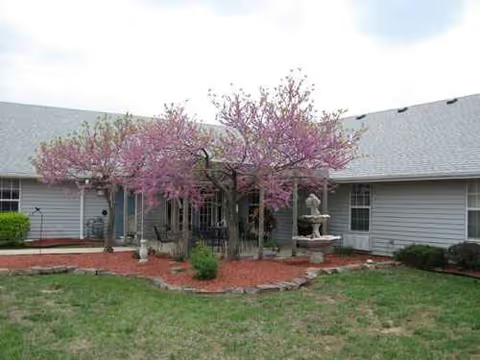
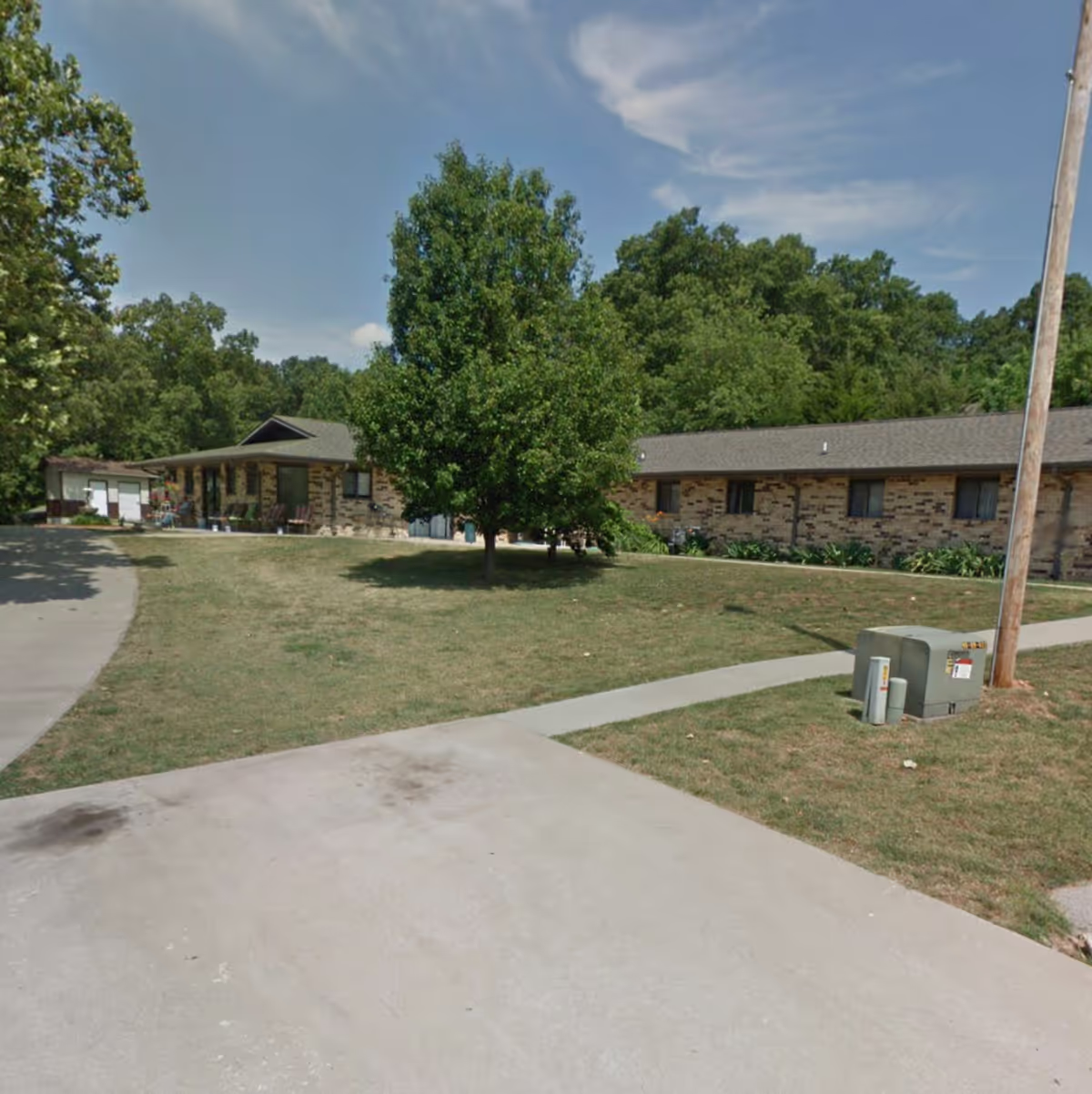
Apple Creek Health and Rehabilitation elicits a mix of strongly positive comments and noteworthy operational concerns. Many families and residents praise the clinical rehabilitation services: reviewers consistently highlight a strong physical and occupational therapy program, an up-to-date therapy gym, and staff who are skilled at helping residents regain mobility. Nursing and CNA interactions are frequently described as attentive and compassionate, and admissions and day‑to‑day communications (including COVID updates and medication information) are often cited as clear and timely. The facility’s physical environment receives positive marks as well: private rooms with en-suite bathrooms and walk-in showers, well-kept interiors and exteriors, courtyards and outdoor access, and an overall homey atmosphere for many residents.
At the same time, a number of operational weaknesses recur across reviews and warrant careful consideration. Staffing consistency and coverage emerge as a central concern: reviewers describe occasions of limited staff availability, long caregiver-to-resident ratios, and delays in attending to resident needs. This ties into reports of variability in staff conduct and communication tone; while many staff are characterized as friendly, others are perceived as brusque or impersonal. Related safety themes appear in comments about mobility assistance and transfers, where reviewers describe situations that suggest gaps in transfer-safety practices and lifting support. Families should evaluate lift and transfer protocols and staffing levels during a tour.
Dining and supportive services are mixed in feedback. Several reviewers praise general meal quality and the presence of responsive dietary staff and on-site mobile dental services. However, there are specific concerns about management of therapeutic diets—particularly diabetic meal accommodations—which appears inconsistent for some residents. Activity offerings receive both praise and critique: the facility’s courtyards, dog-visitation program, and some social programming are valued, but others describe reductions in activities or limited engagement, especially over longer stays.
Facility maintenance and infection-control communication are generally seen as strengths, yet a subset of reviews note odor or sanitation concerns in particular areas. Discharge planning and transitions also surface as an area for improvement: reviewers describe delays in discharge processes and care coordination that can complicate transitions back home or to other settings. Finally, perceptions of management responsiveness vary; while some families felt well informed and supported by leadership, others described decisions and visitation policies that felt inflexible or inadequately explained.
In summary, Apple Creek appears to offer robust rehabilitation services and many strengths in staffing, facility amenities, and family communication. Prospective residents and families would benefit from an on-site evaluation focused on staffing ratios at the unit level, mobility- and transfer-safety protocols, diabetic and therapeutic-diet procedures, activity schedules for long-term residents, and how management communicates about visitation and care transitions. This targeted assessment will help determine whether the facility’s operational practices align with an individual’s clinical and social needs.