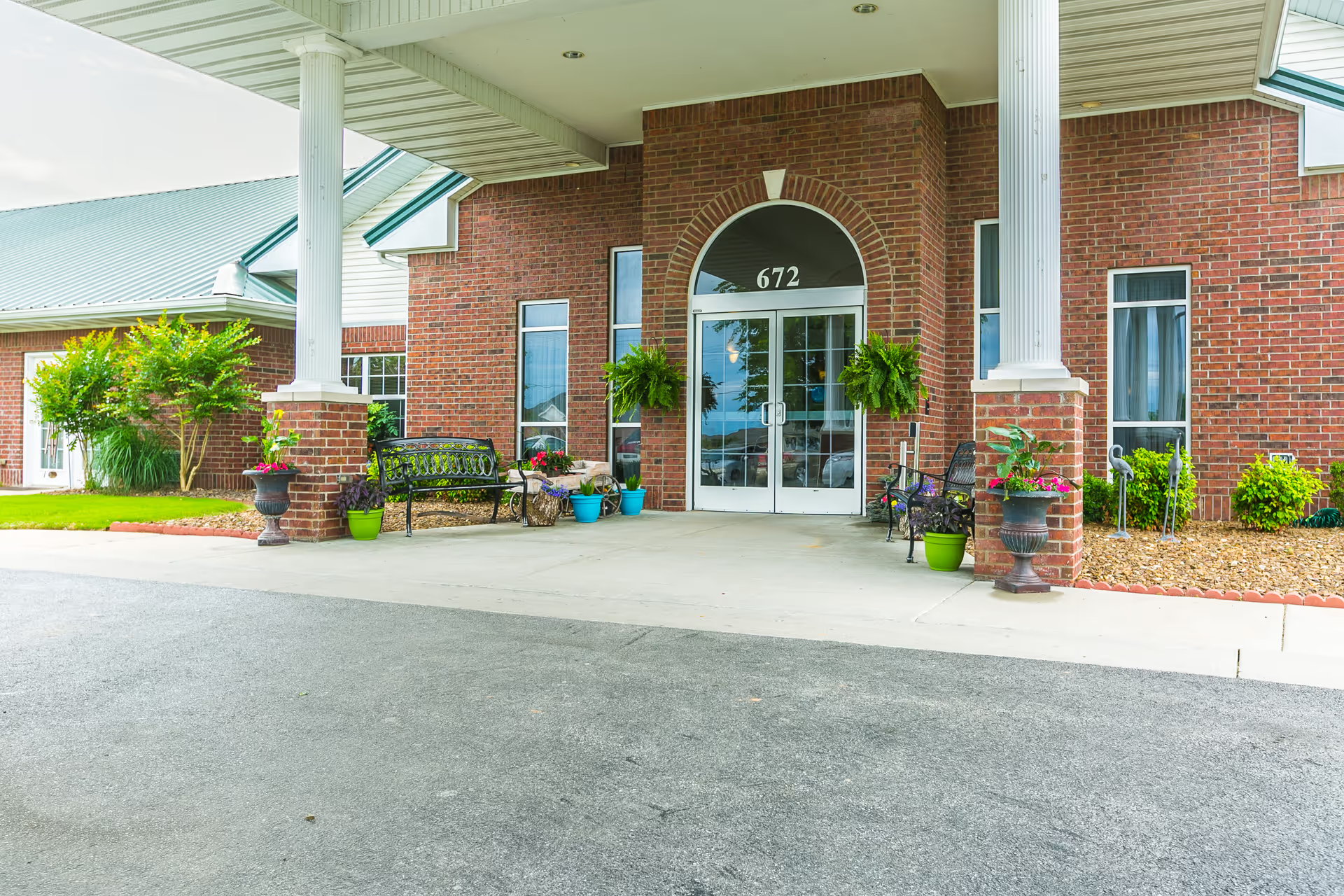
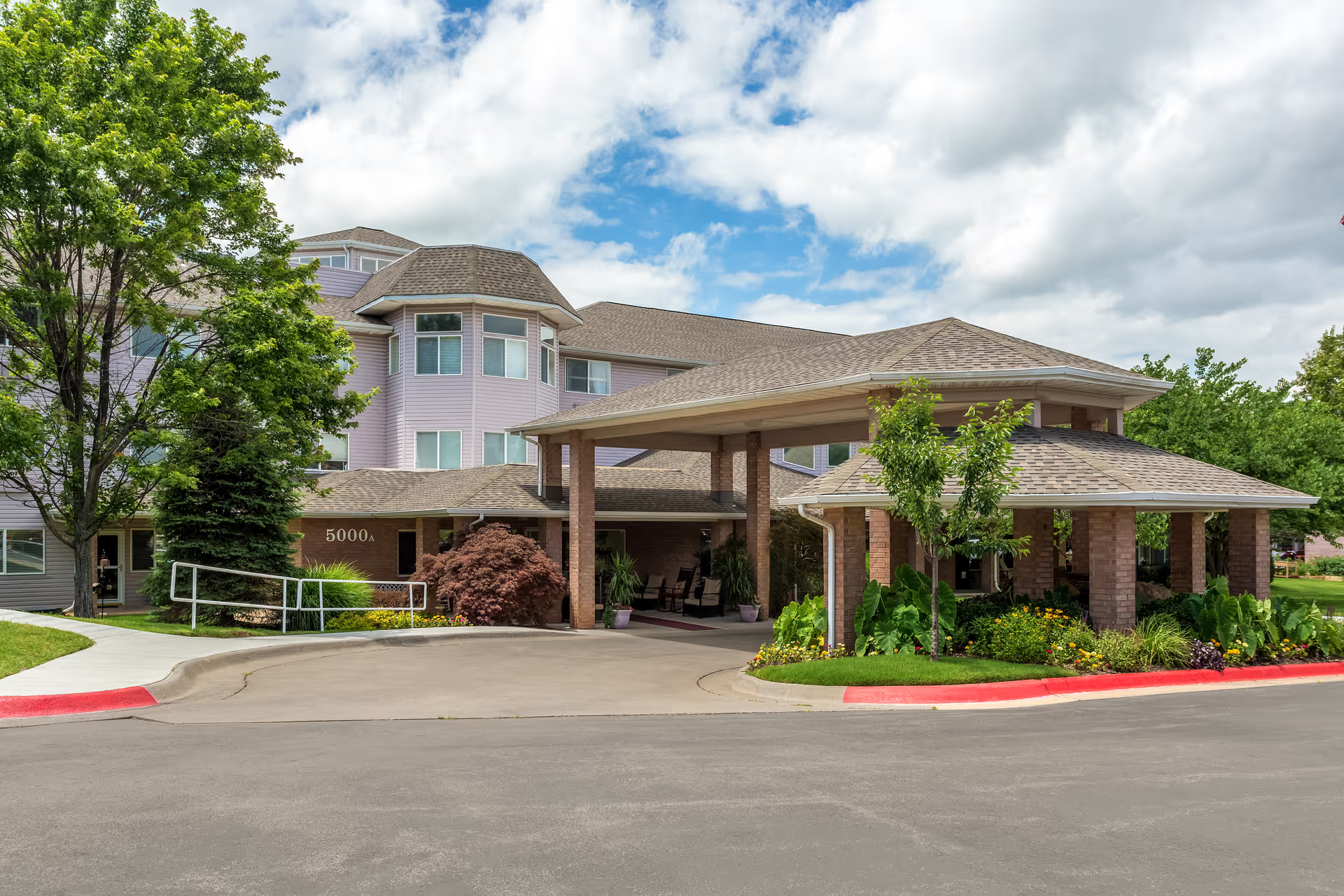
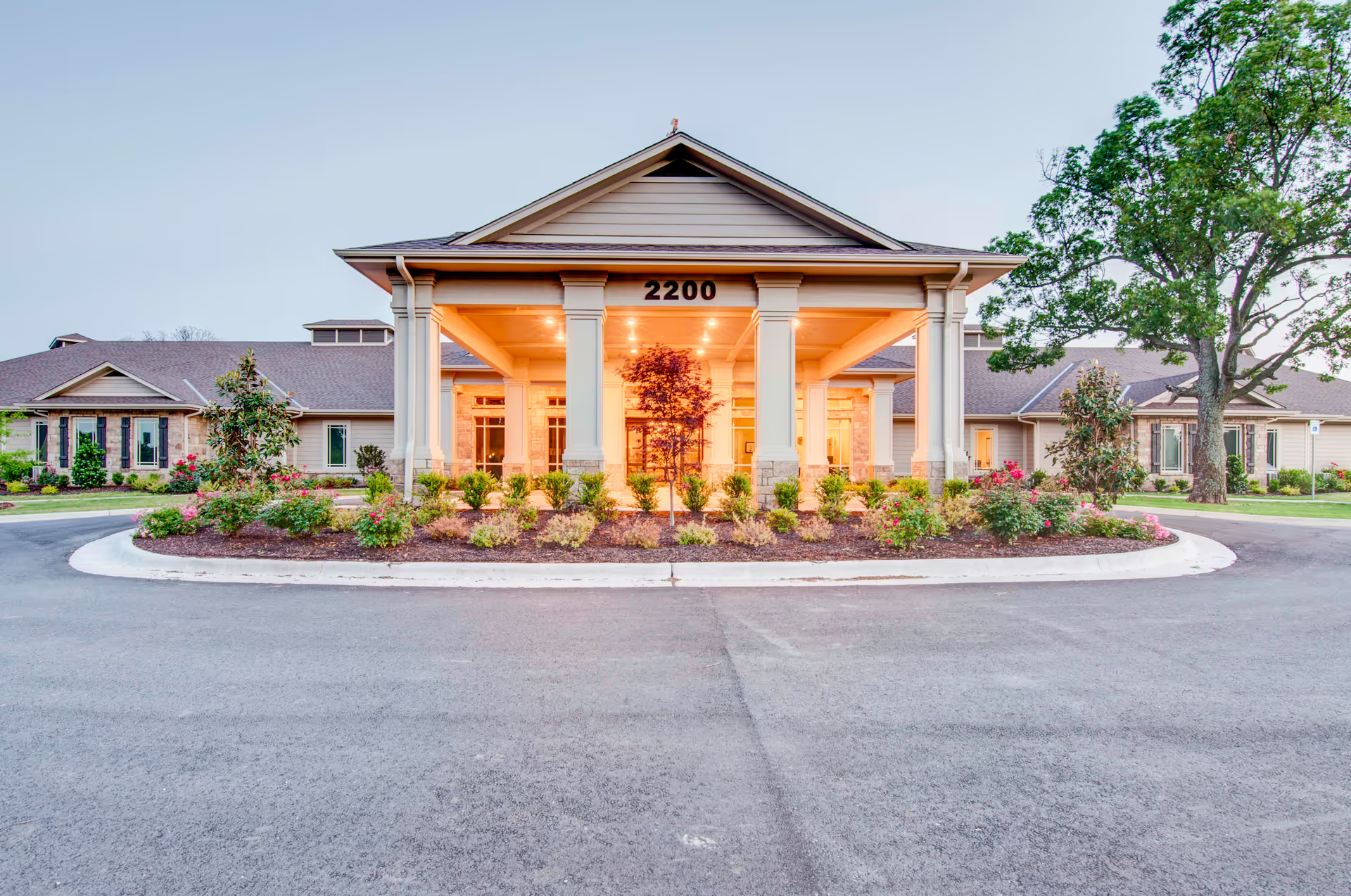
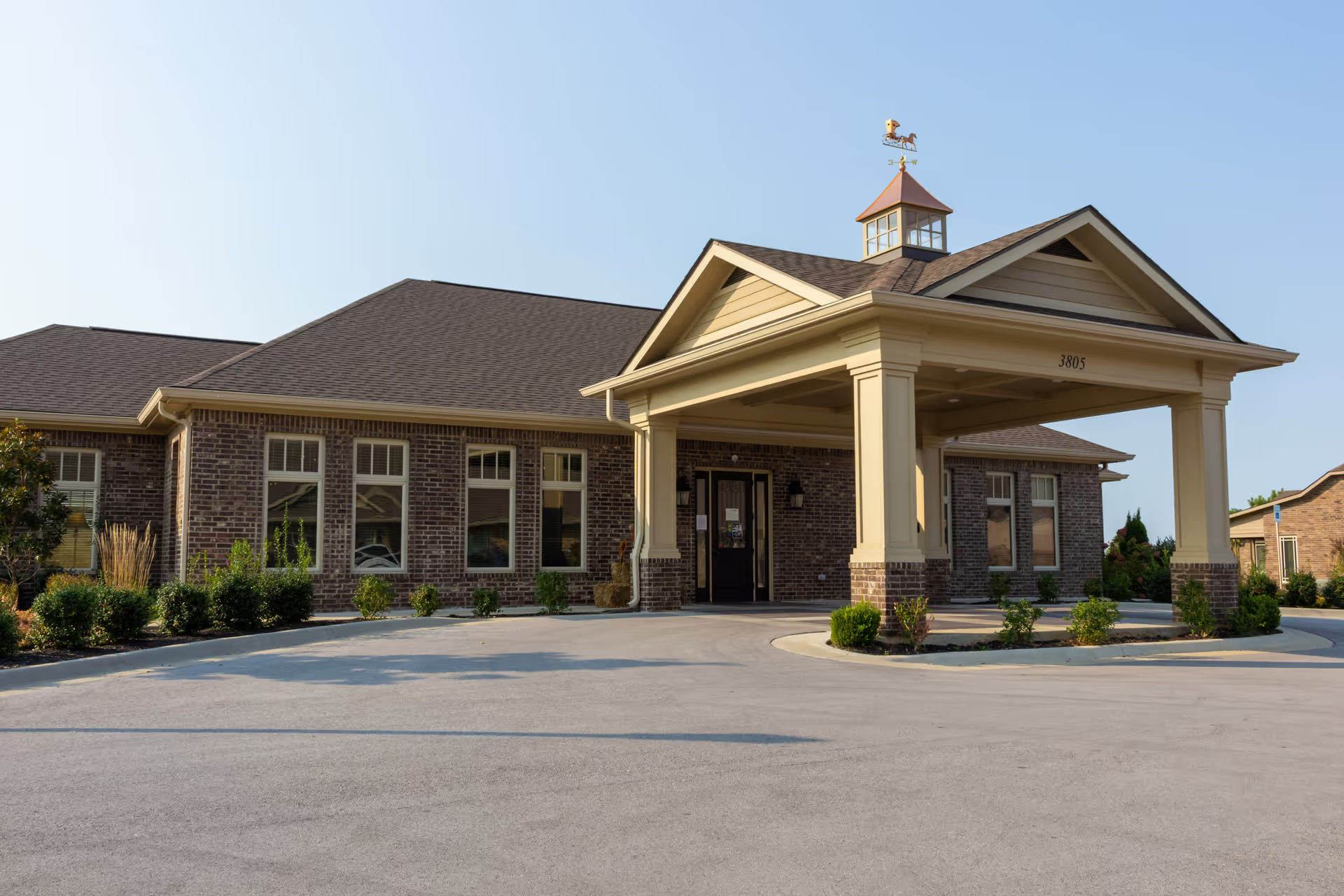
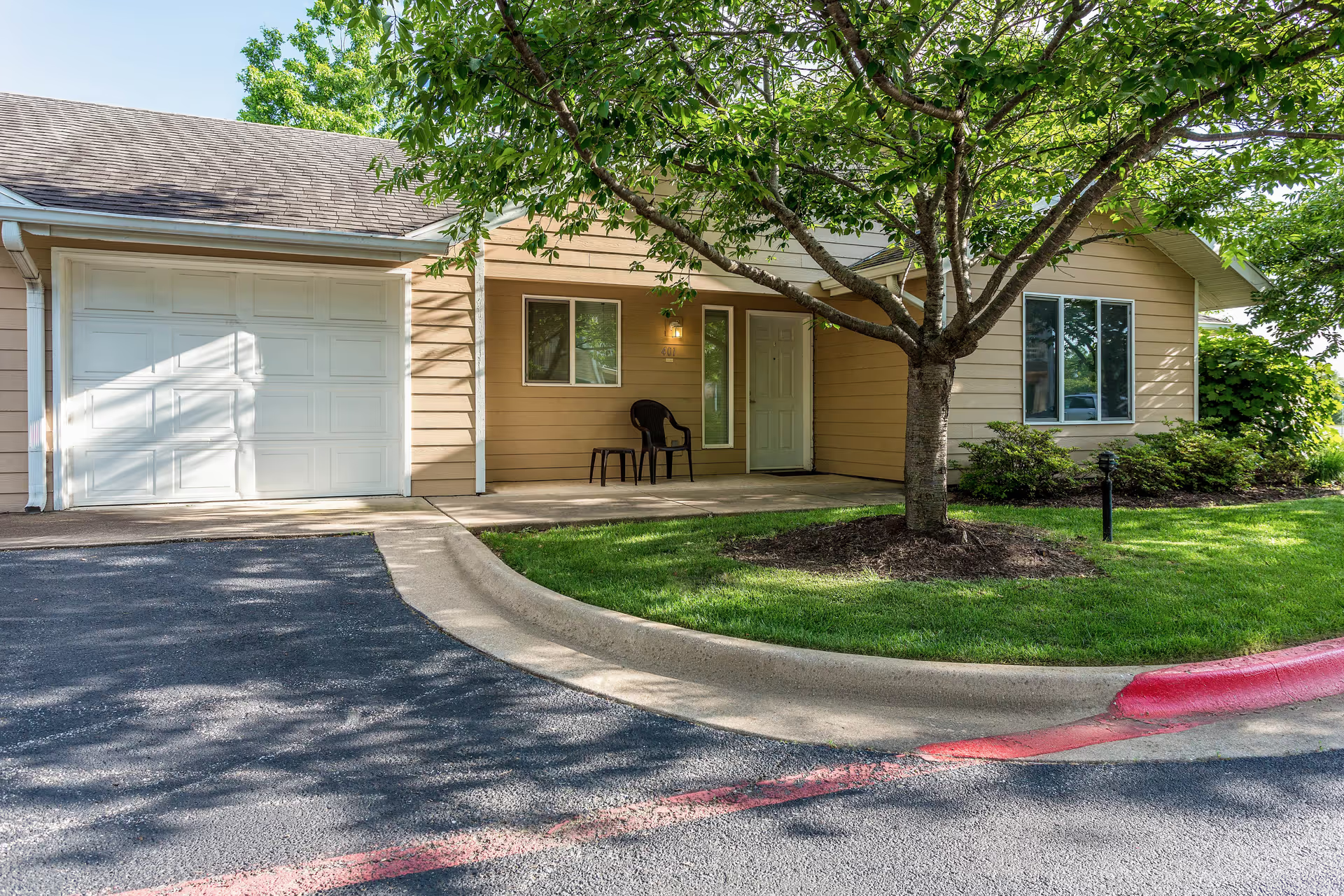
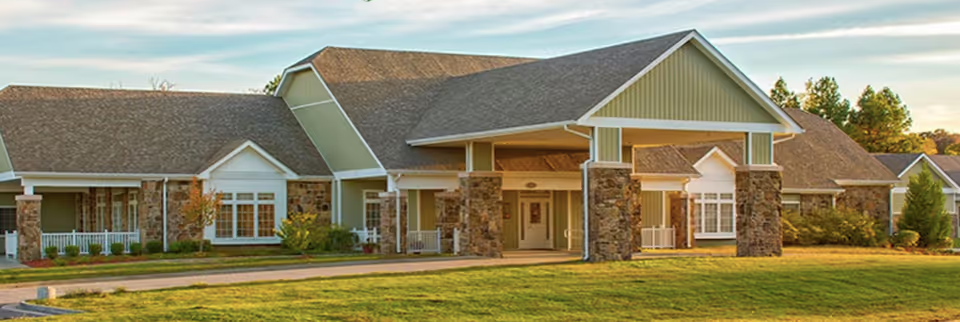
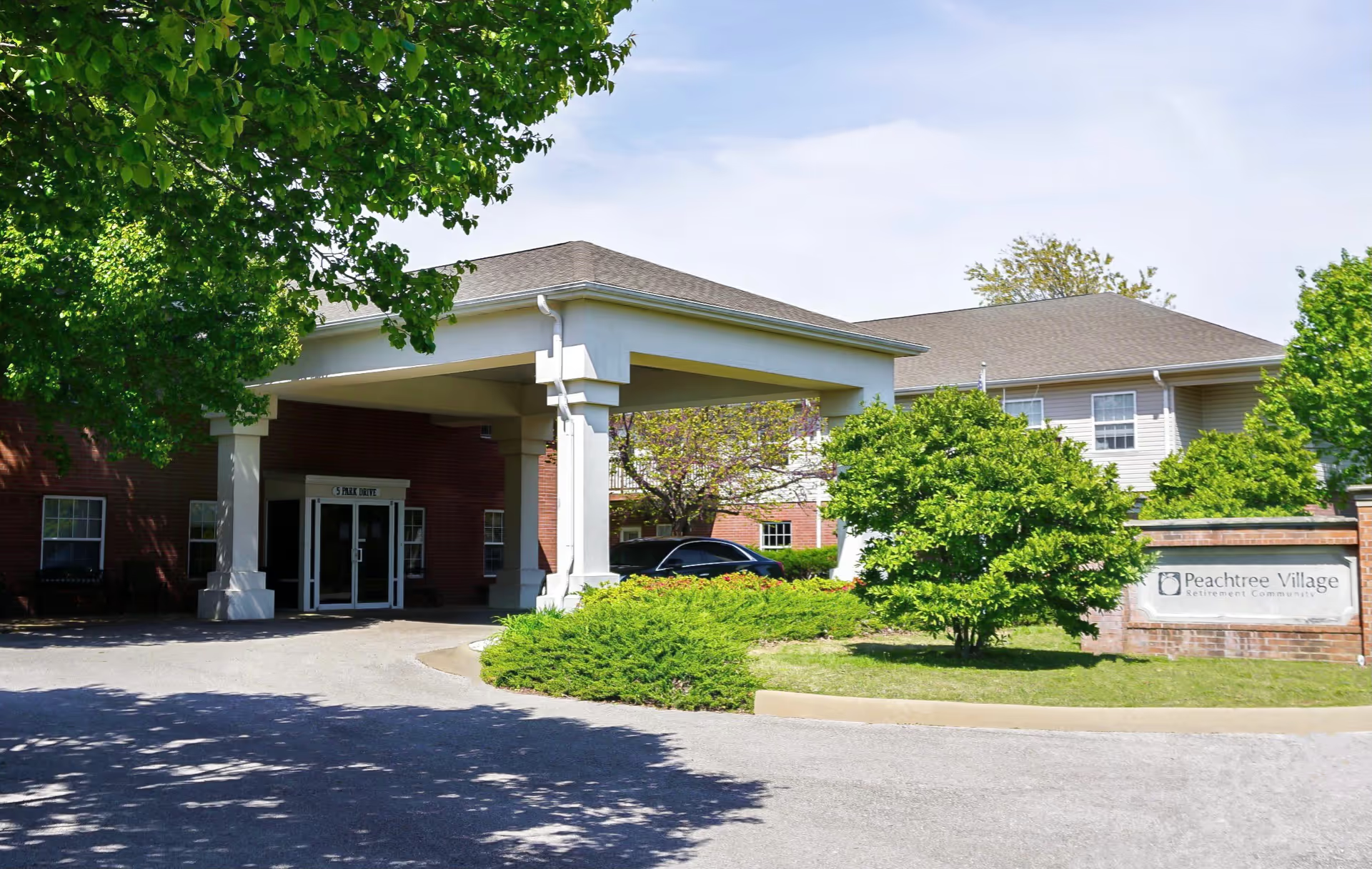
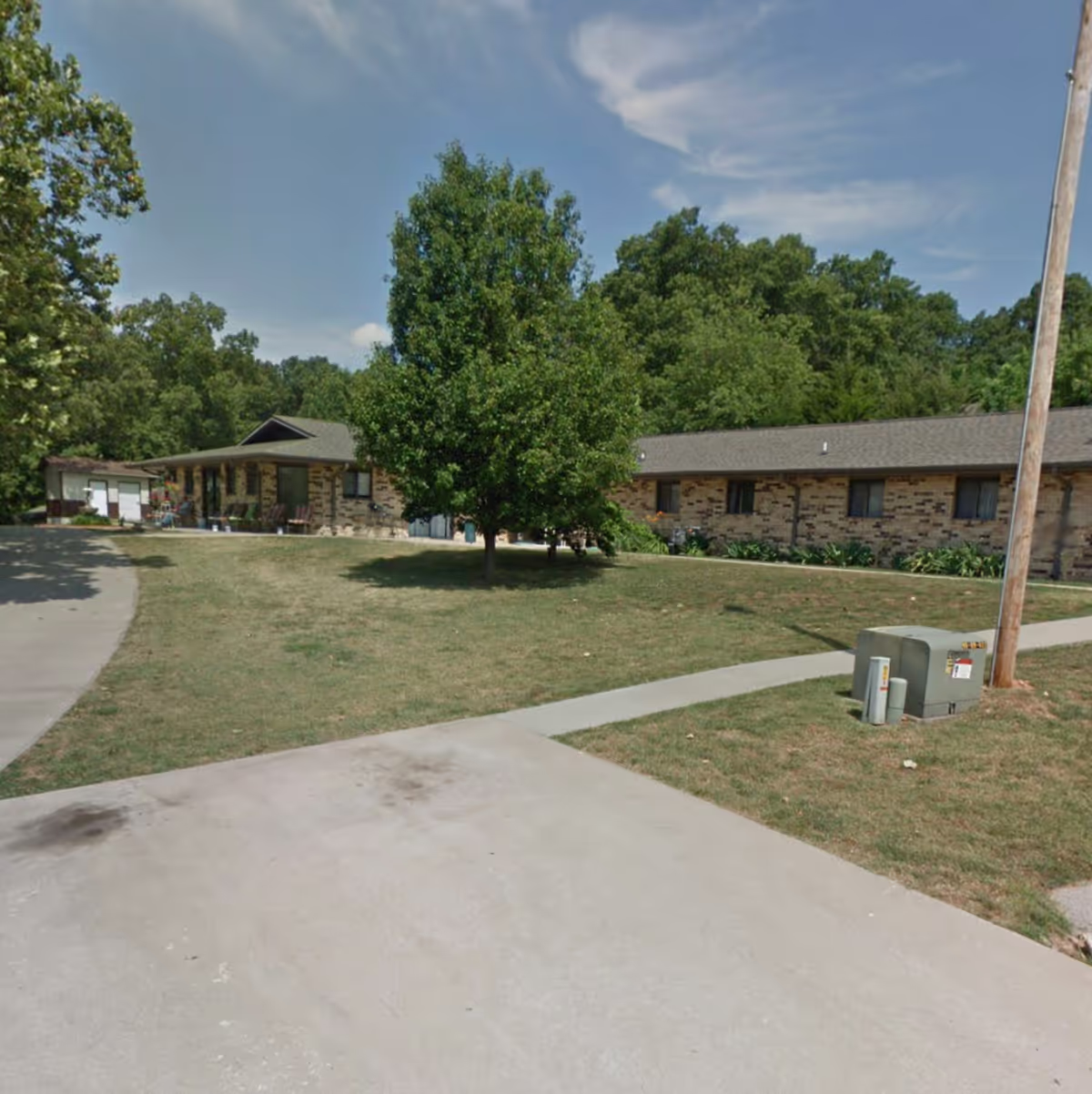
Butterfield Trail Village is consistently described as a high-amenity, campus-style senior living community with extensive social programming and well-appointed physical spaces. Reviewers praise the aesthetic qualities of the grounds and buildings, the variety of housing types (including apartments and cottages), and a range of on-site amenities such as a bistro, convenience store, library, performance hall, and a UAMS clinic. Dining is frequently highlighted as a strength — buffet service, a strong culinary team, and varied menus — and the community offers a broad slate of activities, fitness and wellness programs, personal training, and organized outings that contribute to an engaged, resident-driven atmosphere.
Staff and day-to-day care receive mixed but largely positive remarks. Many families and visitors describe staff as friendly, compassionate, and helpful, with timely responses from CNAs and RNs in the independent living setting. The community supports resident involvement through volunteer opportunities and resident governance, which appears to foster social cohesion and a village-like culture. At the same time, the facility requires independent living to be established initially, and there is limited intermediate on-site care between independent living and the skilled nursing level; several reviewers noted that delaying full-time clinical placement often requires hiring external caregivers.
More significant operational concerns center on the skilled nursing/healthcare unit and on facility upkeep. Several reviewers raised concerns about variable clinical quality in the healthcare unit and referenced low CMS scores and public incident/violation records; prospective residents should verify current regulatory and quality metrics directly. Separately, recurring themes include maintenance responsiveness problems: slow turnaround on repairs, roof and carport leaks, and issues requiring mold remediation. These maintenance and water-intrusion items have been framed by reviewers as both a safety and a comfort concern and suggest the need to evaluate current facility maintenance protocols and timelines.
Administrative and service-level patterns also emerge. The community is positioned at a premium price point; reviewers frequently cite high monthly costs and the financial implications of the entrance investment. Some families reported billing and accounting frustrations and inconsistent staff continuity that can affect service consistency. A number of reviewers also described occasional inattentive dining service and communication gaps between staff and families. The campus remains popular, with reports of a long waitlist for residency.
In summary, Butterfield Trail Village appears to be a strong option for older adults and families prioritizing active programming, a socially engaged resident community, attractive facilities, and robust on-site amenities. Areas warranting due diligence include the current quality metrics for the skilled nursing unit, the facility's maintenance-response performance and remediation records, staffing stability, and the total cost structure (including what the entrance fee covers and refund terms). Prospective residents and families should schedule an in-person tour that includes the healthcare unit, request up-to-date regulatory and staffing information, and clarify maintenance and billing policies before committing.