Overall impression: Ciel of Fayetteville elicits strongly polarized impressions. A substantial portion of reviewers describe a clean, modern community with a warm, family-like atmosphere, attentive clinical staff, robust dining and activities, and a clear emphasis on memory-care programming. Conversely, a smaller but significant set of accounts raises operational concerns that prospective families should evaluate directly during a tour.
Care and staff: Many reviewers praise the caregiving team, nurses, and management for compassionate, resident-centered care, quick clinical responsiveness, and effective transitions to higher levels of support. The facility's nursing presence and on-call medical arrangements are frequently cited as strengths. However, a subset of comments describes delays in attending to resident needs, inconsistent staff conduct or communication tone, and variable day-to-day staffing levels. These points suggest that care reliability may fluctuate depending on shift staffing and individual staff training/behavior.
Dining and activities: Dining is commonly highlighted as a positive: restaurant-style service, menu choices, and the ability to order a la carte are repeatedly mentioned. Activities programming is described as varied, well-attended, and inclusive of memory-care residents, with many outings and holiday events. At the same time, a number of reviews raise concerns about inconsistent food quality and at least one instance of food-related illness, and several reviewers note reduced or limited weekend activities. These indicate strengths in program design but potential gaps in consistency and weekend coverage.
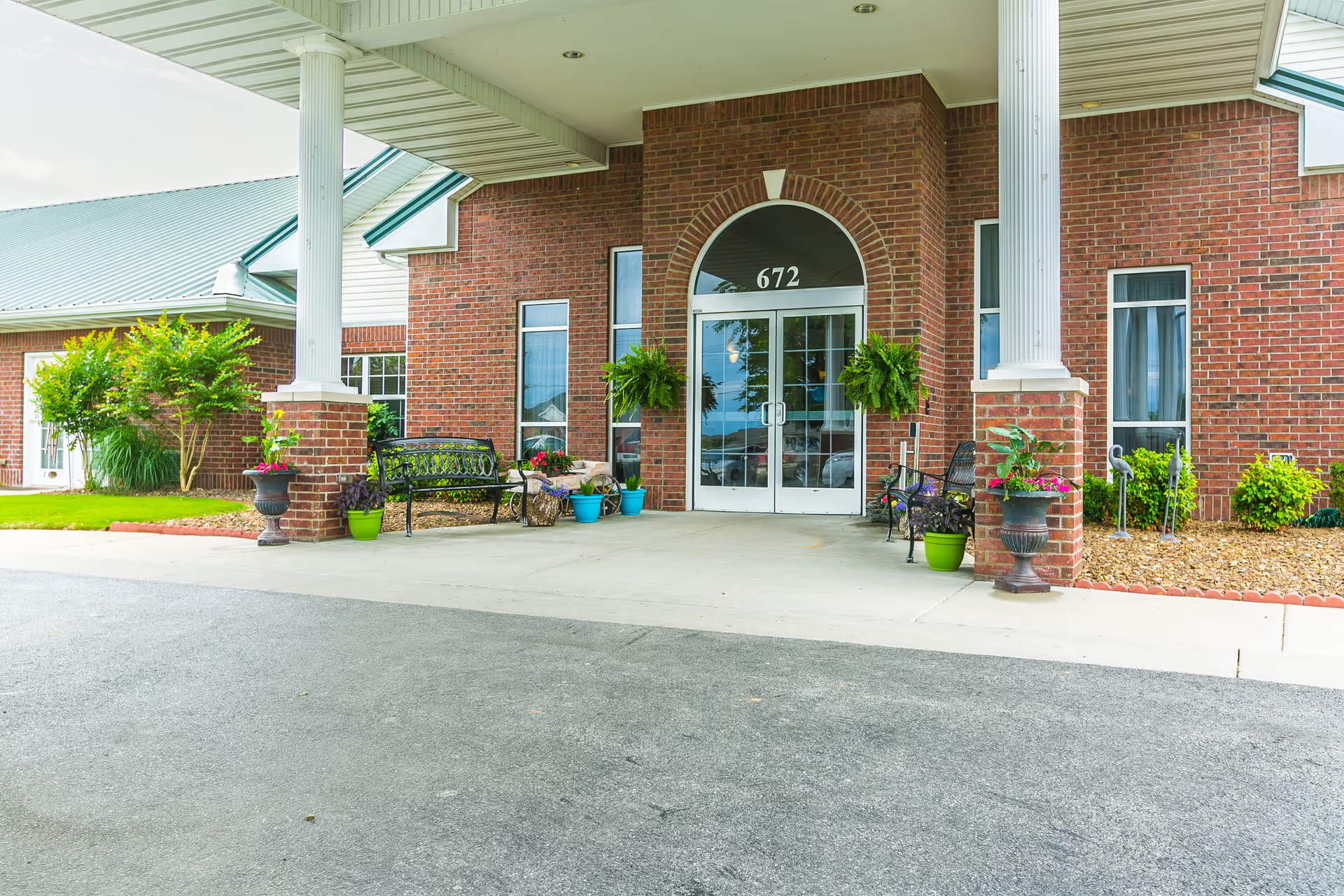
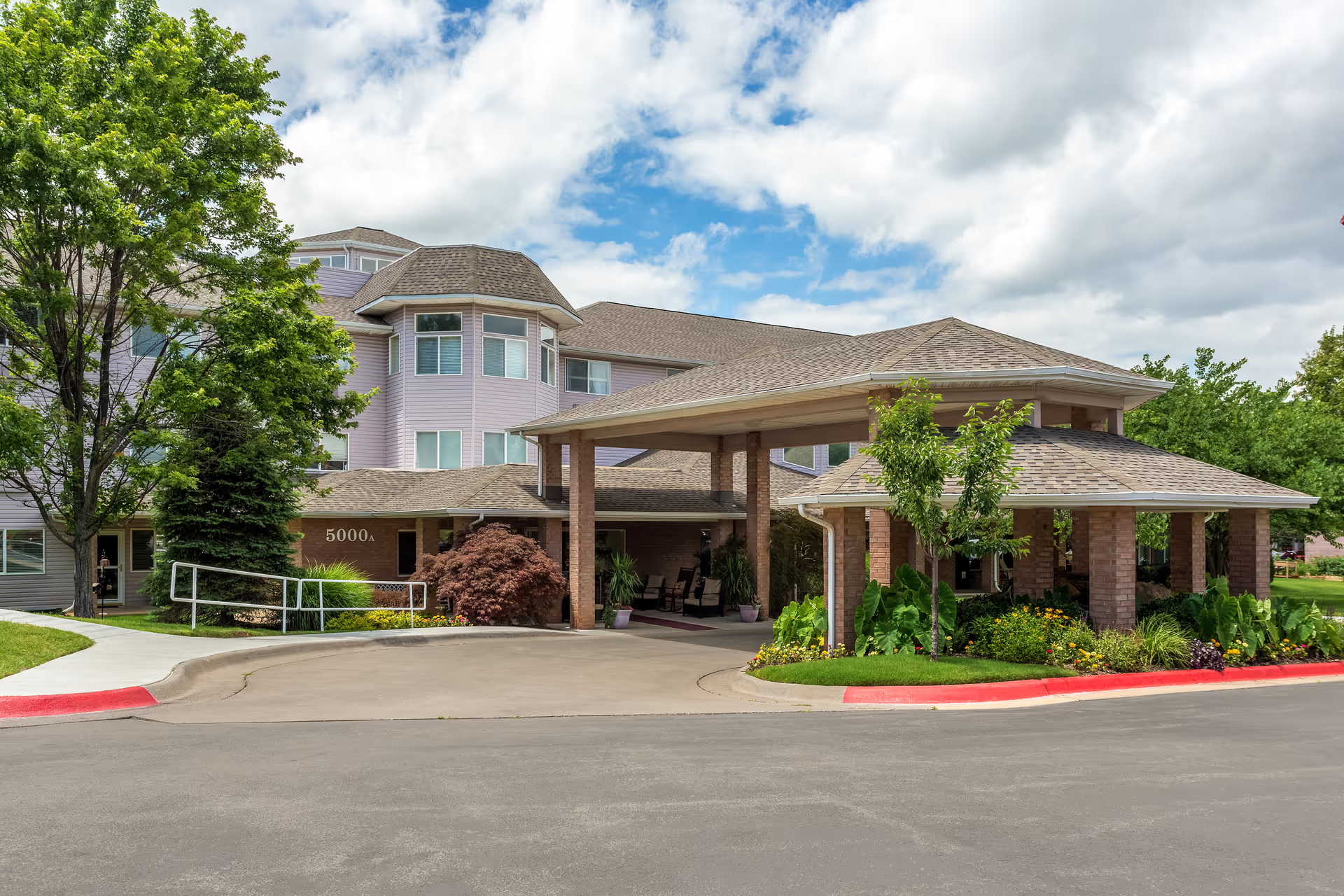
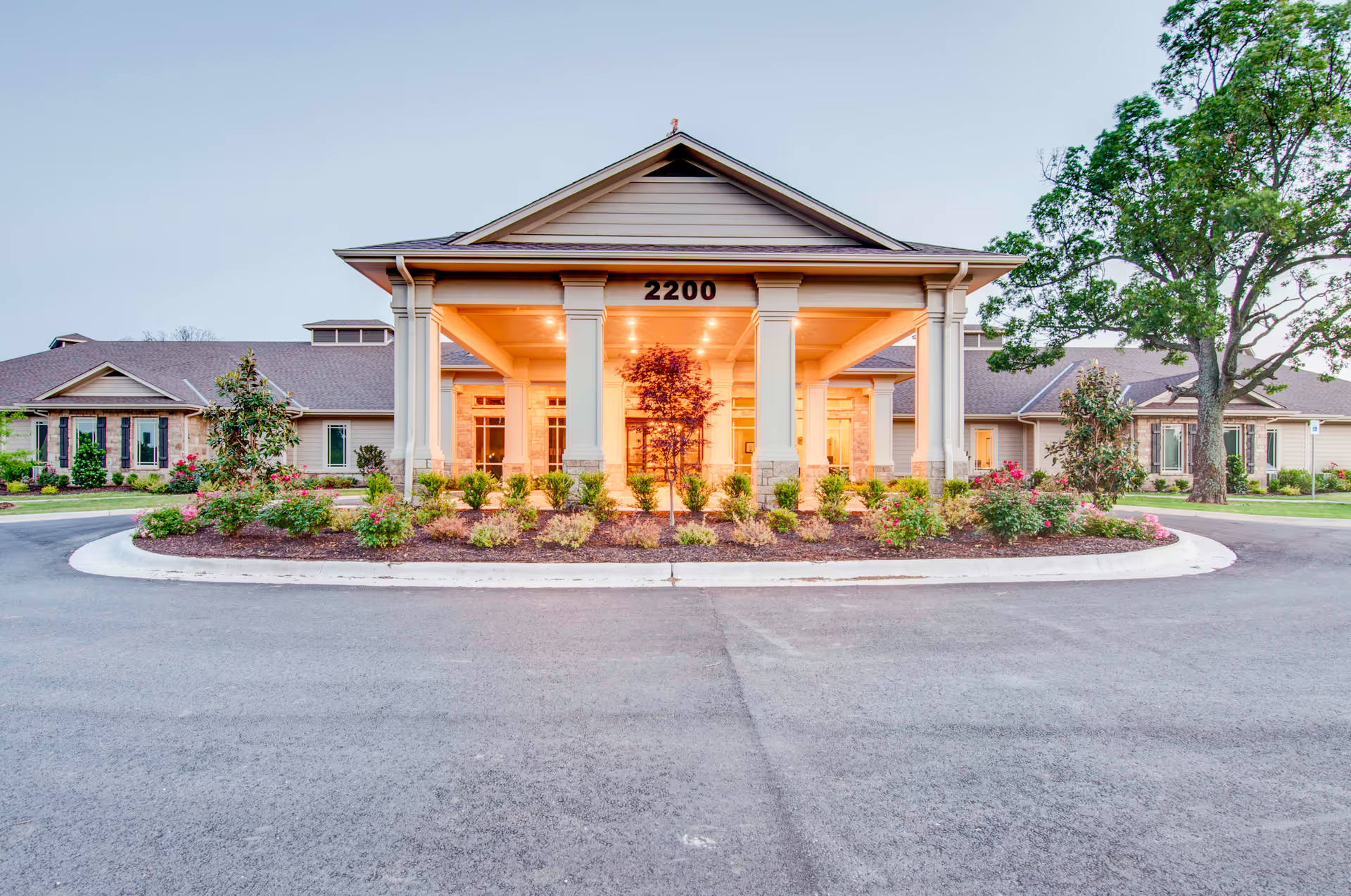
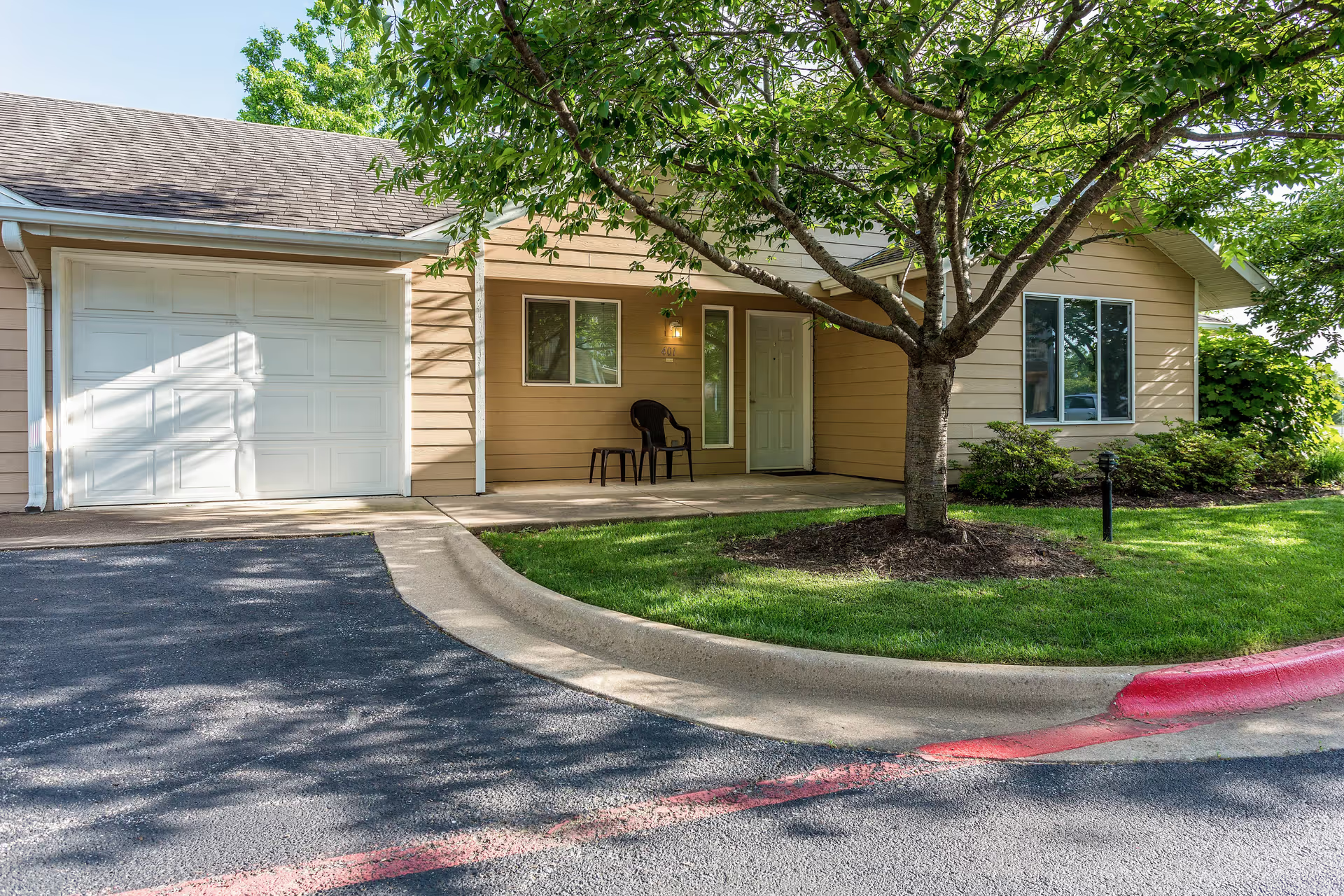
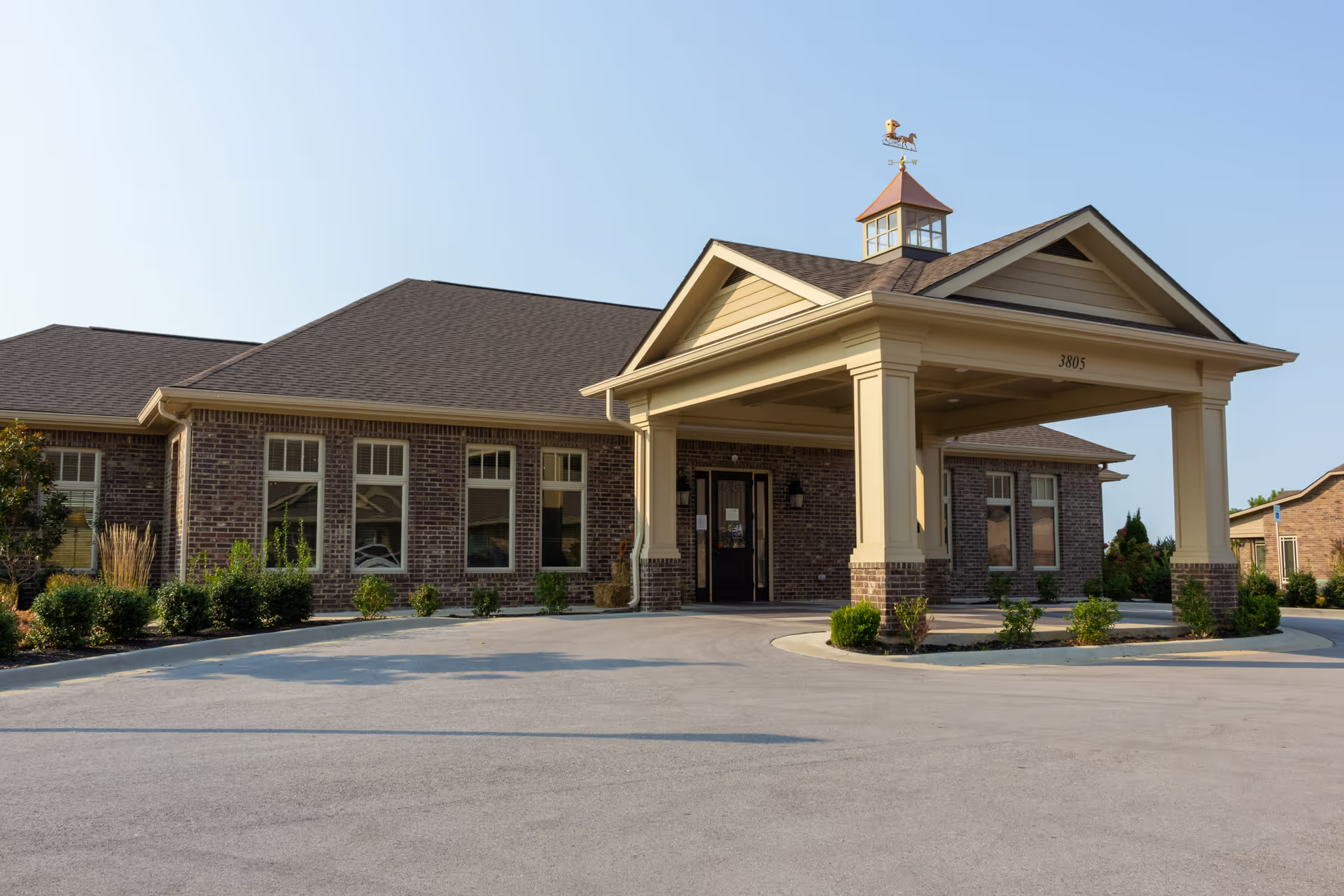
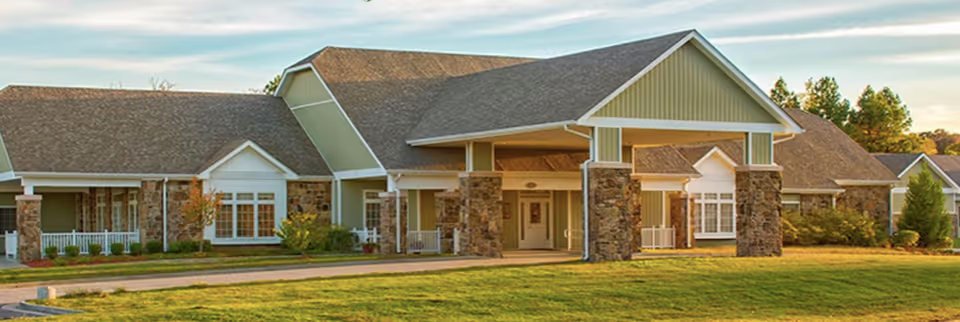
Facilities and amenities: The physical plant receives strong praise for being new, clean, and well-maintained, with accessible bathrooms, spacious apartment options, patios, salon services, and transportation options. Memory-care units and safety features are also described positively. Counterbalancing these positives are sanitation-related concerns and at least one note about limited resident control over thermostat settings; both are practical operational items to confirm on-site.
Management and patterns: Administrative leadership and the Director of Nursing receive both commendations for engagement and reports of inconsistent professionalism from others. The overall pattern is one of a community with many operational strengths—facility quality, programs, and a caring culture—paired with episodic operational weaknesses (staffing consistency, sanitation practices, food-quality control, and communication around serious incidents). Because the negative observations include serious service-related concerns, prospective families should pursue specific verification steps.
Recommendations for prospective families: During a visit, ask for current staffing ratios by shift, examples of staff training and supervision, infection-control and food-safety protocols, policies for incontinence care and linen/housekeeping turnaround, weekend programming schedules, thermostat and apartment control policies, and recent incident logs or how the facility communicates adverse events to families. Request to meet the Director of Nursing or administrator, observe meal service, and, if possible, speak with current residents or family members about daily consistency. These targeted inquiries will help clarify whether the facility’s many documented strengths are delivered reliably in practice.