Overall impression: Reviews present a strongly mixed picture. Many families and visitors emphasize a well-appointed, dementia-specific community with compassionate, engaged caregivers and a robust activities and dining program. At the same time, a recurring cluster of operational issues—principally inconsistent staffing, medication-management lapses, and uneven supervision—creates significant variability in resident experience and family satisfaction.
Care quality and clinical concerns: The facility is designed and staffed for memory care, with 24-hour nursing and caregivers trained to work with dementia-related behaviors. Reviewers praised individualized approaches (for example, comfort techniques and tailored activity engagement) and the facility’s willingness to work with hospice. However, there are repeated concerns about medication administration, pharmacy coordination, and delays in attending to clinical needs. Families cited missed or delayed medications, inconsistent follow-up from providers, and issues with hydration and infection management; these indicate gaps in clinical protocols and oversight that warrant careful inquiry during a tour or care planning meeting.
Staff and culture: Many reviewers describe staff as compassionate, patient, and attentive—highlighting specific nurses, CNAs, and an activity director who organizes outings and community events. Several accounts speak to staff “going above and beyond” during move-in and transitions. Conversely, other accounts describe low morale, inconsistent professionalism, and poor tone in certain staff interactions. Management visibility is uneven: some families report hands-on leadership and greeting by name, while others describe administrators as hard to reach. These contrasts suggest variability in staff training, retention, and supervisory presence across shifts.
Dining and activities: Dining is frequently cited as a strength. The community offers café-style meal service, varied menus, and high points such as well-organized holiday meals and praised kitchen staff. Activity programming is also a highlight—bingo, interactive group activities, live music, pet therapy, fashion events, and off-site outings figure prominently in positive comments. Activity leadership is singled out as proactive in keeping residents engaged and connected to the community.
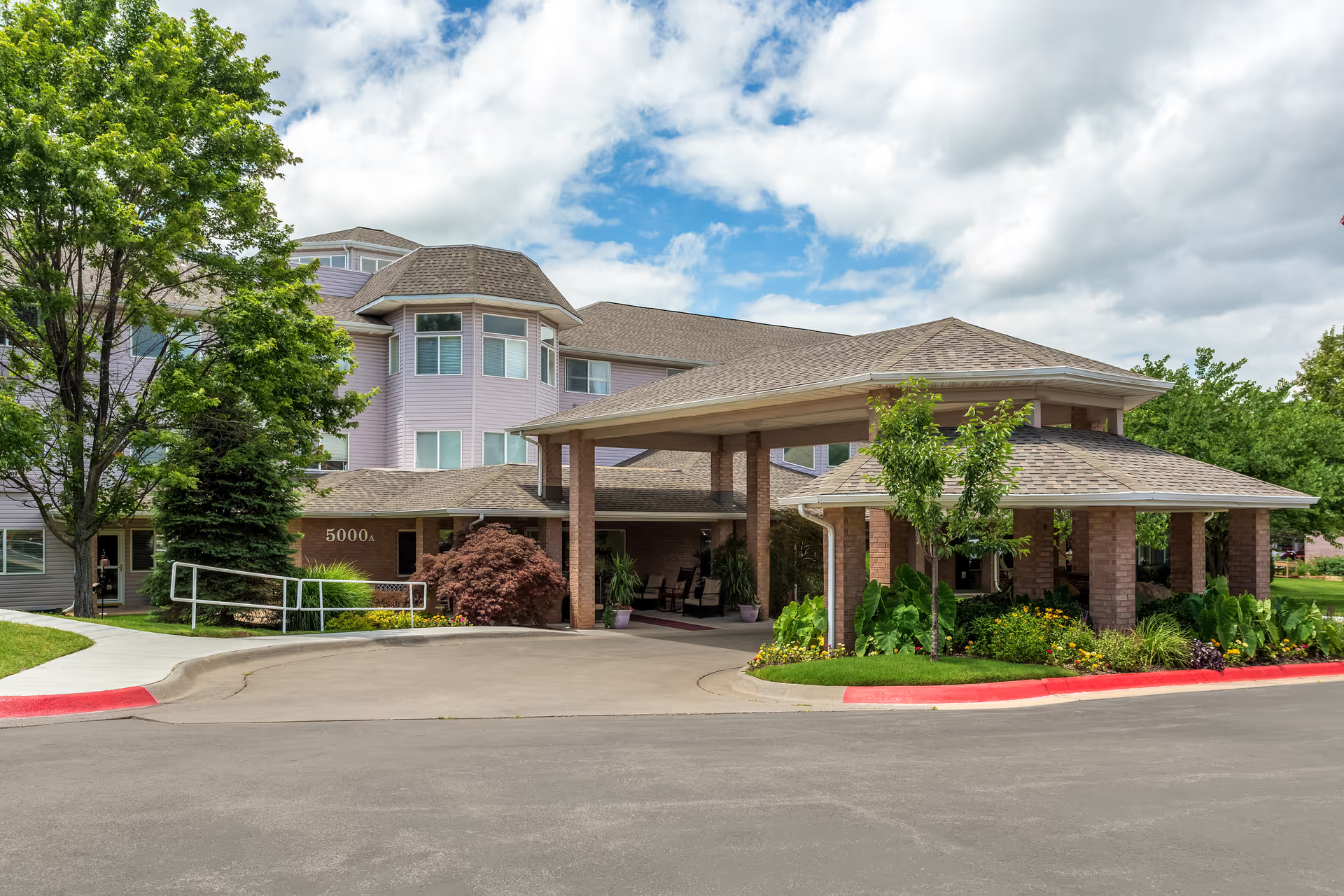
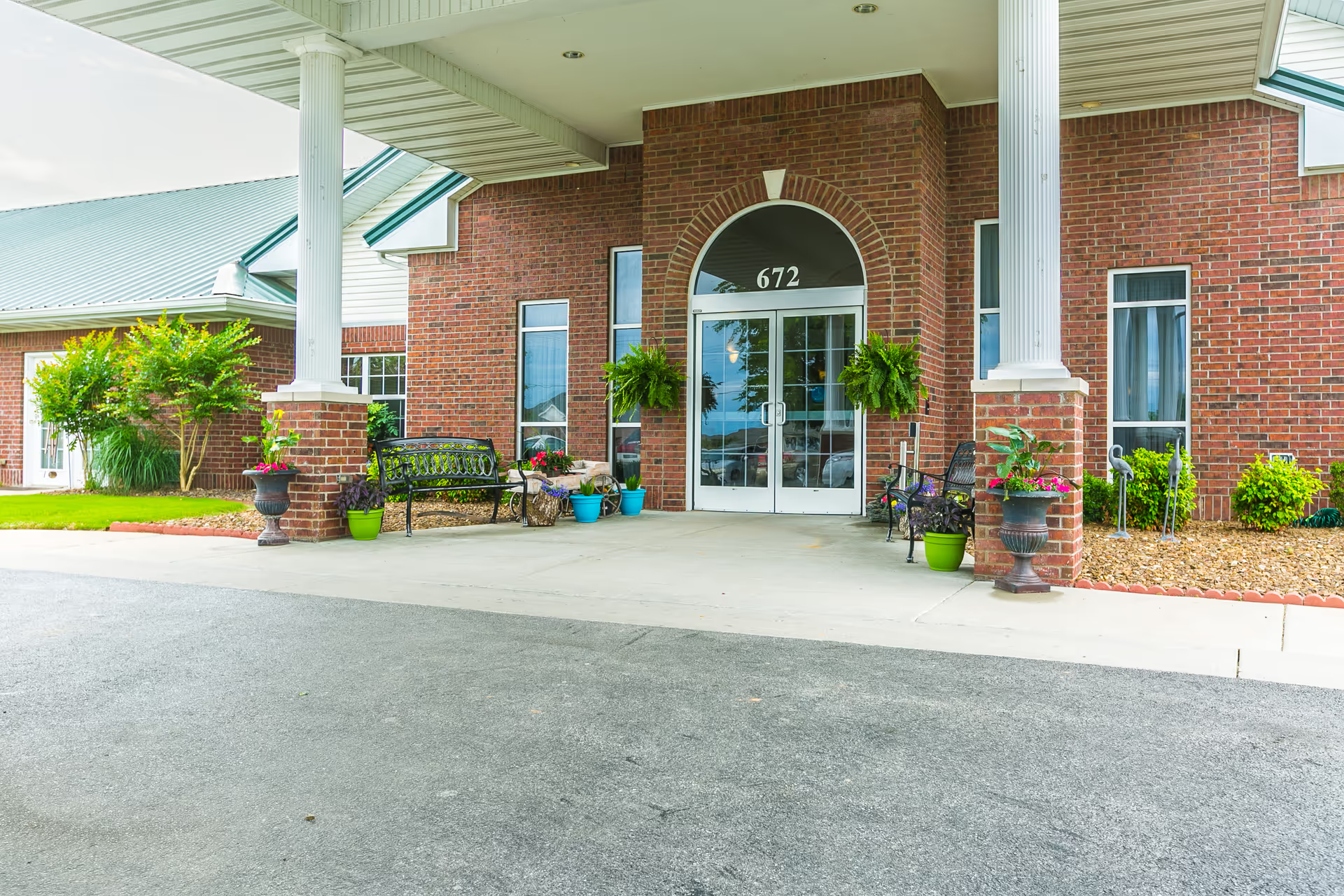
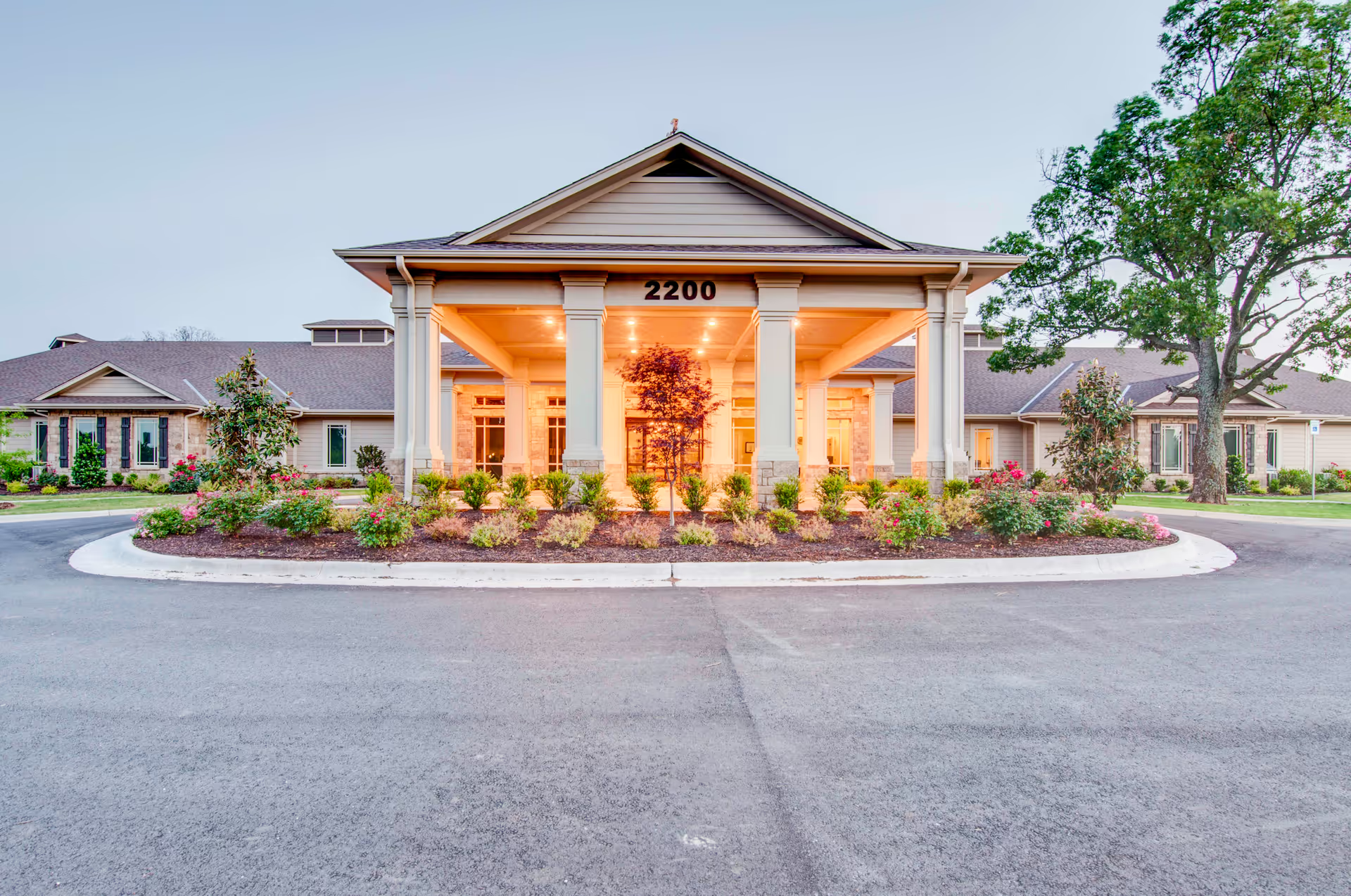
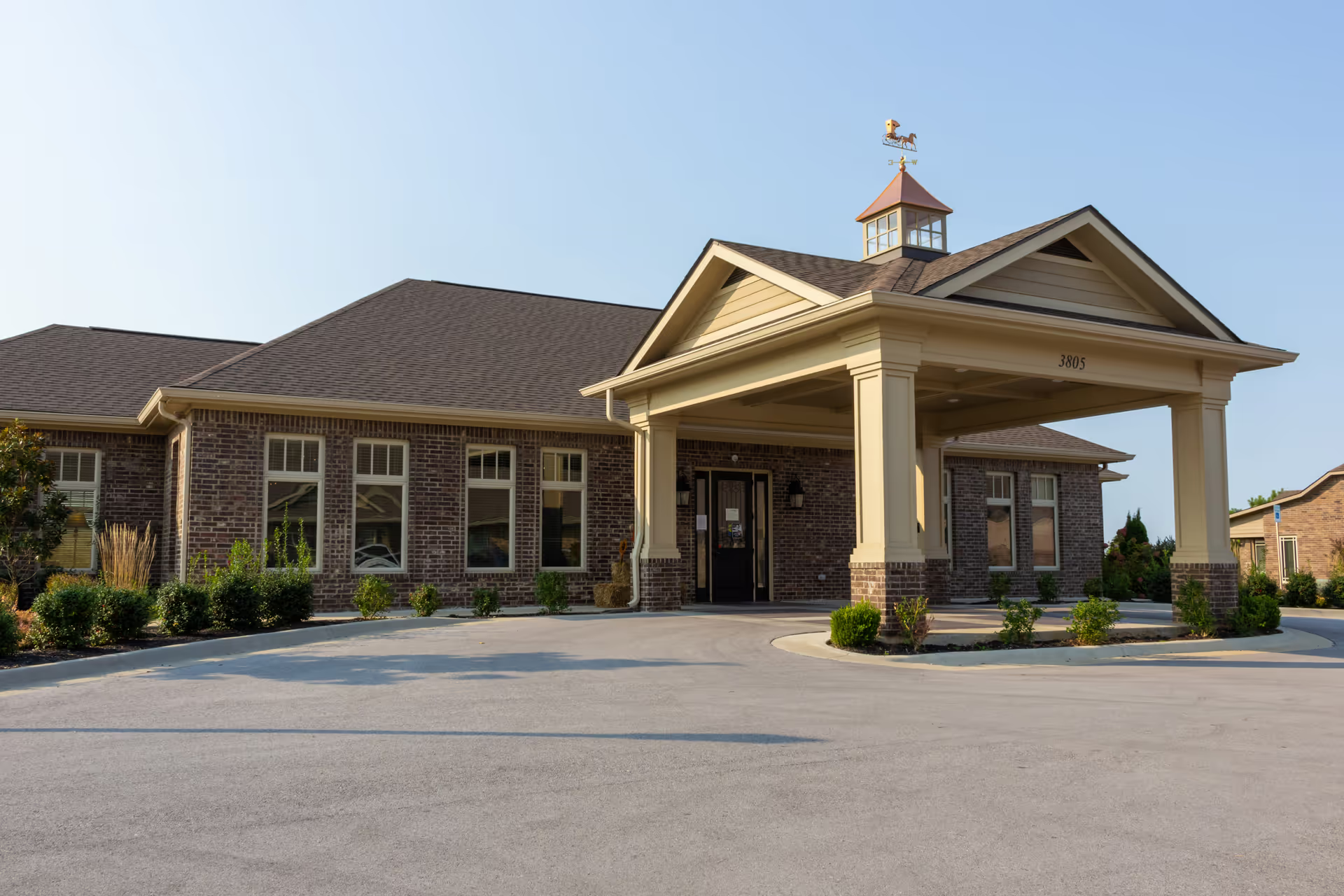
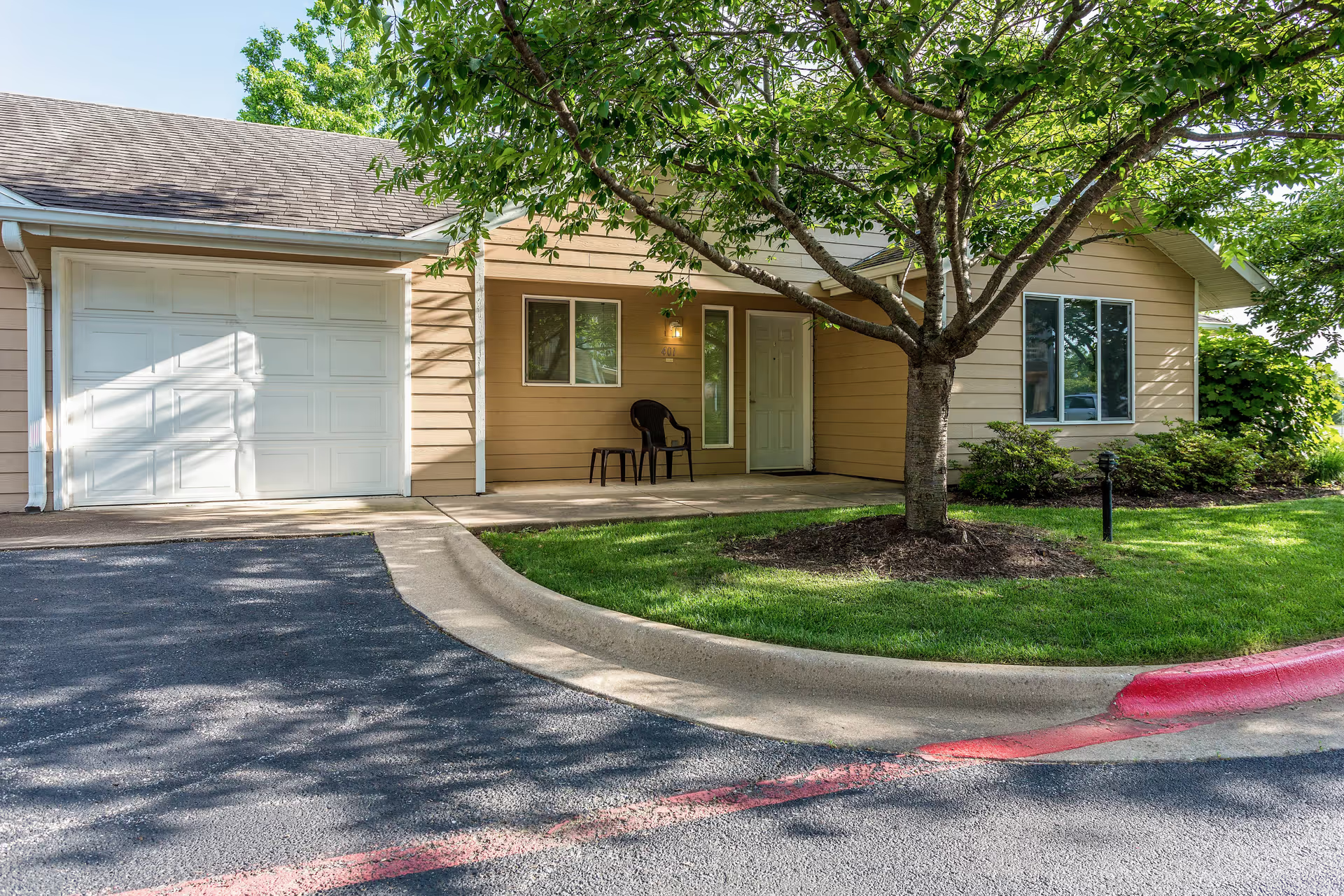
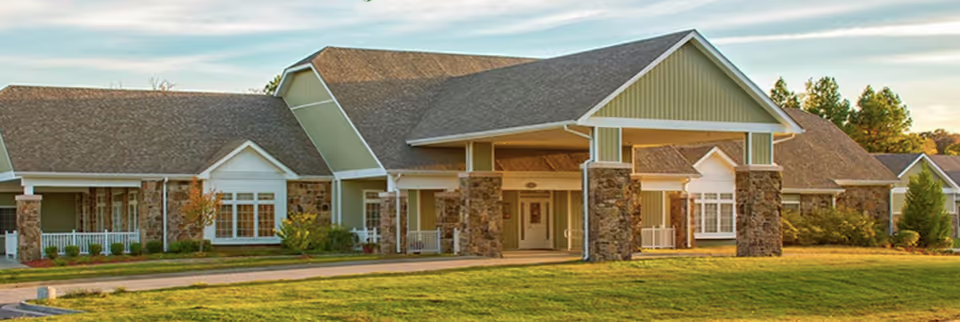
Facilities and amenities: The physical environment is consistently praised—clean, bright, and thoughtfully designed for memory care with private suites, large bathrooms equipped for safety, a salon/spa, and secure outdoor space. These features support a home-like atmosphere and provide safe opportunities for outdoor access and socialization.
Operational patterns and red flags: The most consistent operational concerns relate to staffing levels, supervision gaps, medication management, and laundry/housekeeping processes. These are facility-level traits rather than isolated events; they appear to influence clinical safety and daily comfort for some residents. Noise and occasional overstimulation in common areas are also mentioned, although other families describe a calm, village-like environment. Cost and value are cited by some as a concern when service inconsistencies arise.
Advice for families touring the community: Verify current staffing ratios and shift coverage, ask about medication-administration protocols and pharmacy partnerships, and review incident-reporting and family-communication procedures. Observe mealtime and activity periods to gauge noise levels and resident engagement. Request specifics on laundry and linen handling, management accessibility, and how the community handles transitions of care (including hospice and higher-acuity needs). Given the polarized experiences described, prospective families will benefit from direct, specific questions and references to recent regulatory or quality records before deciding.
In summary, Clear Creek Memory Care offers strong environmental and programmatic assets for people with dementia—particularly in activities, dining, and facility design—but families should balance those strengths against recurring operational concerns around staffing, medication processes, and management responsiveness. Those factors appear to drive the largest differences in family satisfaction and resident experience.