Overall impression: Reviews describe a facility with clear strengths in person-centered caregiving and activity programming alongside persistent operational gaps. Many families and long-term residents emphasize compassionate, attentive staff members, effective therapy services that improved mobility, and a warm, home-like atmosphere supported by cheerful decor and options for room personalization. The facility is frequently described as clean and well cared for, with an active calendar of group activities, an on-site lending library, and low-cost visitor dining options that support family engagement.
Care and staff: Care quality is characterized as uneven. Numerous comments praise specific caregivers, therapists, and administrators for going above and beyond, providing emotional support during end-of-life moments, and improving team culture under engaged leadership. At the same time, reviewers report variability in staff conduct and communication: some caregivers are described as highly empathetic and knowledgeable, while others are perceived as rushed or lacking patience. Several long-term positive accounts coexist with accounts that raise concerns about responsiveness and staff behavior.
Clinical operations and safety: Operational weaknesses recur around responsiveness and medication processes. Reviewers note inconsistent response times to call lights and delays in PRN medication administration tied to nursing rounds and staffing patterns. There are also references to a COVID-19 outbreak and staff infections; these comments indicate perceived gaps in infection-control adherence and related communication. Privacy and room-access controls were also described as problematic in at least one account, suggesting a need to review procedures for resident safety and dignity.
Dining and daily life: Dining impressions are mixed. Some reviewers find the meals good and appreciate available snacks; others describe late or lukewarm meal service and inconsistent food quality. Activities programming is a clear strength—daily groups, music, games, and therapy-supported activities are frequently mentioned as contributing positively to residents’ quality of life.
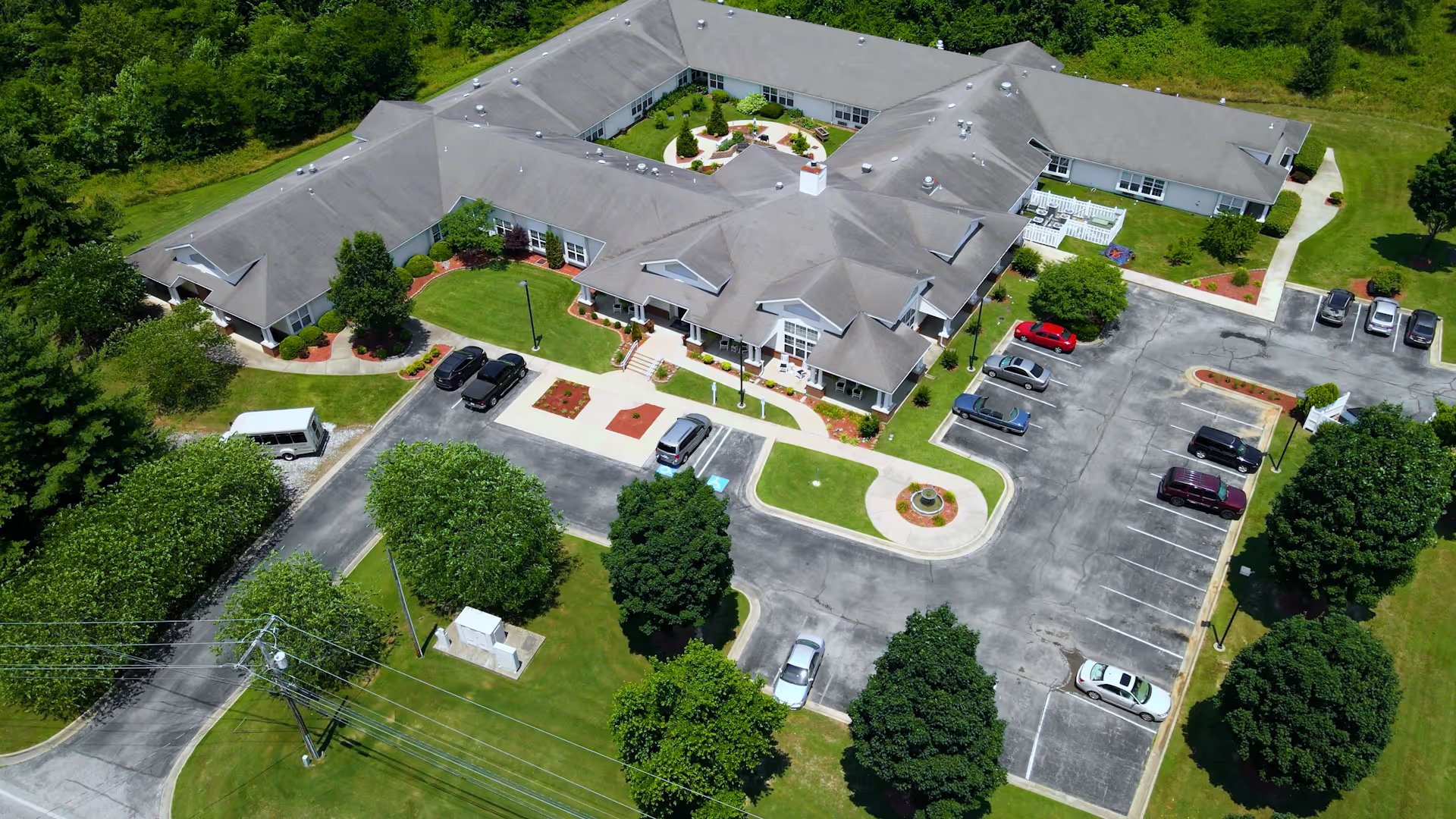
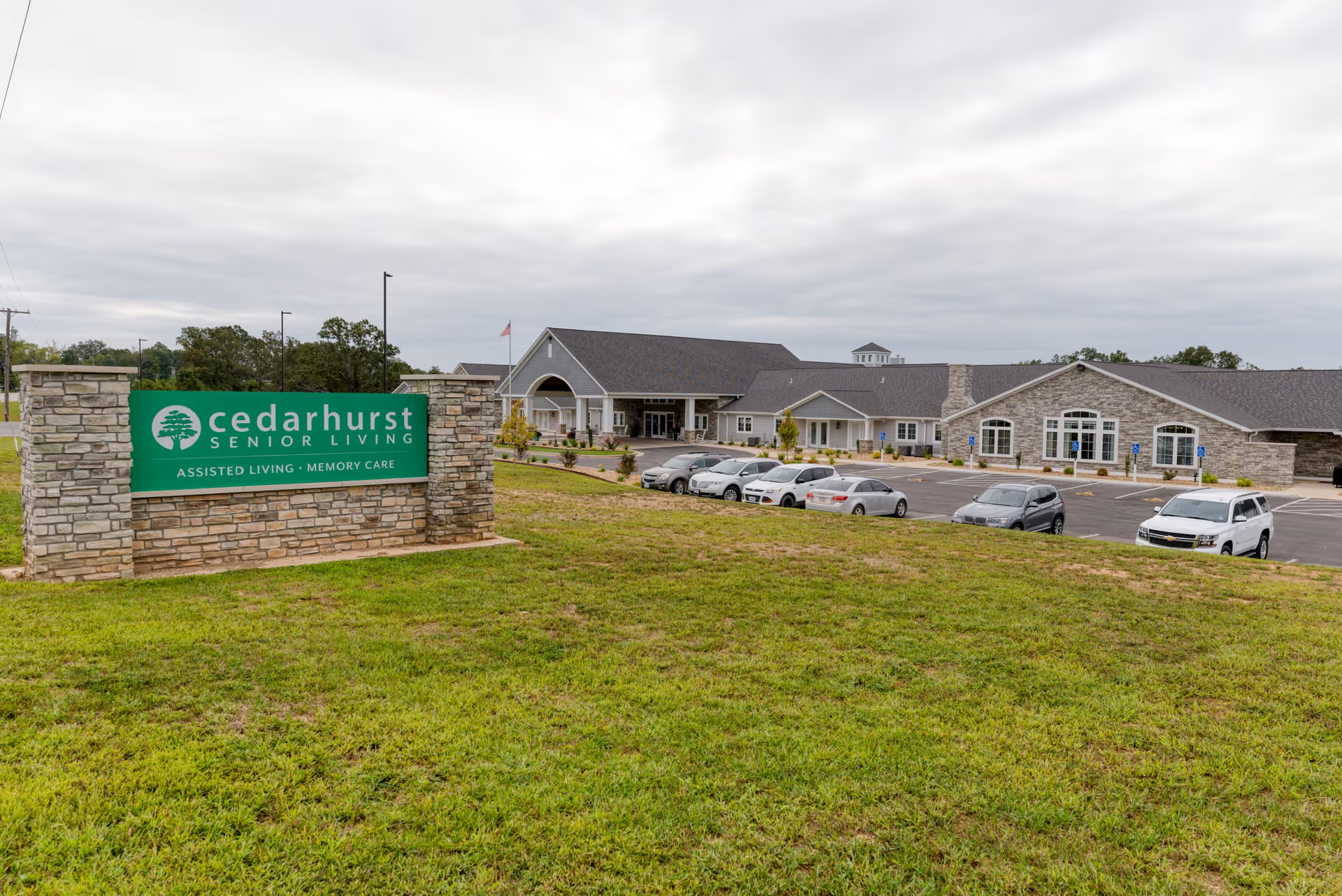
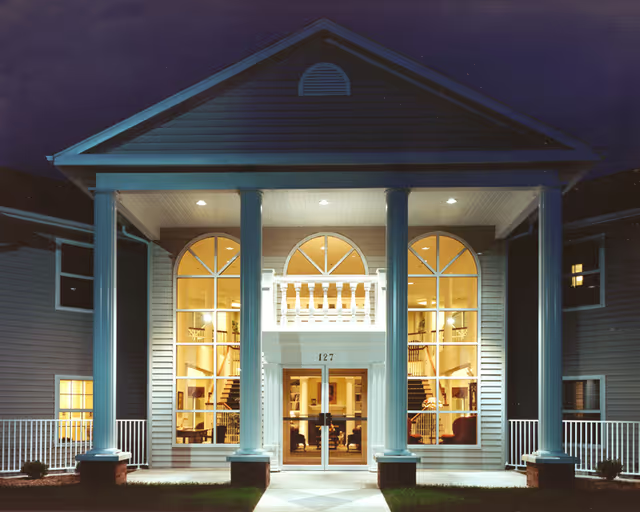
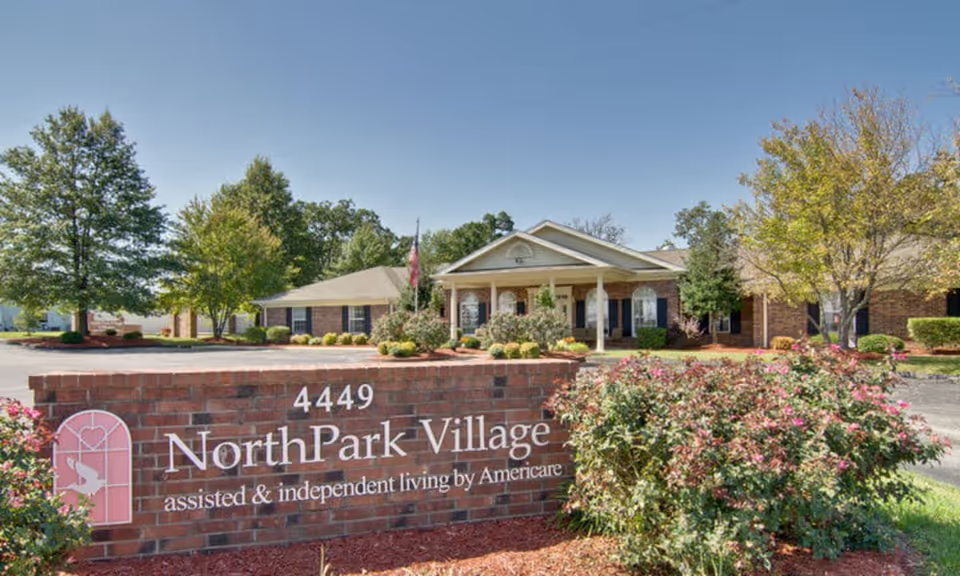
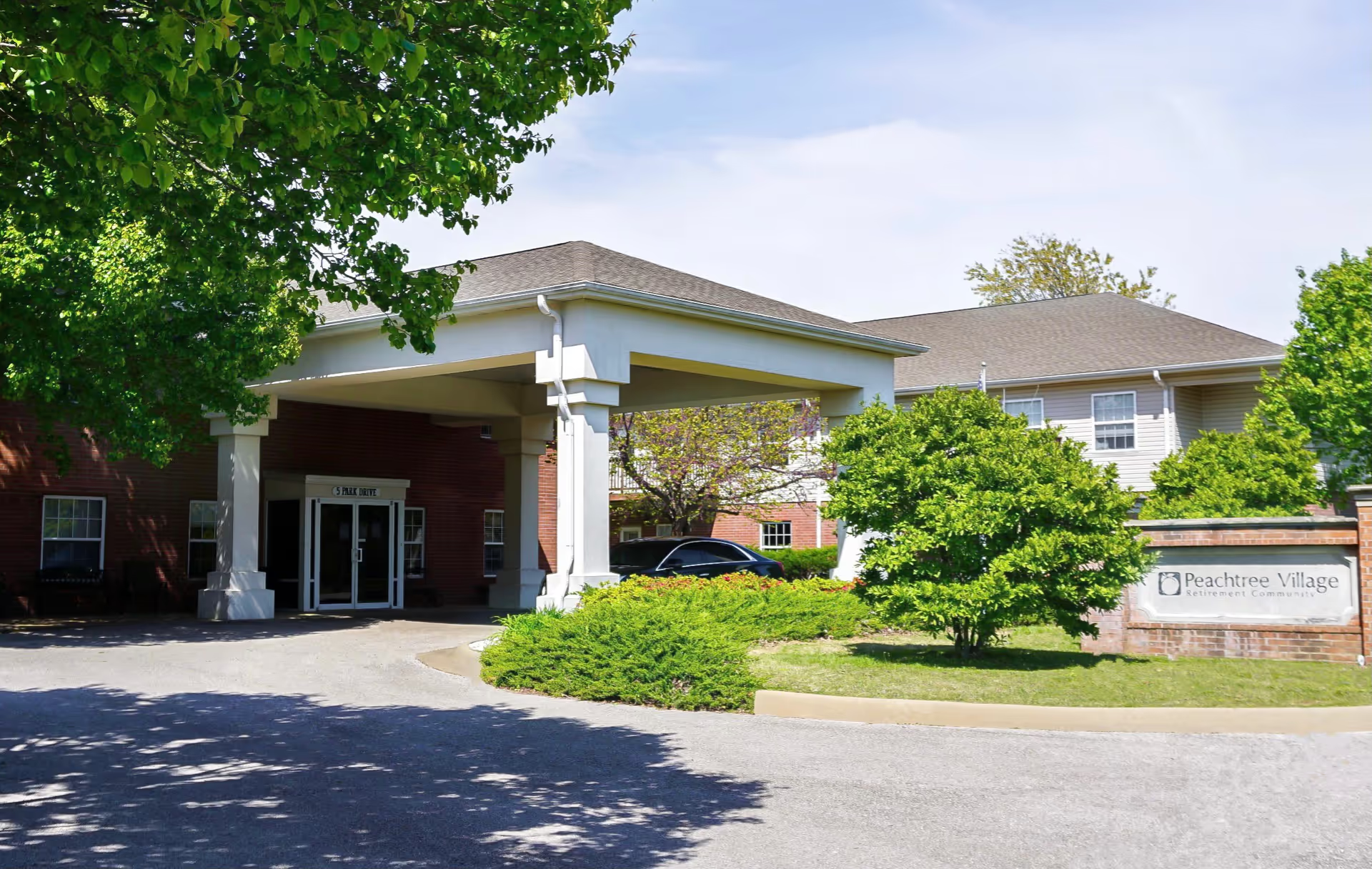
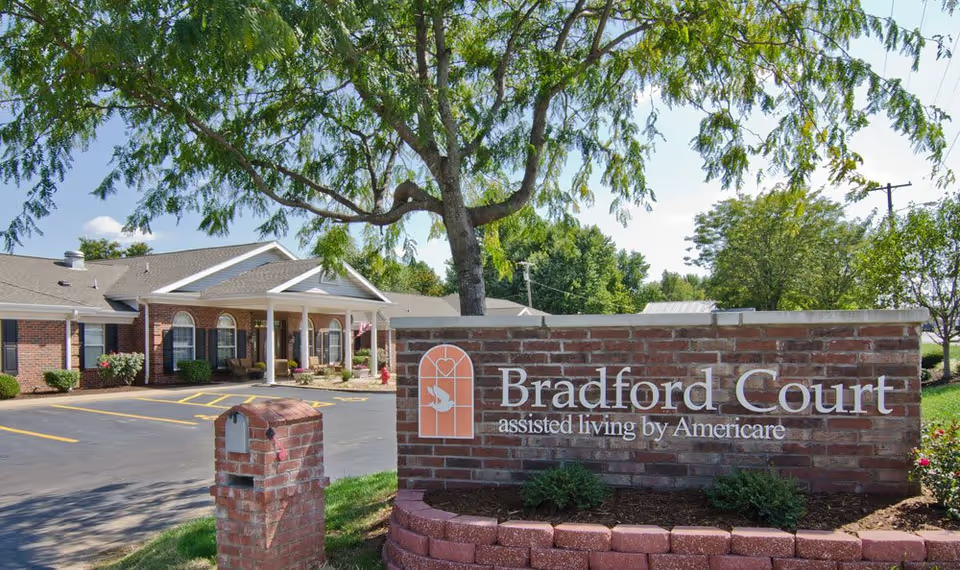
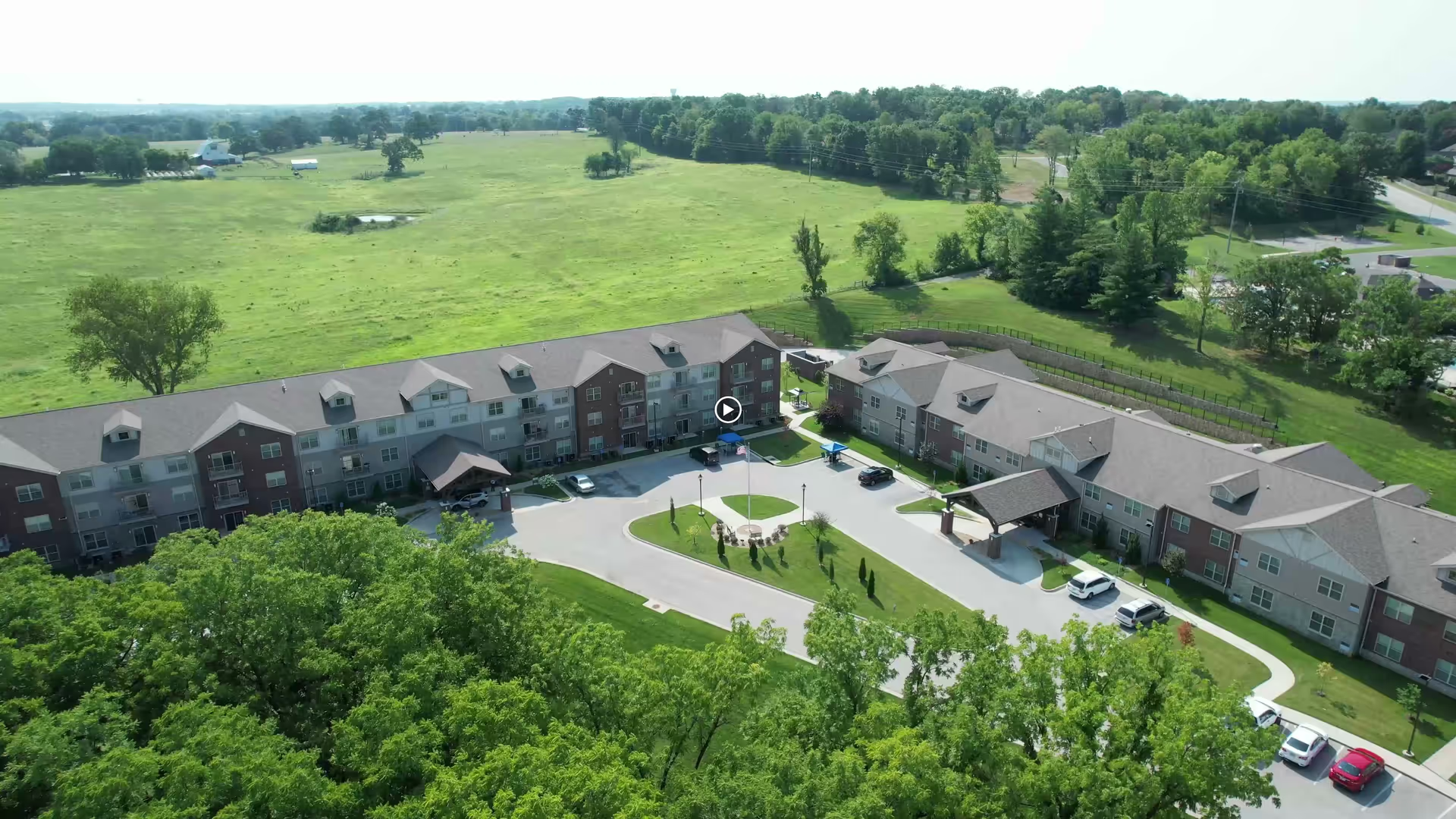
Facilities and environment: The building is described as older rather than modern but generally clean and attractively decorated. There are isolated odor concerns in some areas and notes of limited equipment availability. The facility’s home-like features (residents bringing their own furniture, welcoming common spaces) are repeatedly highlighted as positive aspects.
Management and culture: Opinions on management are mixed. Several reviews praise hands-on, accessible management and name specific administrators who improved engagement and responsiveness. Conversely, others express concerns about perceived favoritism, profit-driven decision-making, and inconsistent follow-through on problems. Staffing levels are a recurring operational theme; understaffing is cited as contributing to delayed responses and uneven care.
Patterns to watch and recommended questions: The facility may be a strong fit for families prioritizing compassionate direct care, active programming, and rehabilitation services. Prospective families should balance those strengths against operational concerns raised in reviews. On a tour or during discussions, ask for current staffing ratios, call-light response-time metrics, PRN medication protocols, infection-control policies and recent outbreak handling, dining schedules and food-temperature controls, privacy/room-access policies, and the most recent state inspection or citation history. These targeted questions will help clarify whether the facility’s positive culture is supported by consistent operational practices.