Reviews present a split but informative picture of care quality at this assisted-living community. Many families describe warm, compassionate caregiving: staff are frequently characterized as caring, resident-centered, and willing to go above and beyond. The memory-care unit receives positive comments about trained staff and appropriate attention to residents with cognitive impairment. Several reviewers conveyed that residents appear happy, comfortable in their apartments, and enjoy social interactions with long-standing caregivers.
At the same time, a subset of reviews raises operational concerns that prospective families should consider. Medication-management consistency emerges as a particular area of worry for some relatives, including instances where family instructions and medication administration appear to have diverged. There are also accounts suggesting variability in staffing levels — periods of short-staffing or turnover — which reviewers linked to delays in care and less consistent attention. Related clinical issues noted include inadequate follow-up on certain health changes and infection-control or clinical-monitoring gaps that, in a few cases, resulted in hospital-level evaluation.
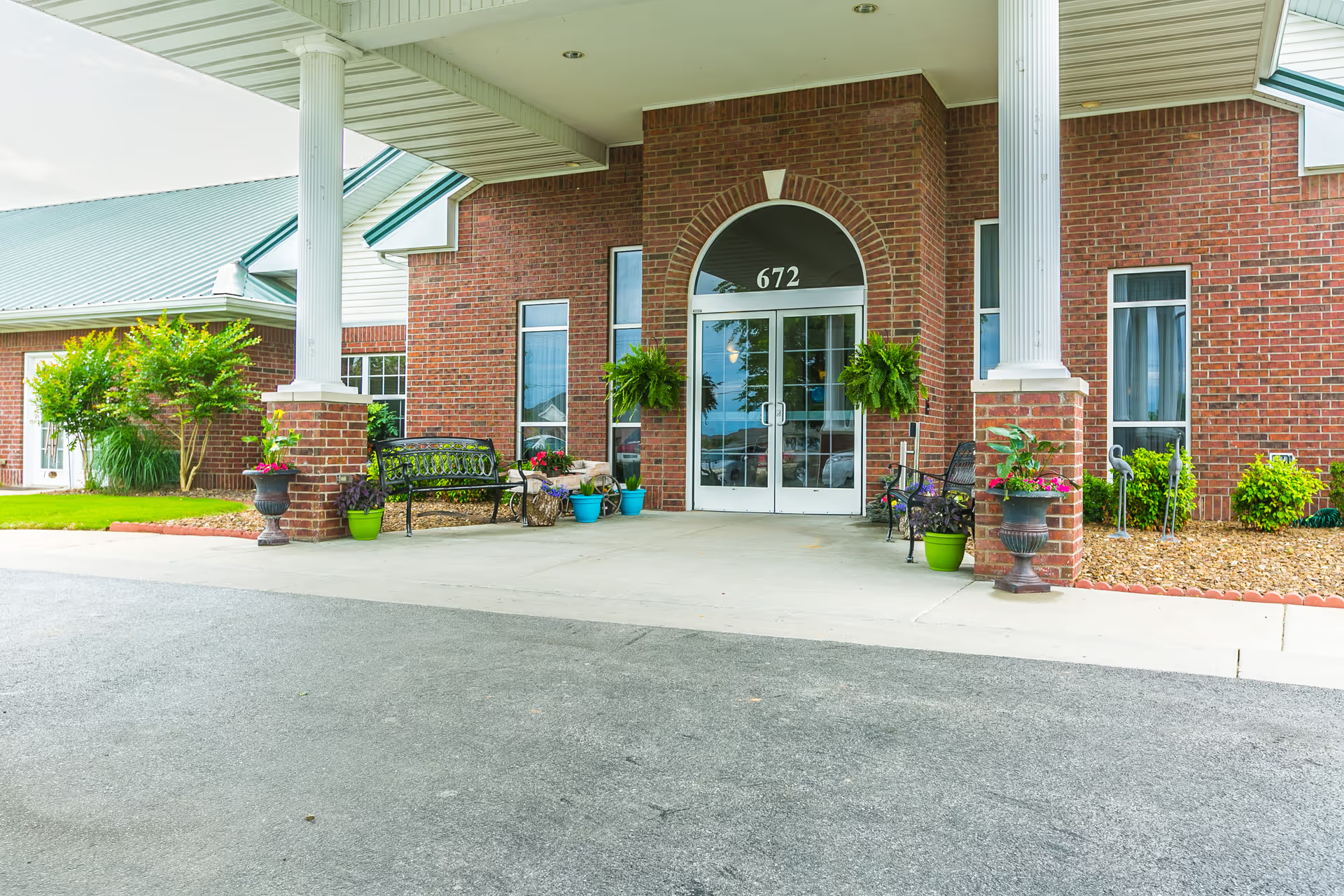
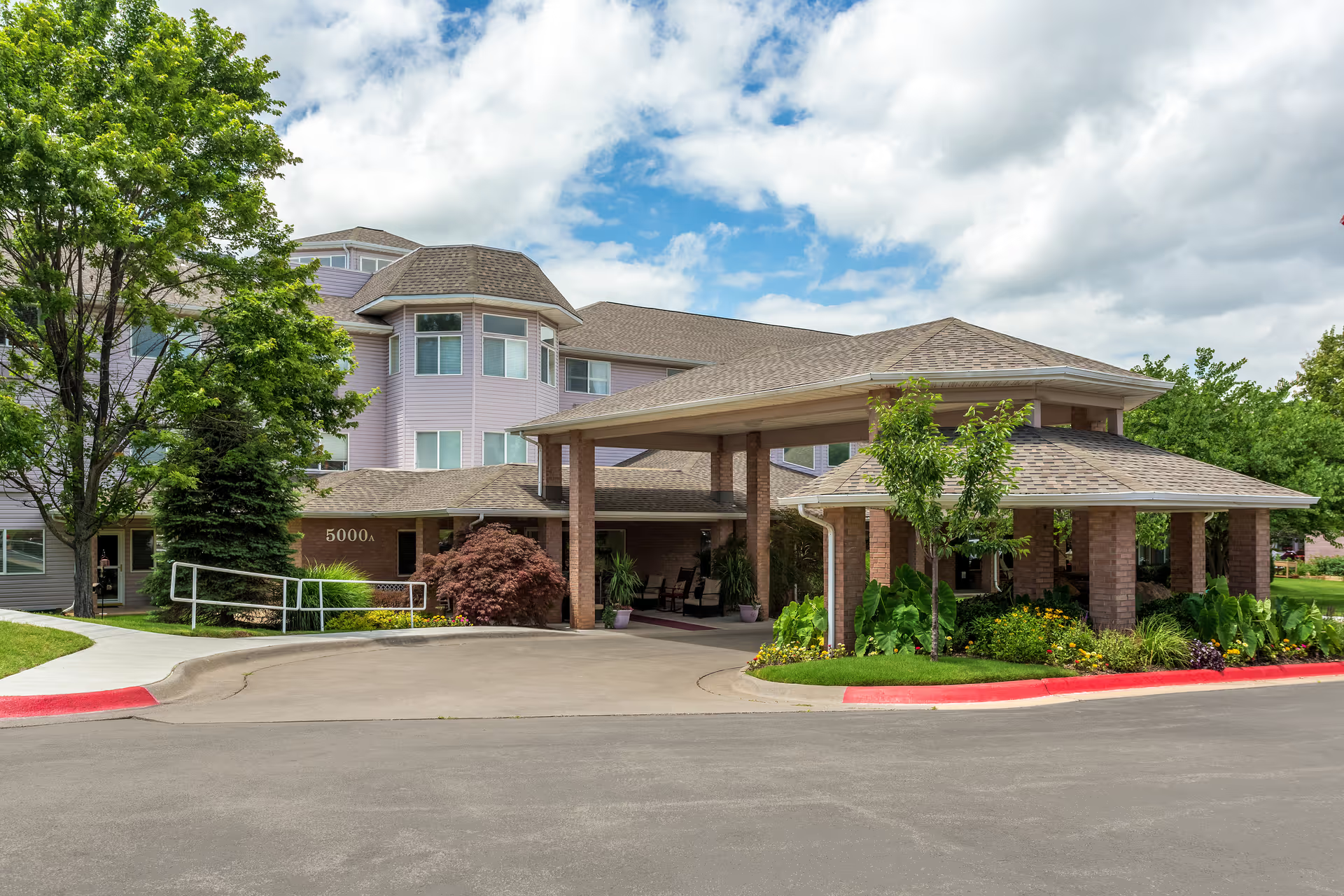
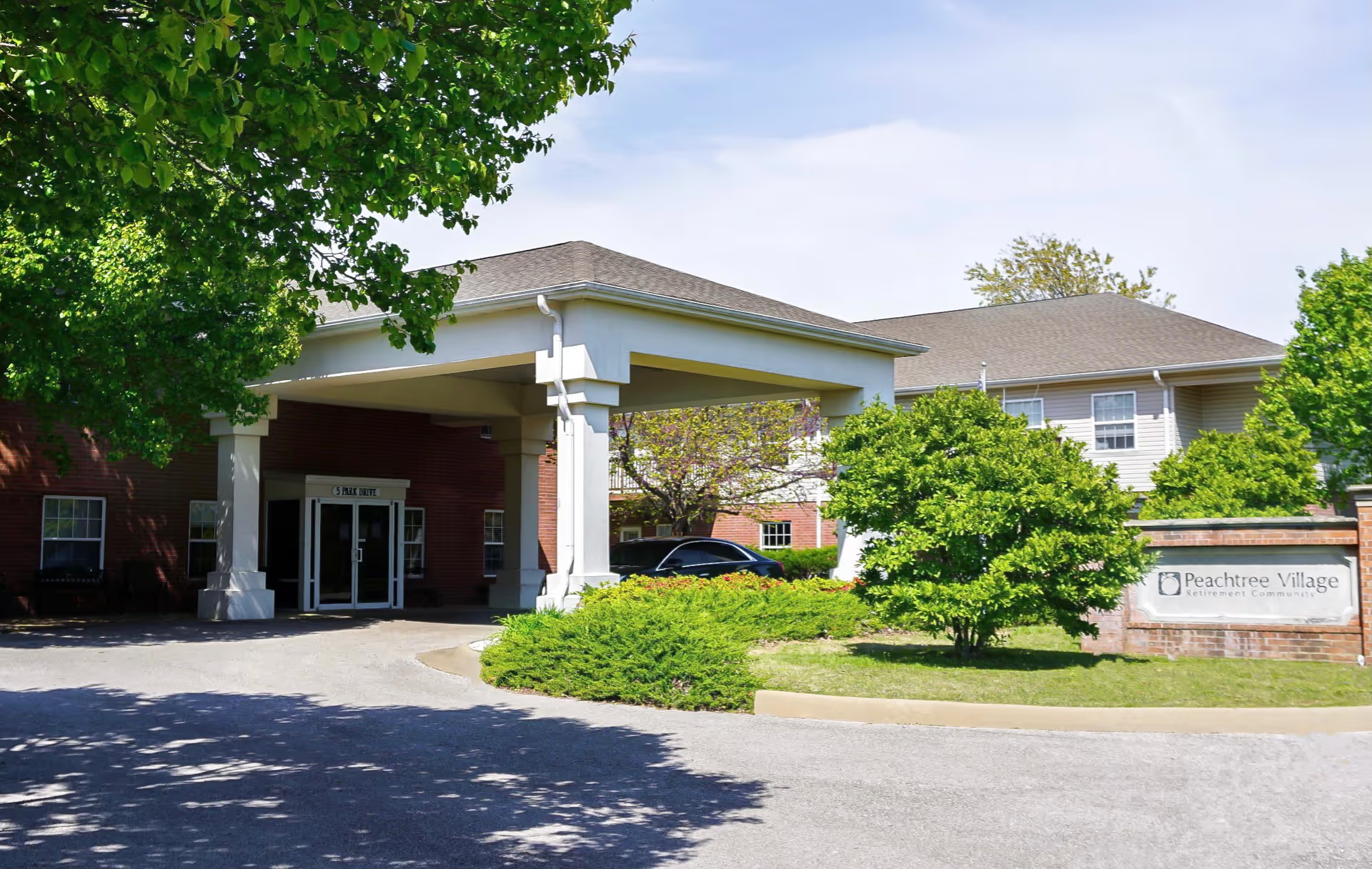
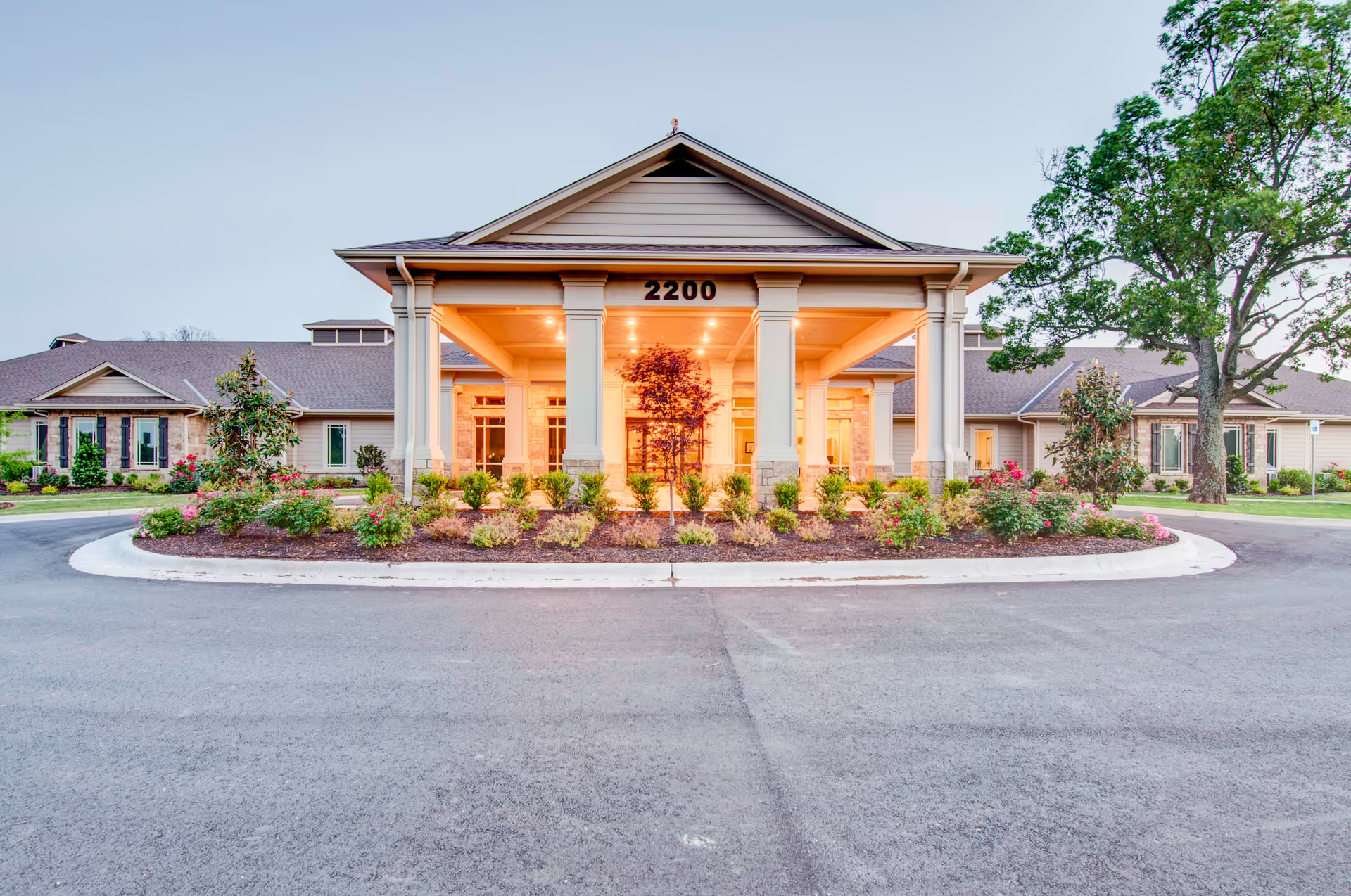
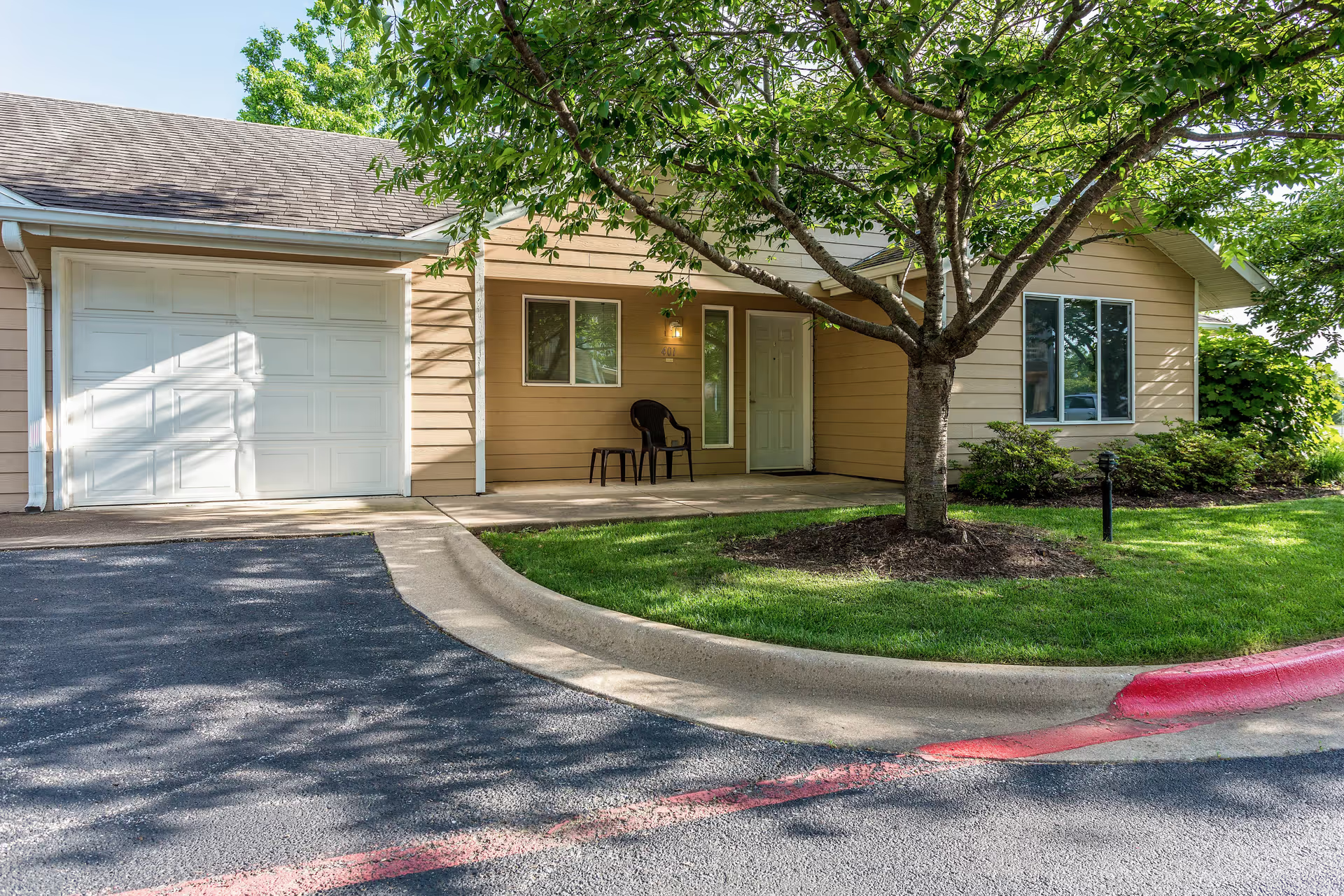
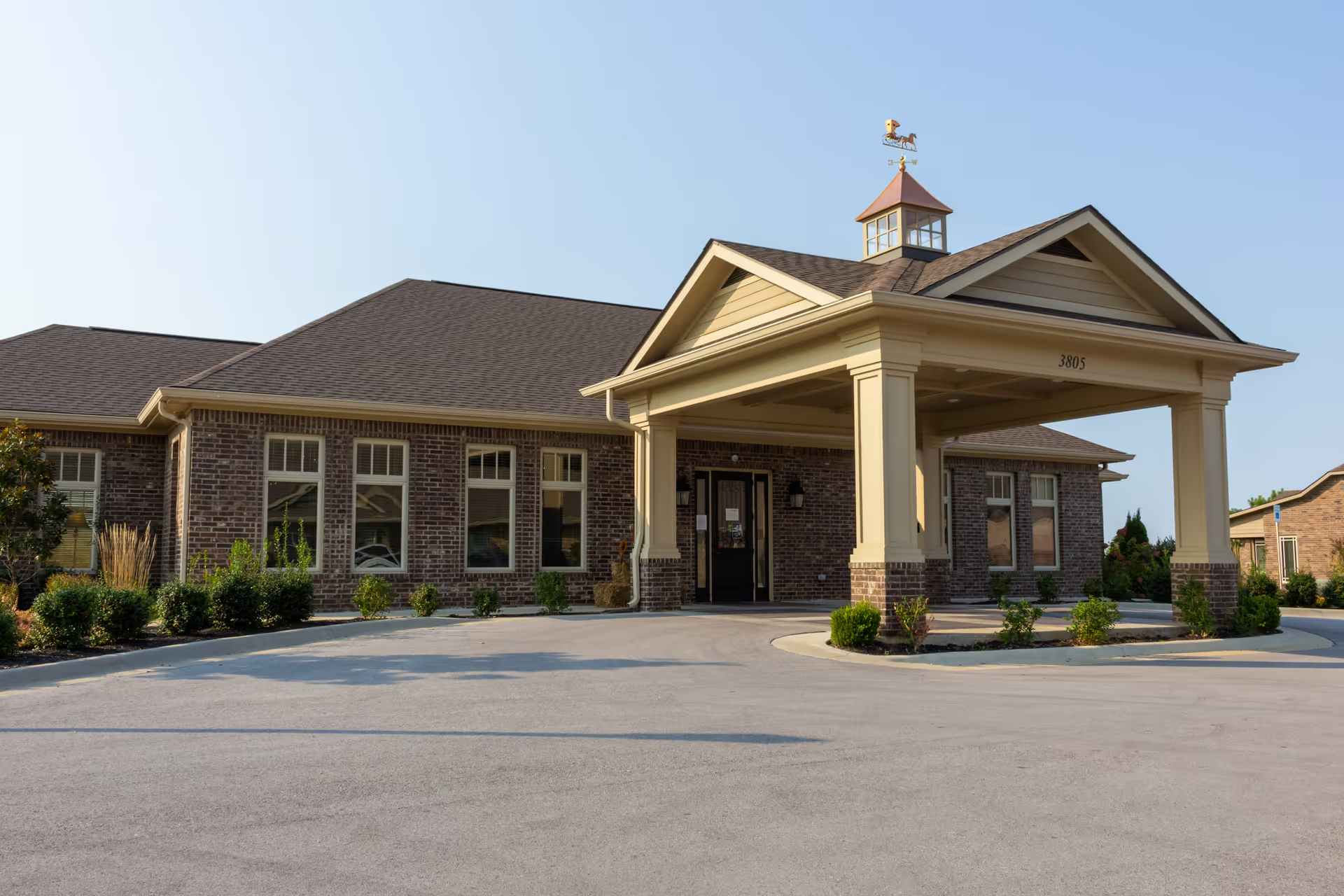
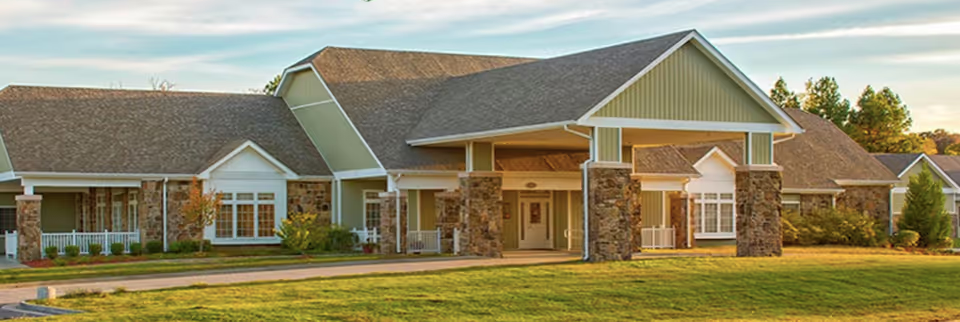
Dining and daily programming show mixed impressions. Several families praised meal quality and said their loved ones enjoy dining; others described inconsistent or unacceptable meals. Activity offerings appear robust for the general assisted-living population, but some reviewers felt the memory-care program had fewer activities or less engagement compared with the main campus. The physical plant and common areas receive consistently positive remarks: reviewers commented on cleanliness, tasteful decor, roomy apartments, and effective security measures.
Operational and administrative themes recur in the feedback. There are reports of supply-management lapses (basic toiletry shortages), concerns about personal-item security, and cases where families experienced delayed or inadequate notification after incidents. Perceptions of leadership vary: some families trust and would recommend the facility and its management, while others described difficulties reaching administrators and dissatisfaction with leadership tone or responsiveness.
Taken together, the pattern suggests a facility with clear strengths in caregiver warmth, environment, and security, but with variability in operational consistency — especially around medication administration, staffing reliability, dining quality, clinical follow-up, and communication practices. Families considering this community should weigh the positive caregiver culture and physical environment against these operational risks, and they may want to ask targeted questions about medication protocols, staffing ratios, incident-notification procedures, and how activity programming is structured for the memory-care unit before deciding.