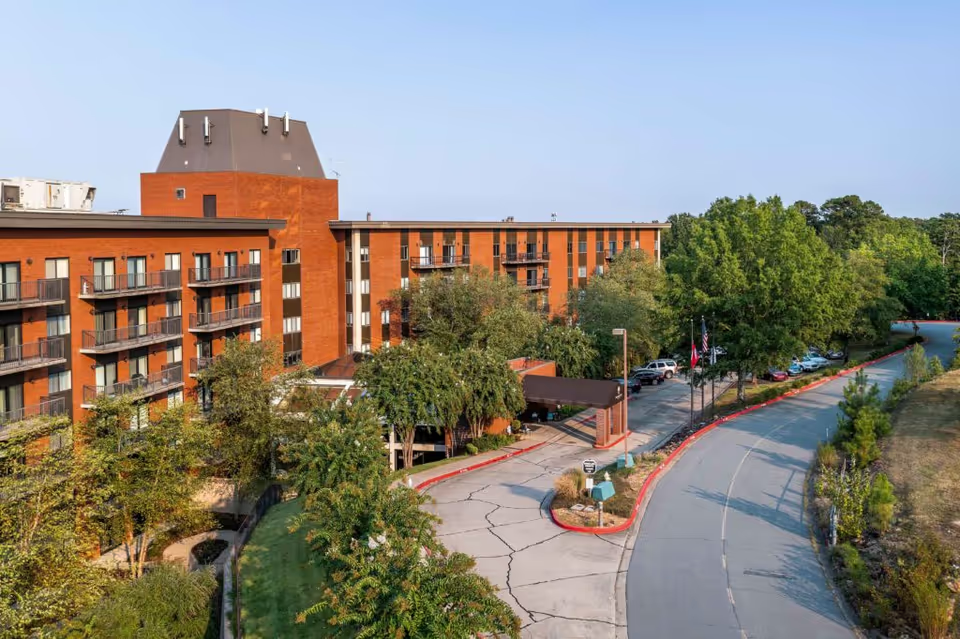
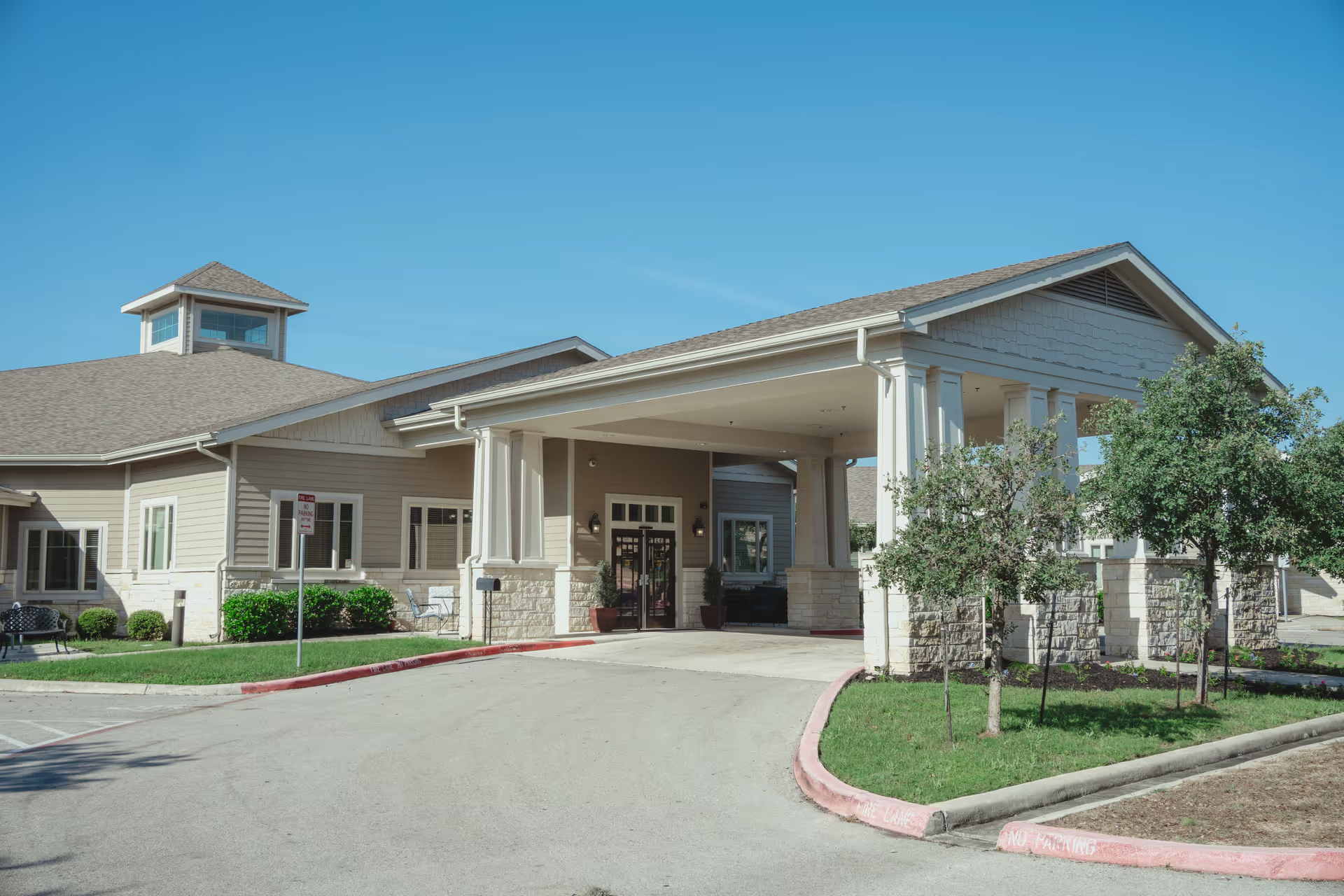
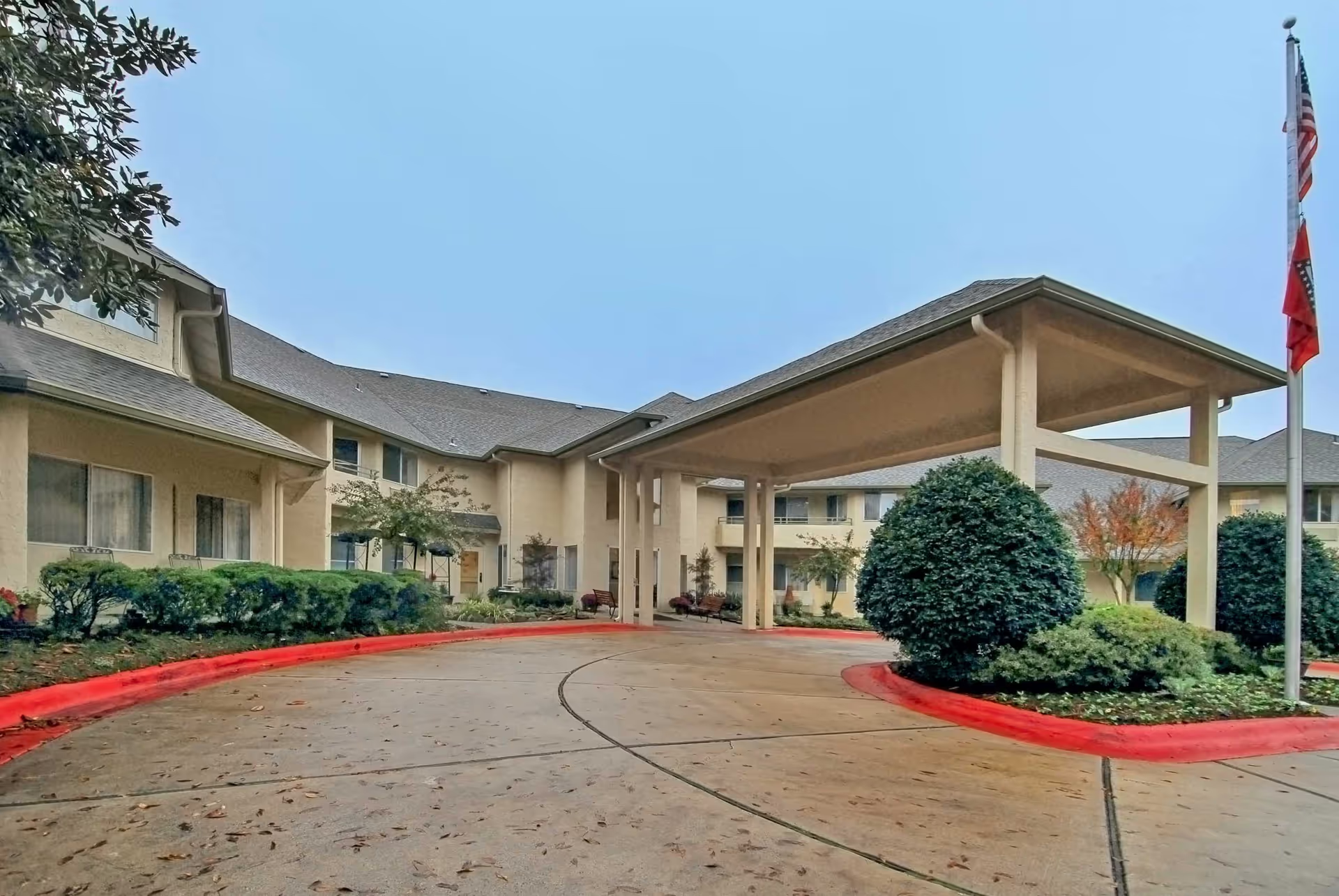
Reviewer sentiment for The Blossoms at Woodland Hills Rehab & Nursing Center is markedly mixed, with distinct clusters of positive and negative experiences. Positive comments emphasize the facility's clinical strengths: several families praised the nursing staff and therapy teams for effective short-stay rehabilitation, management of complex medical needs, and coordinated nursing–therapy care. Multiple reviewers highlighted an engaged administrator (identified by name), an open-door leadership style, and instances of quick problem resolution. The activities program and hospice unit received favorable mentions for being energetic and calming, respectively. Some reviewers also noted welcoming tours, a home-like atmosphere, and on-site amenities such as TVs and Wi‑Fi.
At the same time, a number of reviewers identified operational weaknesses that are important to consider. Cleanliness and housekeeping were inconsistent according to several accounts, with additional pest-control concerns cited for parts of the building. Maintenance issues — peeling paint, loose fixtures, and holes in the infrastructure — were described as ongoing rather than isolated one-off repairs. Food service was characterized as variable; reviewers described late meals and uneven preparation quality. There are also concerns about infection-control practices and placement/segregation procedures during infectious-disease events.
Staffing and management themes recur across the negative accounts. Reviewers described inconsistent nurse availability, unpredictable scheduling, and frequent administrative turnover; these factors were linked to delays in attending to residents and gaps in clinical supervision. Workplace-culture problems and low morale were cited as contributors to variable staff conduct and communication tone. There are also serious individual allegations about mishandling of personal property and issues with billing, insurance coverage, and obtaining refunds. A subset of families reported poor communication from administration during clinically significant events, including end-of-life situations.
Taken together, the pattern is one of contrast: the facility demonstrates clear clinical and rehabilitative capabilities in many cases, supported by committed direct-care staff and an active activities program, while simultaneously showing operational and management inconsistencies that have produced significant concerns for other families. Prospective residents and their families should weigh both sets of information, tour the building, and ask specific, documentable questions about housekeeping protocols, pest control, maintenance schedules, staffing ratios and turnover, infection-control policies, property-security procedures, and financial/insurance practices. Checking recent state inspection reports and speaking directly with current families may help clarify whether the strengths described will be consistently available for a given admission.