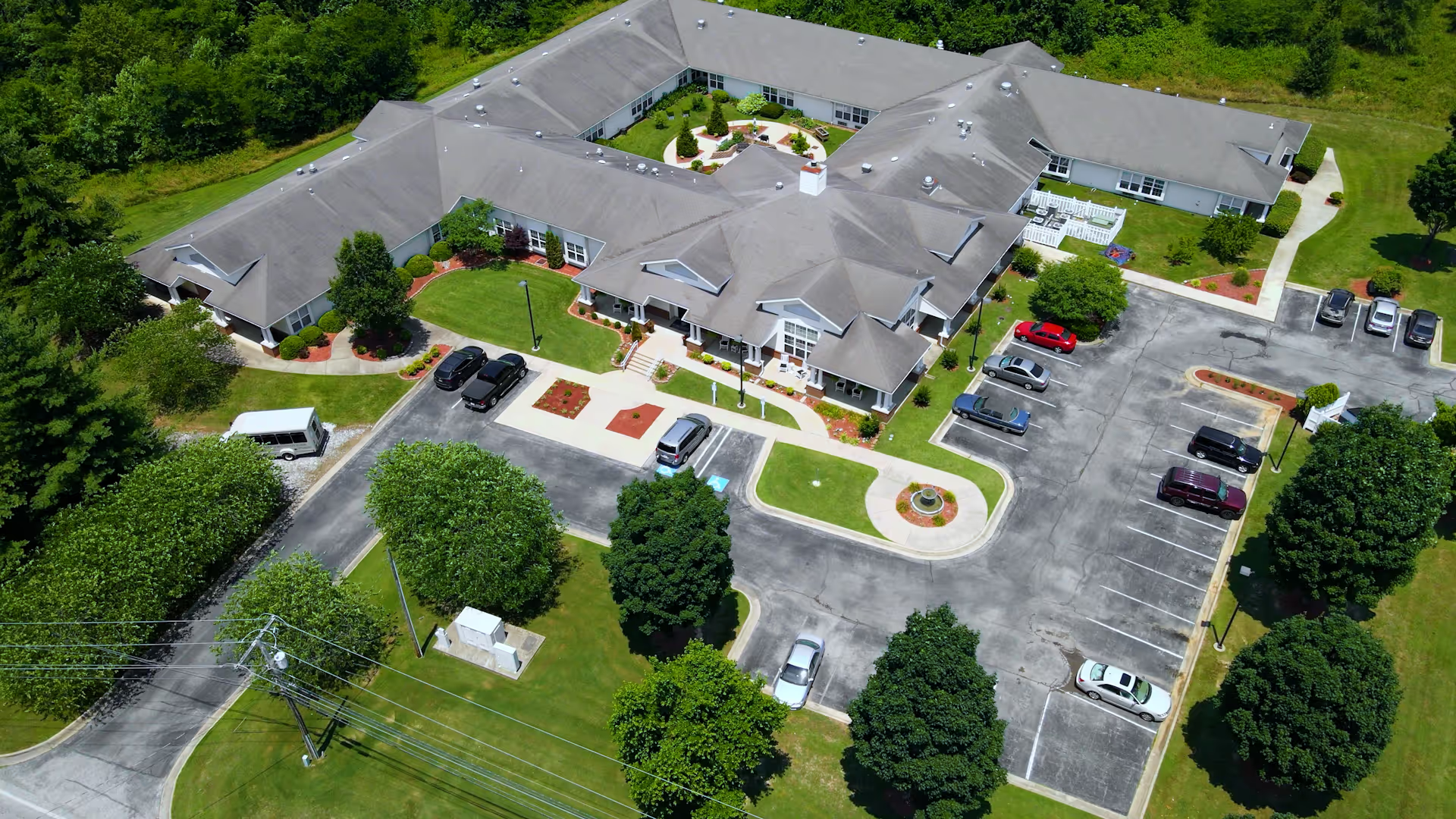
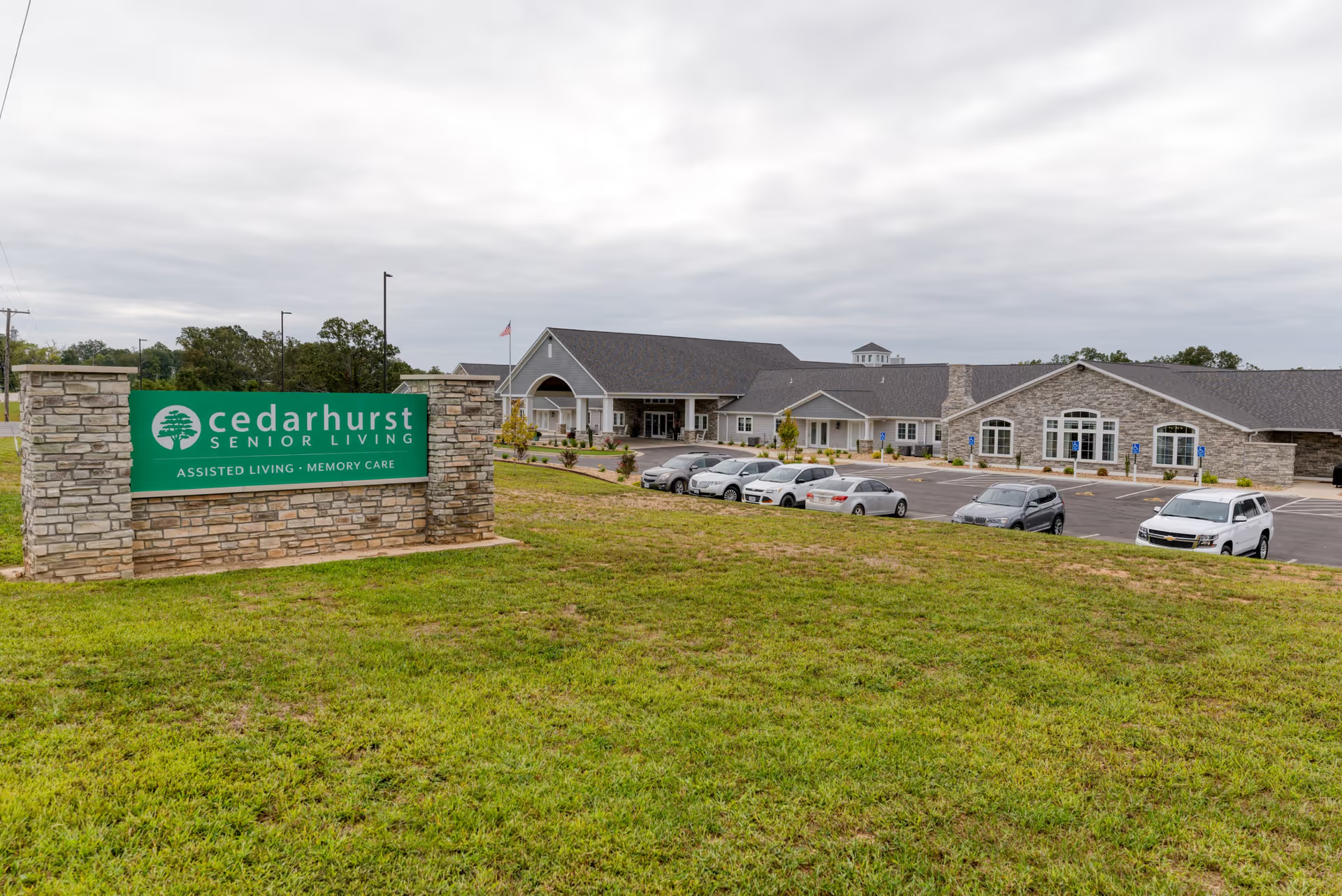
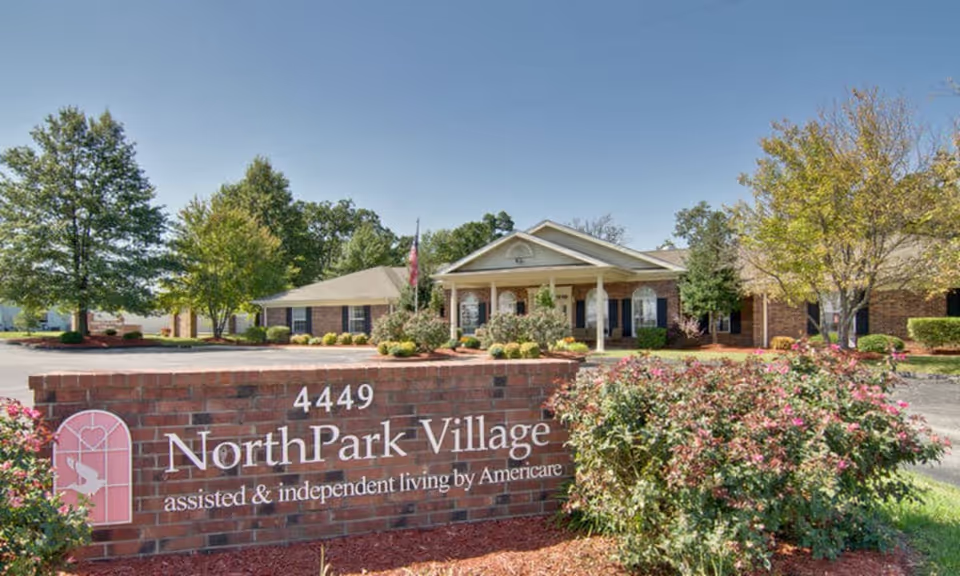
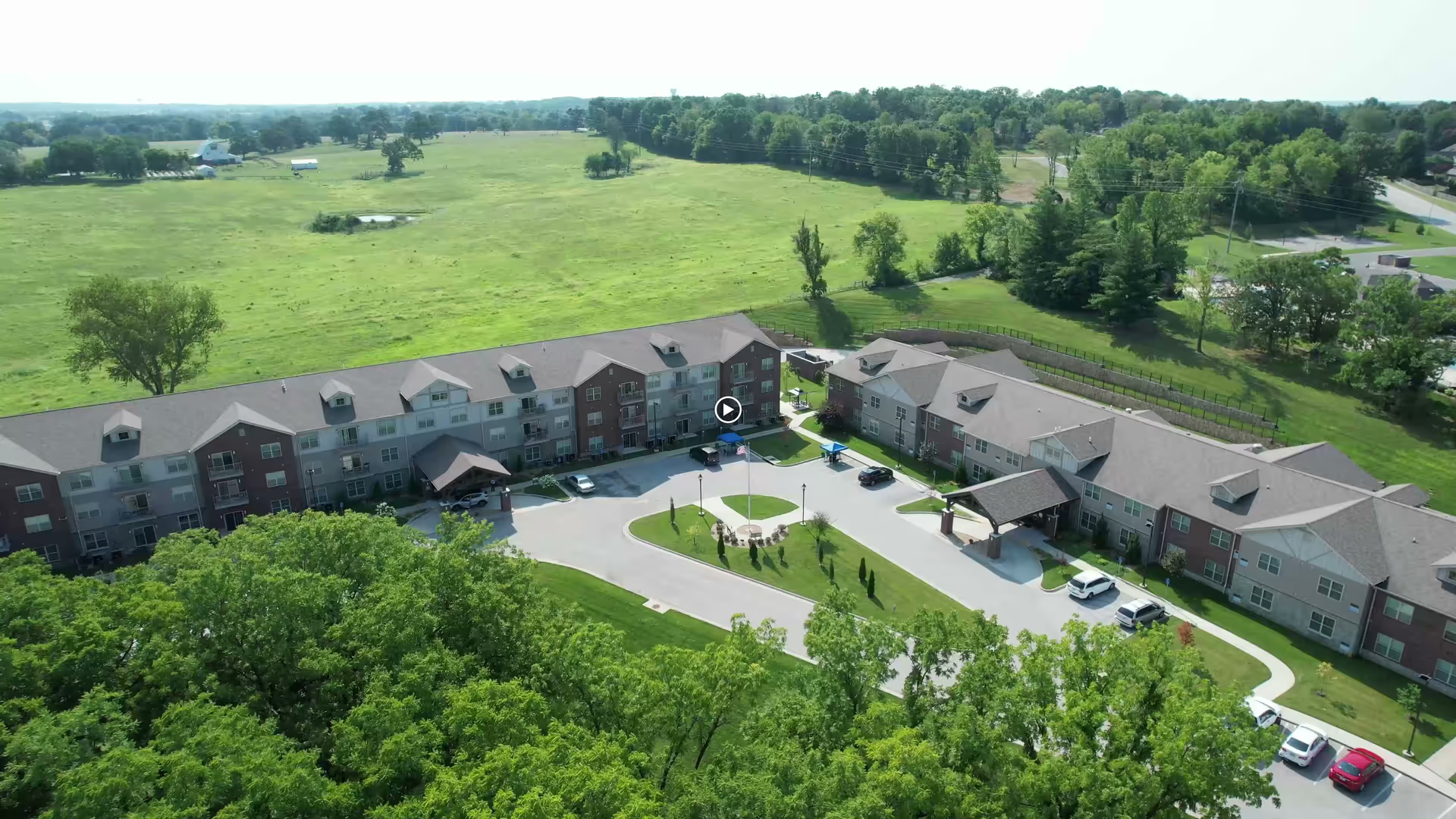
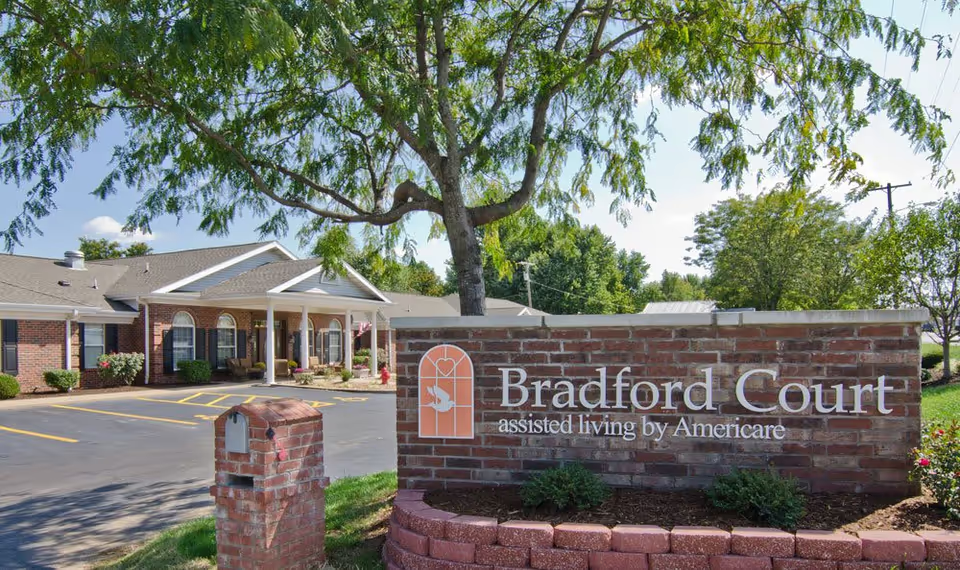
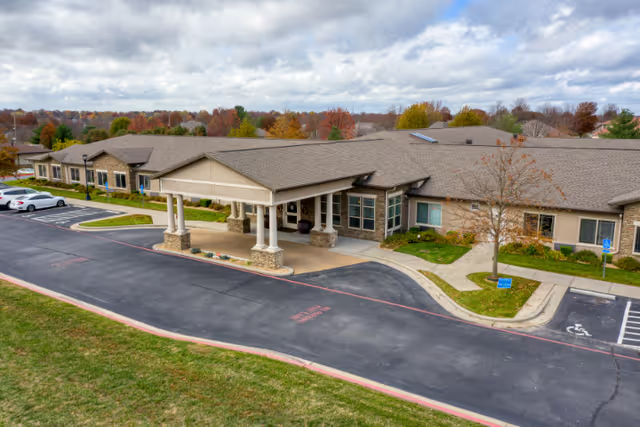
Reviews of Lake Forest Senior Living at Mountain Home present a mixture of clear strengths and notable operational concerns. Many comments praise the facility's environment: residents and visitors describe clean, well-maintained interiors and grounds, comfortable and well-lit rooms, accessible parking, and a range of housing options from independent units to assisted living. The activity program and cafeteria receive positive mentions, and several families emphasize a welcoming, family-like community atmosphere that supports resident engagement.
Care and staffing impressions are mixed. Multiple reviews commend individual caregivers and highlight friendly, attentive staff who provide compassionate day-to-day support. At the same time, there are repeated operational concerns about inconsistent staffing levels, particularly among nursing assistants, and reports of high turnover. Those staffing inconsistencies are linked in reviews to reduced service continuity, lapses in responsiveness—especially overnight—and variability in the timeliness of basic care tasks.
Clinical and care-quality themes include both praise and concern. Positive experiences include attentive caregiving and effective leadership in some interactions; however, reviewers also raise specific clinical worries that point to broader system gaps: medication-administration controls and oversight (including missed doses and potential dosing errors), coordination with hospice and therapy providers, and management of discharge transitions. A subset of comments describe clinically significant outcomes such as rehospitalization after discharge, which suggests gaps in discharge planning and insurance coordination. These patterns indicate the facility may struggle to consistently manage complex clinical transitions and after-hours needs.
Communication and management are another area of variability. Some families report well-informed, supportive administration and helpful social work, while others describe poor communication, unprofessional interactions, and organizational disorganization. These mixed impressions suggest that experiences can vary substantially depending on staff on duty and the specific administrative contacts involved. Reviewers also note instances where therapy progress documentation and goal-signing felt pressured, which points to a need for clearer, family-centered care-planning practices.
For prospective residents and families, the facility shows clear strengths in environment, social programming, and warm interactions with many staff members. At the same time, important operational weaknesses—most notably inconsistent staffing, medication-management controls, after-hours responsiveness, and discharge/coordination processes—appear repeatedly enough to merit direct questions during tours and admissions discussions. Recommended topics to explore include staffing ratios and turnover, overnight coverage and call response times, medication-administration protocols, discharge planning and insurance coordination, and how hospice and therapy services are integrated into individualized care plans.