Reviewer feedback for The Blossoms at White River Rehab & Nursing Center is mixed, with clear patterns of both strengths and operational weaknesses. Many commenters describe a home-like, welcoming atmosphere and praise the direct-care staff as friendly and caring. The facility’s activities program is frequently noted as active and engaging—bingo and other social events were cited as opportunities for resident participation. Several families recommended the center for short inpatient rehabilitation and for longer-term residency, and some specifically praised attentive day-to-day personal care and comforting interactions from frontline staff.
At the same time, there are substantive clinical and management concerns that prospective residents and families should investigate. Reviews imply inconsistency in care quality across shifts and cases, with particular indications of problems related to wound and skin-care management and broader clinical monitoring. There are mentions of serious medical complications and questions about how clinical changes are identified and managed; these comments suggest the facility may have gaps in protocols for complication prevention and follow-up.
Operationally, feedback distinguishes between the bedside caregiving team and the leadership layer. While many direct-care employees are described as compassionate and attentive, several accounts raise issues about management and leadership professionalism, including staff conduct and communication tone at administrative levels. Relatedly, families reported communication and responsiveness gaps that complicated coordination and information-sharing. A low Medicare/CMS quality rating was also cited and should prompt objective verification of current regulatory and inspection records.
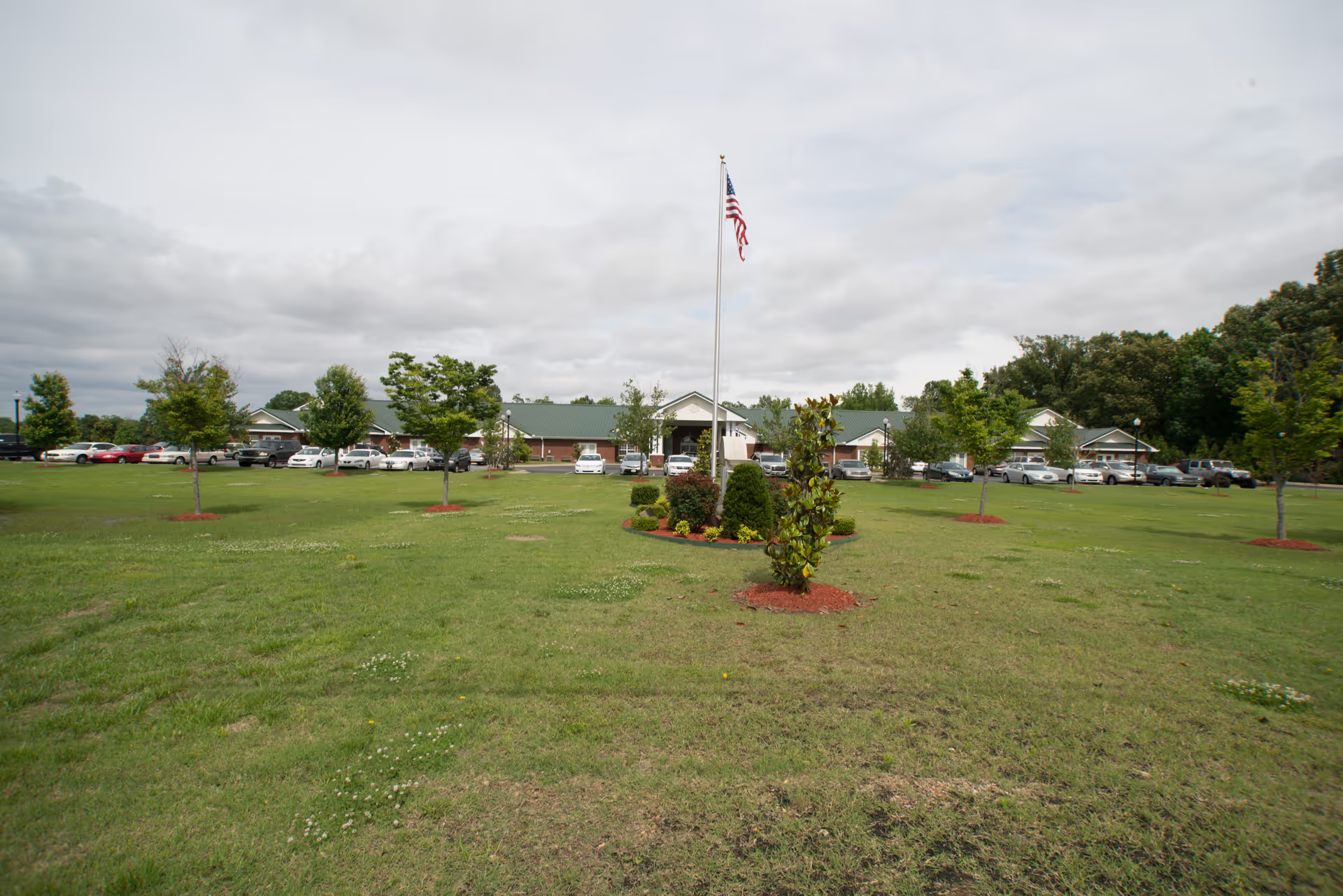
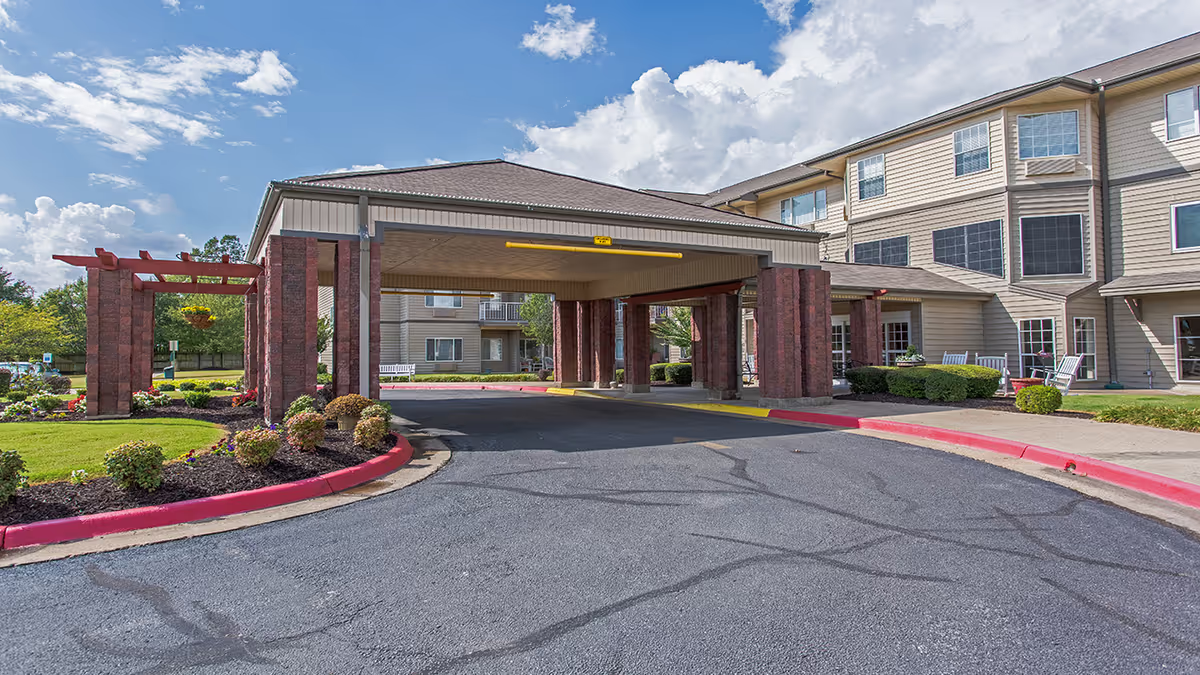
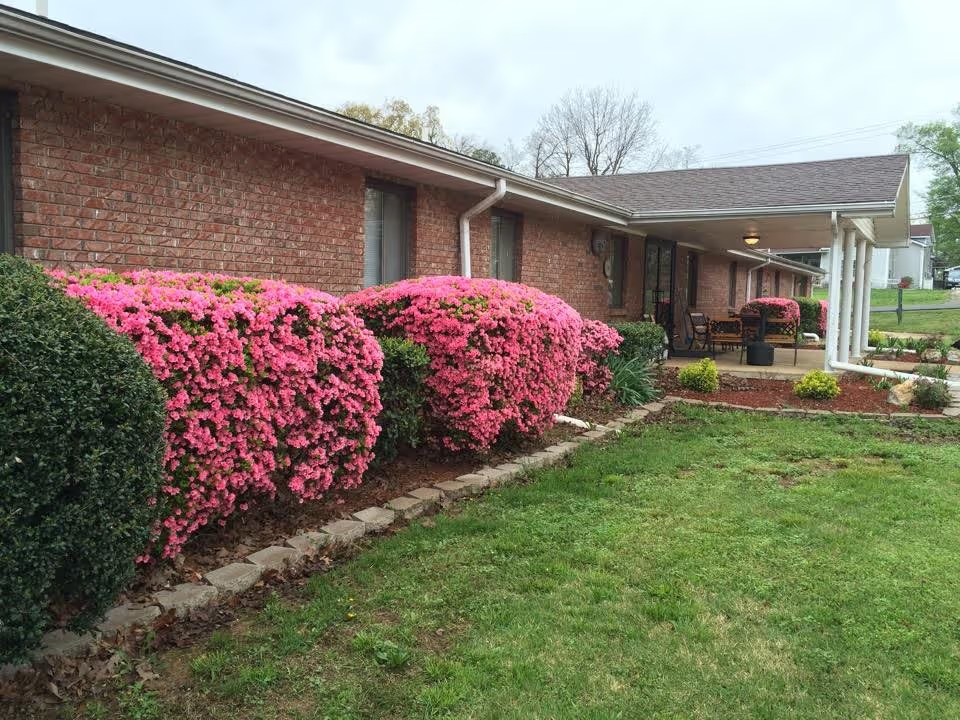
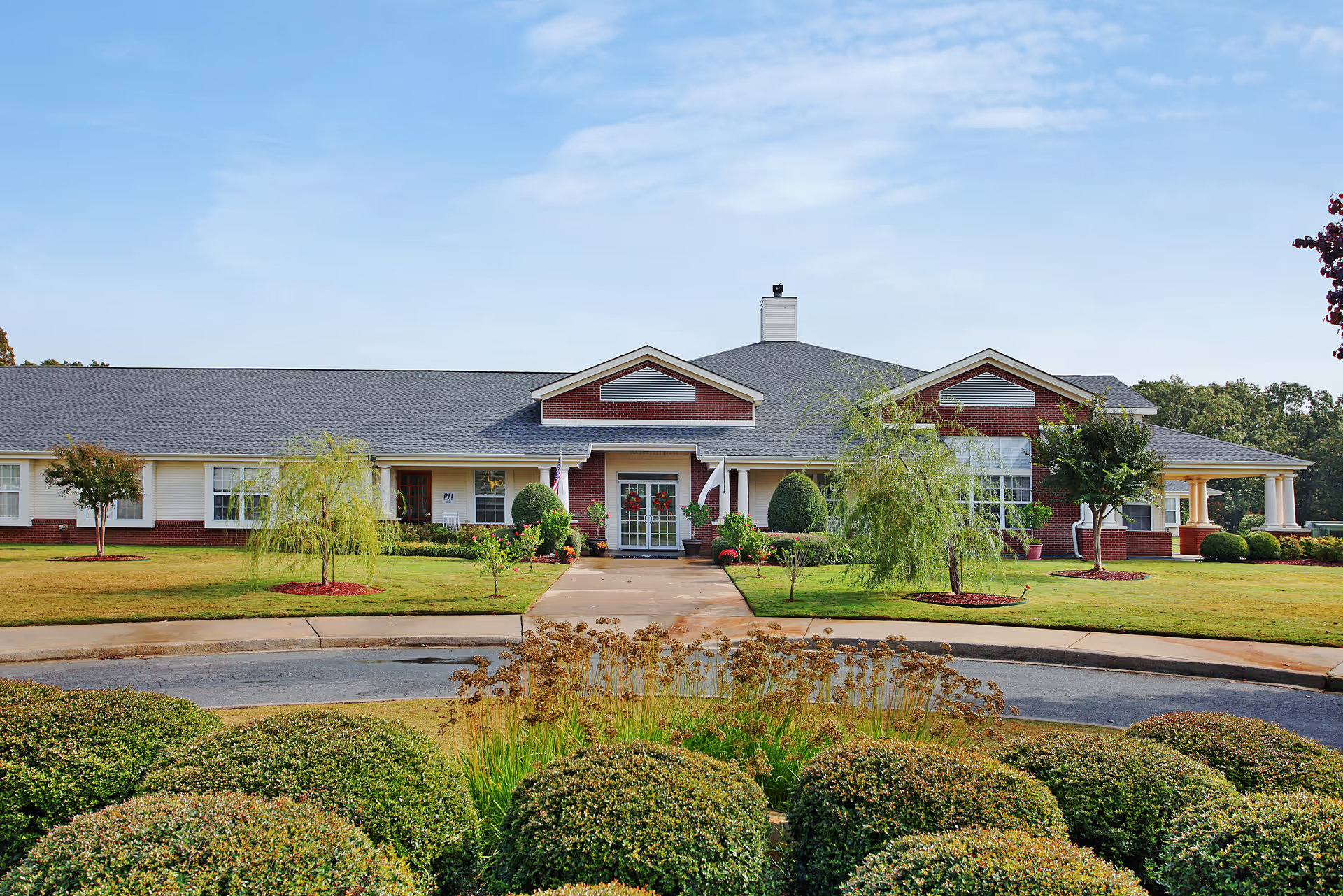
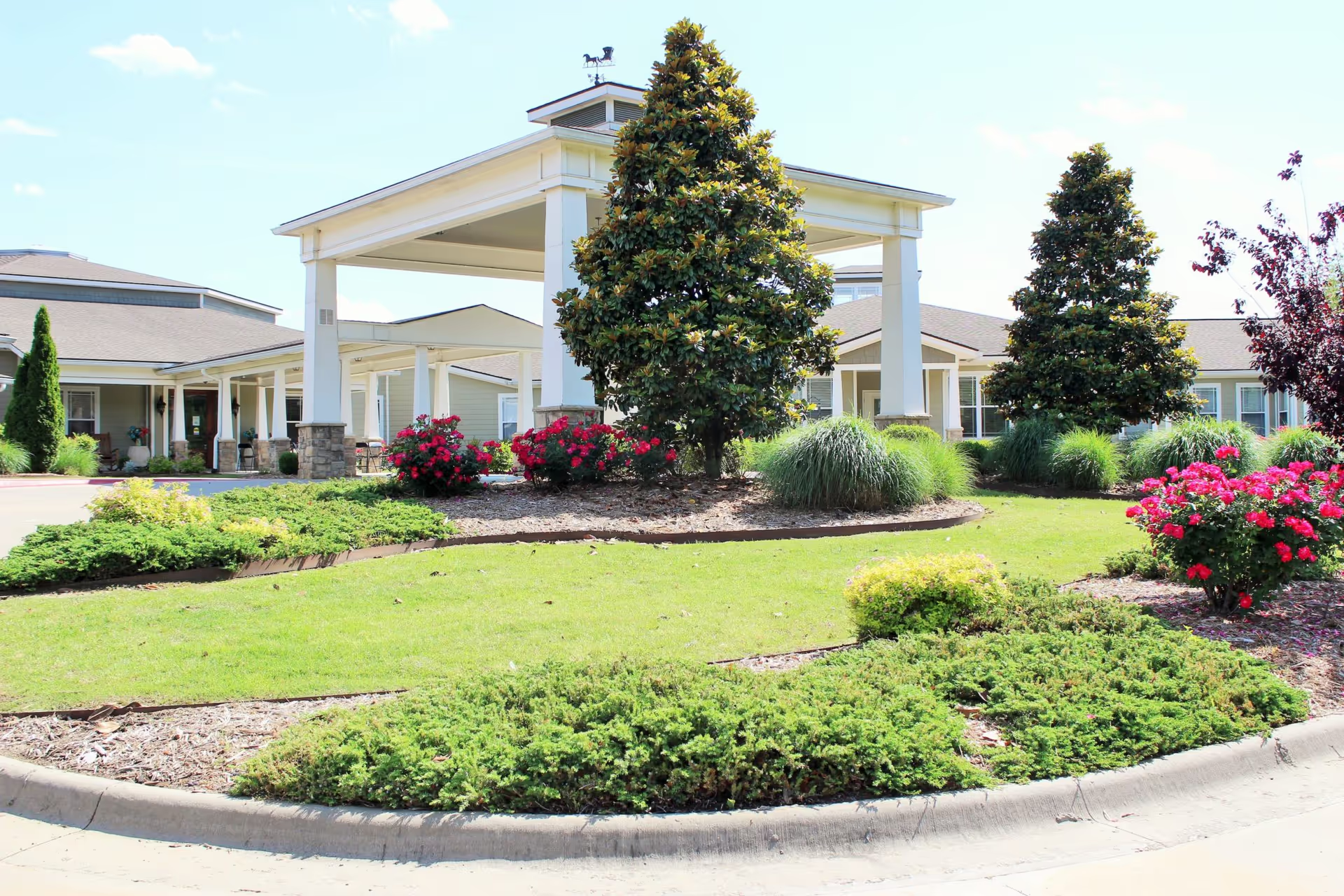
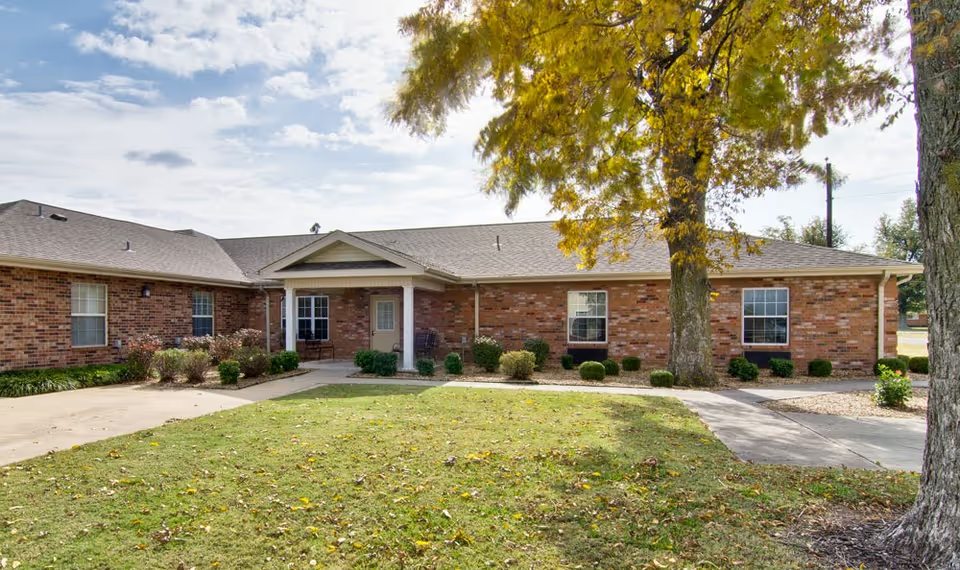
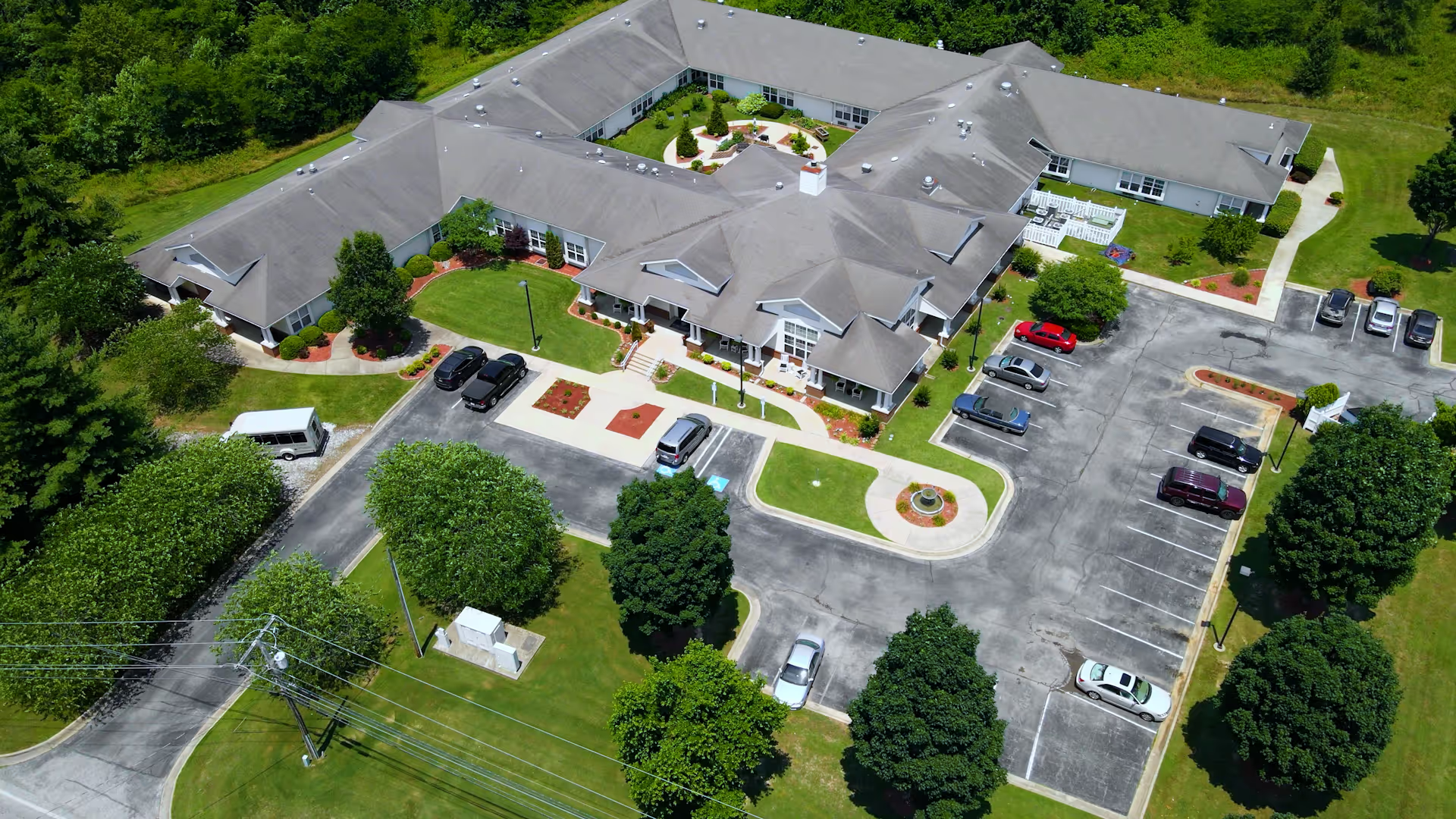
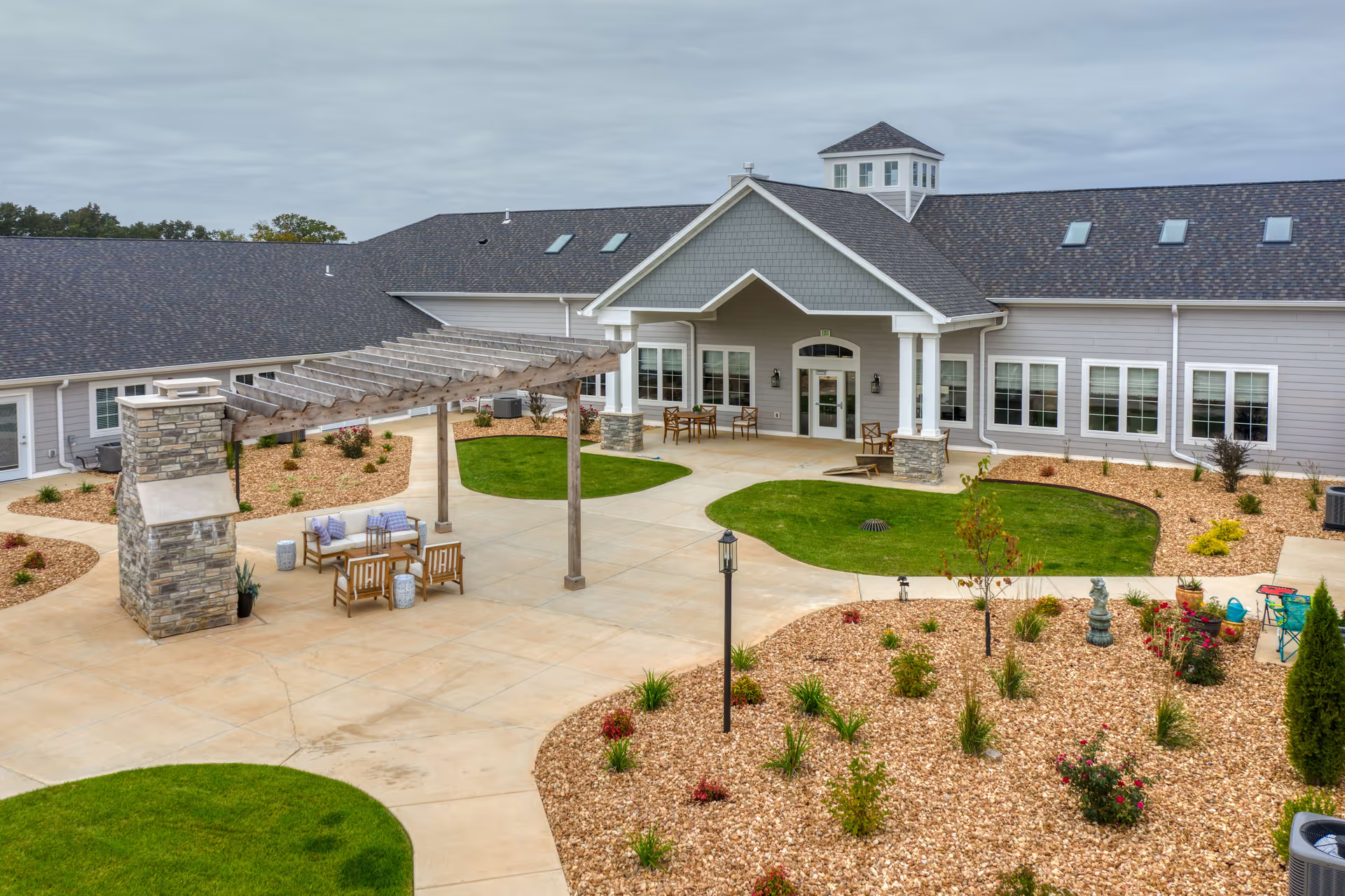
Information about dining quality is limited in the available summaries; few reviewers commented on meals or food service. Facility appearance and atmosphere are commonly described as homey and welcoming, suggesting a comfortable physical environment for social activities and visitation. End-of-life and hospice experiences appear to be inconsistent: some families found staff comforting, while others described coordination problems during hospice care.
Given these mixed signals, a prospective resident or family should arrange an in-person tour and ask targeted questions before admission. Recommended topics include current staffing levels and shift patterns, wound-care and skin-integrity protocols, clinical-monitoring and incident-response procedures, hospice coordination practices, recent survey or inspection results, and how the facility addresses family communication and complaints. Direct observation of activities and interactions between staff and residents can help clarify whether the facility’s strengths align with your expectations and clinical needs.