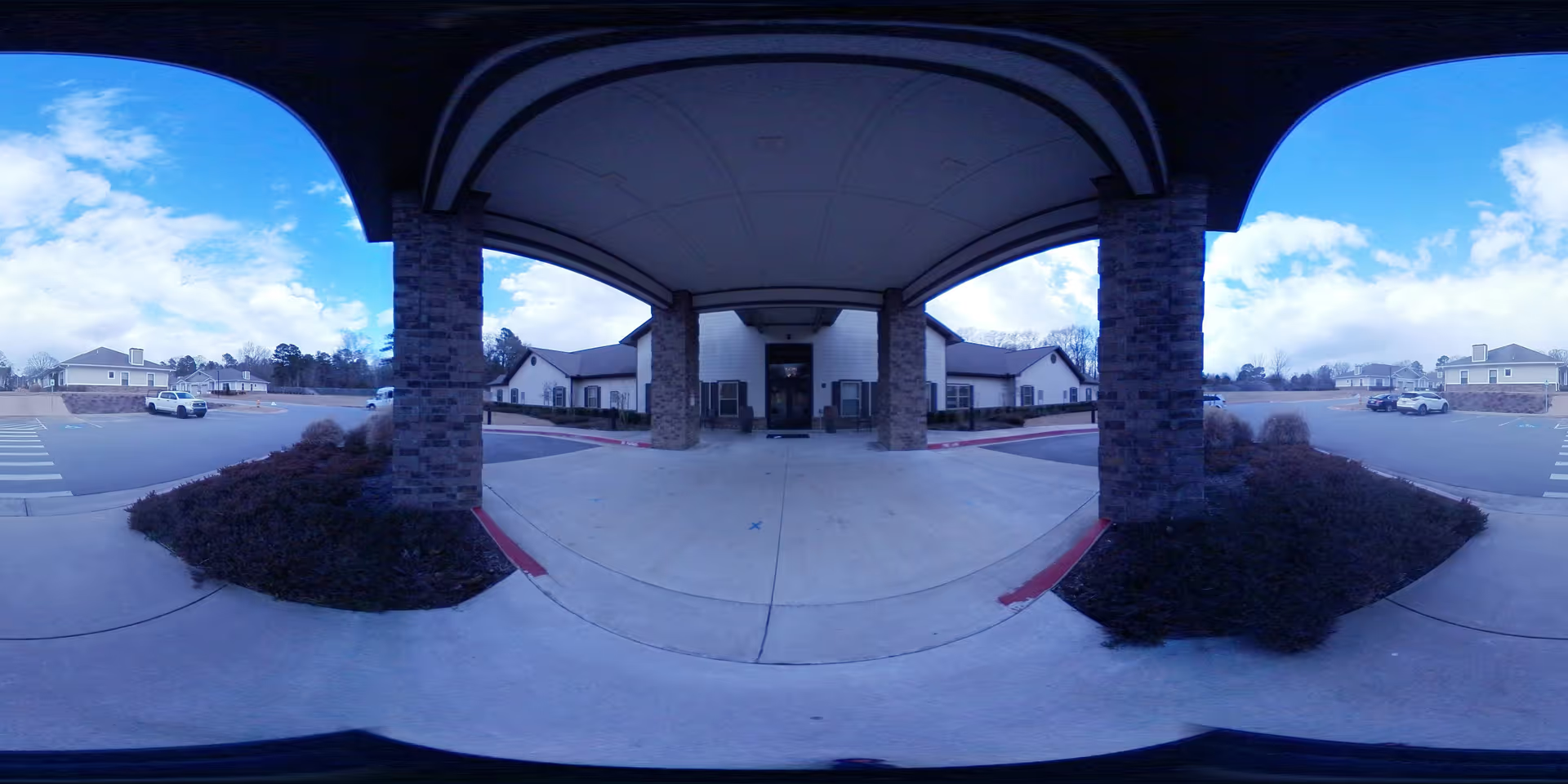
Overall impression: Reviews for The Springs of Premier Health & Rehabilitation are mixed, with clear strengths in staff relationships and therapy services alongside recurring operational weaknesses. Many families describe warm, welcoming reception staff and caregivers who are attentive and compassionate, and several accounts highlight effective therapy teams and strong end-of-life support. At the same time, other families reported serious lapses in routine care and operational reliability that merit investigation by prospective residents and their advocates.
Care quality and clinical responsiveness: Positive experiences frequently cite caring CNAs, responsive nurses (including night staff credited with timely interventions), and attentive end-of-life care. Conversely, reviewers also reported gaps in clinical monitoring and delayed responses to resident needs, including unreliable call-button availability and limited assistance at times of transfer or toileting. These patterns point to inconsistent day-to-day clinical supervision and variable staff coverage, particularly during weekends and overnight shifts.
Staff and management: Staff interpersonal skills are often praised — staff are described as friendly, respectful, and willing to accommodate preferences. Social-work and business-office personnel were specifically identified as helpful in navigating placement and billing. However, families also described inconsistent communication, delayed or inadequate incident follow-up, missing or mishandled personal items, and concerns that discharge timing and care decisions can be influenced by insurance or billing constraints. There are also a few serious allegations related to medication/behavioral management that some reviewers said warranted external review.
Dining and rehabilitation: Experiences with dining and food service vary. Several reviewers praised pleasant dining areas and supportive meal assistance, while others described inconsistent food quality and isolated food-handling or tray-delivery problems. Rehabilitation services receive similarly mixed feedback: some families report high-quality, effective PT/OT care and noticeable progress, whereas others describe limited therapy frequency, lack of mobilization, or early discharge driven by insurance limits. Ask for written therapy plans, typical session frequency, and typical length of stay when evaluating the facility.
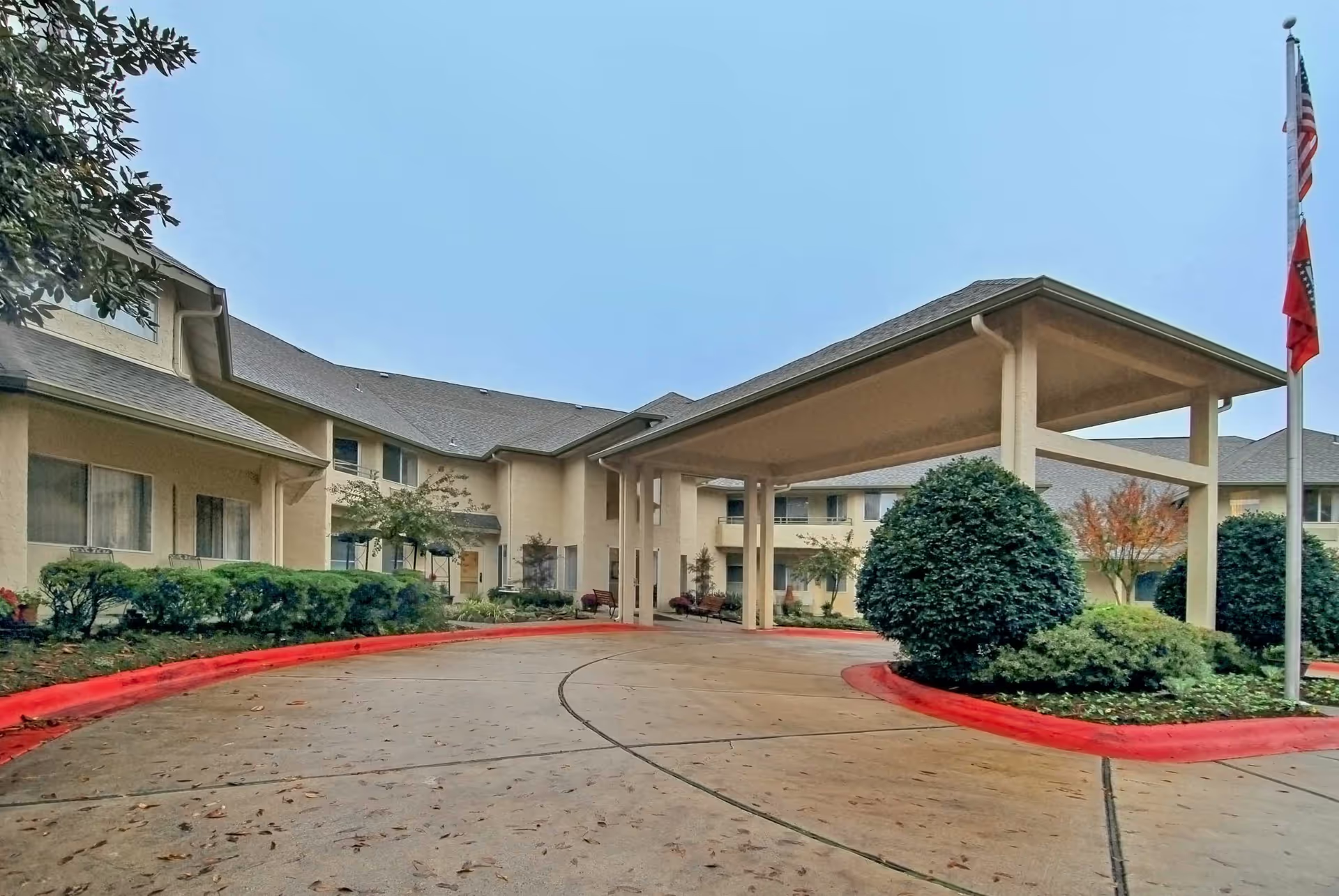
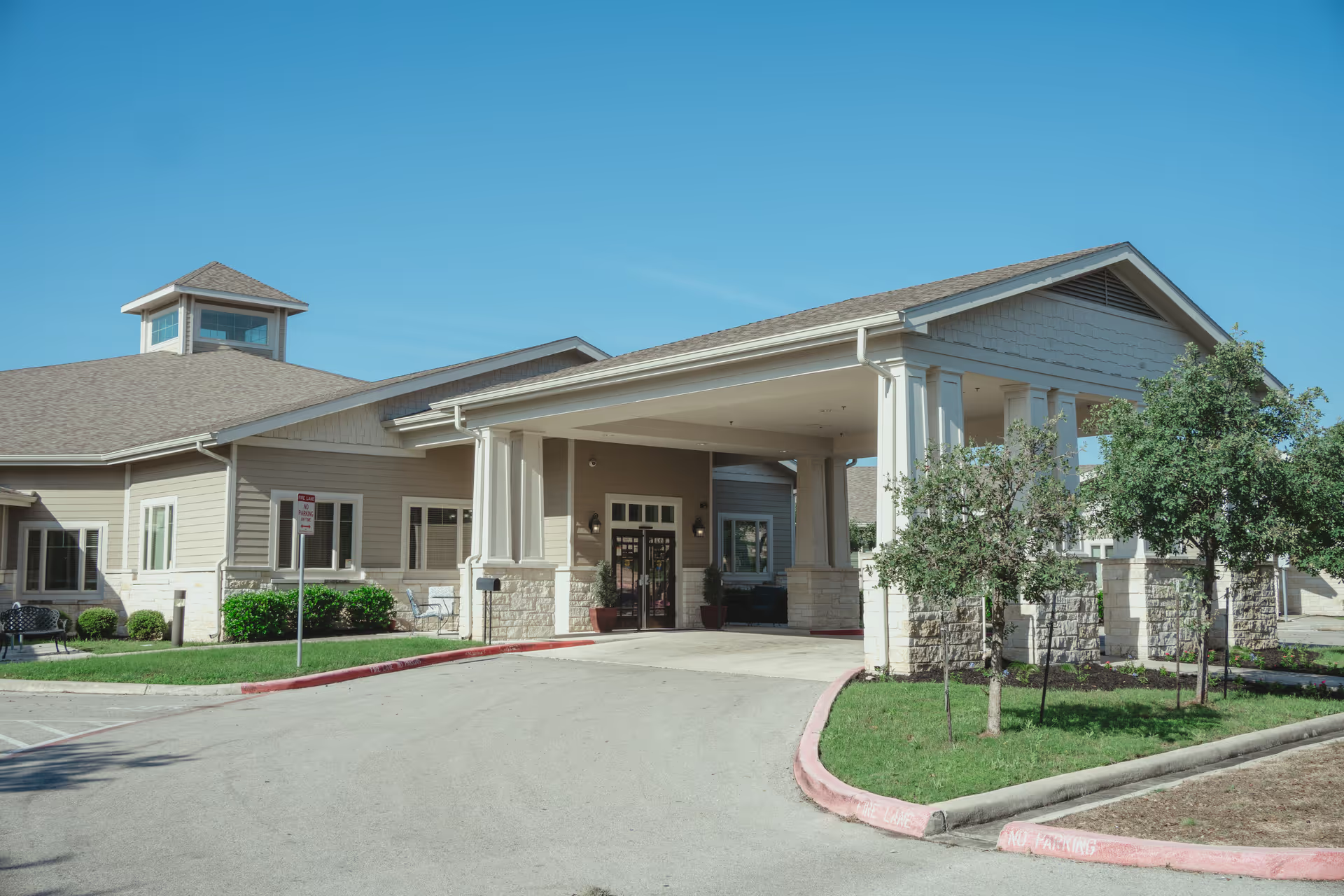
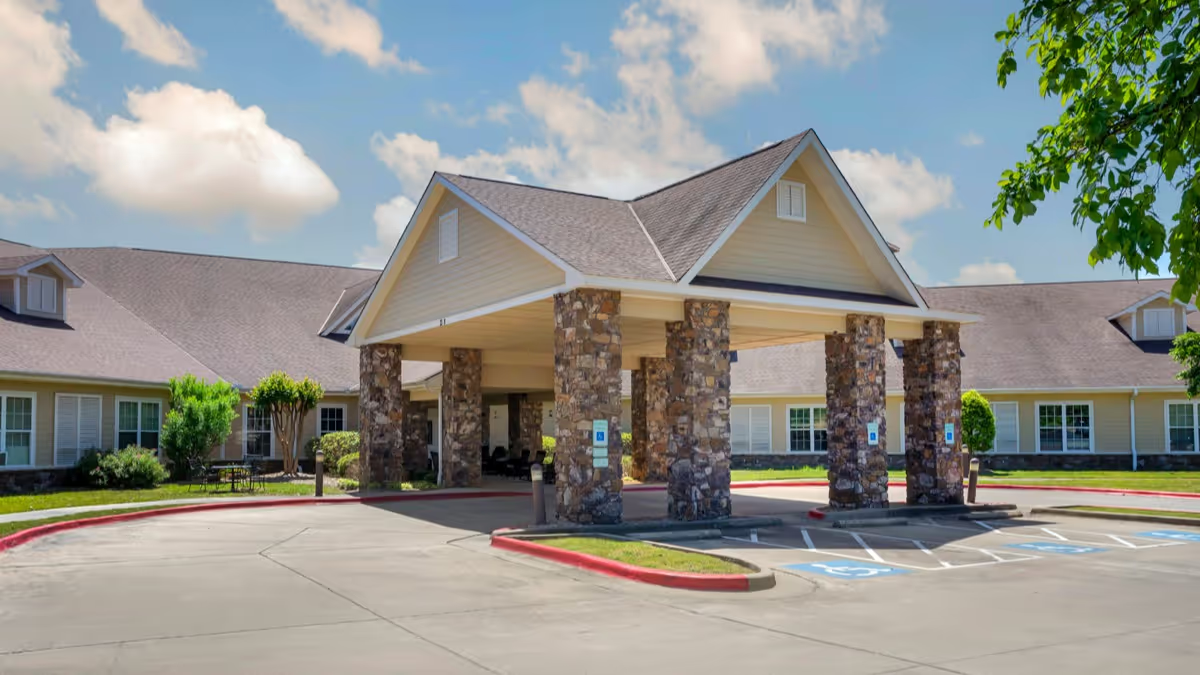
Activities and environment: The activities program receives frequent praise — staff-led events, birthday celebrations, movies, bingo, and social interaction opportunities were noted positively. The facility’s common areas, courtyard, and some rooms are generally described as clean and pleasant, creating a home-like environment for visitors and residents. Yet there are also reports of uneven housekeeping performance and localized sanitation or odor-control issues in resident rooms or bathrooms, indicating variability in environmental services consistency.
Notable patterns and recommendations: The pattern across reviews is one of considerable variability: strong relational care and effective therapy for some residents, and operational or clinical lapses for others. Key areas to probe on a tour or in advance of placement include: staffing levels by shift (especially weekends and nights), call-button and fall-prevention protocols, incontinence and bathing schedules, infection-control and housekeeping protocols, therapy program details and discharge criteria, property-management policies for personal belongings, and the facility’s family-communication and incident-resolution processes. For families with heightened safety or medical needs, consider unannounced visits, written care plans, and direct conversations with the clinical director about contingency staffing and escalation procedures prior to placement.