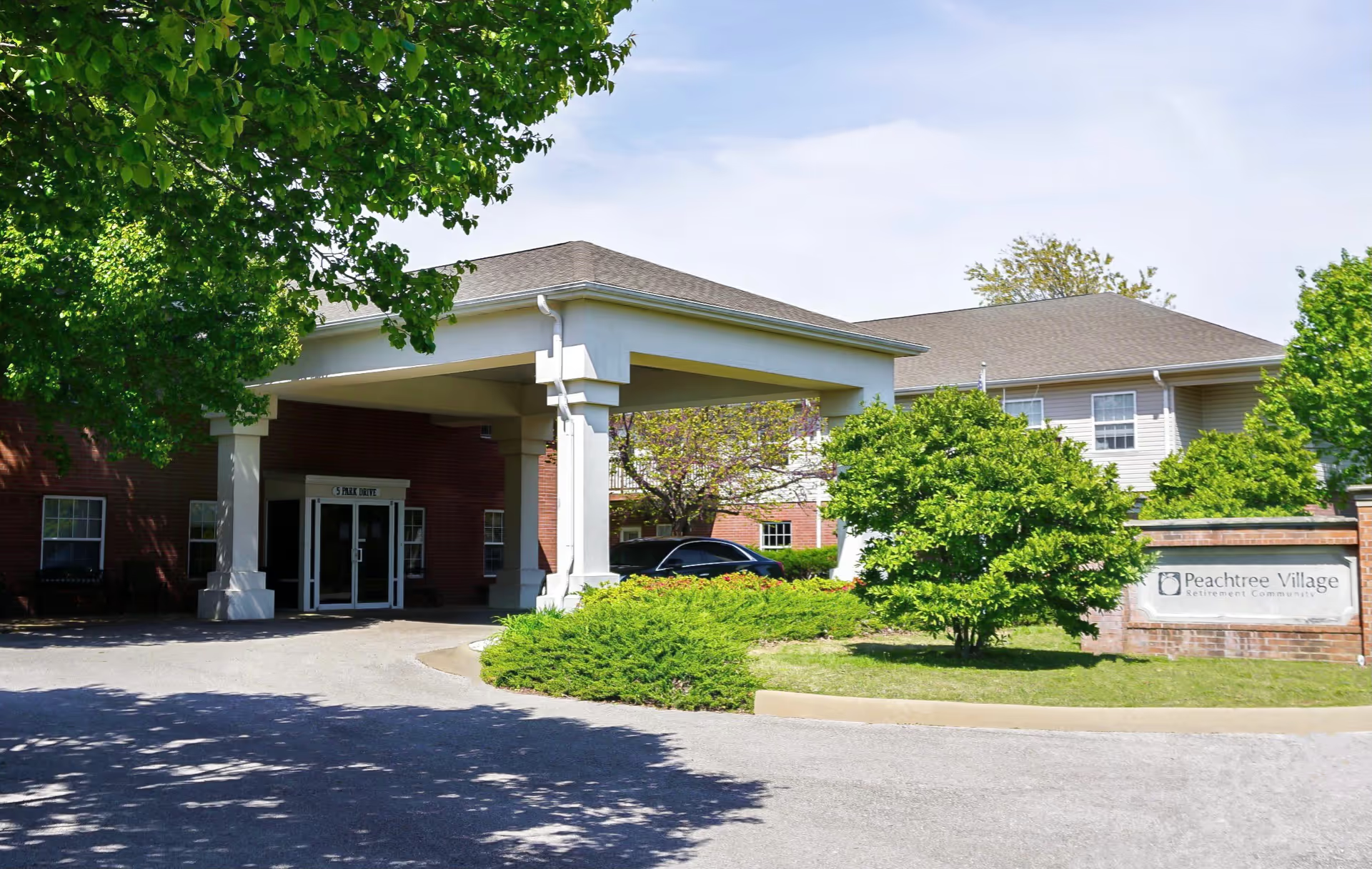
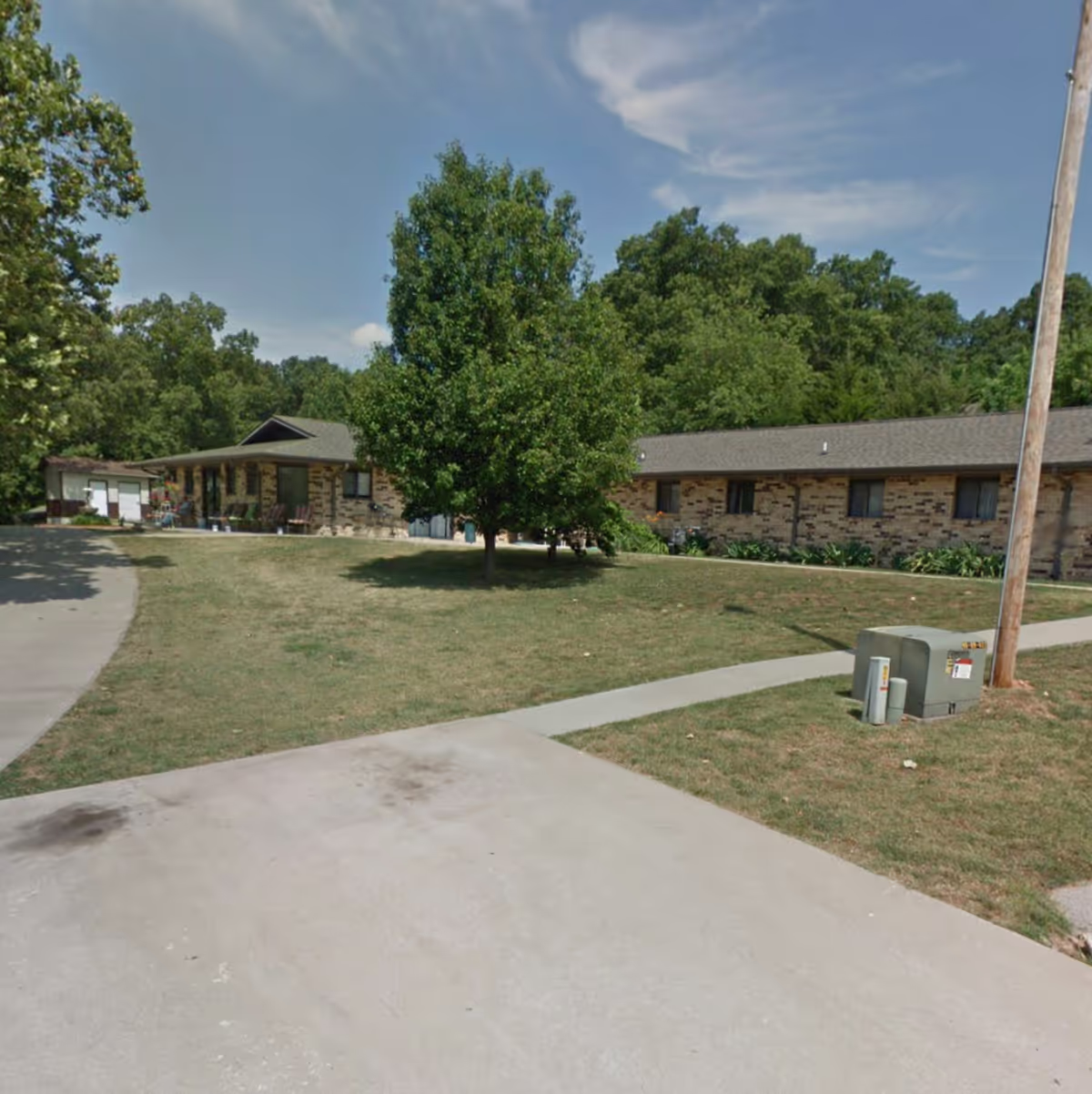
The reviews present a polarized picture of Innisfree Nursing Center: many families and residents praise the facility for compassionate direct-care staff, clean and spacious surroundings, and a generally pleasant, home-like environment, while other accounts raise operational and clinical concerns that appear to be unevenly distributed across shifts or units.
Care and clinical quality: Positive feedback highlights attentive certified nursing assistants, knowledgeable clinical staff, and effective rehabilitative support for conditions such as post-stroke recovery. Conversely, several accounts describe delays in attending to call lights and personal-care needs, inconsistent wound and infection management, and perceived gaps in therapy planning. Taken together, these comments suggest reliable baseline caregiving in parts of the facility, with occasional breakdowns in responsiveness and clinical consistency that families should clarify during visits.
Staff and professional conduct: Reviewers frequently commend staff kindness, helpfulness, and staff–family communication, and some identify administration as personable and engaged. However, there are repeated concerns about inconsistent professionalism, including lapses in communication tone, personal conduct, and etiquette. Privacy-related incidents and reports of dismissive or unsympathetic interactions with family members point to variability in staff behavior and the need for stronger, consistent enforcement of dignity and privacy protocols.
Dining and nutrition: Many reviewers describe well-prepared, varied meals, tailored options, and useful meal communications such as a lunch newsletter; some families emphasize excellent food and in-room meal service during renovations. At the same time, other accounts note problems with meal temperature, delivery handling, and isolated service errors. The pattern indicates generally good meal planning but occasional delivery or service quality issues.
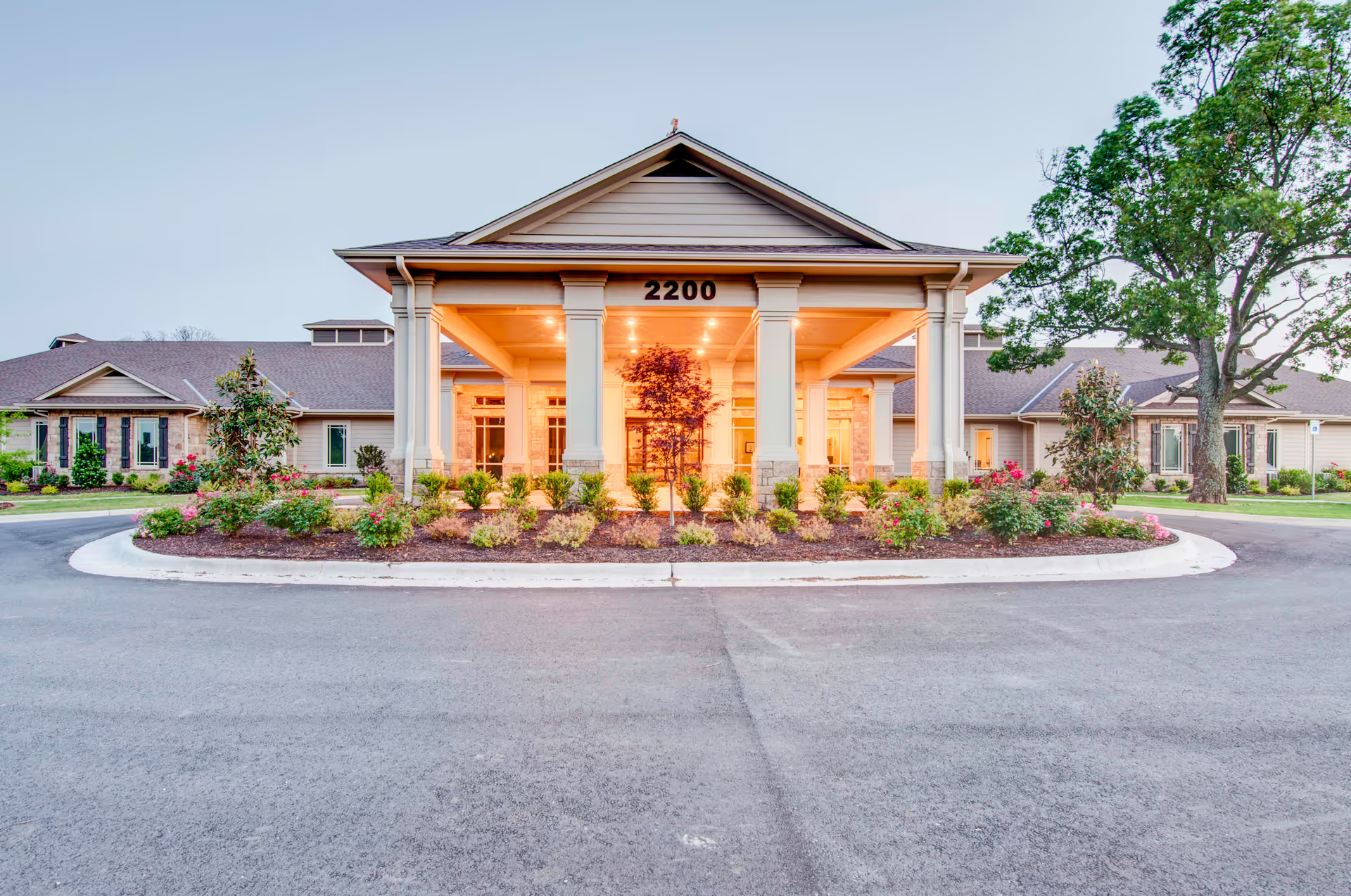
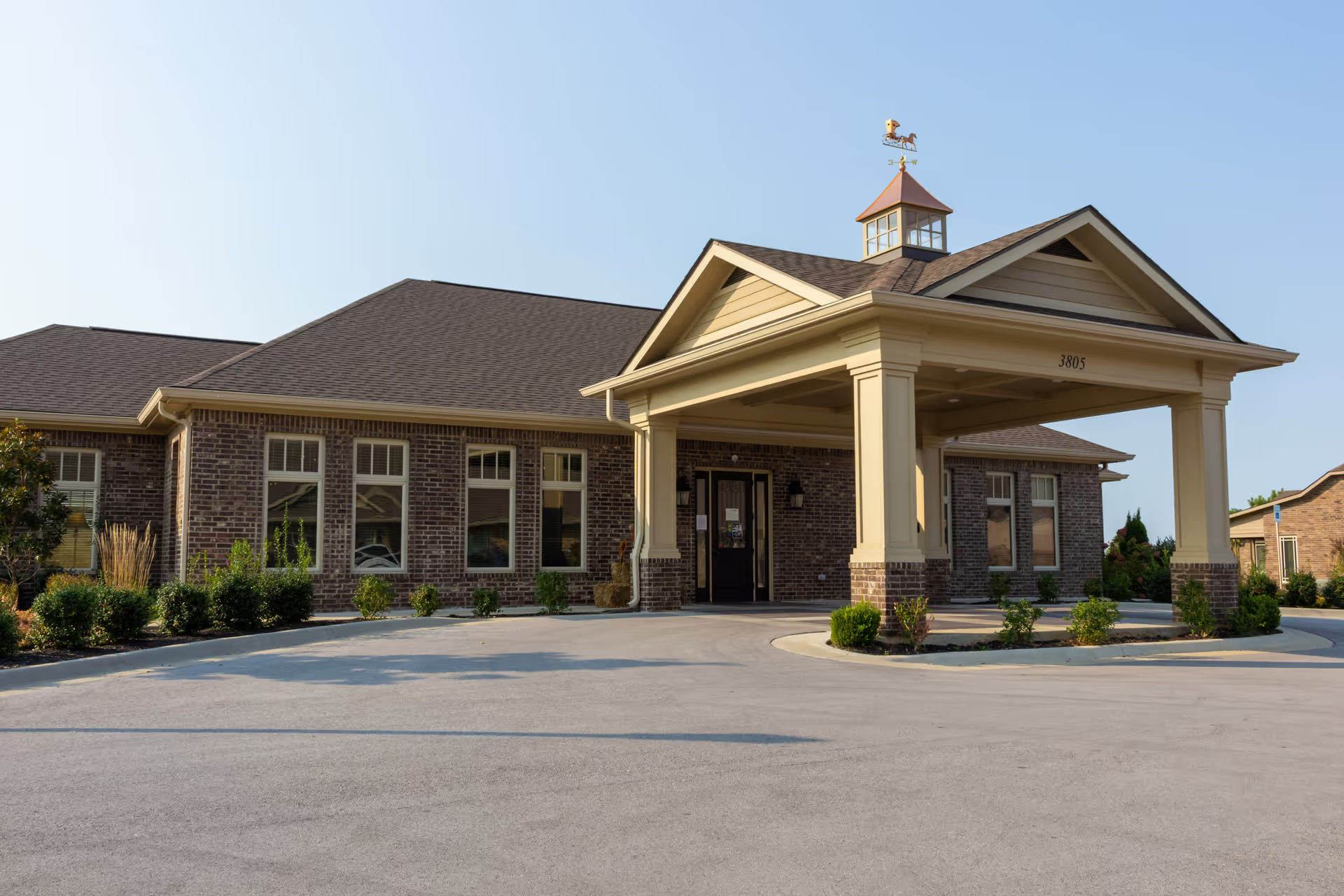
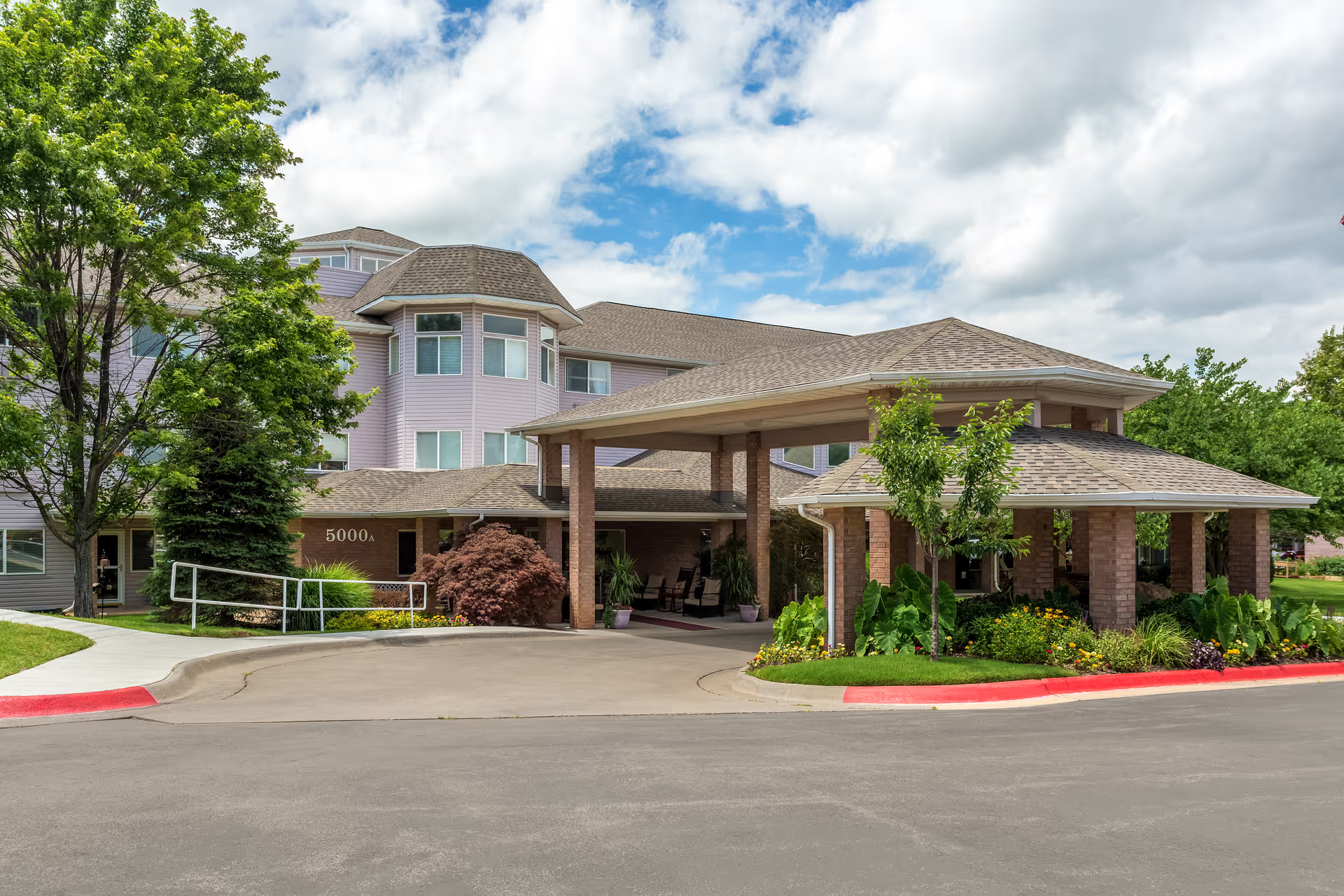
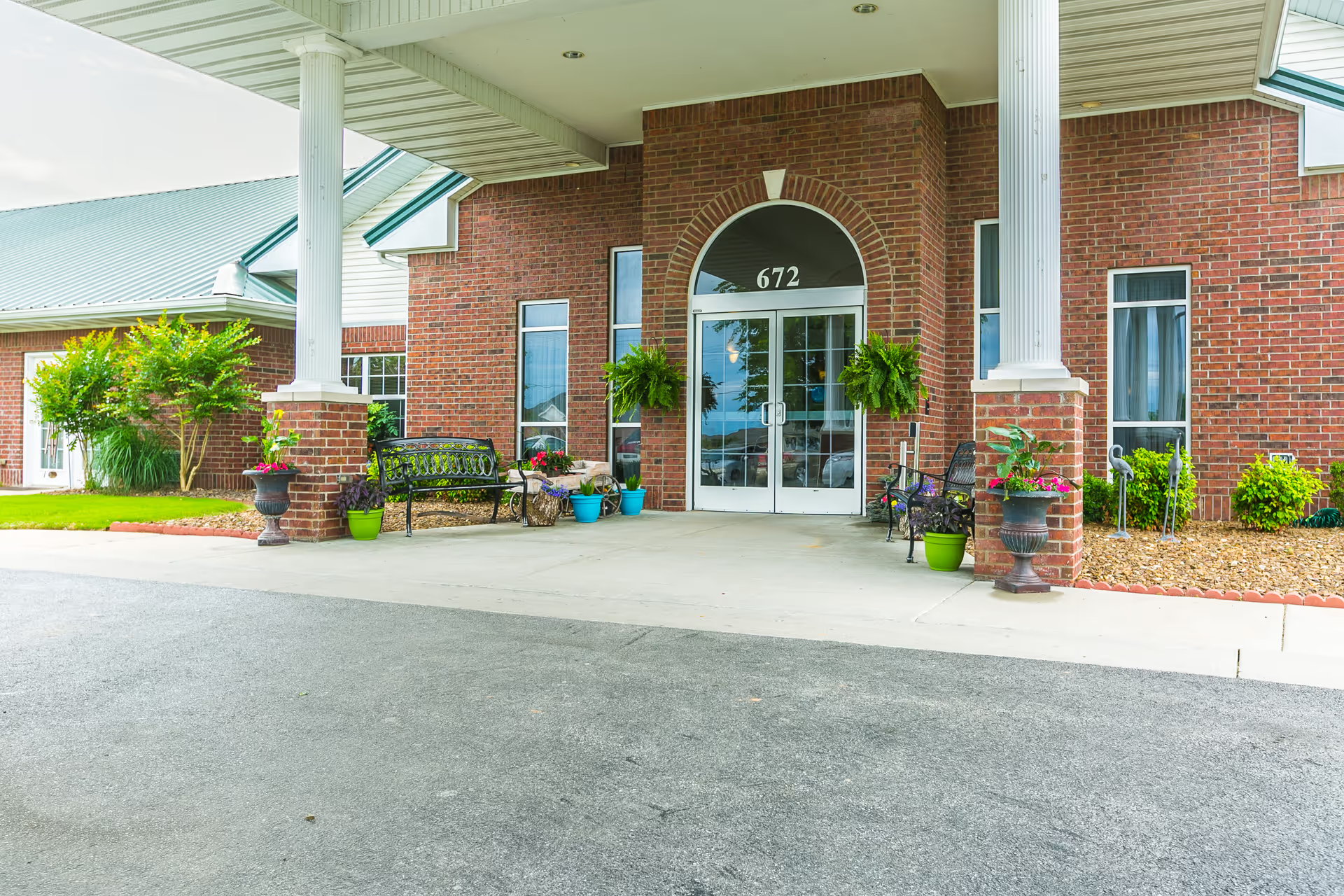
Facilities and environment: The facility is repeatedly described as clean, modern, and calming, with large rooms, wide halls, and decorative elements that residents appreciate. Housekeeping receives positive mentions. Still, a number of reviewers raise sanitation and odor concerns in specific areas, suggesting that environmental quality may be inconsistent across the building or during certain shifts.
Management and communication: Opinions about leadership are mixed. Some reviewers find administration responsive and personable; others report poor communication around sensitive events and an unsympathetic managerial tone. The disparity suggests variability in leadership engagement or communication practices that families should probe when evaluating the facility.
Notable patterns and risk areas: The reviews cluster around a few recurring themes—variability in staff professionalism, delays in response times, inconsistent clinical wound management, intermittent sanitation/odor issues, lapses in privacy protocols, and at least one allegation concerning medication or property handling. These themes indicate that overall quality may depend heavily on staffing levels, shift, or unit, rather than being uniform facility-wide.
For prospective residents and families: Innisfree demonstrates clear strengths in direct caregiving, facility upkeep in many areas, and meal planning. At the same time, it would be prudent to assess responsiveness at different times of day, inquire about wound-care and infection-control protocols, review medication and asset-control procedures, and observe staff–resident interactions and privacy practices during a visit. These steps can help determine whether the facility’s positive attributes align with a particular resident’s needs and expectations.