Innisfree Senior Living receives consistent praise for its direct-care staff and the quality of day-to-day resident interactions. Reviewers commonly describe caregiving and support personnel as compassionate, attentive, and familiar with residents by name. Housekeeping, dining-room servers, and activity staff are frequently highlighted as friendly and helpful; families noted instances of staff accommodating individual needs (lowered beds, padded rails, meal accommodations) and described positive short-term rehab experiences. The community offers an on-campus continuum that includes nursing and rehabilitation services, which adds convenience for residents who require episodic skilled care.
Dining is a prominent strength in many accounts. The facility emphasizes restaurant-style service with table-side ordering, cloth napkins, tablecloth presentation, and an all-day salad bar; some reviewers described rotating meals and chef-quality soups. At the same time, dining experience appears variable across visits—while many praised food quality and presentation, others described inconsistent meal satisfaction, indicating that meal quality and service consistency may fluctuate.
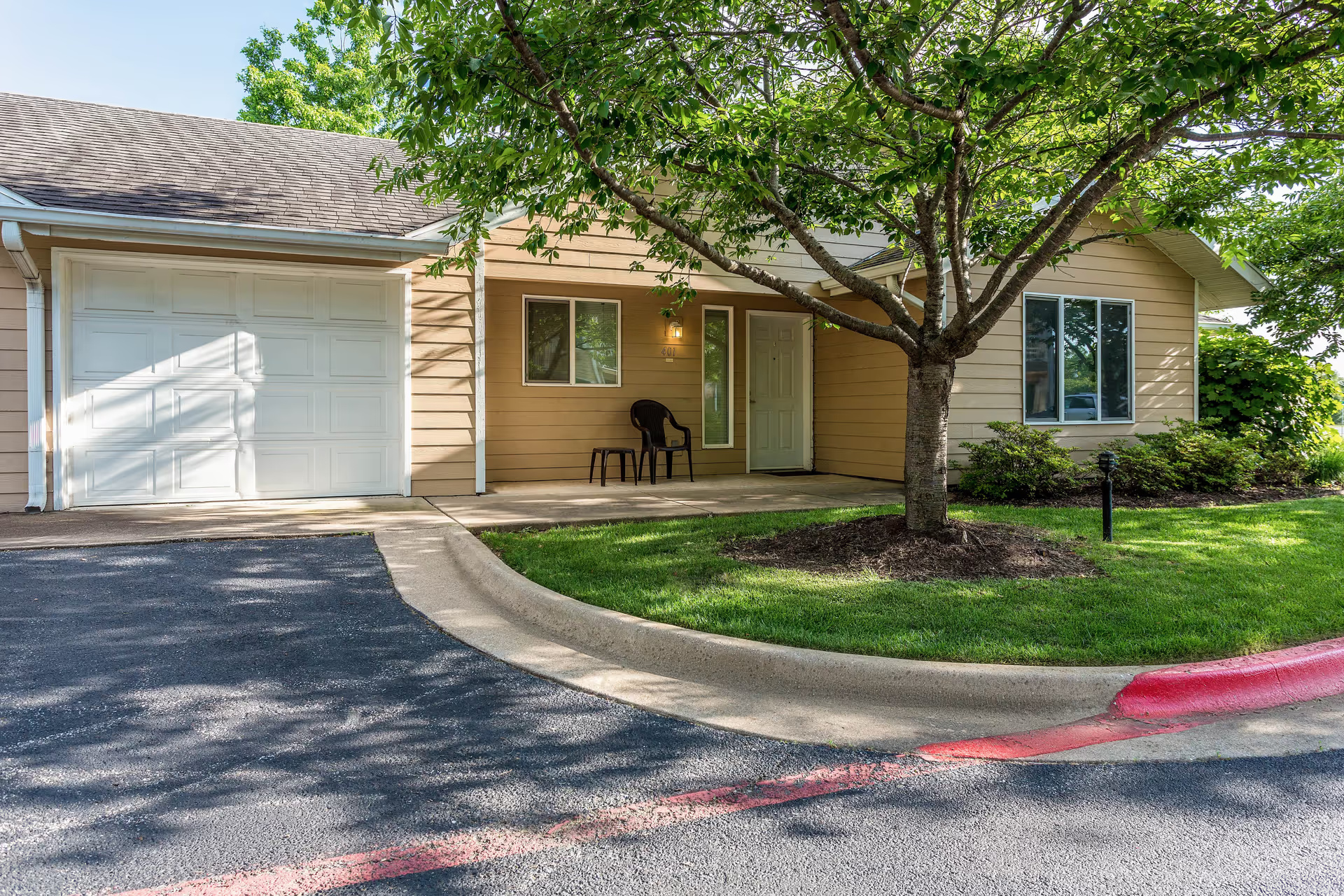
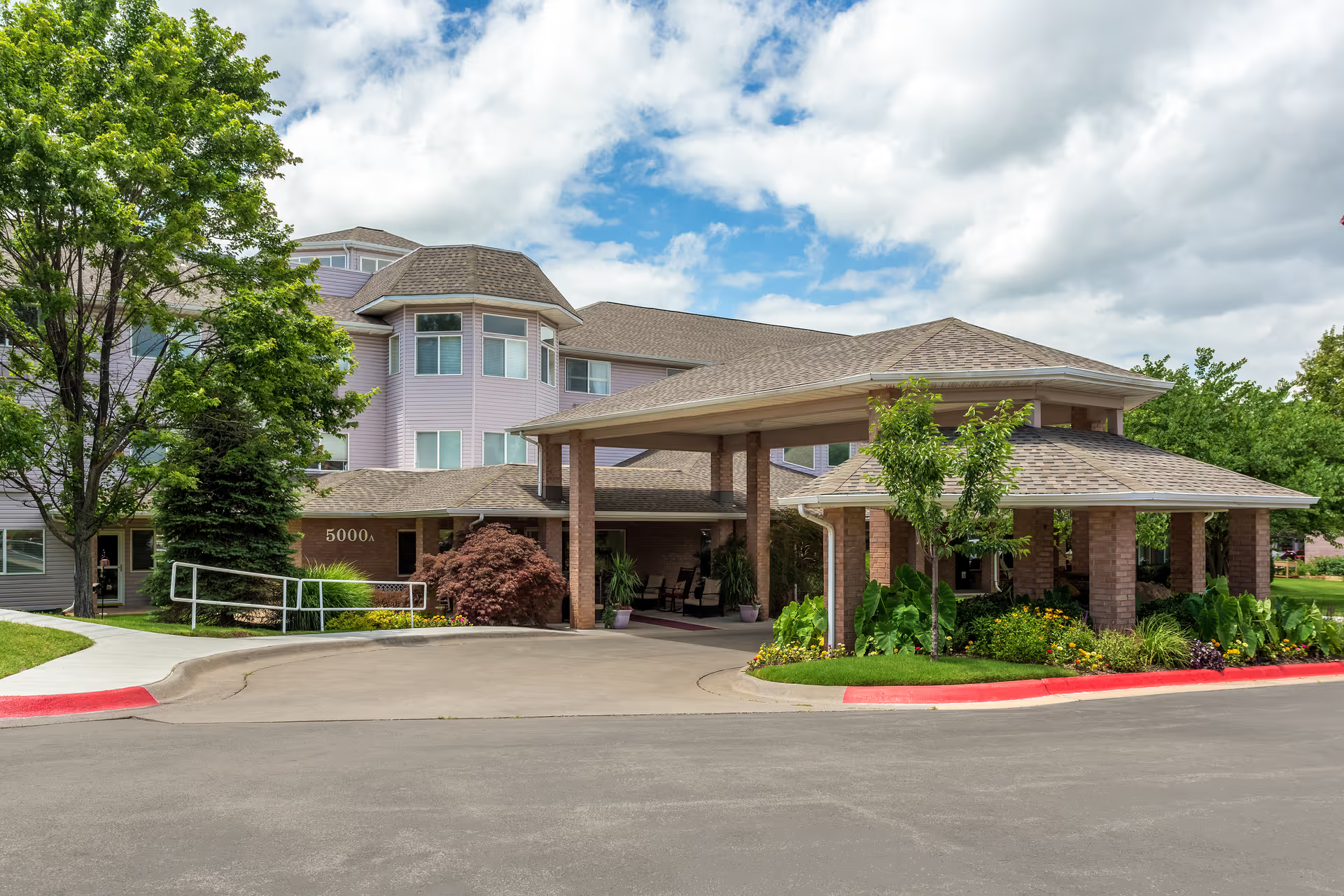
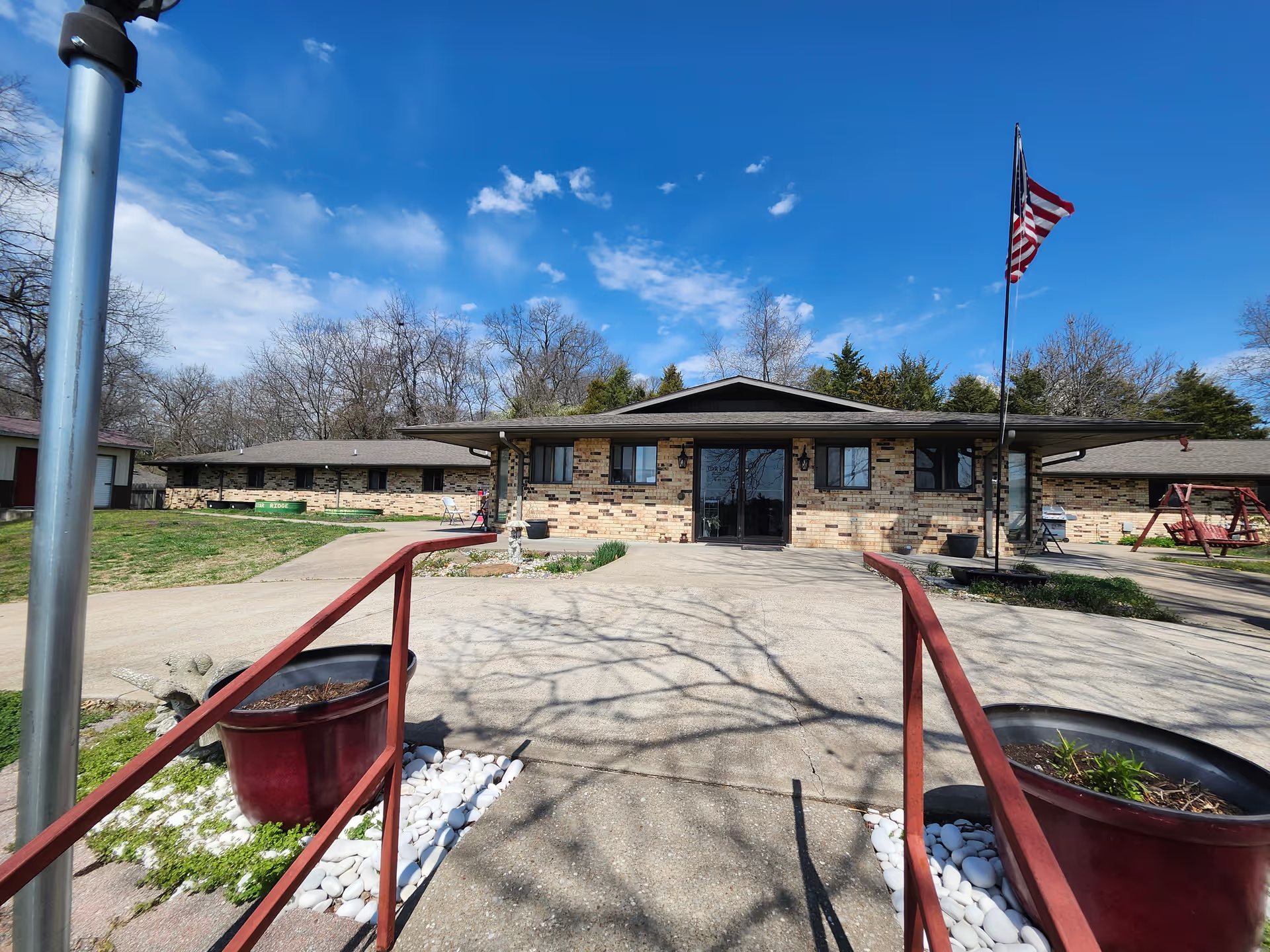
Programming and amenities are another consistent positive. Innisfree provides a wide variety of activities (bingo, card games, exercise, music, on-site church, field trips, happy hour) and social spaces such as libraries, a fireplace room, a music room, and garden spaces with porches and patios. Grounds, flower beds, and the pool are generally described as well maintained, and the property includes private cottages as well as apartment-style units. Apartment sizes—particularly two-bedroom, two-bath units near 1,000 sq ft—are seen as good value for the price by multiple families.
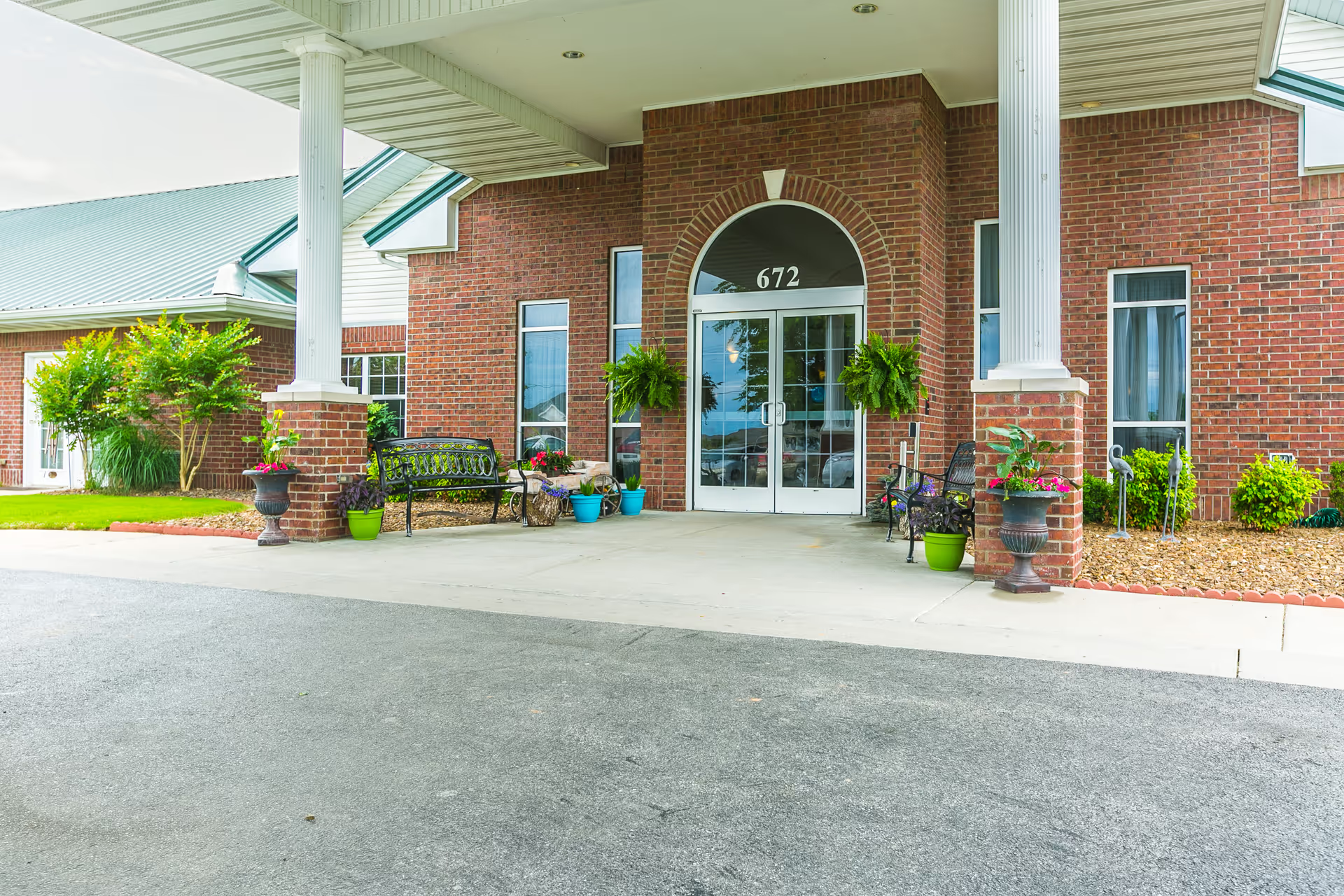
Several operational and facility-level concerns emerge across reviews. There are recurring comments about management communication and the tone of leadership; some families described a punitive or dismissive approach to resident feedback and inconsistent handling of difficult situations. Staffing shortages—especially during COVID—were noted and appear to have affected service continuity at times. Maintenance capacity and timeliness can be limited: reviewers mentioned delays in hallway or elevator repairs and ongoing construction or remodeling that can affect resident experience. The physical plant has older sections that are described as well maintained but in need of further updating in places, and there are accessibility limitations (for example, steps at some entrances) that may matter for mobility-impaired residents.
Care-level limitations should be considered by families planning for progressive needs. Several accounts indicate that residents requiring more advanced assistance may need to be moved to the main building or a different level of care; in other words, the community may not support high-acuity, long-term assisted-living needs in all units. Administrative concerns such as billing delays or refund handling, and at least one serious allegation of staff theft, suggest that prospective residents and families should review financial and administrative policies closely and ask about safeguards.
Overall, Innisfree appears to offer a friendly, activity-rich community with strong daily-staff engagement, attractive dining features, and on-campus clinical services that suit independent seniors and those needing light to moderate assistance. Prospective residents should tour during a meal, ask about current staffing levels and recent renovations, review contracts and refund policies, confirm accessibility in the specific unit under consideration, and clarify the facility’s process for transitions if higher-acuity care becomes necessary. Observing manager–family interactions and asking for references from current families can help evaluate leadership fit and communication style for each household’s needs.