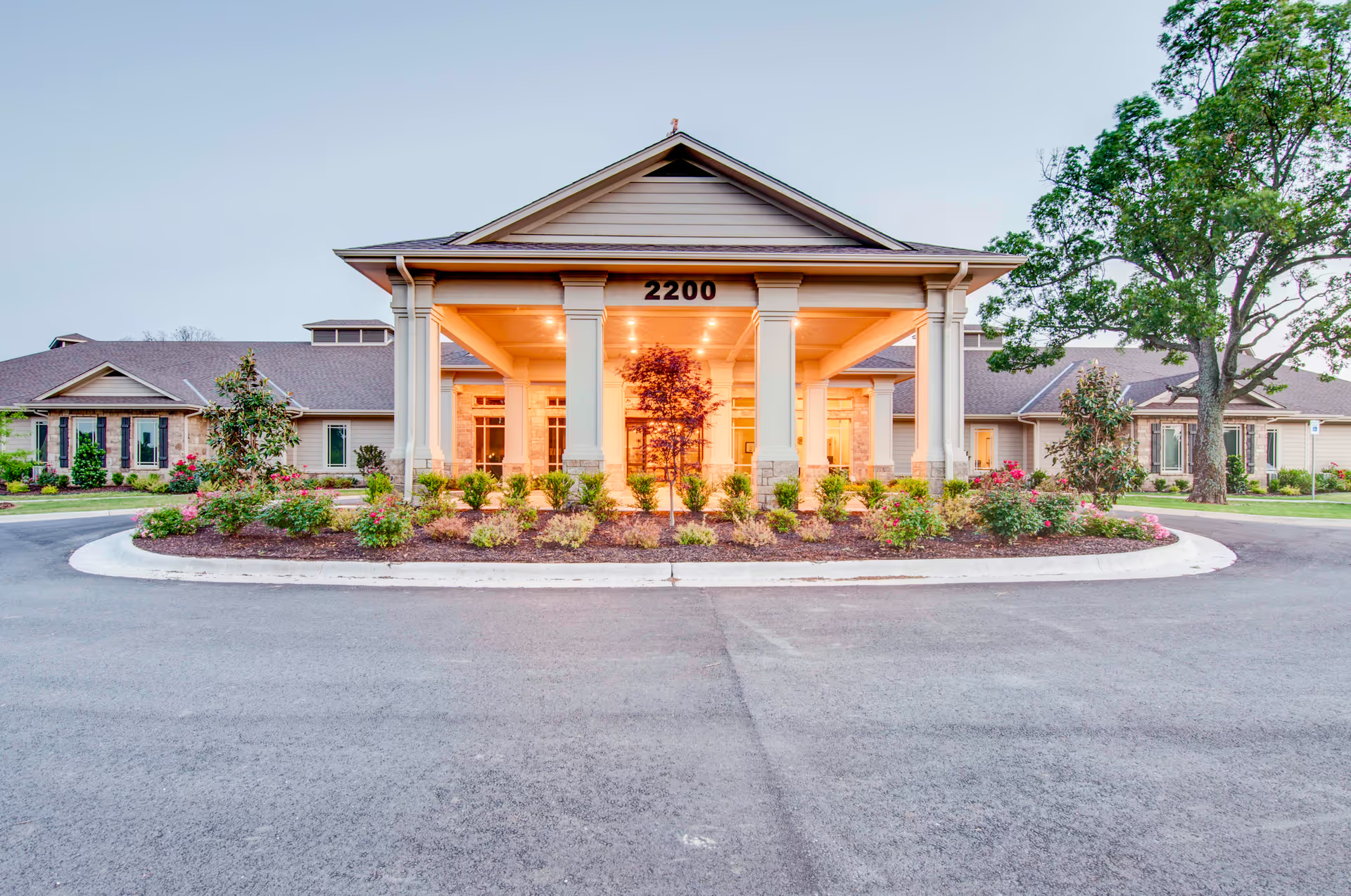
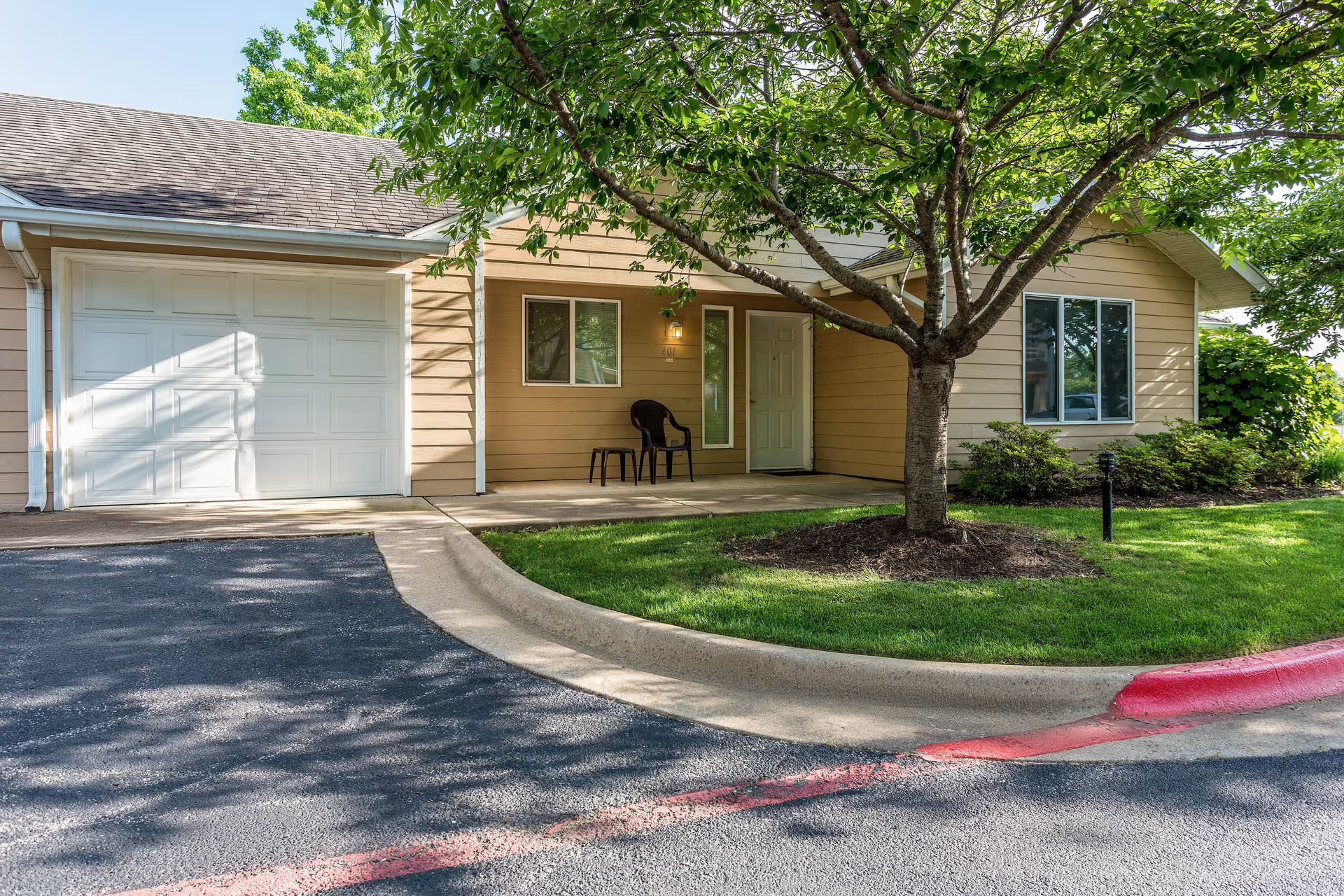
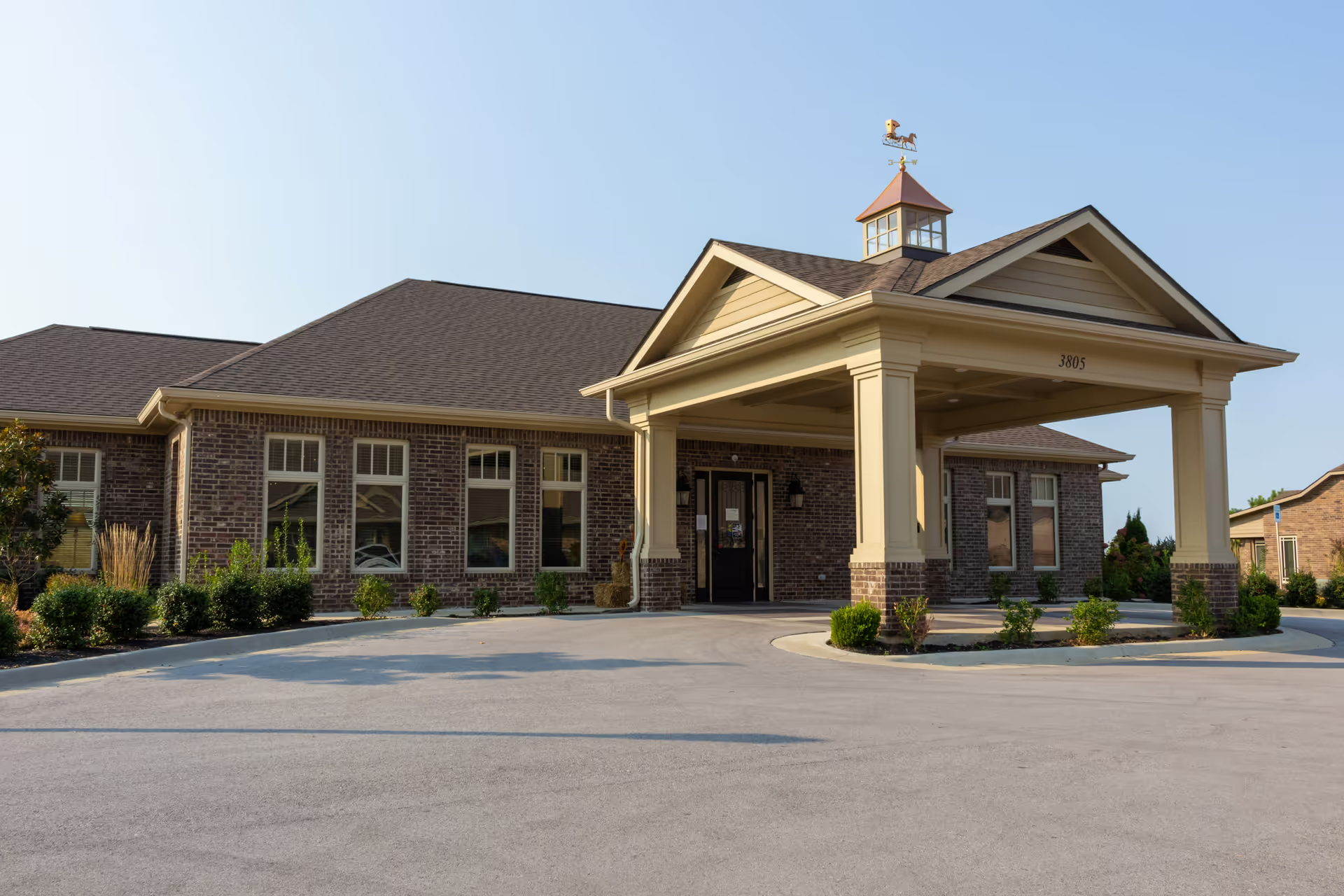
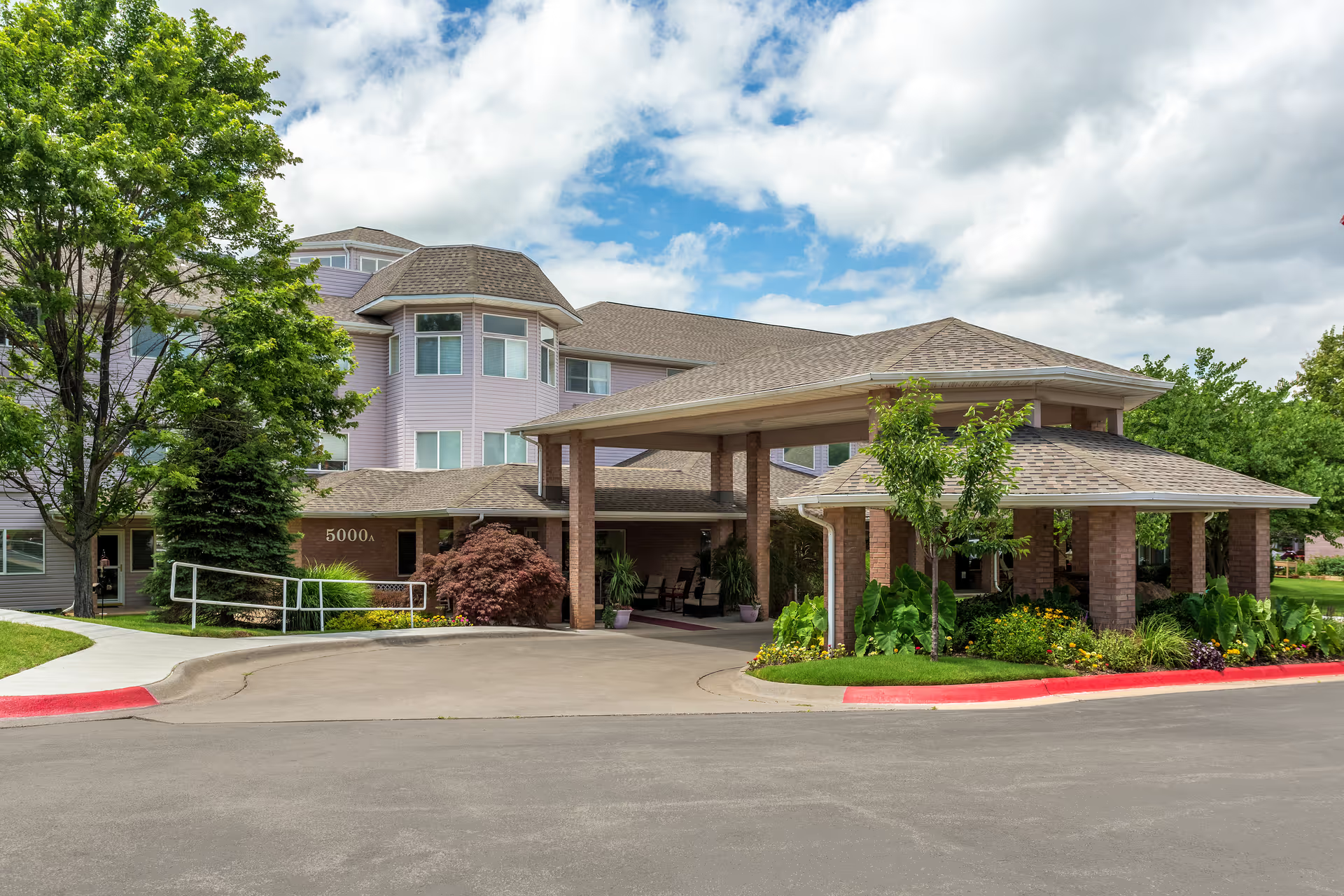
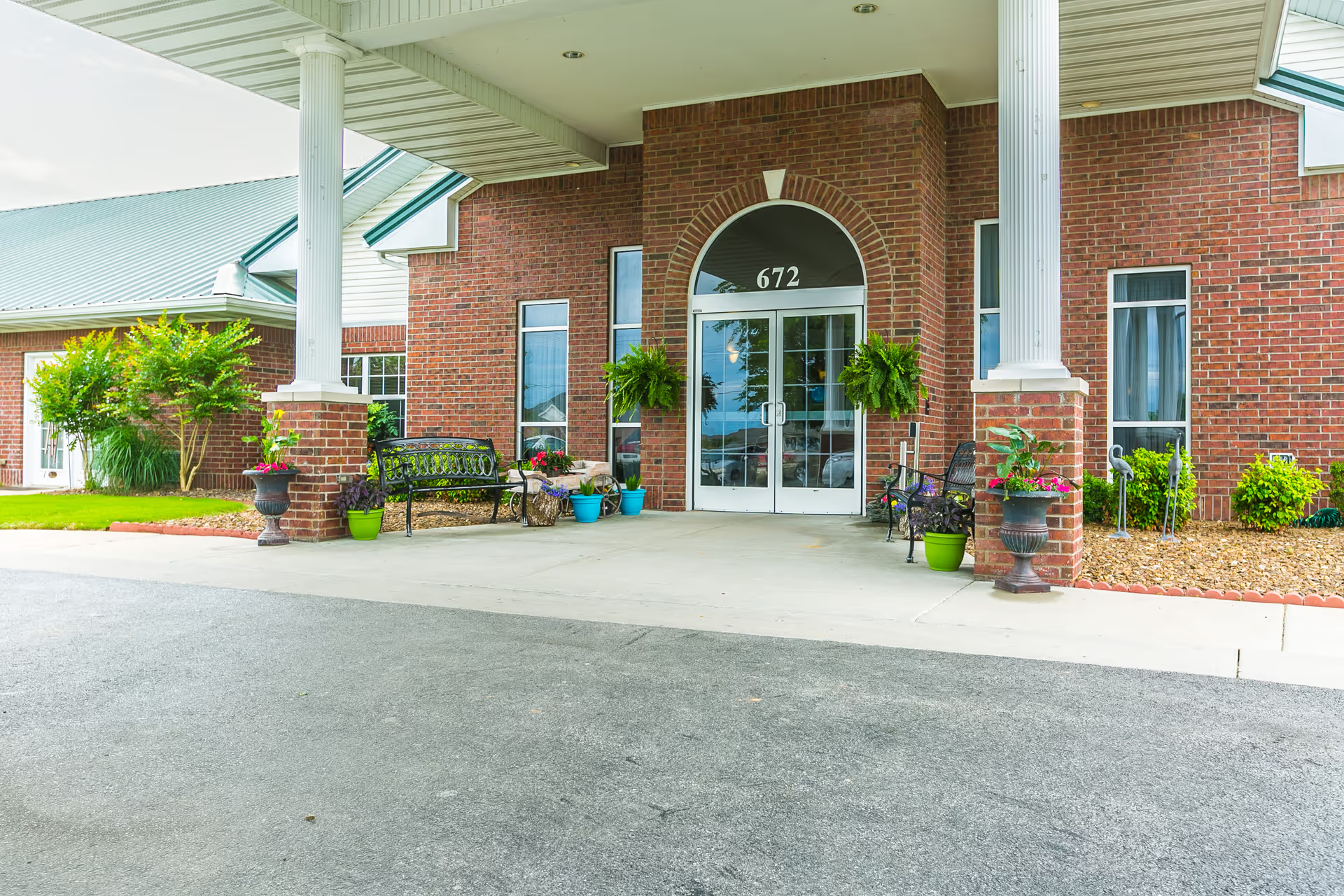
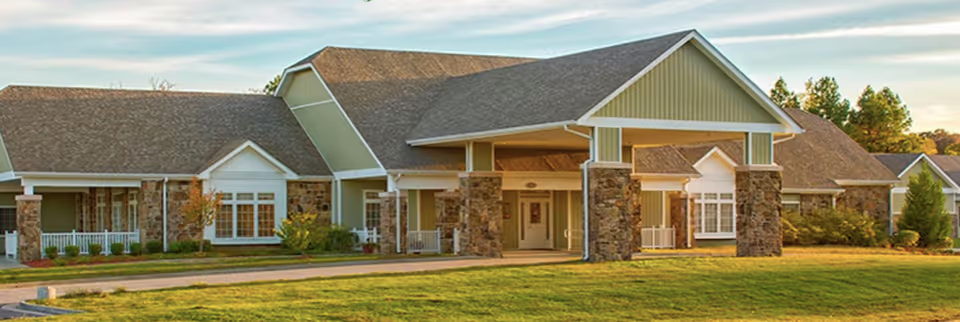
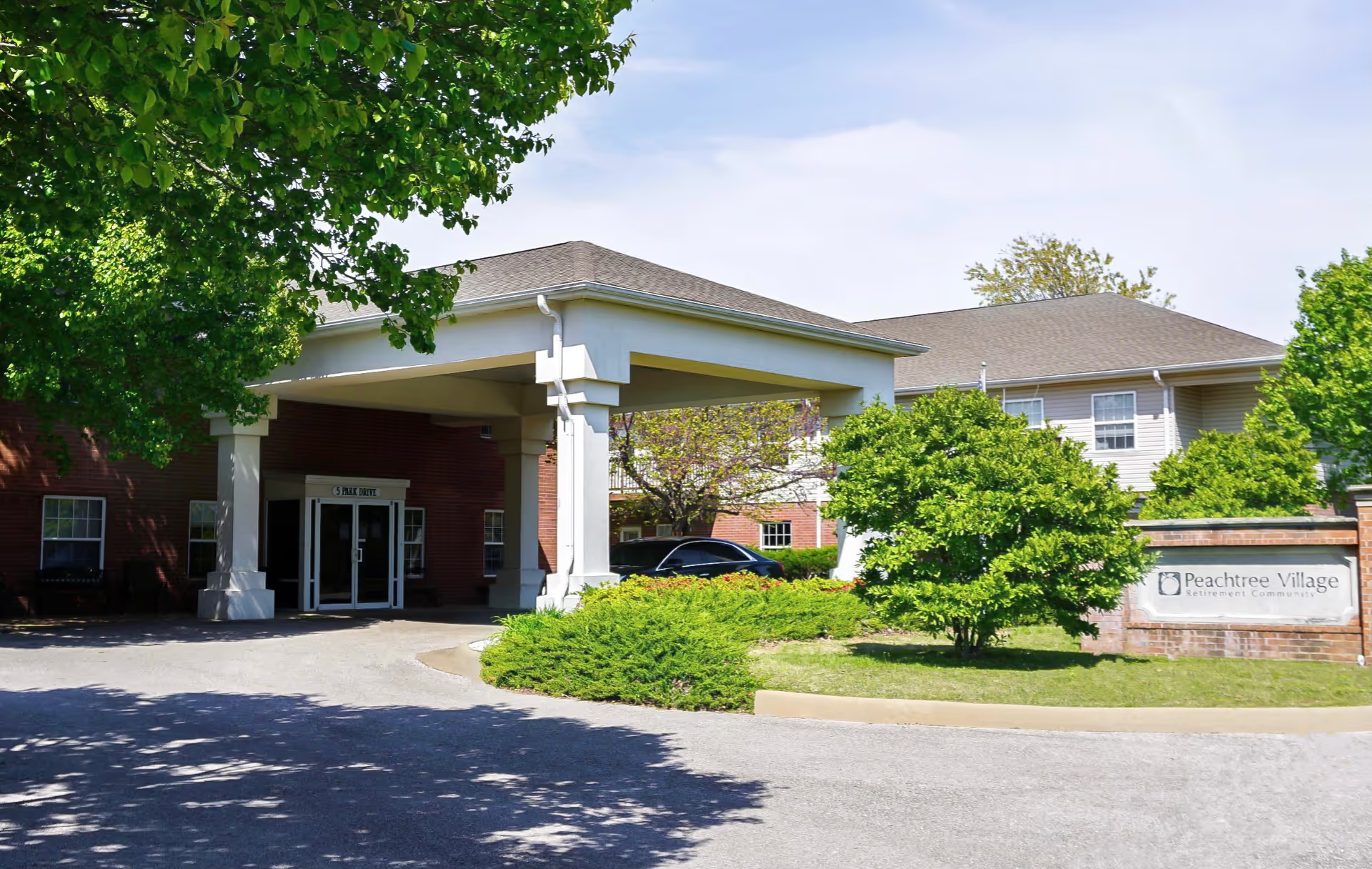
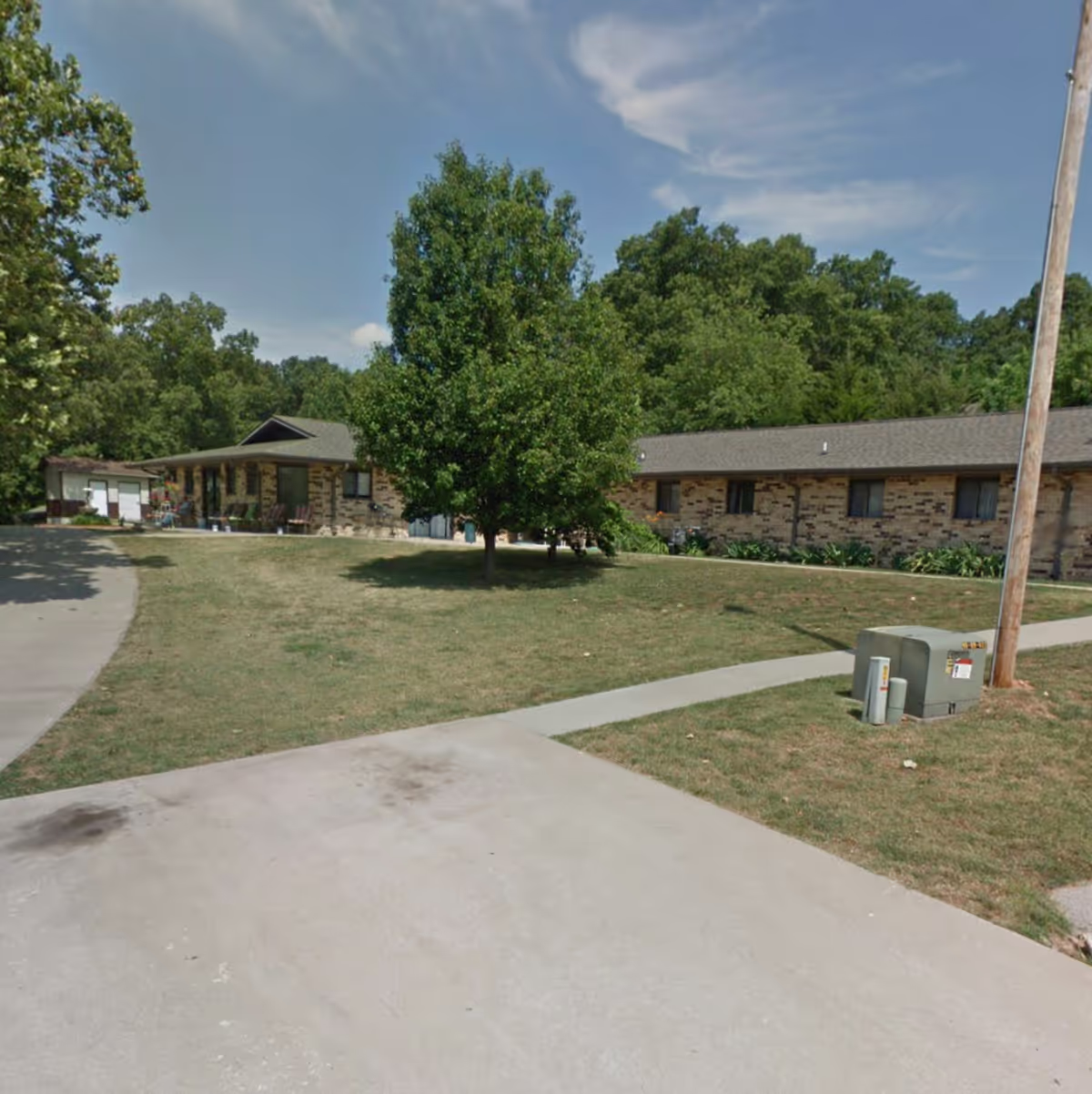
Jamestown Health & Rehab elicits strongly mixed feedback that tends to cluster by unit and by shift. Many families and residents praise the clinical teams—nurses, CNAs, and rehabilitation staff—describing compassionate, attentive care and therapy programs that produce good functional outcomes. The facility's physical plant is frequently cited as a strength: modern architecture, private rooms with accessible bathrooms, glass hallways, courtyard and gazebo spaces, and a generally pleasant campus. Dining is often described as better than typical institutional fare, with varied menu selections and family-friendly meal settings. Administrative functions such as the business office and transportation coordination receive positive comments when staffed and responsive.
At the same time, a noticeable pattern of operational inconsistency appears across reviews. Staffing levels and turnover are recurrent concerns, with several accounts indicating reduced staffing at night or on particular units that leads to delays in personal care, grooming, and laundry handling. Relatedly, families describe variability in housekeeping and unit-level sanitation standards, producing a contrast between areas characterized as immaculate and others with sanitation concerns. Some reviewers identify limited natural light and a darker, less-stimulating atmosphere in parts of the memory-care unit, and note that security/segregation practices can reduce residents' access to communal activities.
Clinical-process gaps are another theme. Several narratives point to incomplete or delayed care plans, delayed therapy evaluations, and examples of care or oxygen administration practices that lacked clear documentation. These indicate weaknesses in documentation, handoff, and discharge-planning workflows rather than a uniform absence of clinical skill. There are also serious family-level complaints about personal belongings management, including allegations of missing items, which reflect potential weaknesses in property-handling and inventory practices.
Leadership and culture are described as uneven. Some families mention engaged administrators and helpful staff who facilitate admissions and paperwork; others describe managerial inconsistency, staff morale issues, and concerns about employee treatment that may contribute to turnover. Activity programming is generally a positive when fully staffed—staff-hosted games, library access, and special events are noted—but programming quality appears to vary by unit and is limited in some memory-care areas. Prospective families should weigh the facility's strong rehabilitation and clinical talent and attractive environment against operational variability: inquire specifically about staffing levels for the unit and shifts of interest, documentation and care-plan processes, property-management policies, and the activity schedule in the desired care area before placement.