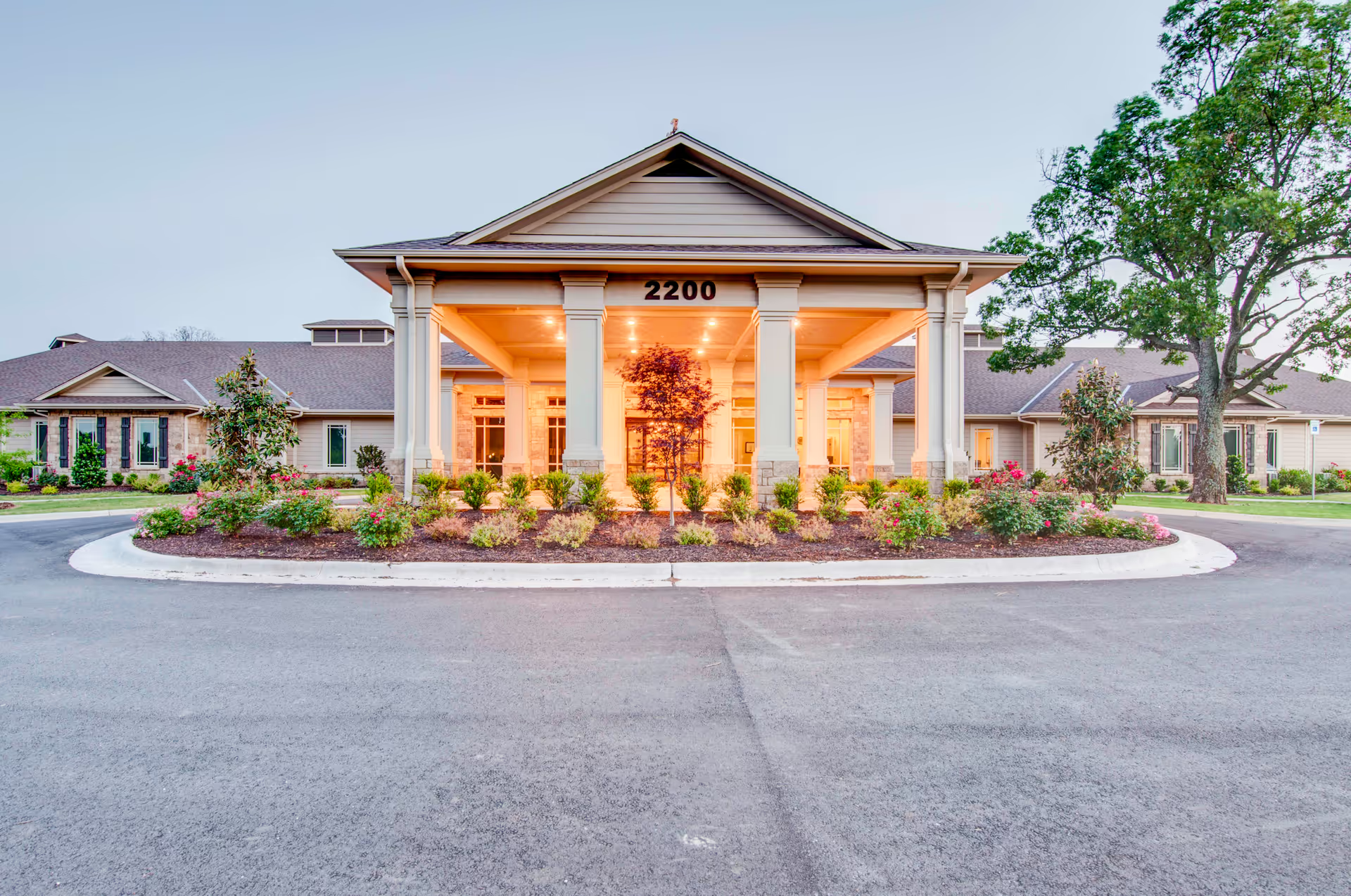
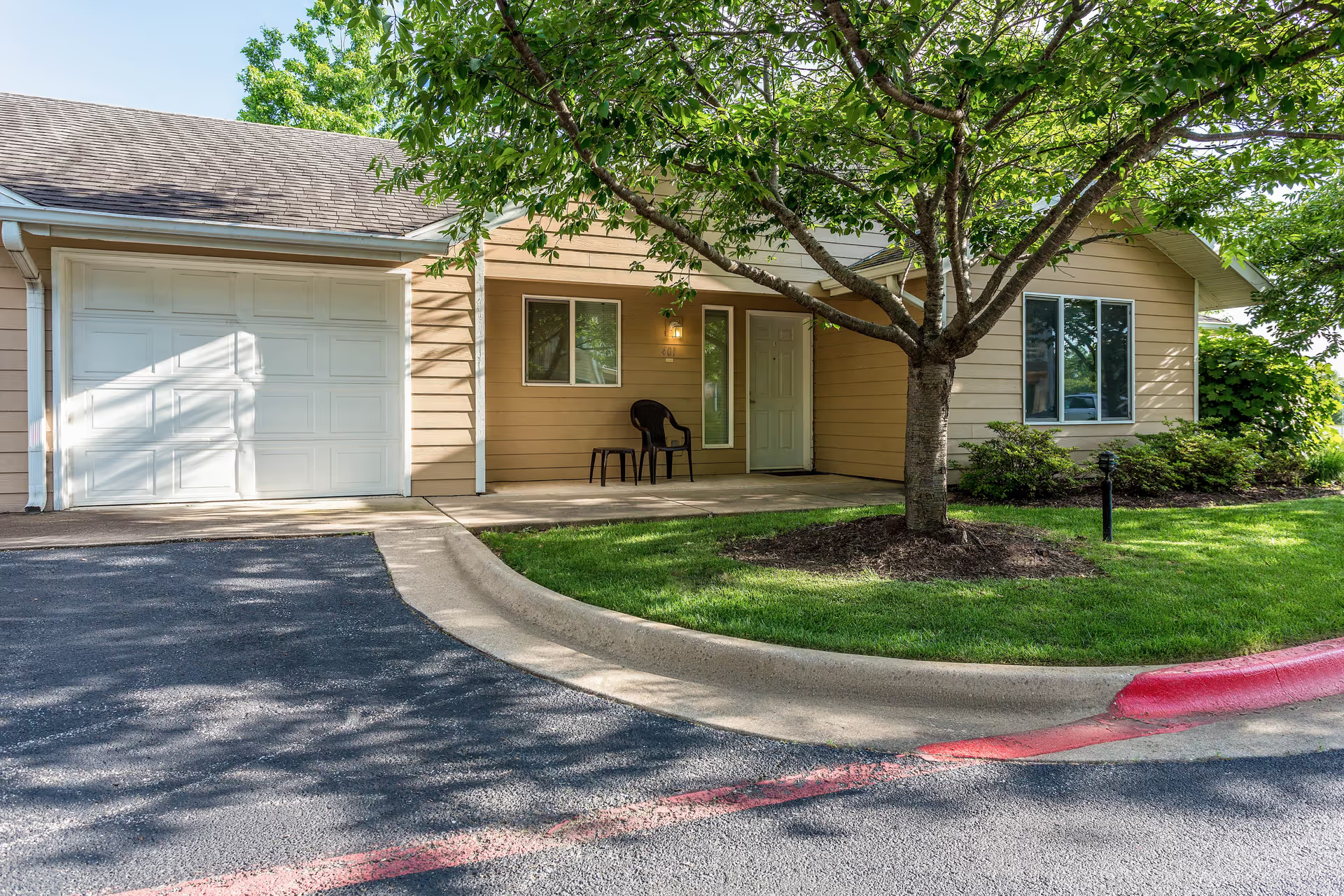
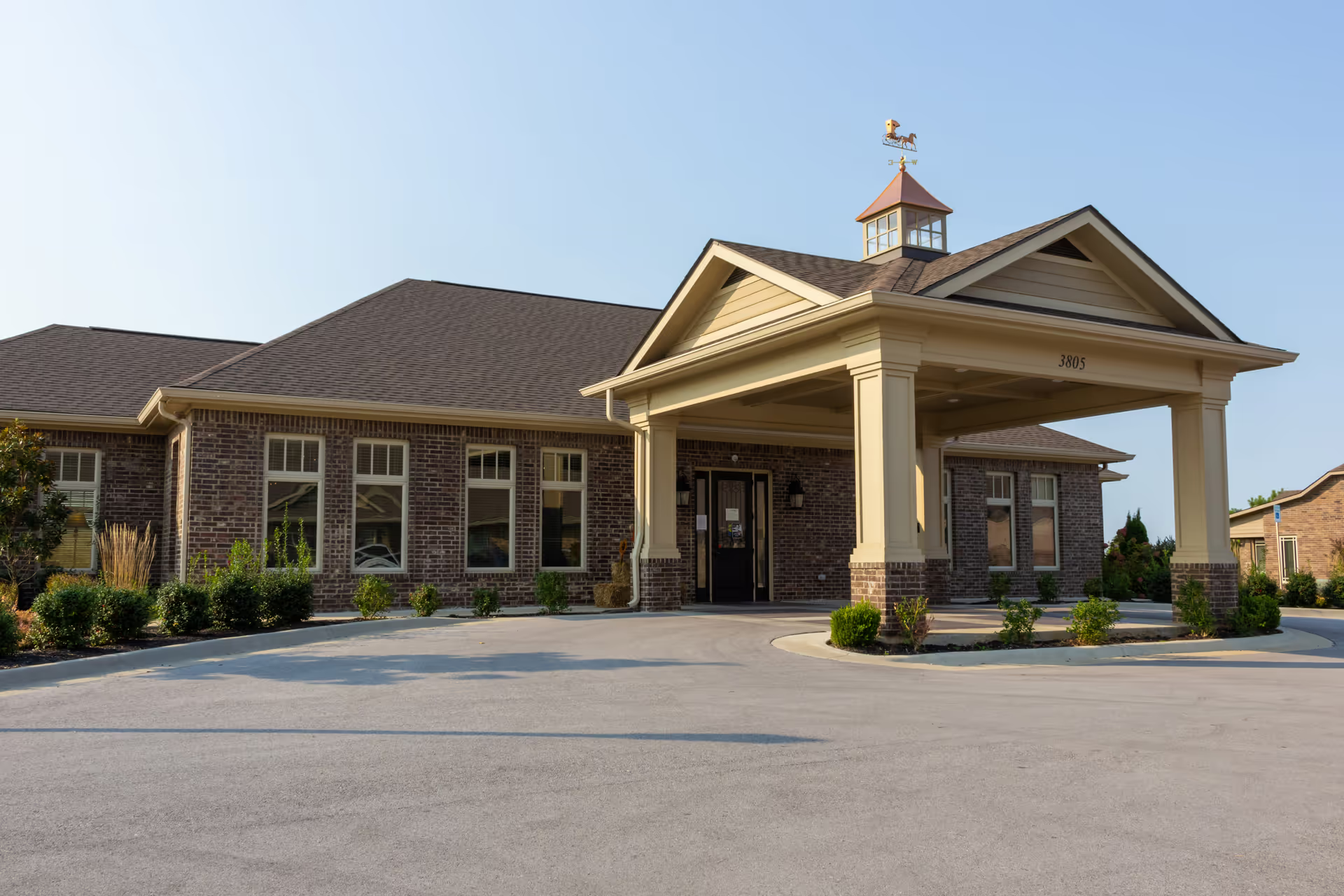
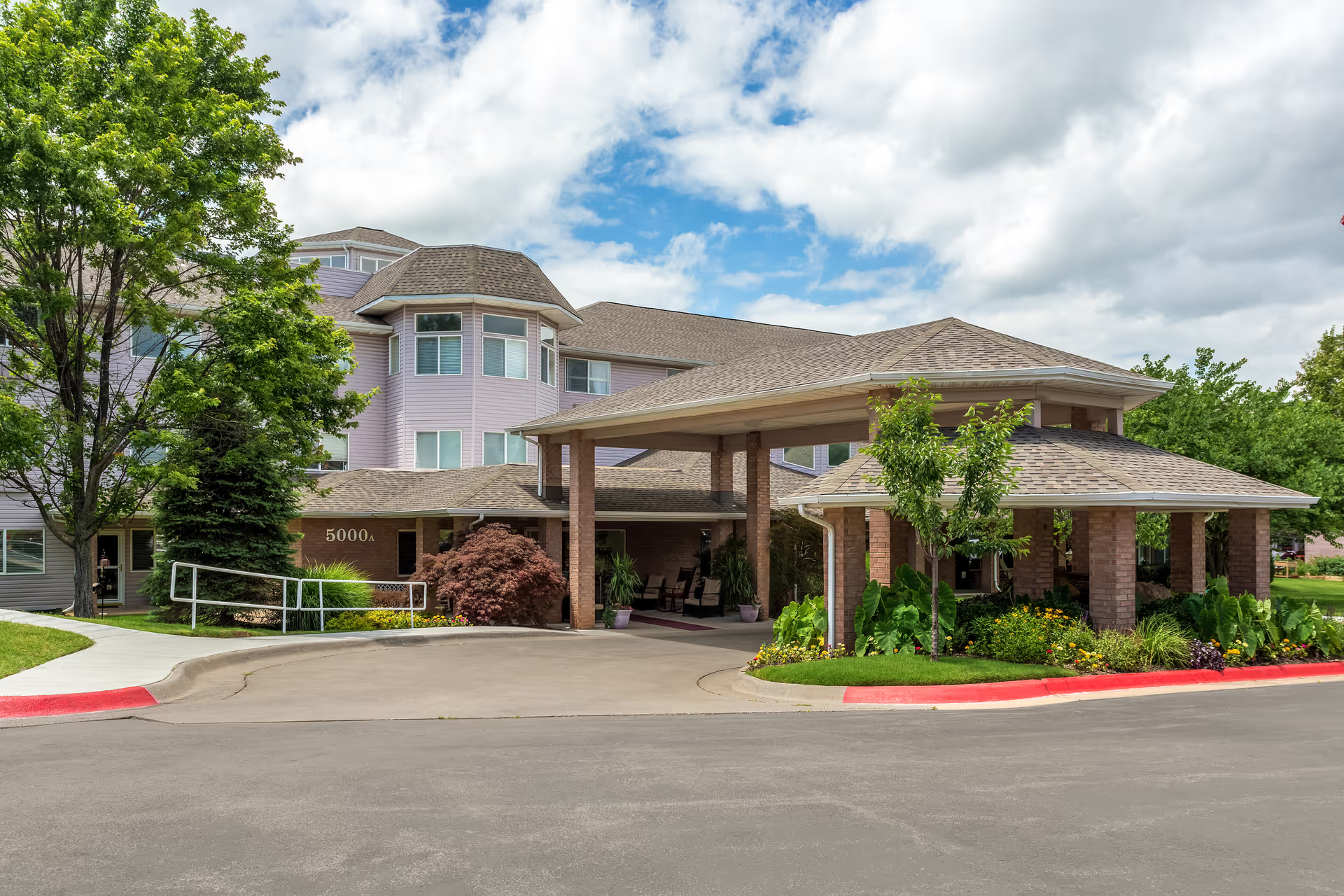
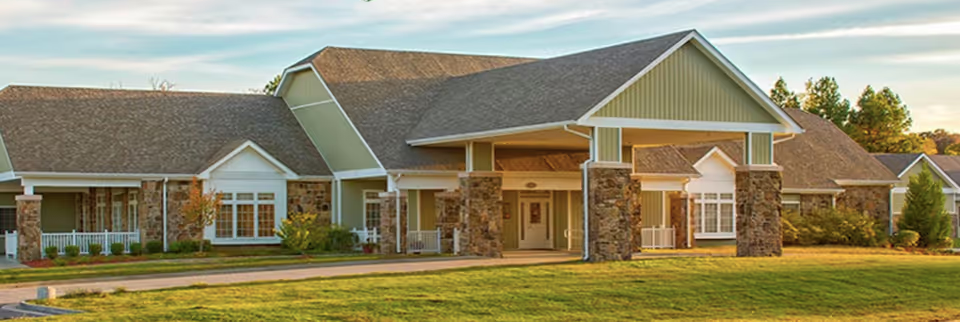
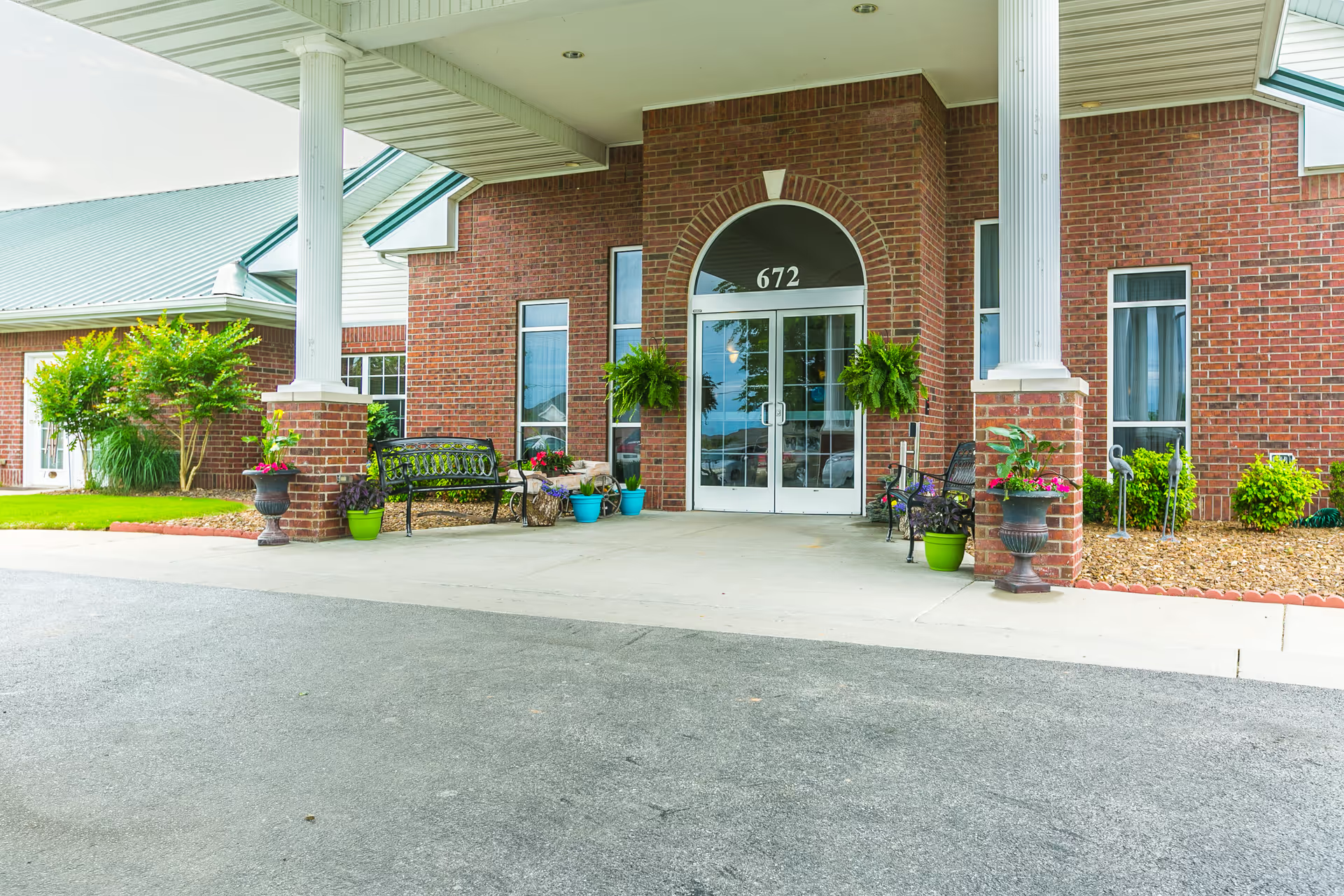
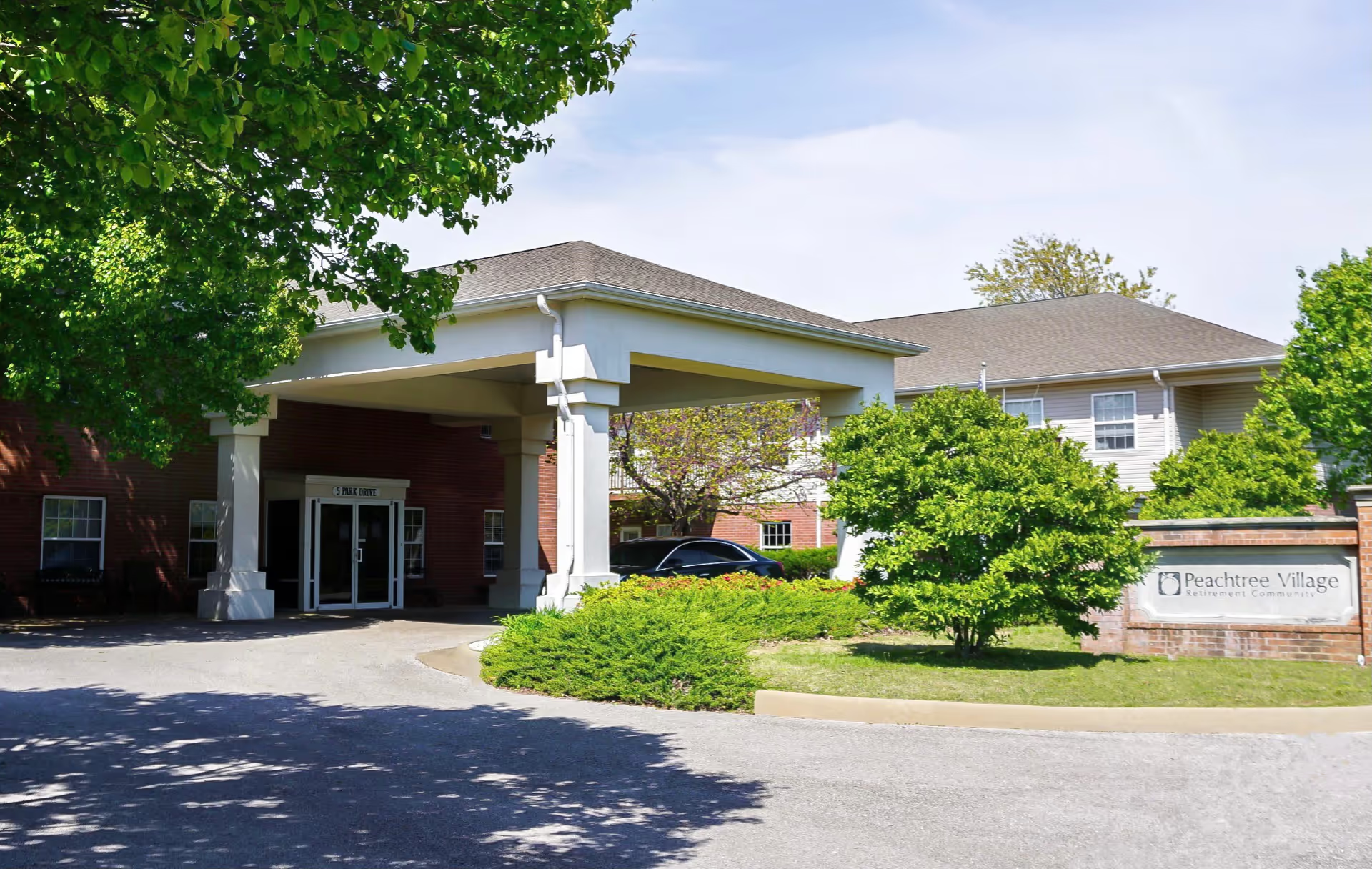
Overall impression: Magnolia Place Memory Care & Transitional Assisted Living is consistently described as a well-appointed, home-like memory-care community with strong emphasis on Alzheimer’s and dementia-focused services. The facility’s physical environment receives frequent praise — clean, well-decorated interior hallways, large airy dining and meeting rooms, multiple courtyards and walking spaces, and specialized relaxation and puzzle rooms are cited as contributing to a non-institutional, comfortable atmosphere. Families commonly note a small-community scale that facilitates staff familiarity with residents and a welcoming space for family visits, pets, and children.
Care quality and staff: The dominant theme across comments is positive staff engagement. Caregivers, nursing staff, and administrators are described as compassionate, patient, and attentive; many reviewers call out individualized attention, staff knowing residents’ names, and a hands-on administrator. Nursing communication and regular family updates are highlighted as strengths. At the same time, several reviewers identified operational inconsistencies: variable staff performance, occasional periods of understaffing (notably during late-day or high-activity periods), and concerns about medication timeliness. These patterns suggest that while clinical leadership and many staff members perform strongly, reliability and staffing coverage can fluctuate and have material impact on some families’ experiences.
Dining and activities: Dining is a widely noted strength. The community’s culinary program — a chef preparing meals from scratch, Mediterranean and non-fried options, multiple daily meal choices, and afternoon snacks — is frequently praised. Activity programming is robust and structured, with a Life Enrichment team offering seven-day schedules, outings, themed hallway events, garden club, cooking classes, petting zoo visits, puzzle/game tables, and holiday programming. These offerings support resident engagement and family satisfaction. A few reviewers noted that some activities felt geared toward particular interests (for example, female-oriented programming), indicating an opportunity to further diversify programming to meet a wider range of resident preferences.
Facilities and amenities: The built environment is a clear asset: open, bright spaces, lots of windows, courtyard views, and accessible common areas including a salon and family sitting rooms. Room size and configuration are mixed in feedback — some find rooms large and comfortable, others describe smaller or more compact units — and a subset of comments raises maintenance and wear-and-tear items that appear to need attention. Additional concerns include limited availability of certain assistive equipment and the absence of a separate assisted-living unit, which may limit suitability for residents who need a higher level of physical assistance.
Management and notable patterns: Management and several leadership-level staff are frequently described as engaged and communicative, with positive handling of infection control during the COVID-19 period. Families often report smooth transitions, proactive transport arrangements, and good end-of-life/hospice coordination. Conversely, there are recurring operational themes that prospective families should consider: medication administration timeliness, fall-prevention and transfer-safety procedures, episodic understaffing, and occasional property-handling or documentation gaps. Cost perception varies; some families regard the community as good value for the services offered, while others find pricing high relative to their expectations.
Bottom line: Magnolia Place appears to deliver strong memory-care programming, attentive nursing communication, high-quality dining, and an engaging activity calendar within an attractive, family-friendly setting. For families considering placement, key due-diligence topics to explore during a tour or meeting include staffing patterns and coverage at different times of day, specific medication-administration and fall-prevention protocols, availability of assistive equipment, room-specific maintenance status, and contract/financial policies. These clarifications will help determine whether the facility’s many strengths align with a prospective resident’s clinical and safety needs.