Reviews of The Blossoms at Rogers present a strongly polarized picture: many families highlight compassionate caregivers, excellent rehabilitation services, and supportive clinical leadership, while others describe operational and environmental problems that materially affect resident experience. This creates a pattern in which individual experiences appear to vary substantially by unit, staff shift, and specific department.
Care quality and clinical operations receive both high praise and notable concern. On the positive side, several accounts commend prompt, attentive nursing and strong therapy teams that support recovery and functional gains; the facility’s medical leadership is described as skilled and engaged. Conversely, other accounts describe gaps in clinical follow-through: missed scheduled medications, inconsistent management of feeding tubes and reduced fluid intake linked to weight loss, delayed response to clinical needs, and some hospital transfers. These items suggest variability in medication and nutrition-management practices and in clinical-response consistency.
Staffing and conduct show similar divergence. Multiple reviewers praise aides and nurses who provide warm, individualized attention and create a family-like atmosphere. At the same time, reviews indicate high staff turnover, variability in CNA training and competence, and isolated instances of unprofessional conduct or poor communication tone. These mixed signals point to pockets of strong direct care but also to workforce stability and training challenges that affect consistency.
Dining and activities are inconsistent across accounts. Some families describe hearty meals and attentive dietary staff; others report that food is served cold or of poor quality. Activity programming is described as robust—particularly in memory-care areas—by some reviewers, while others report limited organized activities and deficient outdoor/visiting spaces. This suggests uneven resourcing of resident engagement depending on unit or time period.
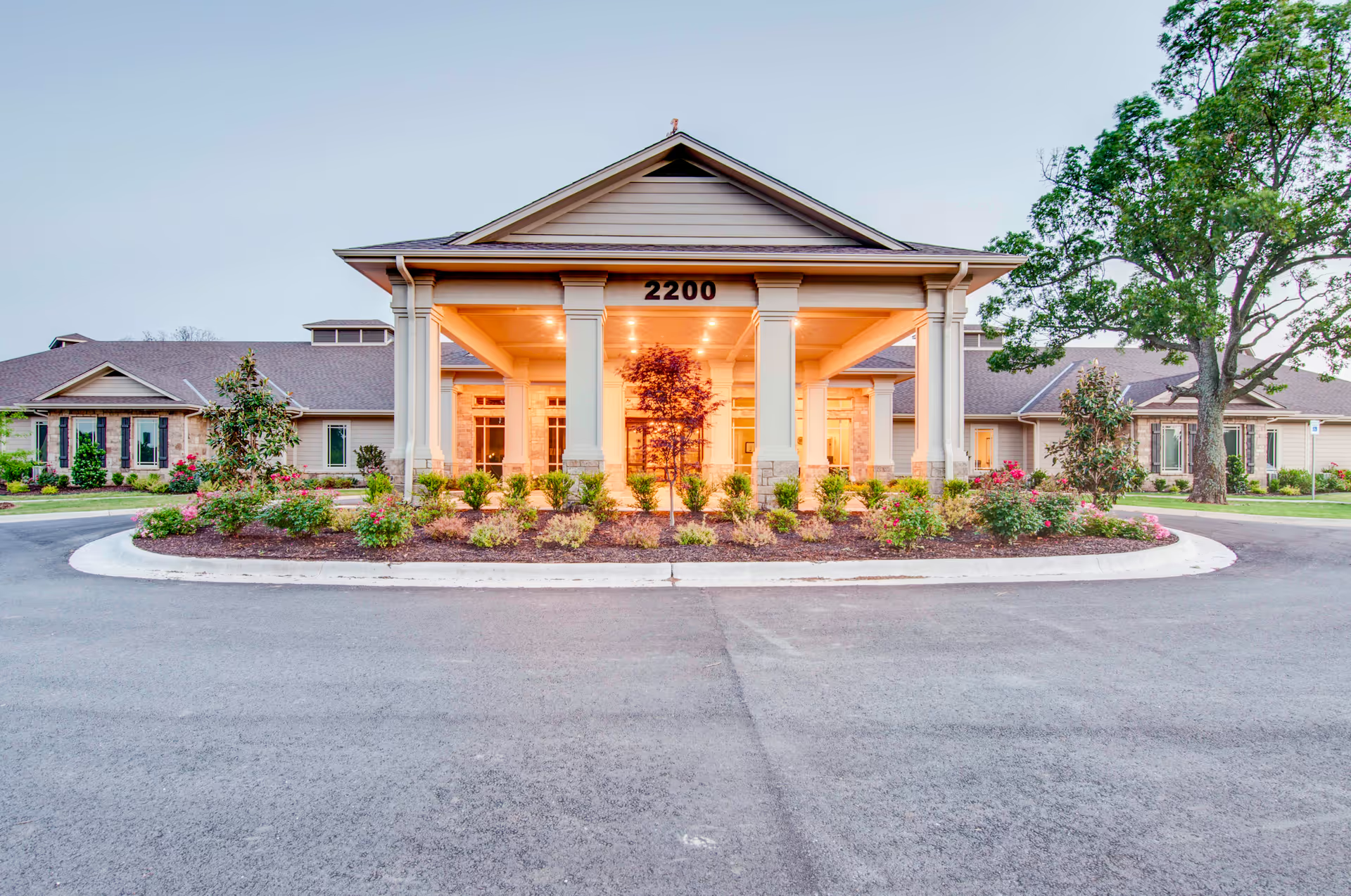
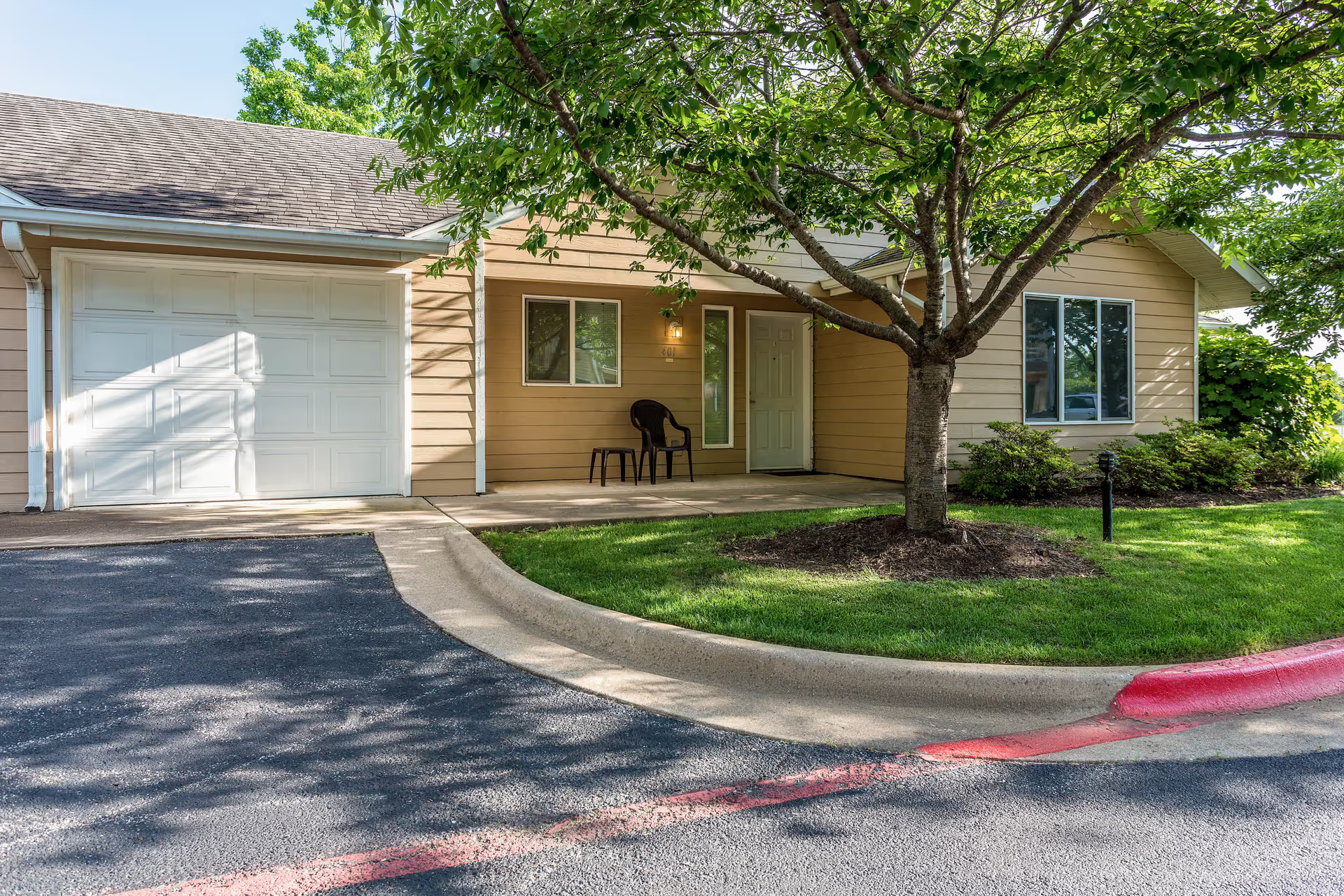
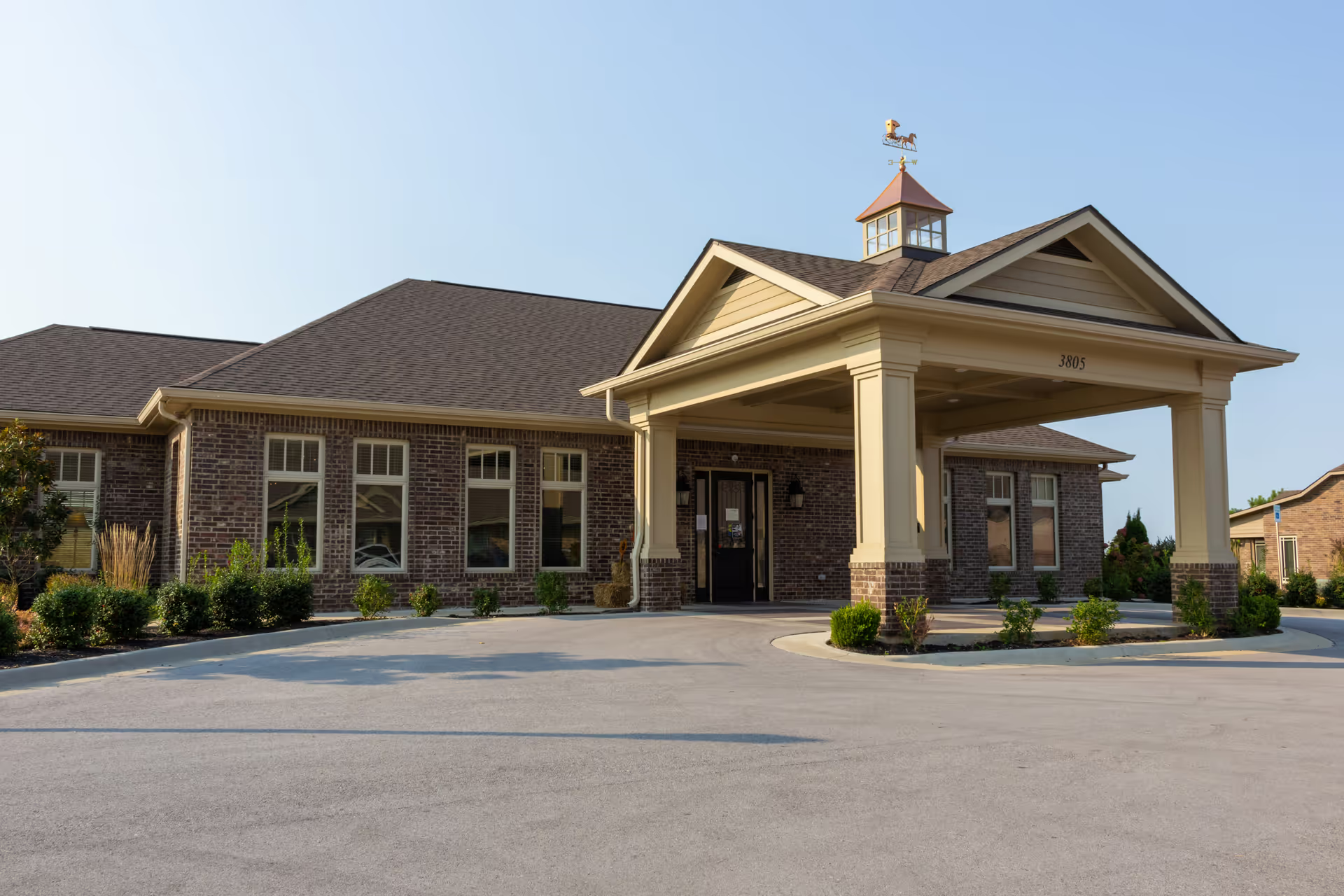
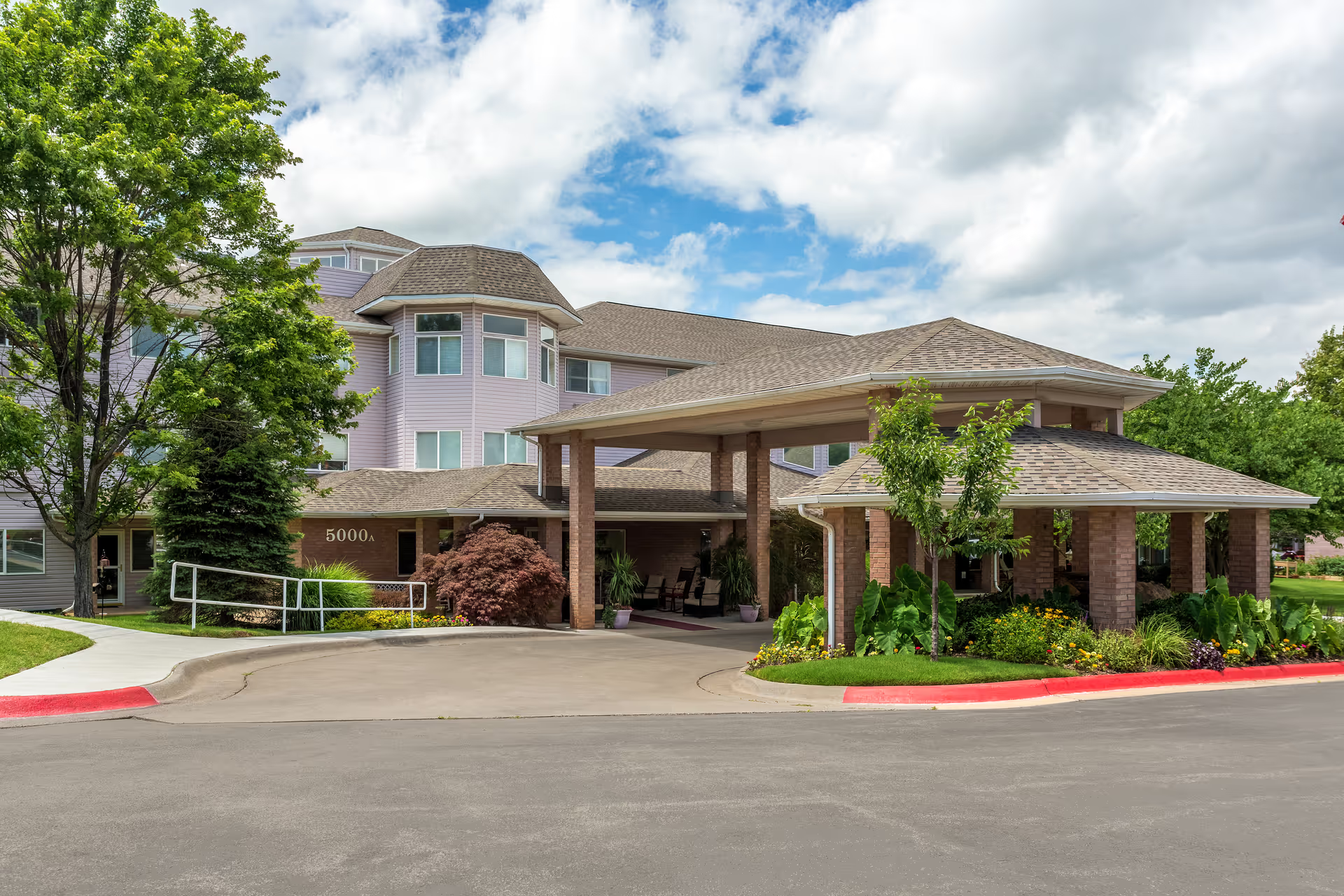
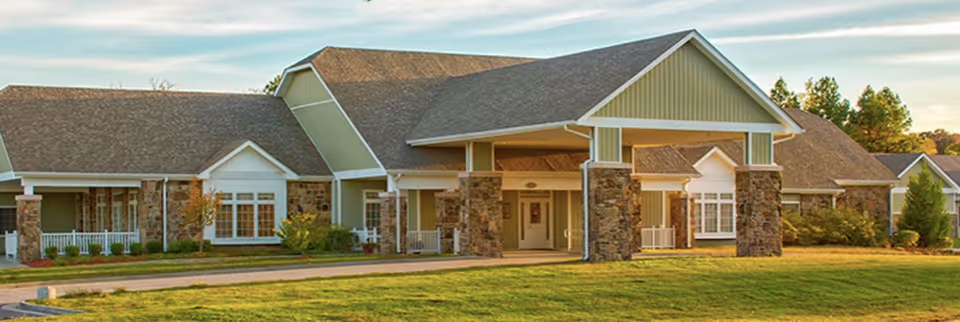
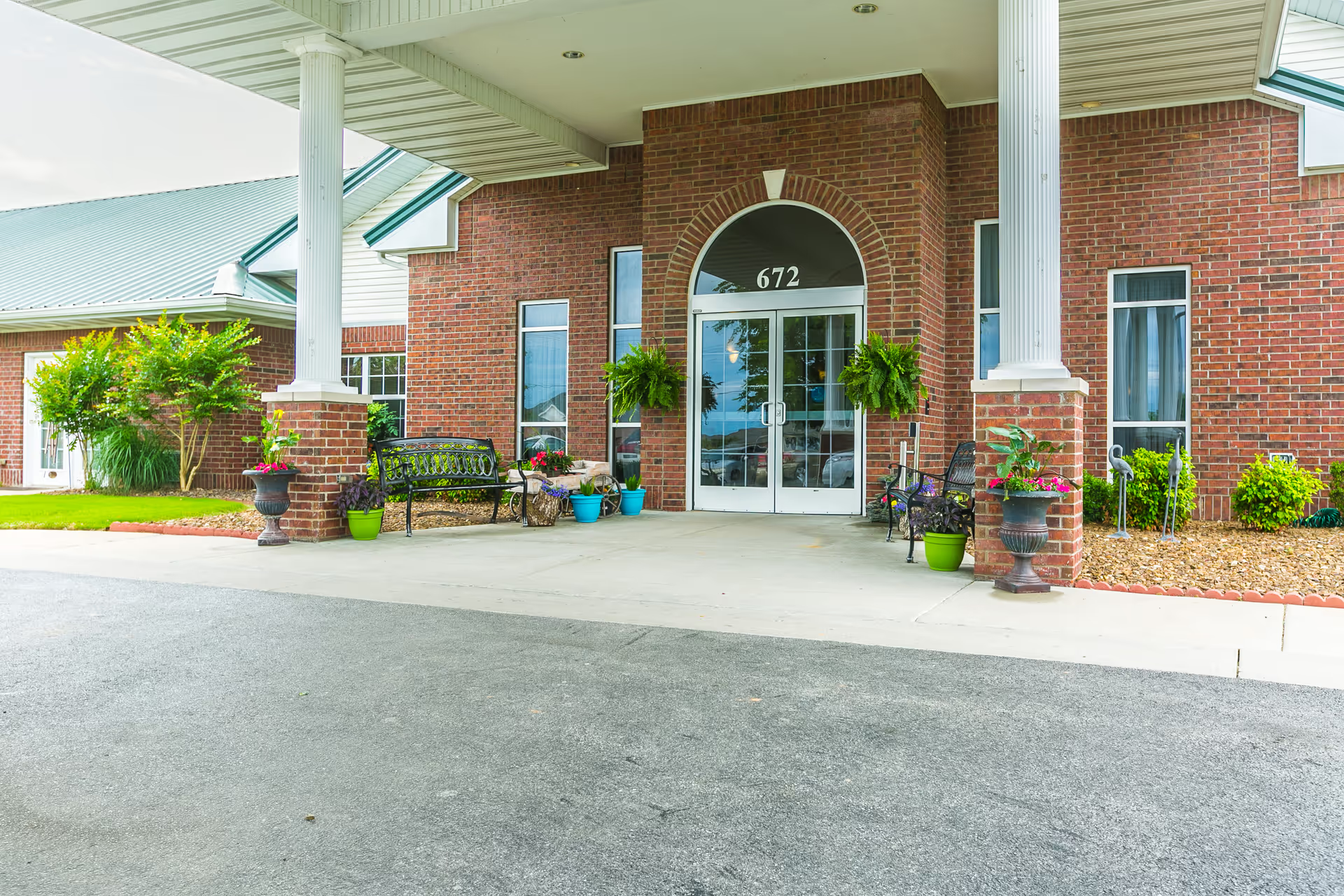
Facility condition and cleanliness produce contrasting impressions. Positive notes include clean front-office and visiting areas and, in several cases, consistently maintained resident rooms. However, many reviews raise sanitation and odor concerns in resident areas, pest-control issues, inadequate temperature control in rooms, and generally aging infrastructure—small, cramped rooms and limited outdoor maintenance. These items imply deferred maintenance and uneven environmental standards across the campus.
Management and communication also vary. Several reviewers praise responsive department heads and administrators who address concerns and coordinate care. Others describe difficulties communicating with leadership, lack of transparency or follow-through from some managers, and breakdowns in family notification during emergencies. These patterns point to inconsistent administrative oversight and gaps in family-facing processes.
Overall, the facility shows clear strengths in committed direct-care staff, effective rehab/therapy services, and engaged clinical leaders. At the same time, persistent operational weaknesses—staffing stability, clinical-administration consistency, facility maintenance, sanitation controls, and family communication—are recurring themes. Prospective residents and families should consider an on-site tour that includes multiple units, ask for recent staffing and turnover data, review medication- and nutrition-management protocols, inquire about pest-control and maintenance plans, and observe mealtimes and activity offerings at different times of day to assess consistency.