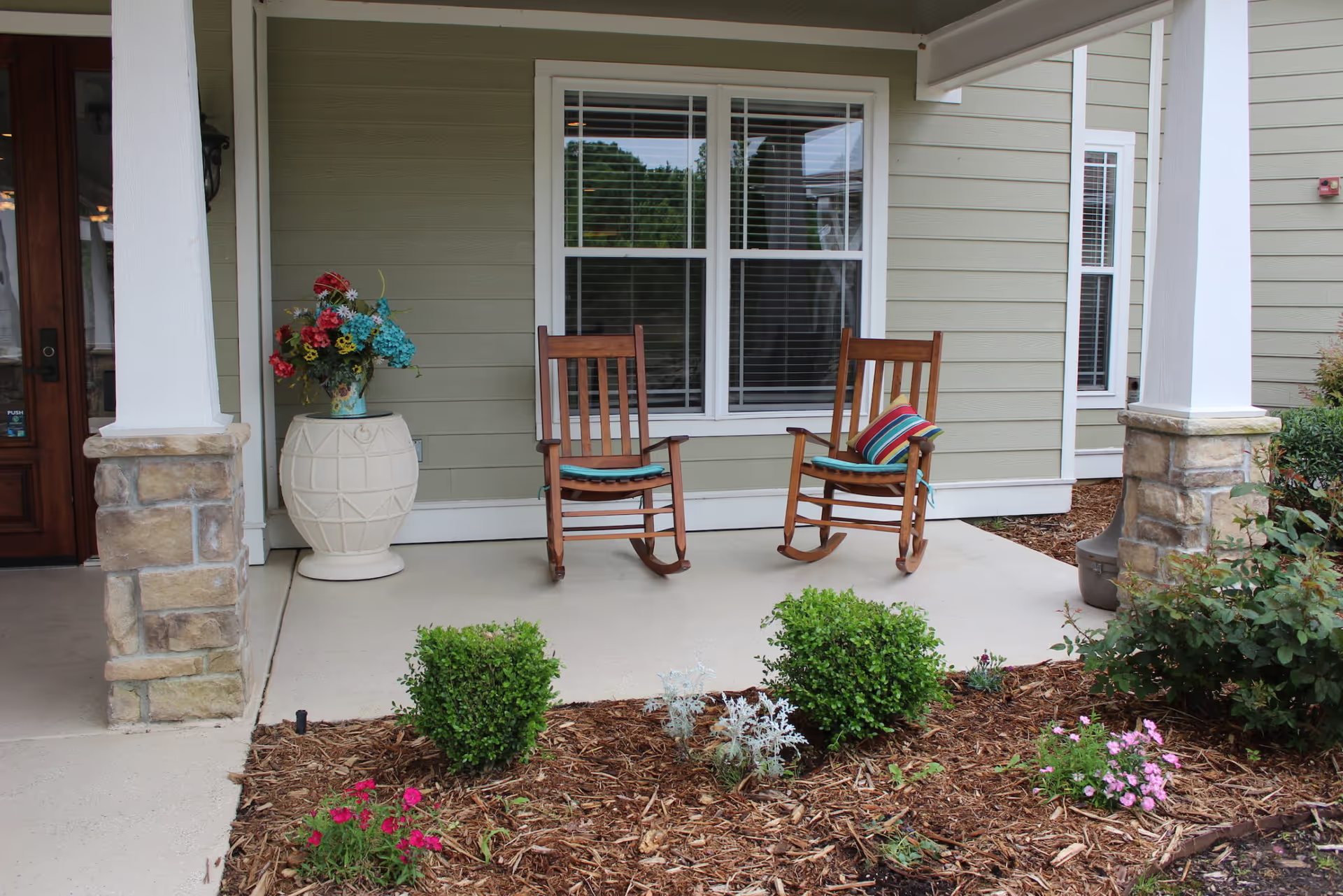
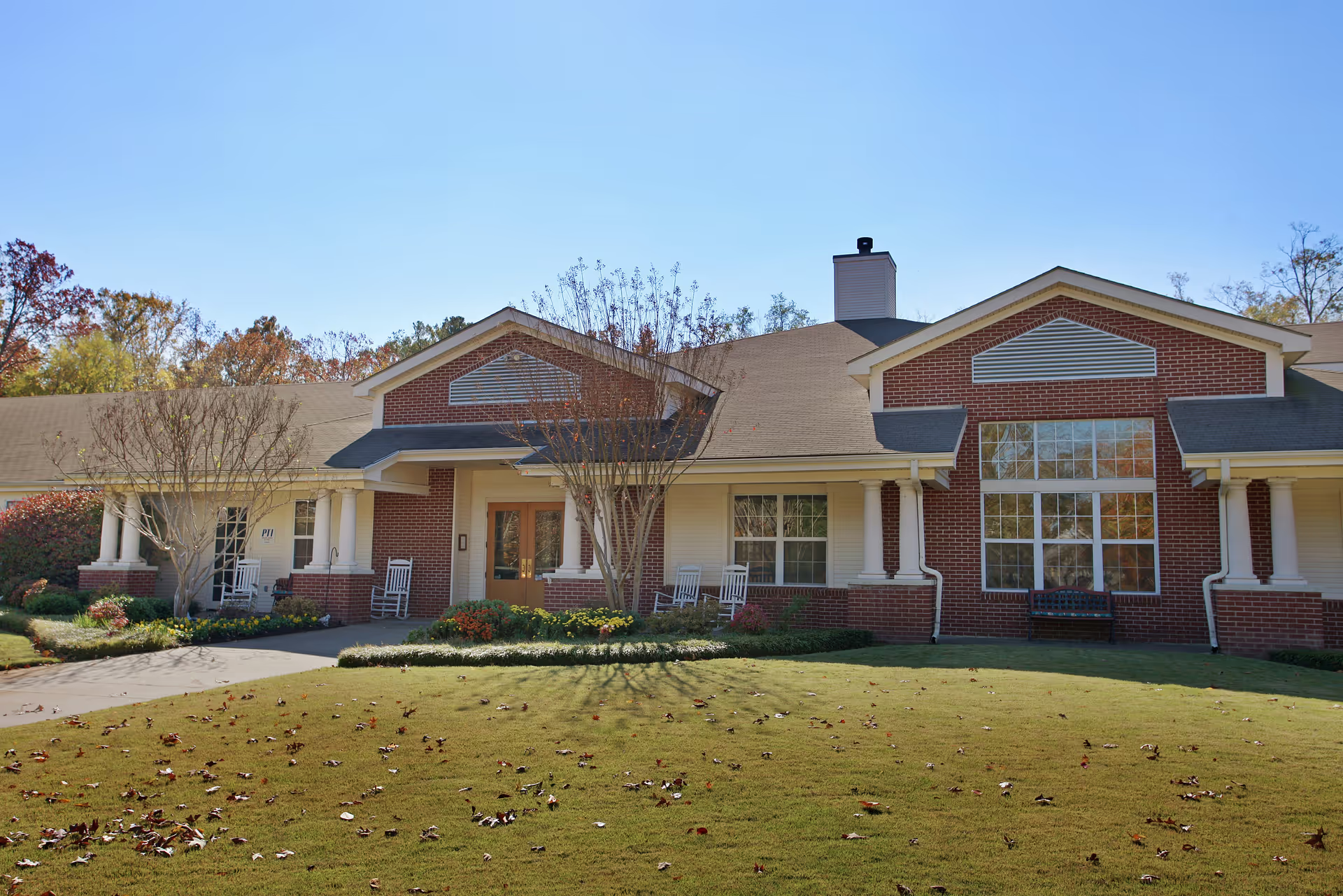
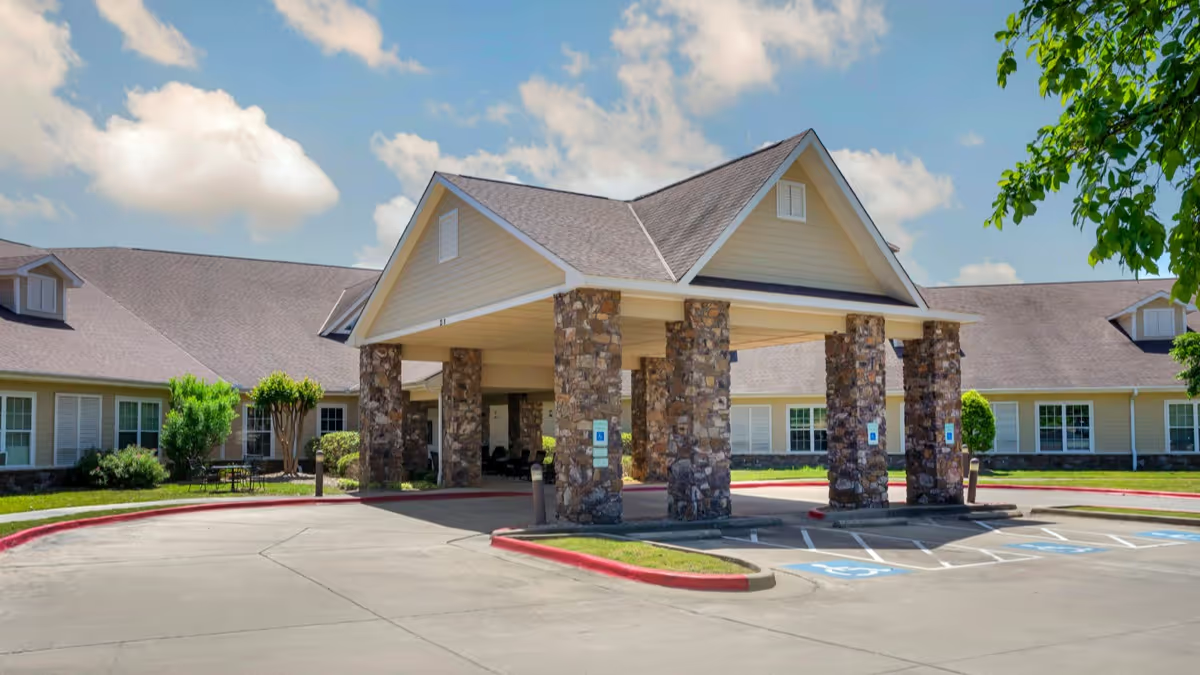
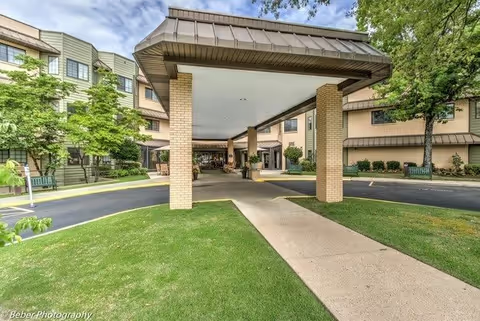
The reviews describe a facility with a mixed profile: many families and residents praise caring, respectful staff, clear communication from administration, a comfortable interior and a home-like atmosphere, and a consistent activities program. Several accounts highlight attentive nurses, aides and therapists who provide reassurance and an overall positive living environment. The physical plant and recreational offerings — including routine events and therapy services — are frequently cited as strengths and compare favorably with alternative providers.
At the same time, a number of operational weaknesses recur across the comments. A primary concern is inconsistent responsiveness to call lights and resident requests, which families link to understaffing and high frontline workloads. Reviewers describe delays in attending to needs and uneven emergency escalation practices; when clinical issues arise some families reported slow intervention or communication gaps around transfers and urgent care. These patterns suggest gaps in staffing levels, care workflows, and incident-response protocols.
Housekeeping and personal-care practices appear inconsistent. Some reviewers noted missed baths, infrequent linen changes, and rooms that were not routinely maintained, which indicates variability in daily-care routines and housekeeping oversight. Dining receives mixed feedback: while some found meals adequate, others cited inconsistent meal quality and limited heart-healthy options, pointing to opportunities for more consistent nutrition planning and menu accommodation.
More serious operational concerns include sanitation and pest-control issues described in several accounts, as well as reports that raise questions about staff conduct and tone during resident interactions. A small number of accounts also reference alleged criminal behavior and theft by a staff member; given the severity of such claims, prospective families should review recent regulatory findings and ask management for documentation of background checks and corrective actions. Multiple comments also refer to a problematic management culture — characterized as cliquish or lacking accountability — that can impede staff retention and consistency of care.
In contrast to the negative items, many families emphasize positive interpersonal experiences with individual staff members and administrators, flexible visiting policies that facilitate family engagement, and an active events calendar that contributes to resident well-being. Facility strengths appear concentrated in staff who are present and engaged, the physical environment, and available therapy services.
For prospective residents and their families: consider an in-person tour focused on staffing levels on the unit you expect to occupy, emergency-response procedures, recent state inspection reports, menu options for dietary needs, housekeeping and linen-change schedules, activity accessibility, and the facility's documented responses to any regulatory or staff-conduct issues. Asking for recent staffing ratios, examples of corrective action for cited problems, and references from current families can help clarify whether the facility’s positive attributes are consistent and whether the operational concerns have been effectively addressed.