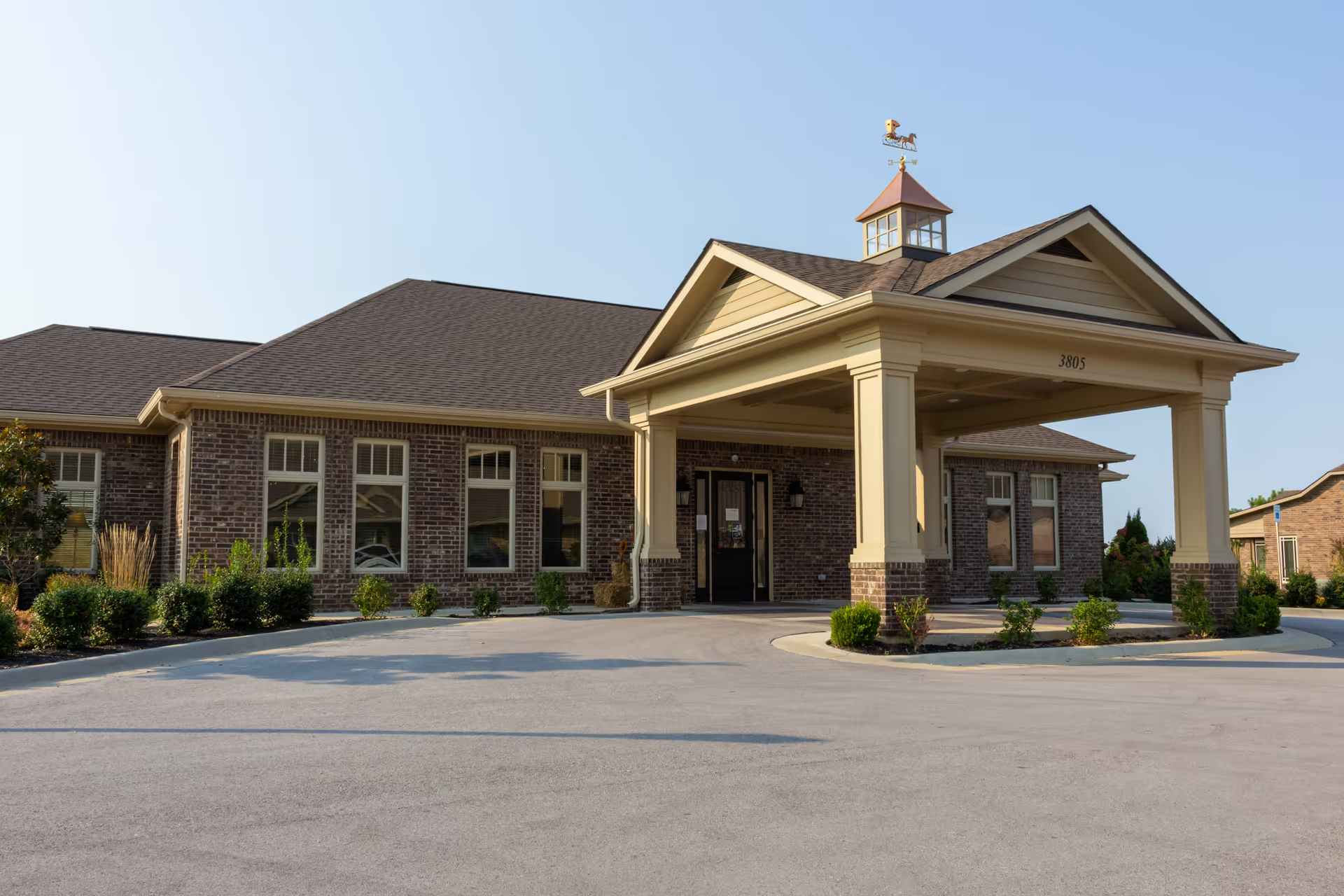
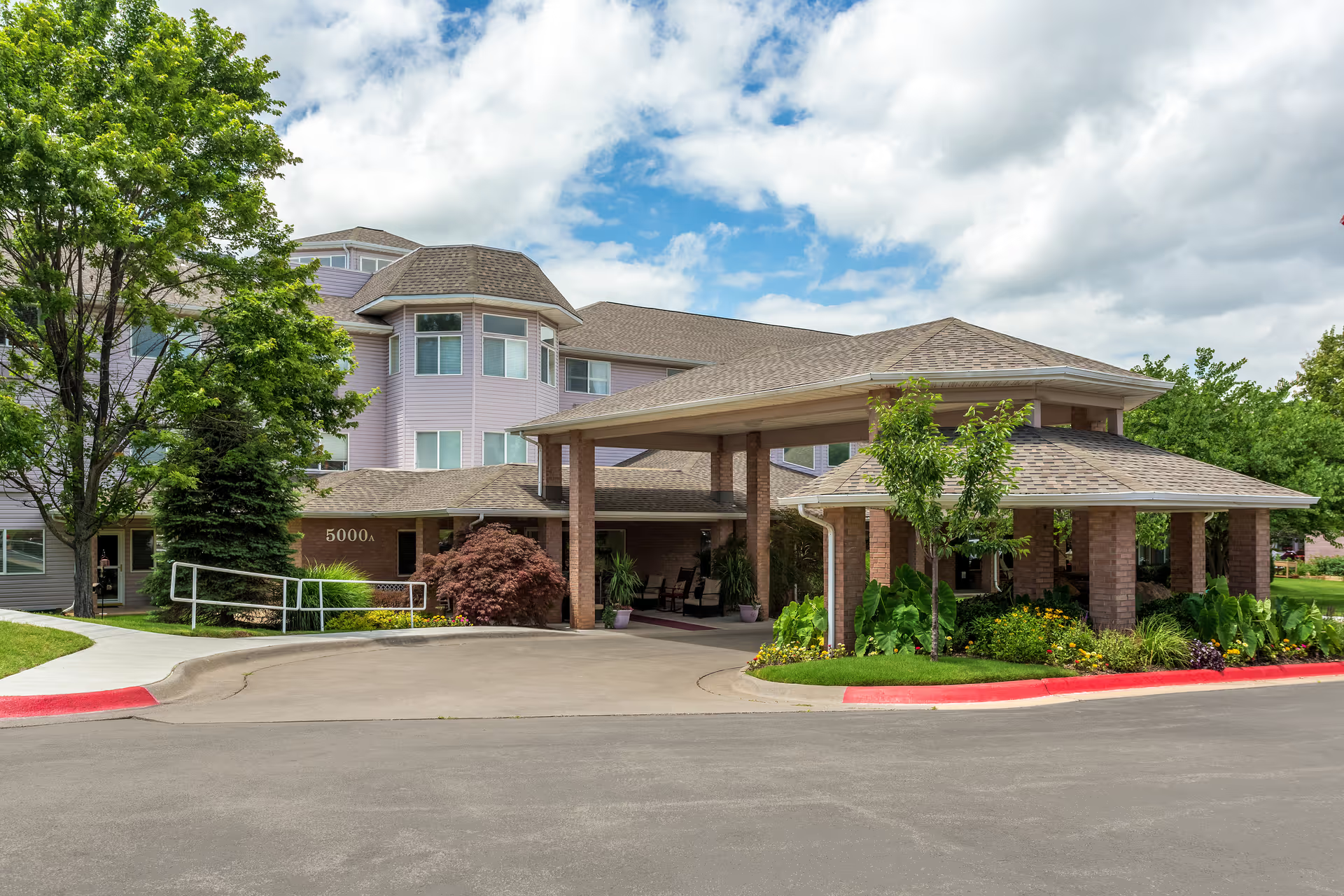
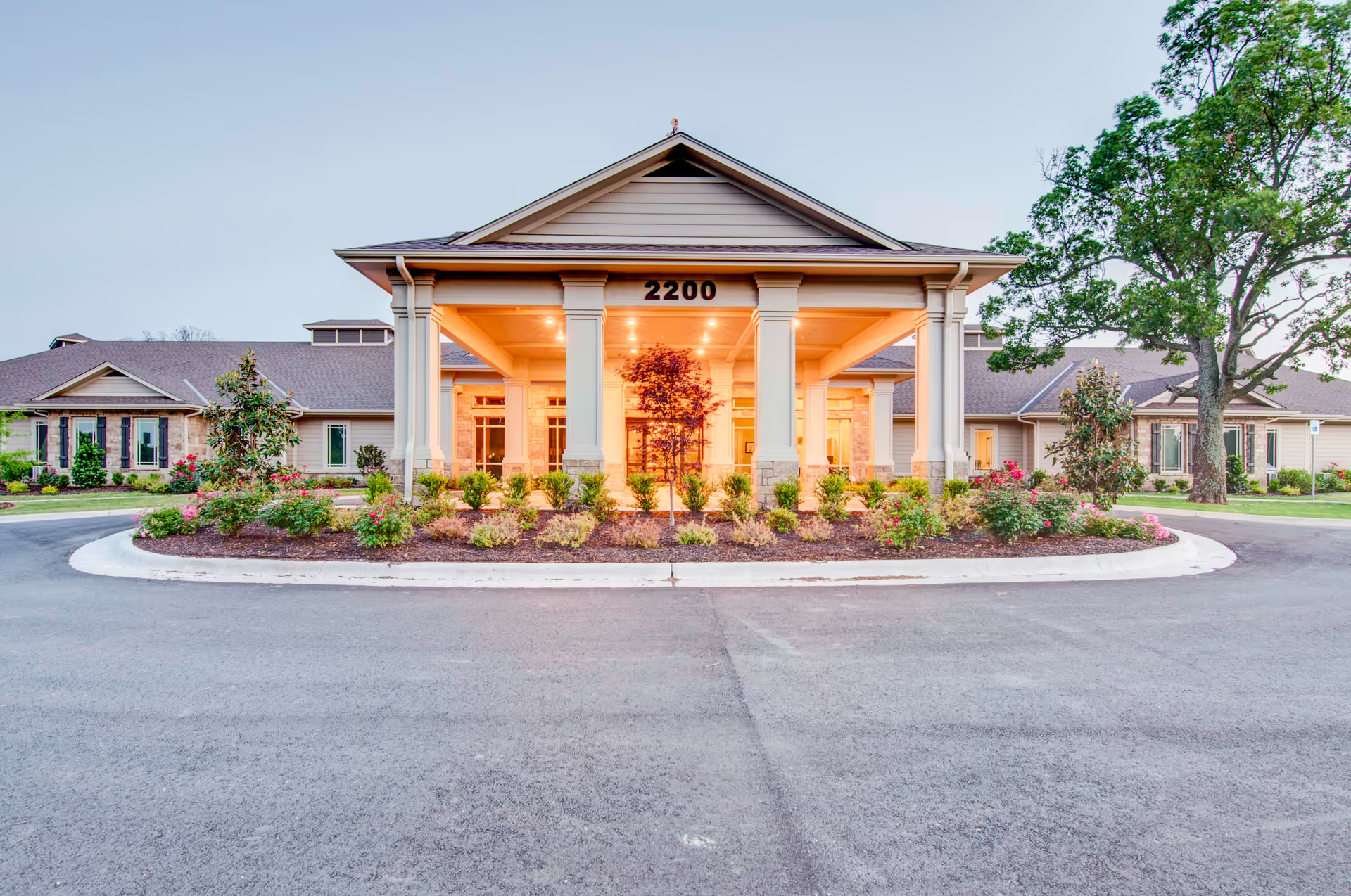
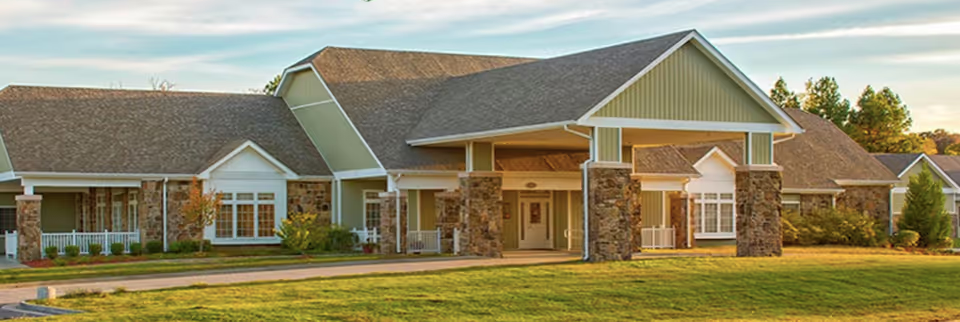
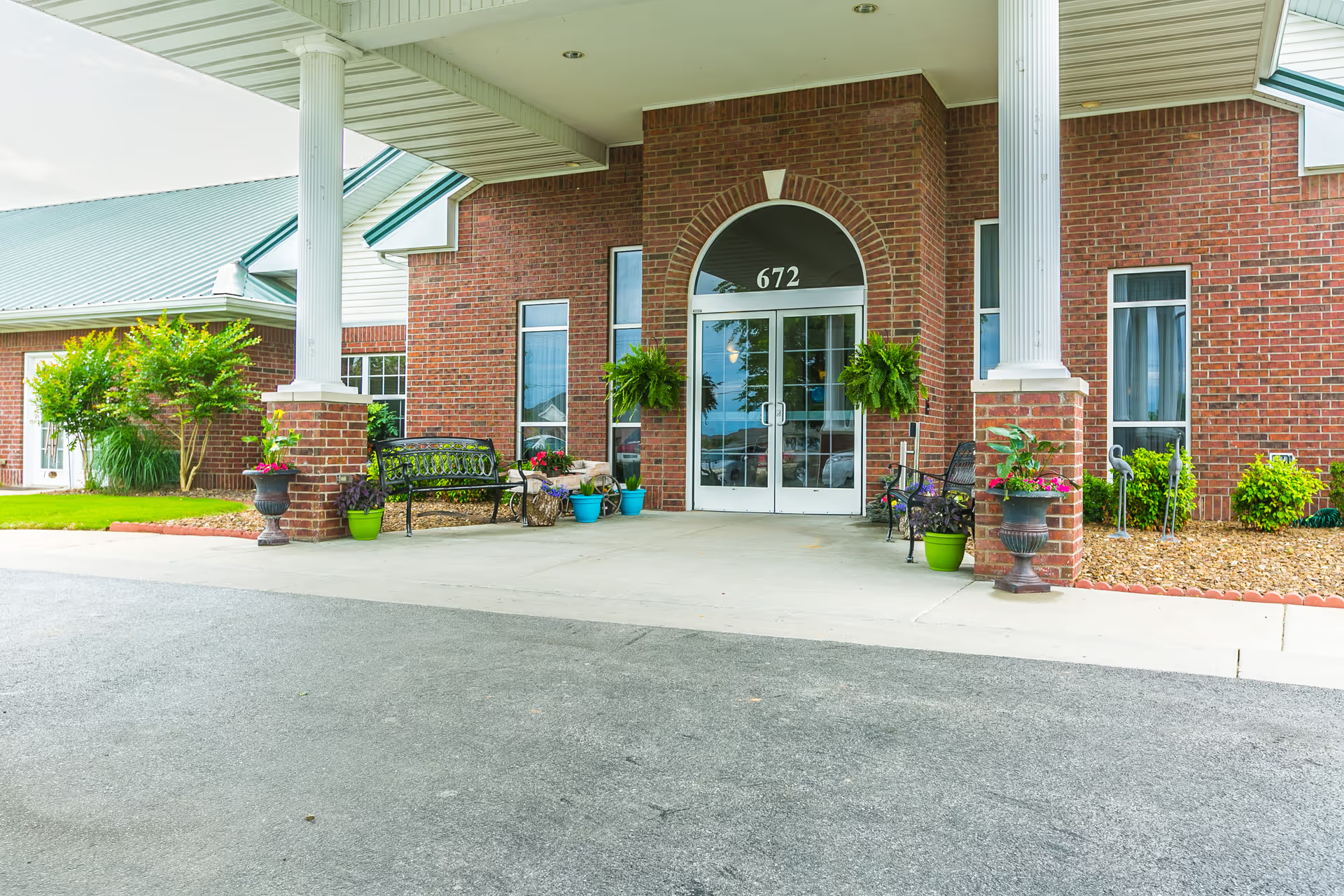
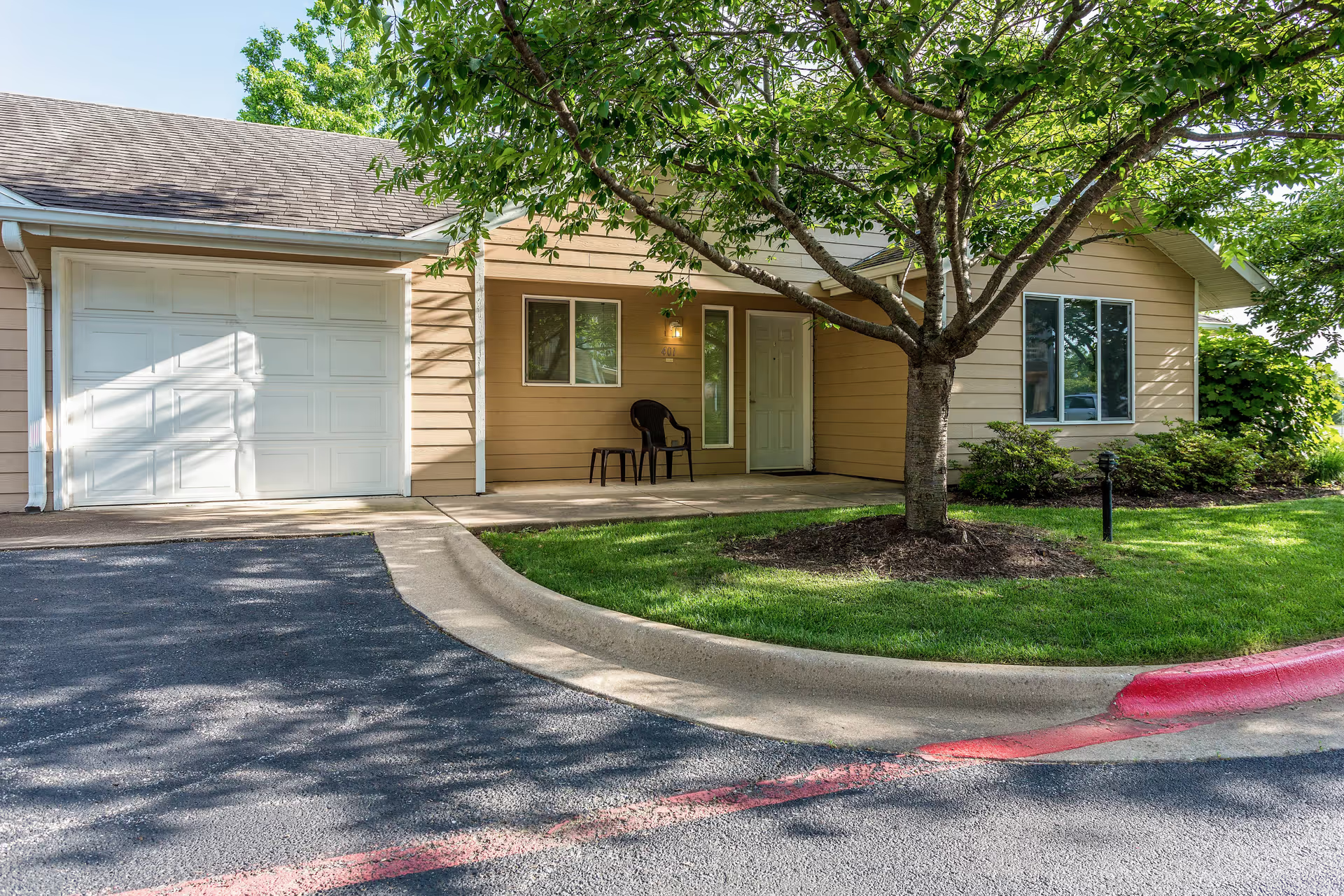
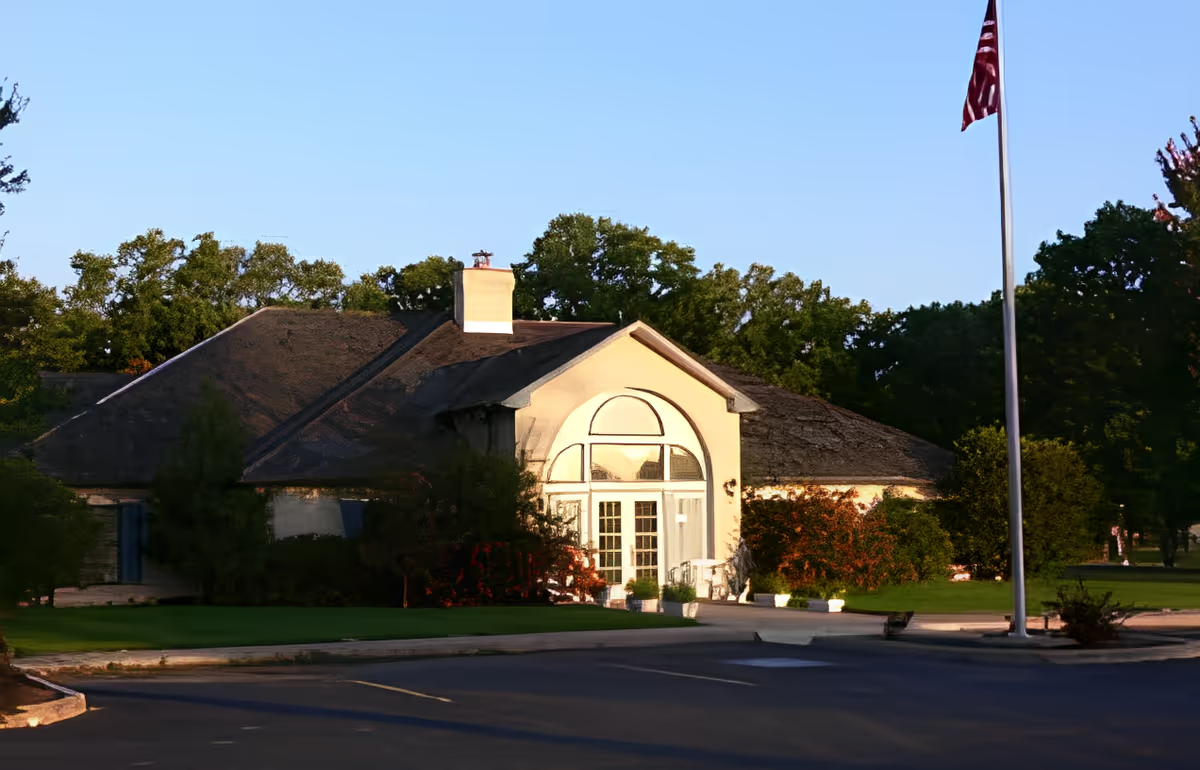
The review set describes a facility with clear strengths in day-to-day caregiving, rehabilitation services, and resident engagement, paired with recurring operational weaknesses. Positive accounts emphasize caring, attentive nurses and CNAs, a competent therapy team that supports recovery, and an activities program that includes spiritual services, outdoor time, special events, and seasonal decorating. Commonly cited environmental strengths include a pleasant lobby, neat grounds, spotless hallways in many areas, and a generally welcoming, home-like atmosphere that families and residents find comforting.
At the same time, a consistent theme is variability in staffing and management that affects care consistency. Several reviewers described delays responding to call lights and assistance requests and raised concerns about CNA staffing levels, training, and compensation. Those operational gaps are linked by reviewers to slower assistance for residents with mobility or communication needs and, in some cases, to gaps in clinical monitoring and escalation (for example, missed signs of infection leading to hospital readmission). These concerns point to systemic issues in workforce capacity, clinical oversight, and continuity of care rather than isolated interpersonal problems.
Feedback on dining and housekeeping is mixed. Many families praised cleanliness, neutral-to-pleasant odors in common areas, and periodic improvements in food and resident nutrition; others described sanitation and pest-control concerns in specific areas and inconsistent meal quality. Physical-facility limitations were noted as well: parts of the building are older, some entries involve stairs, and certain bathrooms were described as not fully accessible, suggesting attention is needed to accessibility and long-term maintenance in some units.
Management and communication present a split picture. Multiple reviewers complimented friendly, helpful front-desk staff and described admissions and discharge as smooth experiences; others criticized administrative responsiveness, resource allocation, and continuity when agency staff are used. Family communication and advocacy experiences vary: some families felt listened to and involved in care planning, while others experienced difficulty getting timely attention to concerns. Prospective residents and families should weigh the facility’s evident strengths in therapeutic programming and staff compassion against its operational risks—particularly staffing consistency, clinical oversight, and localized cleanliness/accessibility issues—and ask targeted questions about current staffing ratios, CNA training, call-response times, infection-prevention protocols, facility maintenance plans, and recent inspection findings during a visit.