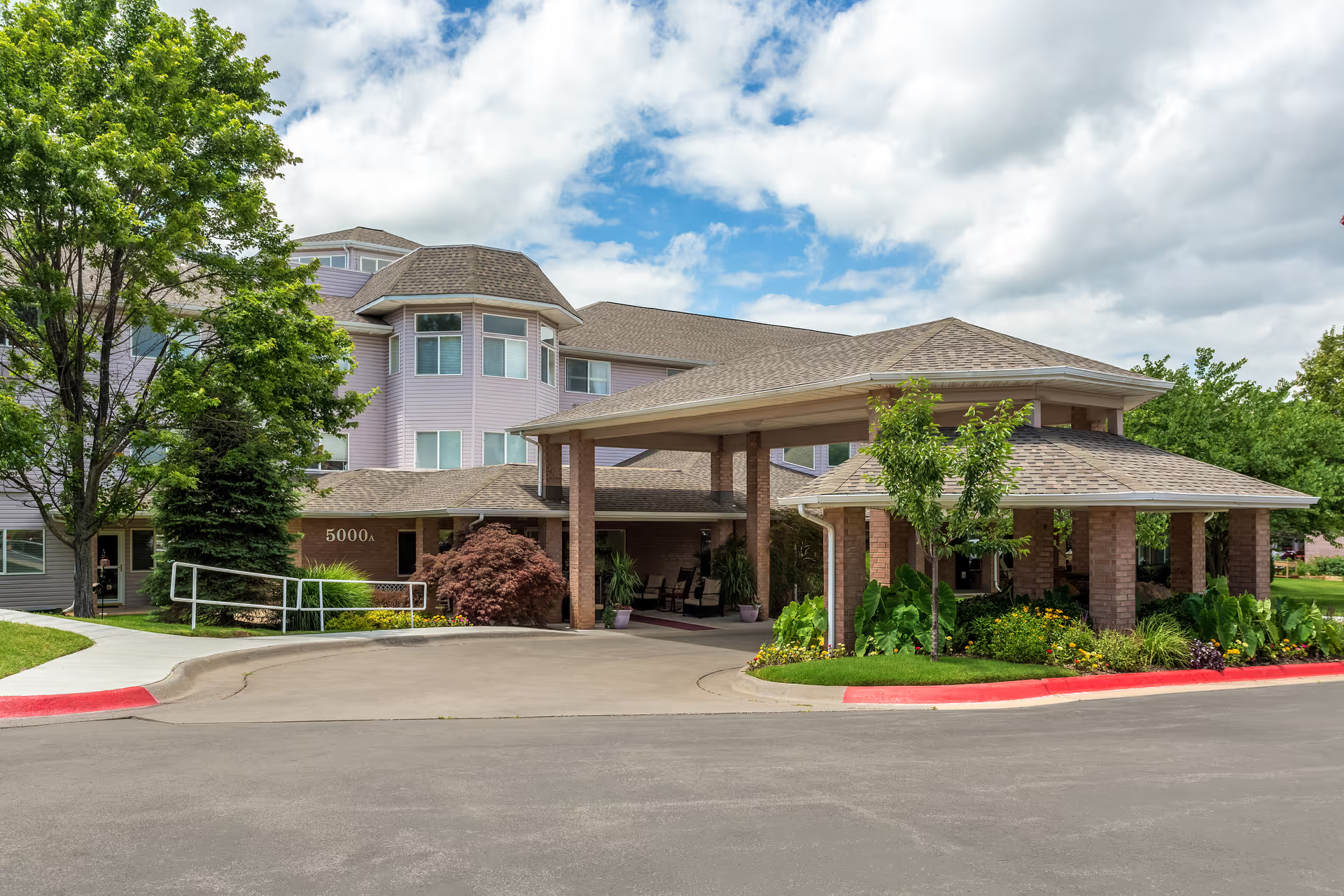
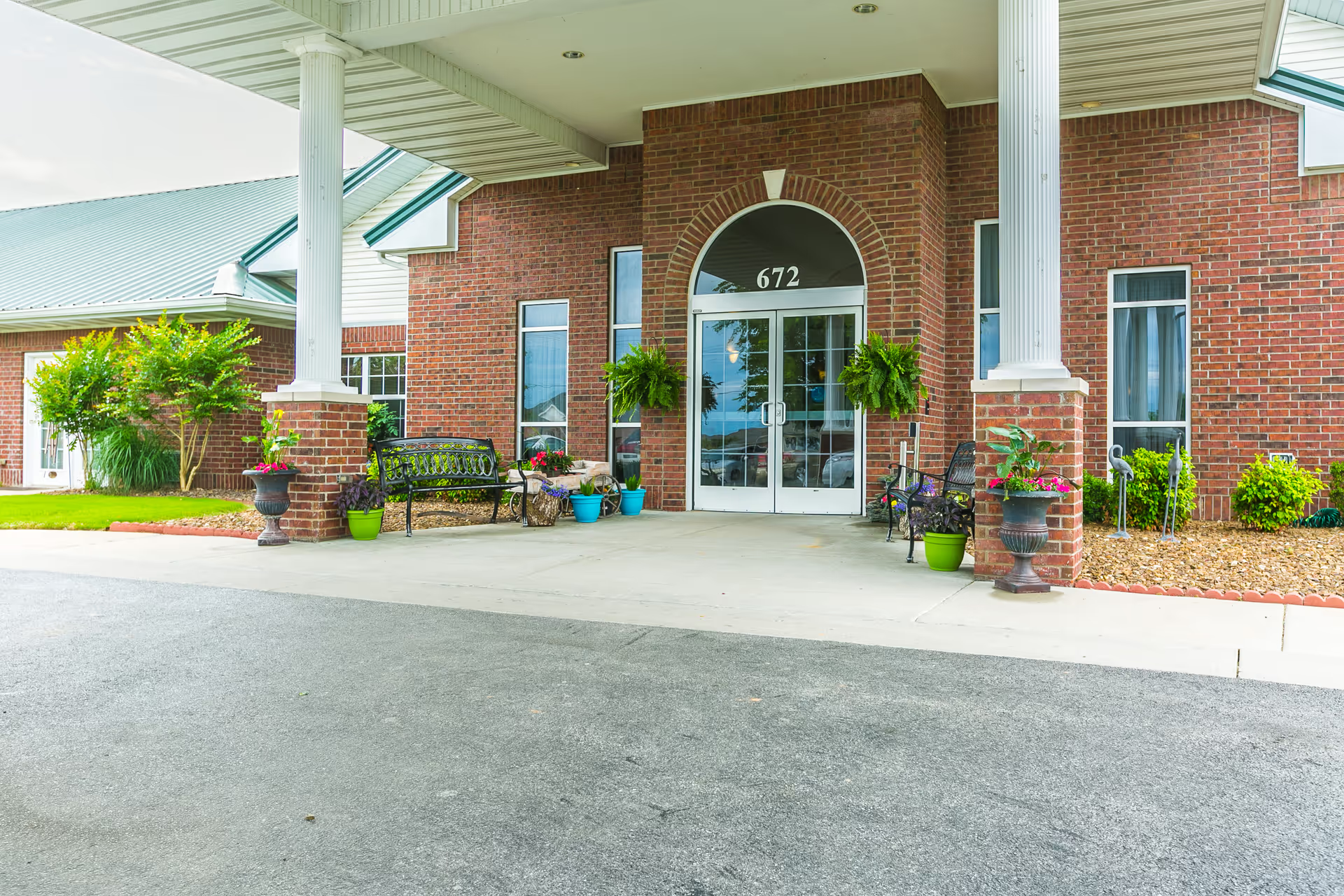
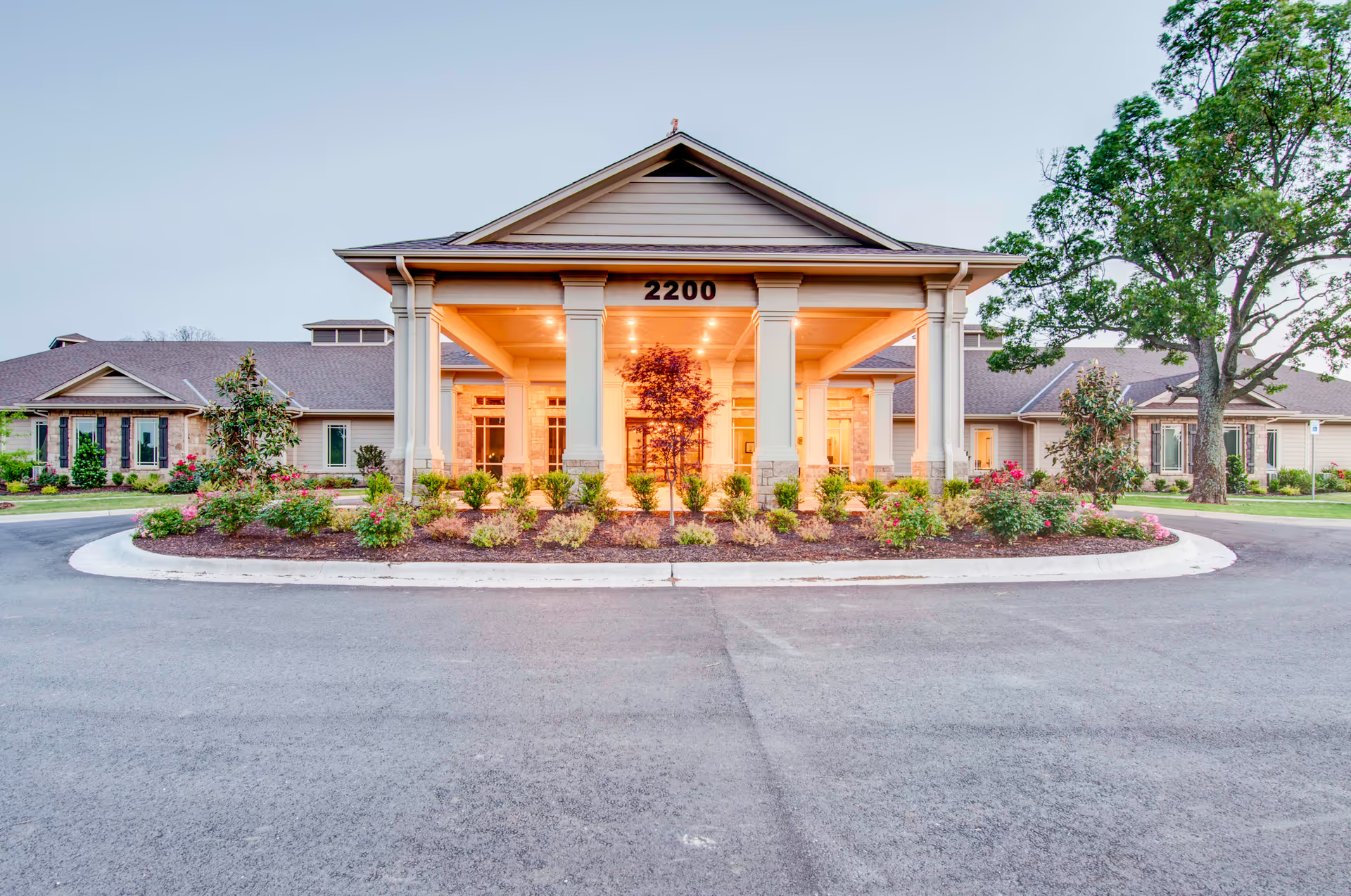
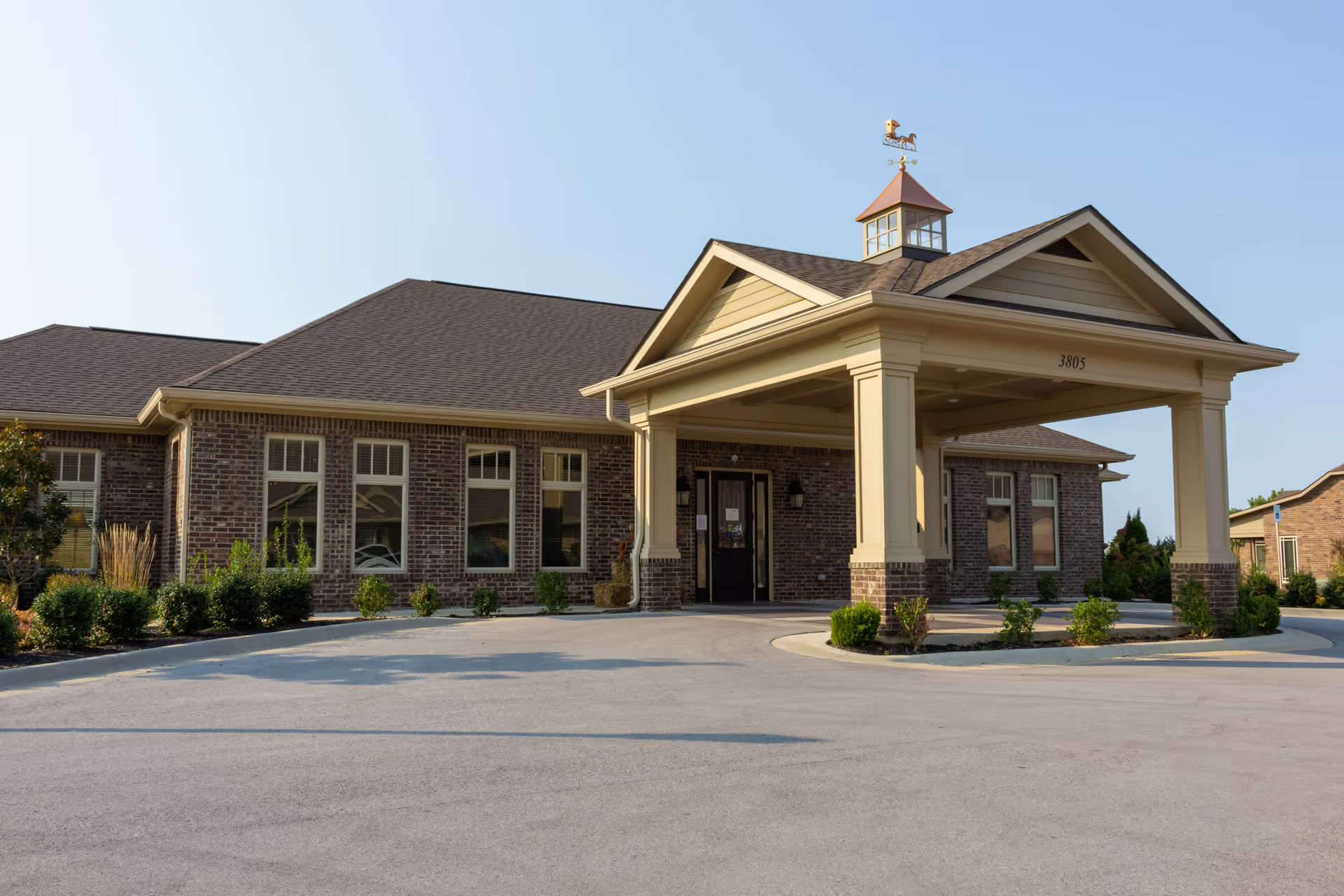
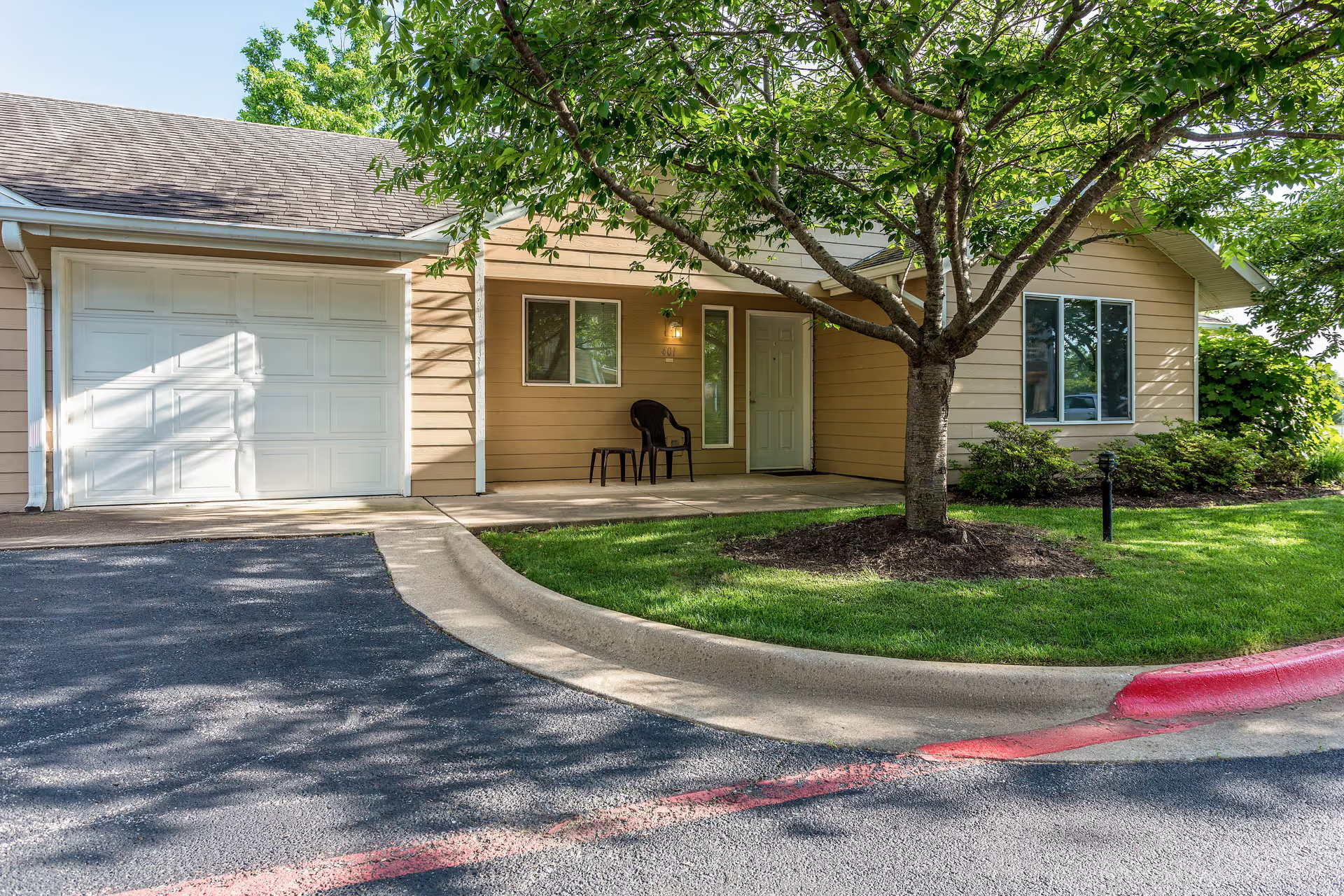
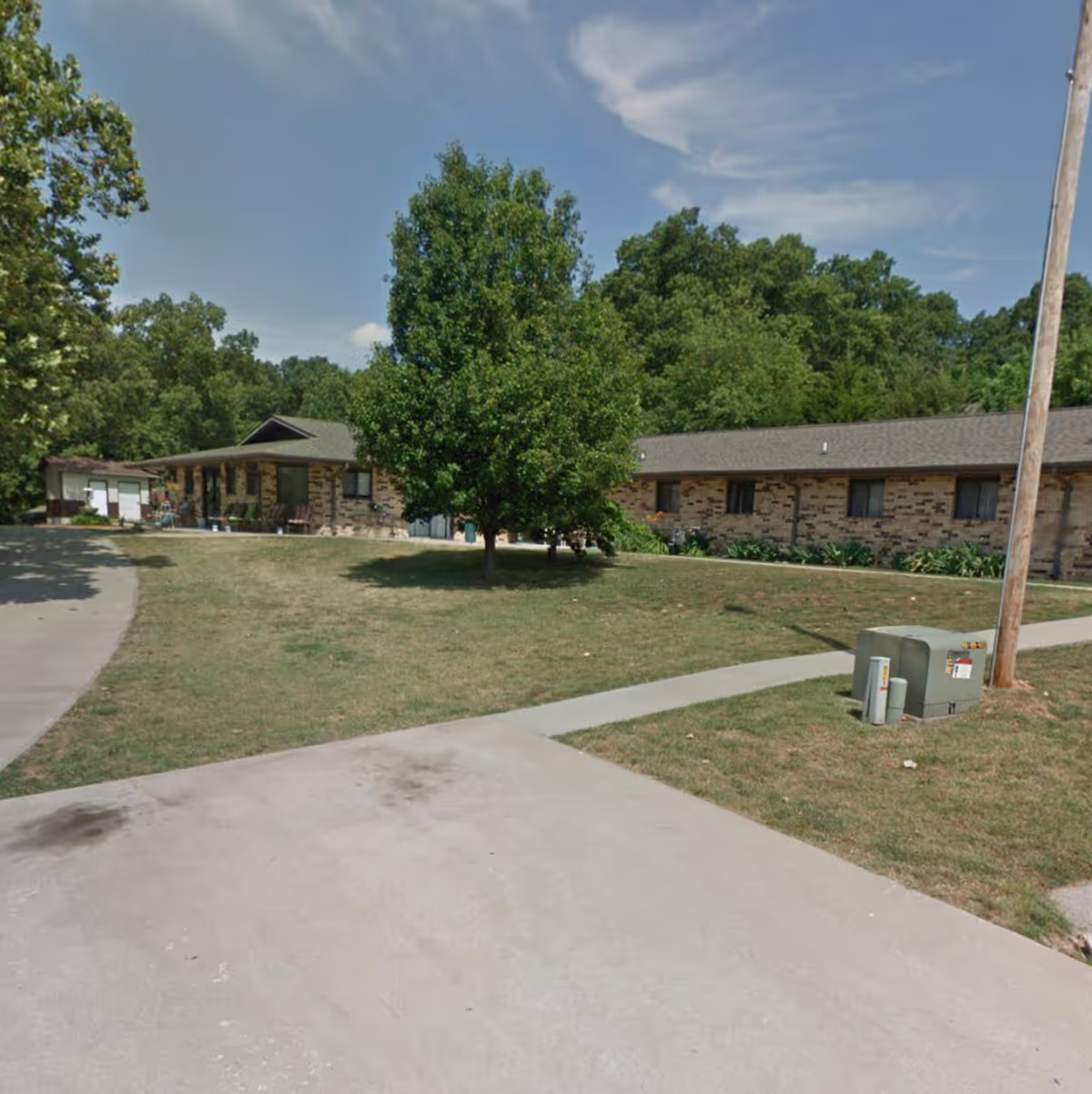
The review set for Springdale Health and Rehabilitation Center describes a facility with strongly mixed experiences. Many families and residents describe compassionate, resident-centered nursing and high-quality rehabilitation therapy that enabled successful discharges and return home. Social-work staff and administrative helpers are often cited as effective at navigating insurance and arranging home-care equipment. Positive elements repeatedly mentioned include an active activities program (including pet visits), transportation to appointments, on-site medical providers, attentive housekeeping in some units, and generous meal portions.
At the same time, a significant number of reviews raise operational concerns that produce uneven care experiences. These concerns cluster around sanitation and odor-control inconsistencies, building-maintenance shortcomings (peeling paint, dated decor, bathroom grout/mold concerns), and mattress/room-condition problems. Clinical and safety issues are also a recurring theme: reviewers cite lapses in routine monitoring (for example, glucose checks), delays or variability in escalation to higher levels of care, falls or transfer-safety weaknesses, and intermittent unresponsiveness to nurse-call systems. Those patterns appear tied in part to staffing instability and variability in staff availability.
Staff quality and conduct are described in polarized terms. Many reviewers praise long-tenured, compassionate caregivers, skilled therapists, and strong teamwork that treats residents with dignity. Conversely, others describe troubling conduct and professionalism shortfalls, including privacy-safeguard breakdowns and communication tone concerns. Family communication is characterized as inconsistent: in positive accounts staff are communicative and proactive, while in negative accounts families report inadequate updates during clinical events and delays arranging outside medical follow-up.
Dining and activities are generally viewed as strengths when present: reviewers note good portions, variety, a social resident community, and active programming that supports rehabilitation and morale. However, some accounts indicate occasional difficulty delivering three consistent meals or that dining/game areas and common spaces appear dated or mismatched.
Administrative and management themes are mixed as well. Several families commend helpful administrative staff who assist with paperwork, insurance, and discharge setup. Contrastingly, there are persistent concerns about therapy-authorization and billing practices, and a small but serious subset of reviews includes allegations of missing belongings and financial improprieties. End-of-life care and responsiveness also emerge as a sensitive area, with a few accounts raising questions about communication and timeliness during critical events.
Taken together, the pattern is one of variability: the facility is capable of providing high-quality, compassionate rehabilitation and supportive services, but consistency appears to be a problem in several operational domains. Prospective residents and families should arrange an in-person tour that inspects room condition and common areas, ask about current staffing levels, nurse-call response times, infection-control and sanitation protocols, roommate-assignment policies, therapy authorization and billing procedures, and typical communication workflows for clinical changes. Talking directly with the social-work lead and observing mealtime and activity periods can help assess whether Springdale’s strengths as described align with a particular resident’s needs and expectations.