Westwood Health and Rehab presents a mixed profile in these reviews. Strengths center on the people who work there: many families and former residents emphasized compassionate, hands‑on nursing staff, knowledgeable therapists, and admissions coordinators who smooth transitions. The therapy program is repeatedly credited with measurable improvement and successful returns home. Reviewers also highlighted a home‑like memory care unit with private rooms, 24/7 nursing, active leadership on the floor, and an activities program that includes music, crafts, bingo and exercise sessions that support resident engagement and socialization.
Clinical and day‑to‑day care received more variable assessments. Several reviewers praised skilled, attentive caregivers and effective care coordination when the clinical team was engaged. Conversely, other accounts describe inconsistent care practices across shifts and units, including concerns about pain management, delays in attending to residents, and instances where clinical follow‑through was insufficient. There are also comments that payer/managed‑care authorizations sometimes limited therapy delivery, producing perceived gaps between therapeutic goals and what was provided.
Dining and nutrition experiences are uneven. Some families enjoyed well‑prepared meals and positive kitchen interactions; others found menu options limited (strong emphasis on a narrow selection) and inconsistent mealtime quality. Reviewers indicated that nutritional monitoring was consequential in at least a few cases, with significant weight loss and subsequent hospital readmission described as outcomes when care continuity faltered.
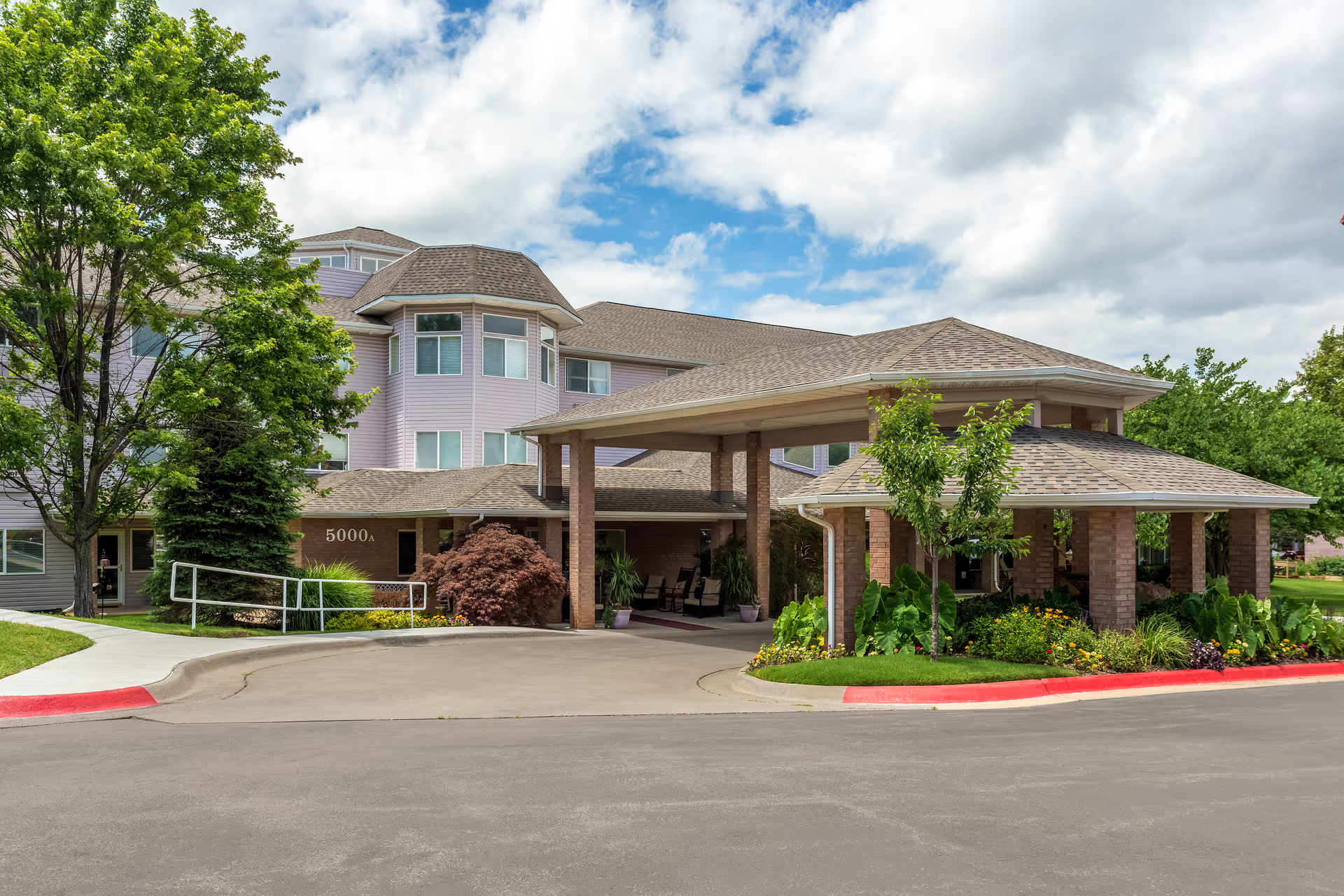
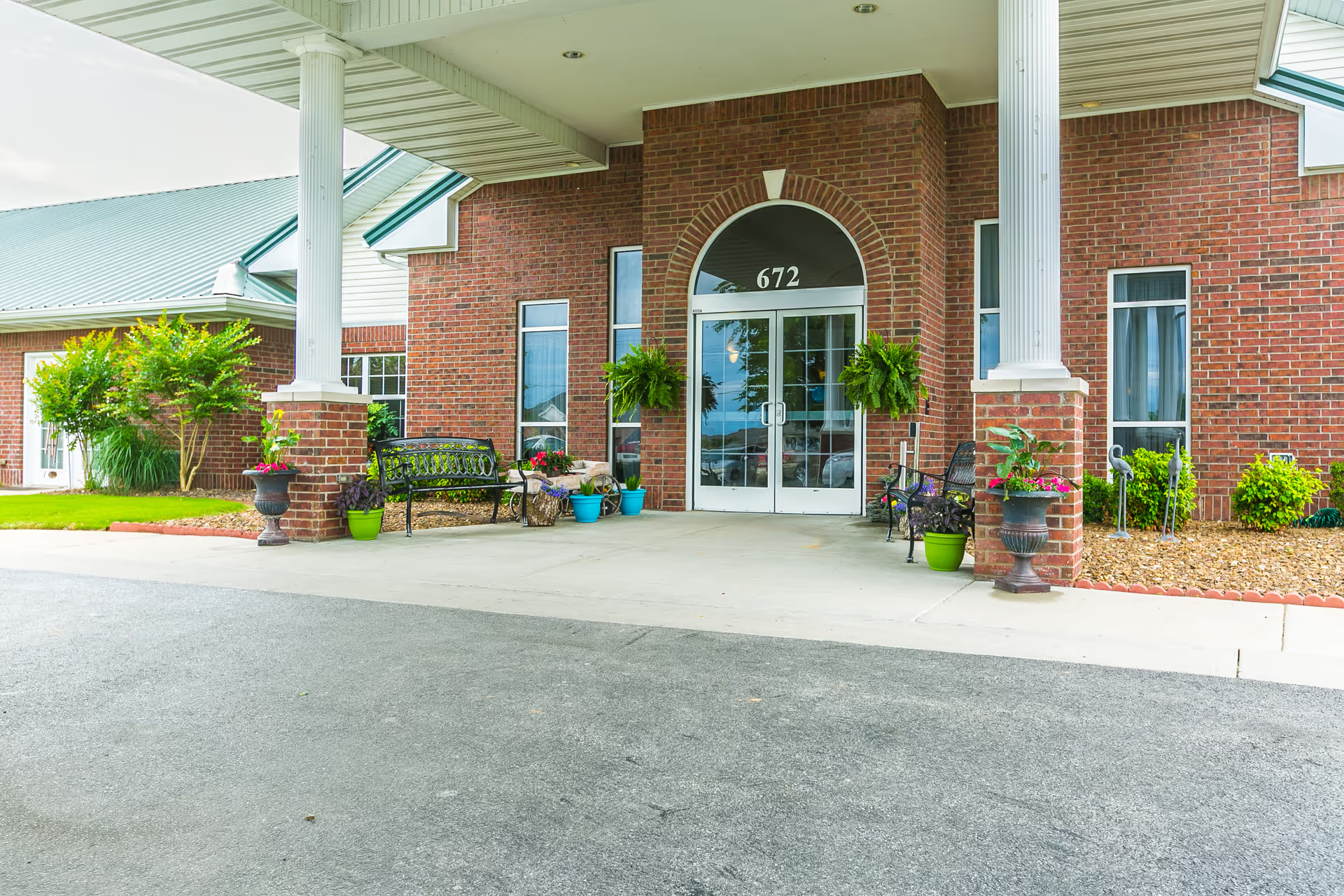
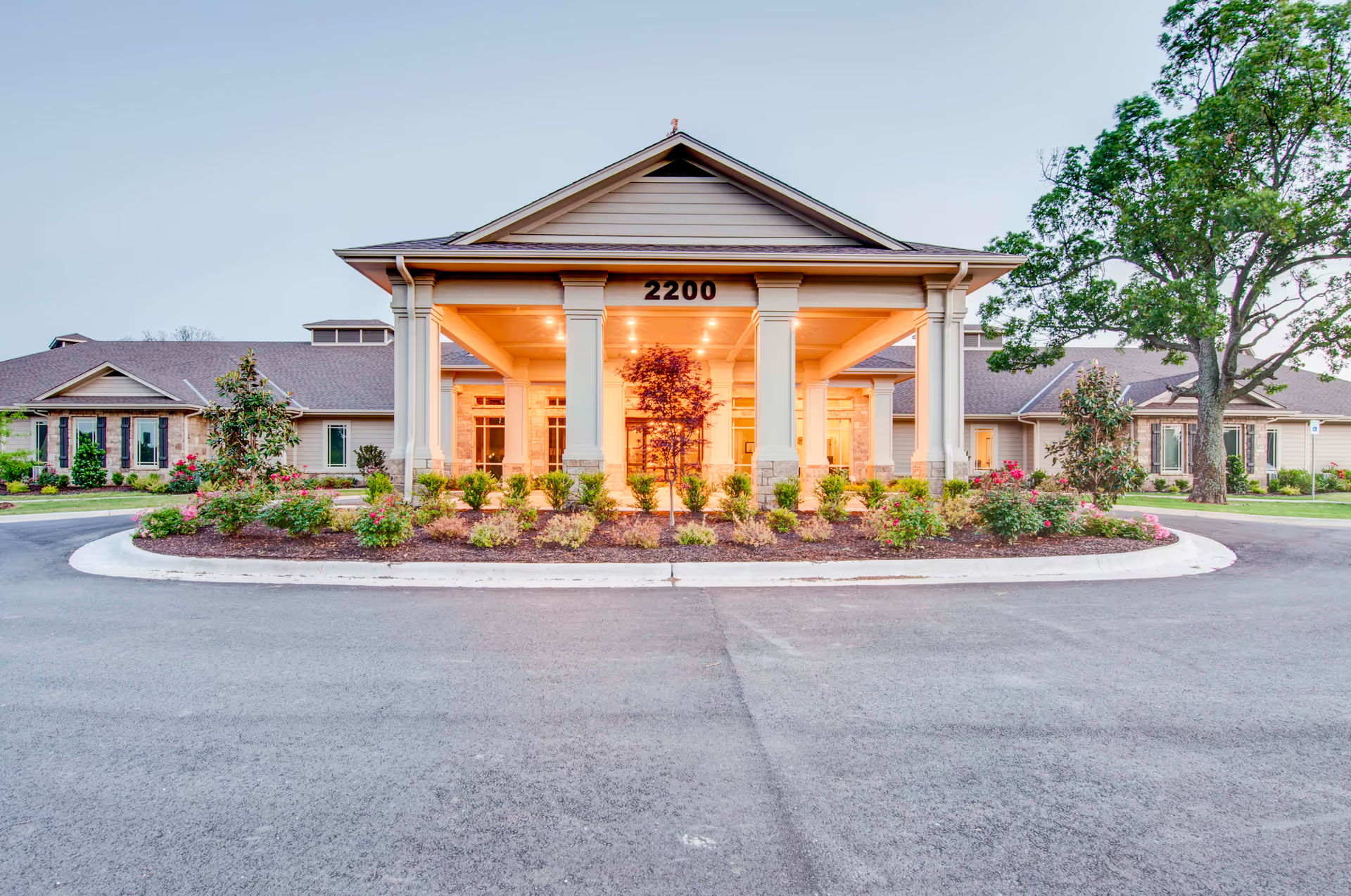
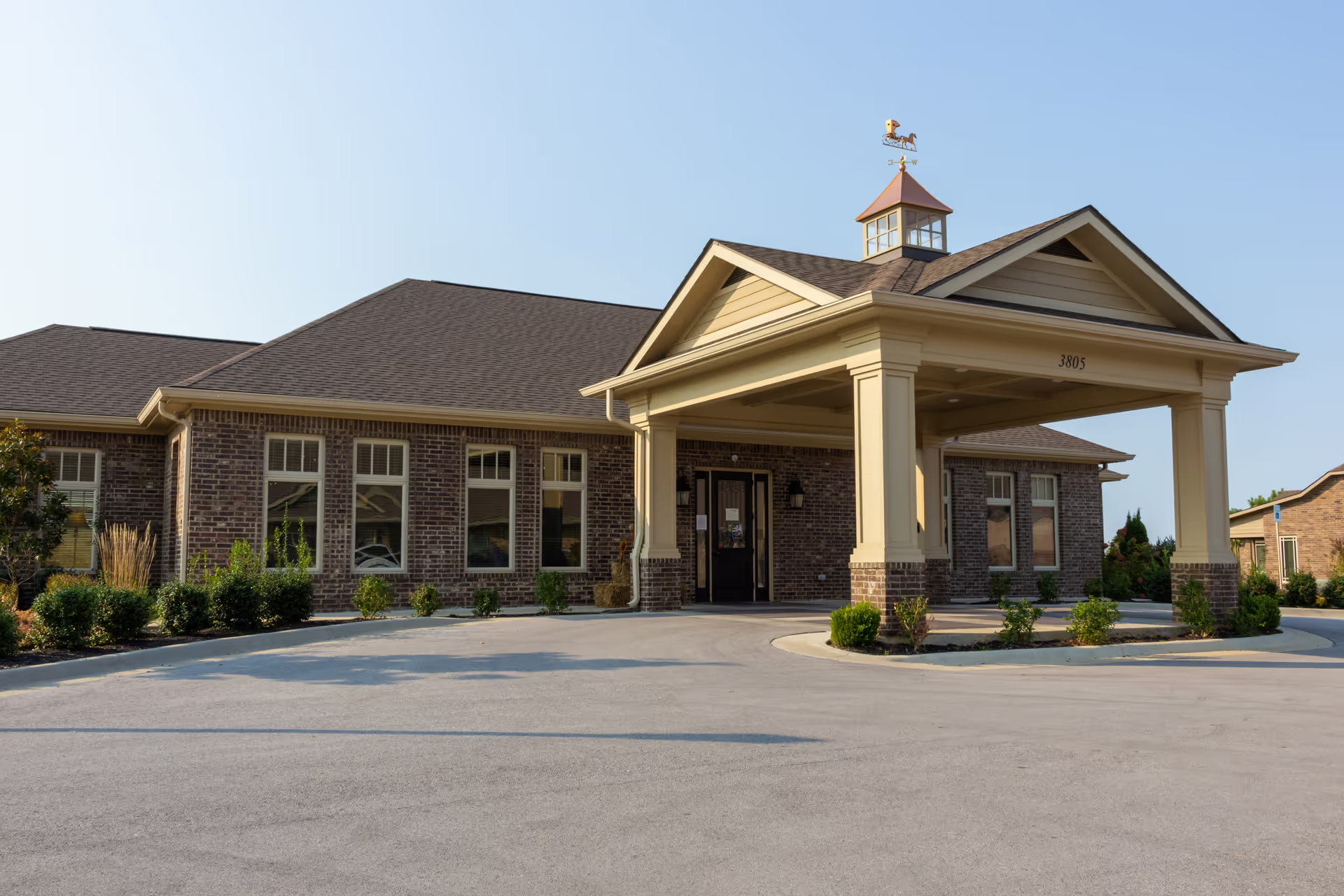
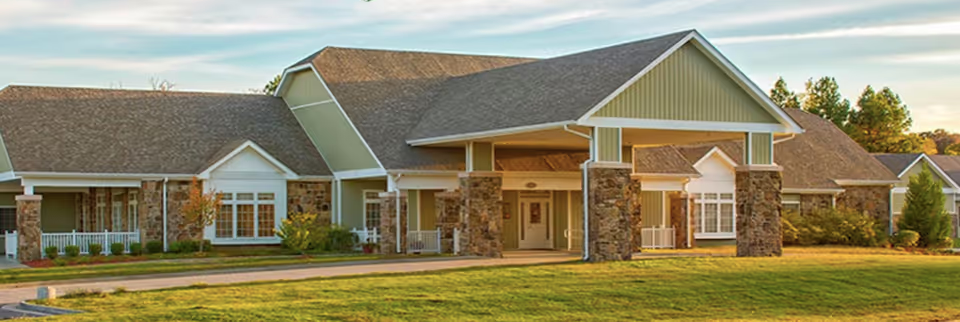
Facility condition and environmental issues are similarly mixed. Many describe an older building that is kept clean and maintained with touch‑ups to create a welcoming atmosphere; memory care areas were often called cozy and secure. At the same time, other accounts raise sanitation concerns, incontinence‑care delays, and pest‑control concerns in parts of the building. These environmental and cleanliness issues appear to be localized rather than universal but are important operational weaknesses when they occur.
Management, staffing and communication show both strengths and weaknesses. Positive notes include visible leadership, responsive issue resolution, and low turnover on some units leading to personalized resident knowledge. Negative items include staffing shortages that produce inconsistent aide coverage, delayed responses to call requests, and concerns about the tone or professionalism of particular supervisors. There are also serious personnel‑related allegations, including claims of missing personal items and dissatisfaction with investigative follow‑up; these raise questions about property‑management controls and incident response processes.
Overall, Westwood appears to be a facility where committed caregivers and a strong therapy program create real benefits for many residents, particularly those needing rehabilitation or memory care in a home‑like setting. However, the facility exhibits operational inconsistencies — in staffing, hygiene controls, meal-service continuity, and family communication — that prospective residents and families should assess directly. Recommended due diligence includes an on‑site tour focusing on staffing levels during different shifts, sampling meals, reviewing recent state inspection reports, asking about pest‑control and sanitation protocols, and clarifying how payer authorizations affect planned therapies and expected outcomes.