The reviews for Bailey Creek Health & Rehab are strongly mixed, with a clear pattern of polarized experiences. Many families and residents praise individual caregivers — particularly CNAs, nurses, and hospice staff — for kindness, patience, and detailed care reporting. These positive accounts emphasize clean, well-arranged rooms, helpful guidance around benefits such as Medicaid, and effective short-term skilled therapy for some patients. The facility also carries a Medicare 5‑star rating, which several reviewers cited as reassuring.
At the same time, a number of reviewers describe operational and consistency problems that materially affect resident experience. The most frequent themes are slow or inconsistent responsiveness from staff, delayed toileting and incontinence care, and variability in staff tone and communication. Understaffing and high turnover are referenced as contributing factors; families described long wait times for assistance, delayed medication administration, and inconsistent assistance with mobility. These patterns raise concerns about timely attention to residents' basic needs and about continuity of care over longer stays.
Dining and therapy experiences are similarly inconsistent. Multiple reviewers described cold or poorly timed meals and issues with meal-service continuity, while others said food was satisfactory. Therapy and rehabilitation receive mixed assessments: some families recommend the facility for short-term inpatient skilled services, whereas others felt rehabilitation was inadequate or poorly coordinated during transitions of care.
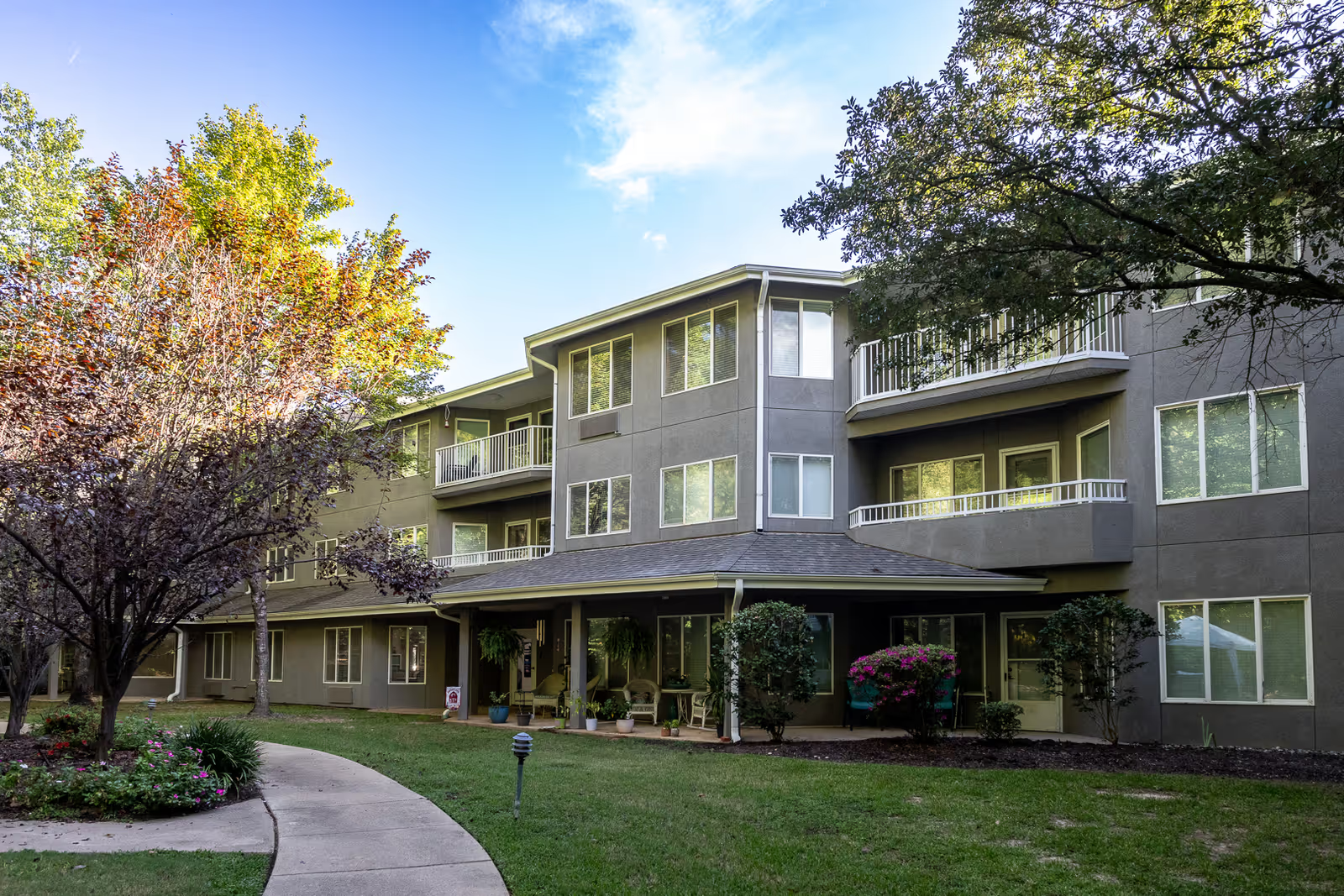
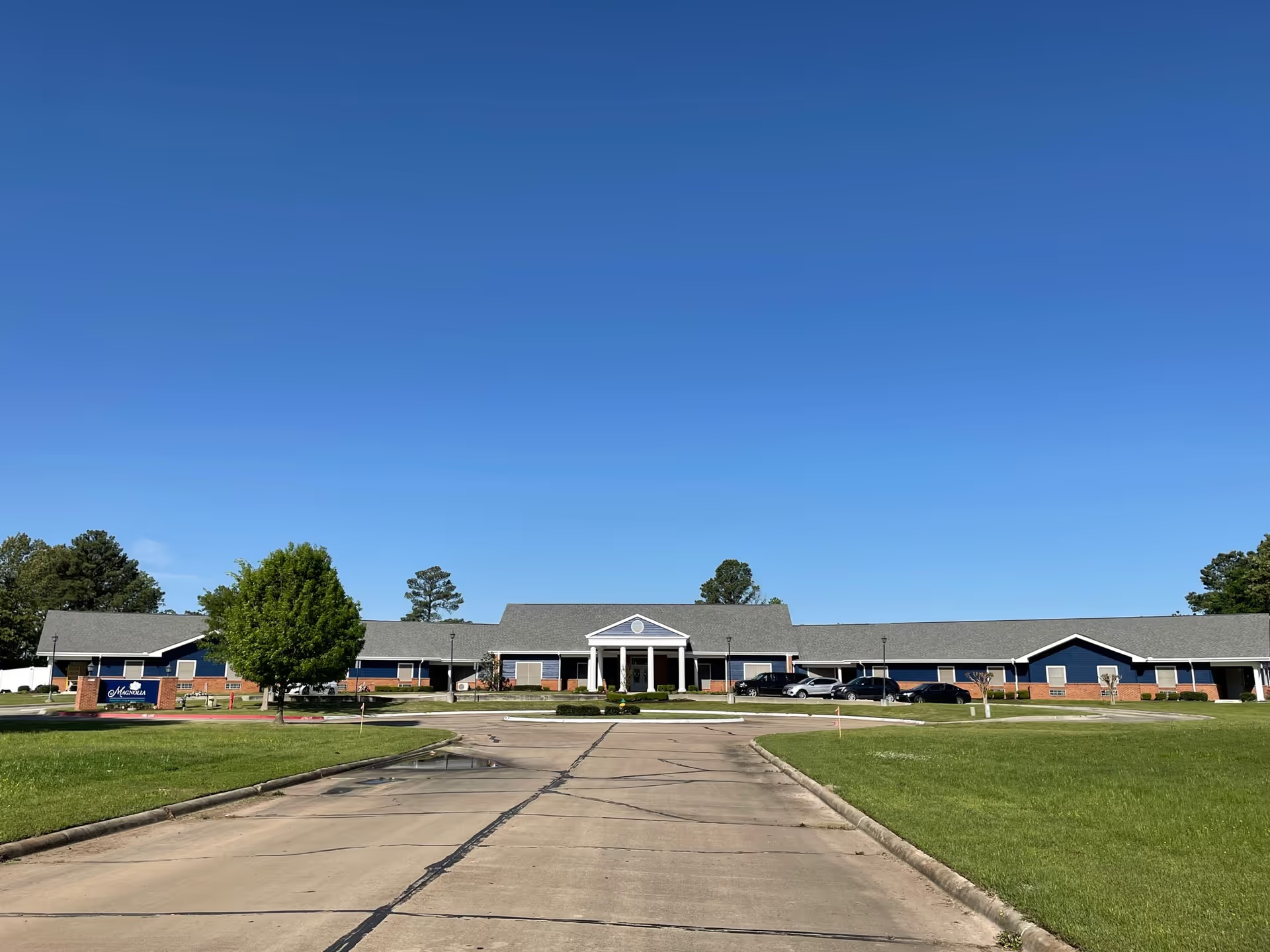
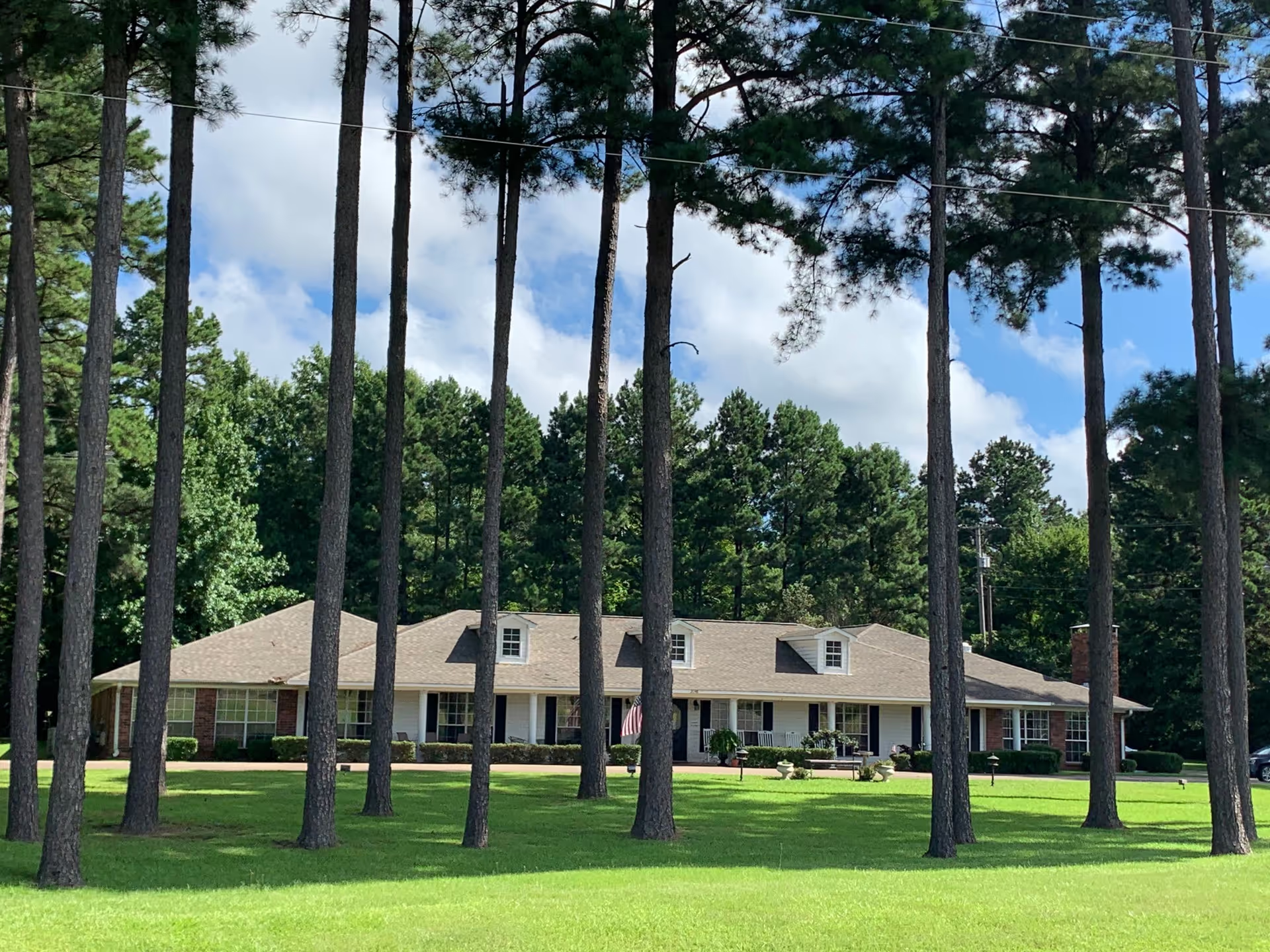
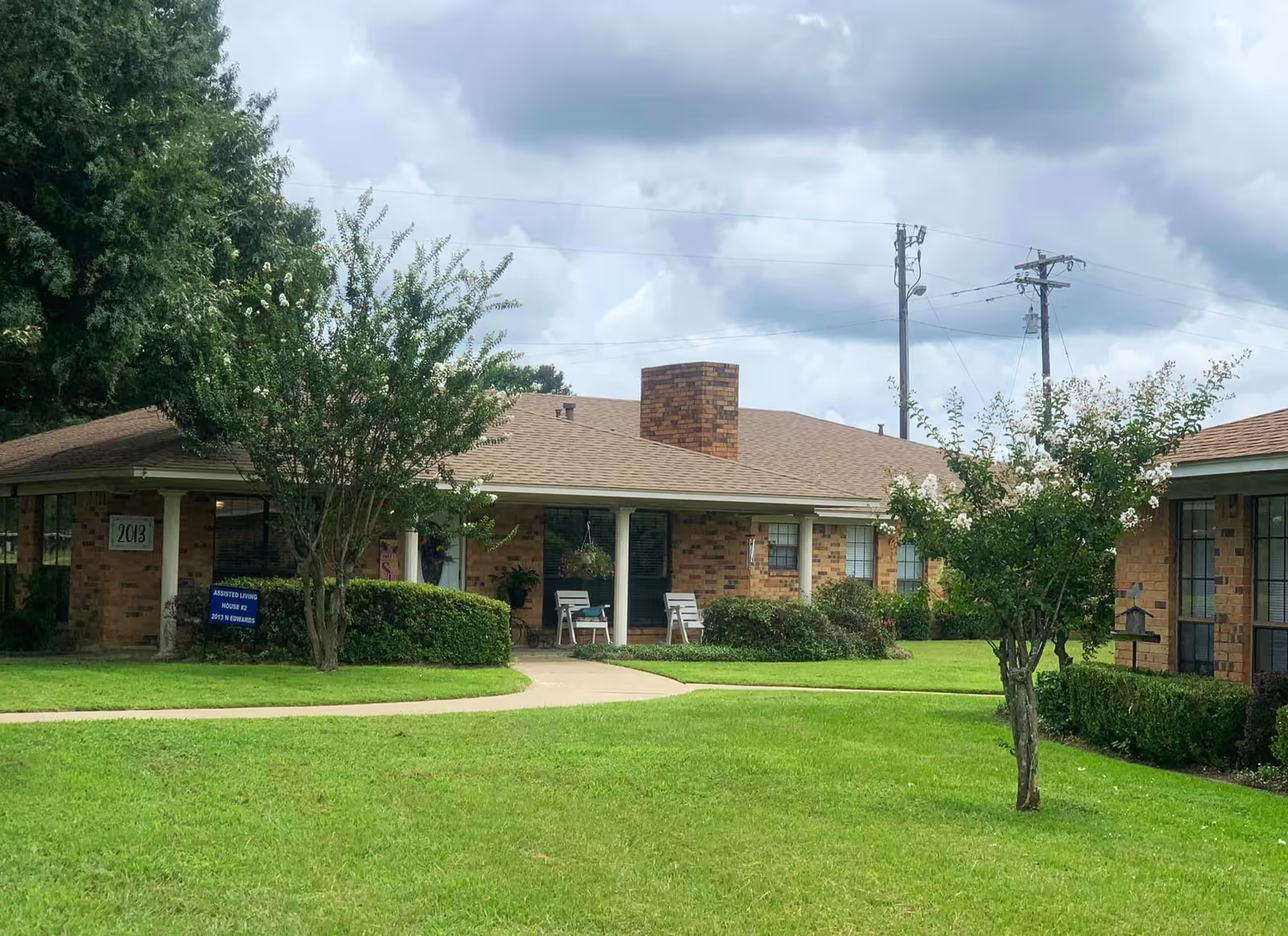
The physical plant and environment are another area of contrast. The building is characterized as older and in need of remodeling, with small rooms, worn fixtures, dim lighting, cluttered corridors, and specific maintenance issues. Several reviewers nevertheless noted spotlessly maintained resident rooms and positive odor control in some areas, indicating variability across units or shifts. Cleanliness and sanitation appear to be inconsistent rather than uniformly deficient.
Management, billing, and communication practices drew repeated critical comments. While some administrators and admissions staff were described as helpful, others — particularly in accounting — were described as insensitive or difficult to engage. Families also cited poor phone responsiveness and a sense that financial considerations sometimes influenced discharge timing. A few reviewers raised serious concerns following adverse outcomes after discharge; these are individual, high-severity accounts that warrant careful follow-up and review by prospective families.
Overall, Bailey Creek demonstrates strengths in individual caregiver compassion, short-term skilled services, and certain aspects of room-level cleanliness and documentation. However, persistent operational weaknesses — especially inconsistent responsiveness, staffing instability, meal-service reliability, maintenance needs, and gaps in discharge planning — recur across reviews. Prospective residents and family members should arrange an in-person tour, observe staffing levels and mealtime service, review recent care-plan documentation and discharge policies, ask about staff turnover and after-hours response procedures, and confirm how the facility coordinates with hospital or hospice partners for transitions of care.