The reviews describe a facility with several clear strengths alongside notable operational weaknesses. Strengths most consistently emphasized are the rehabilitation and therapy services — many family members praised motivating, effective therapists and credited the therapy team with measurable functional gains (for example, recovery after stroke and amputation). Caregivers, nursing staff, and aides are frequently described as friendly, caring, and family-oriented; multiple accounts highlight staff who go above and beyond, contributing to a home-like atmosphere and positive resident interactions.
At the same time, reviewers describe a divergent range of experiences that point to inconsistency in care processes. While many families praised prompt, compassionate attention, others raised concerns about delayed responses to resident calls and lapses in clinical monitoring. These items together suggest variability in how the facility manages emergent needs and routine observation — an operational gap that prospective families should assess directly with staff and care plans.
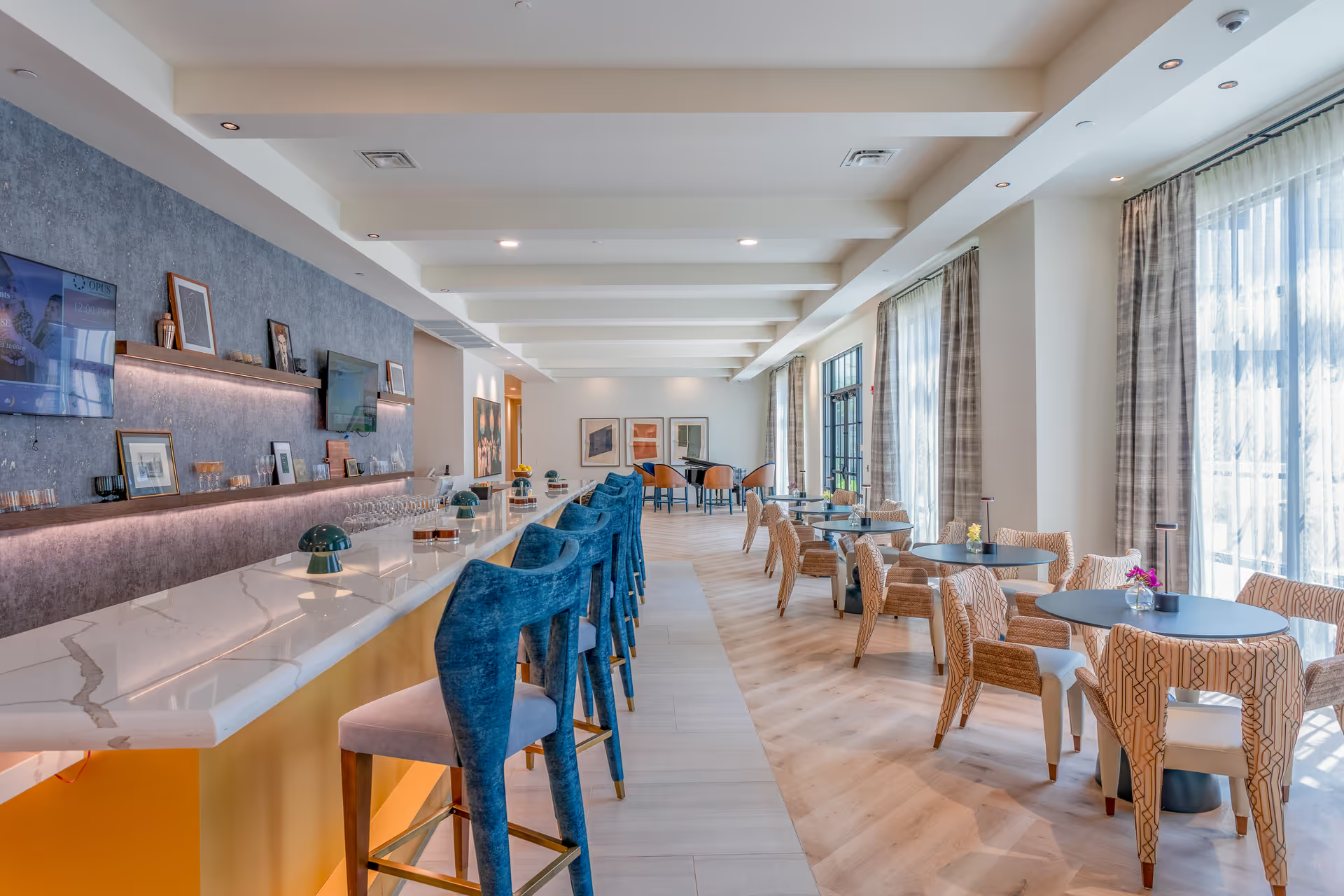
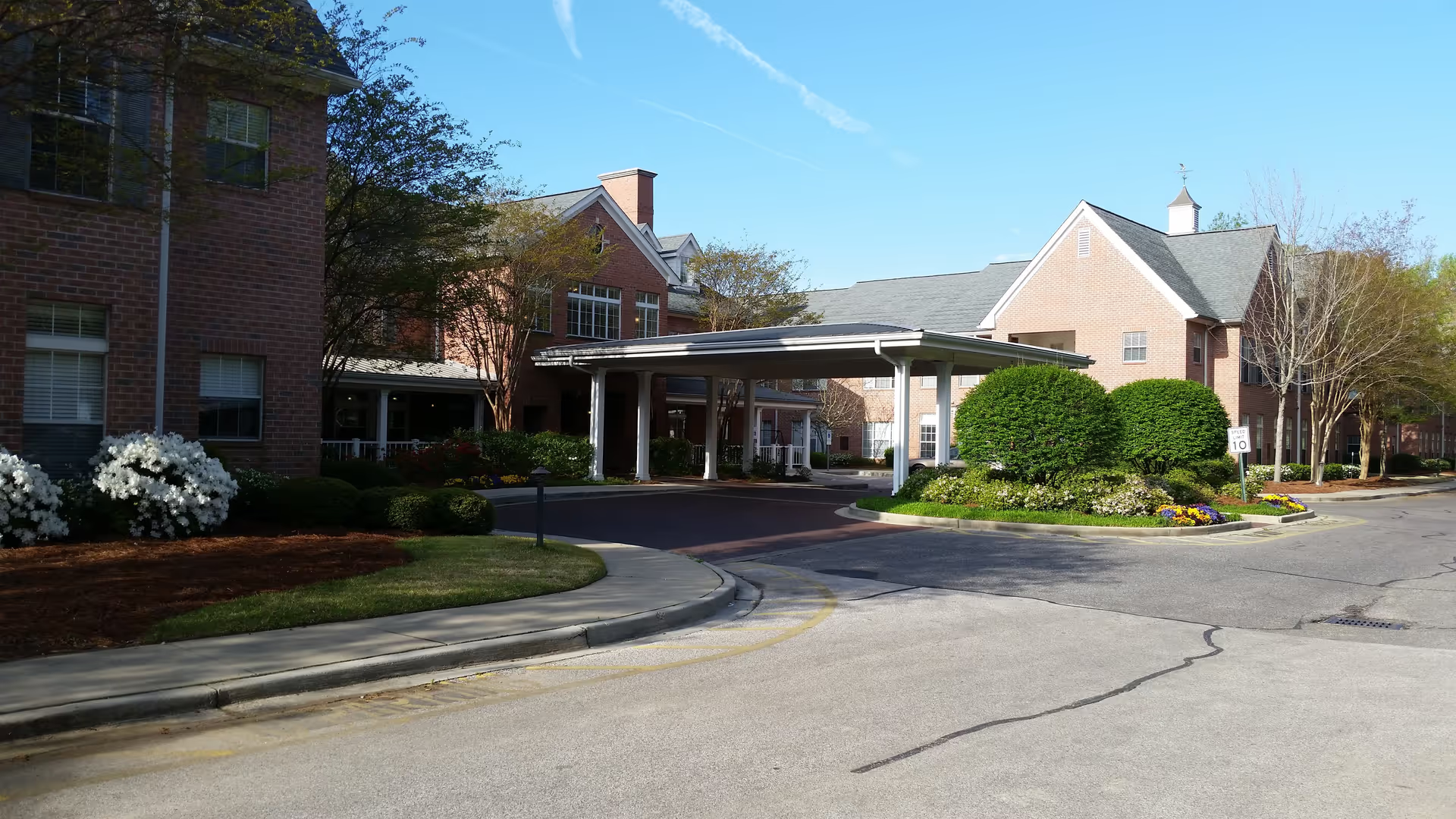
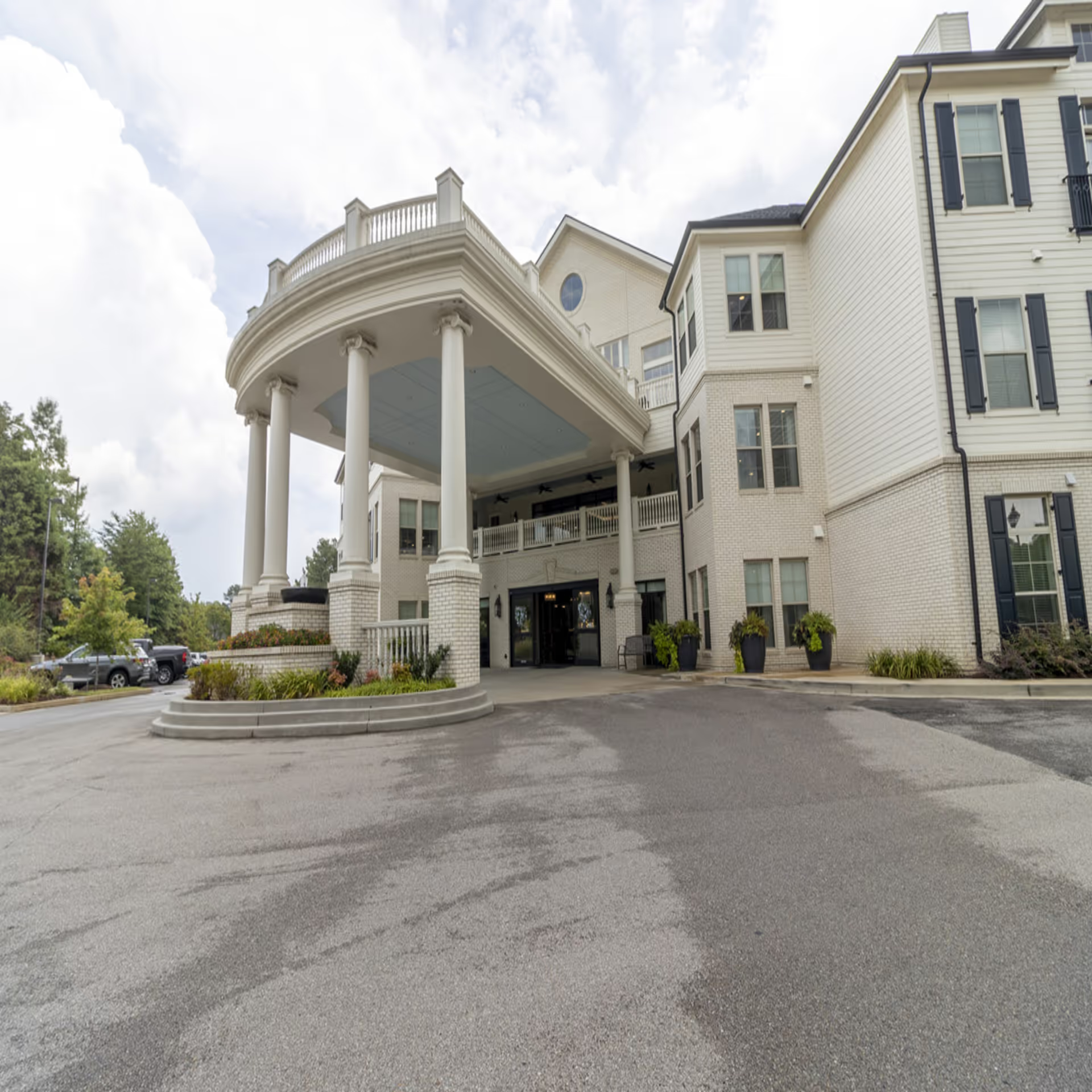
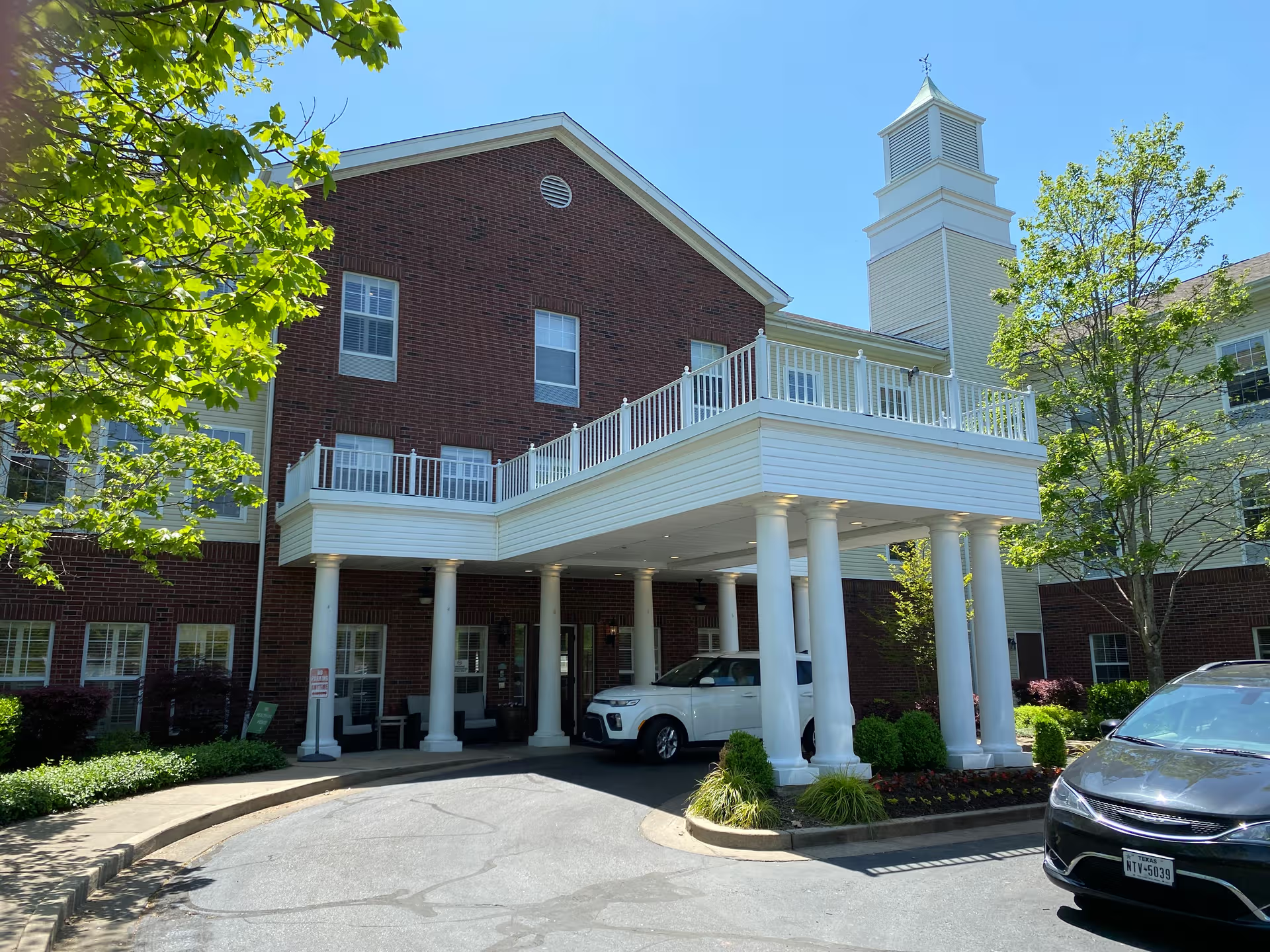
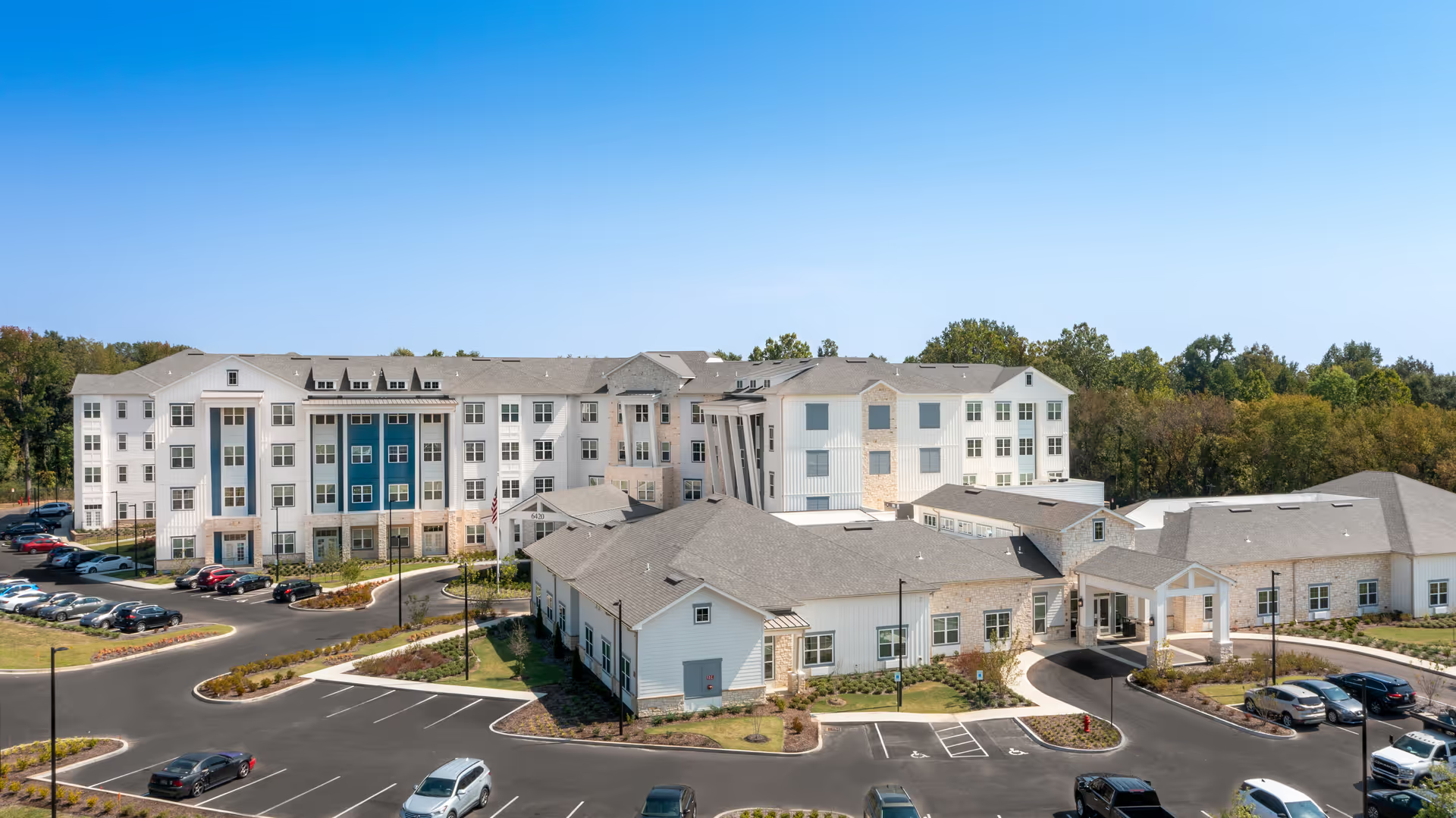
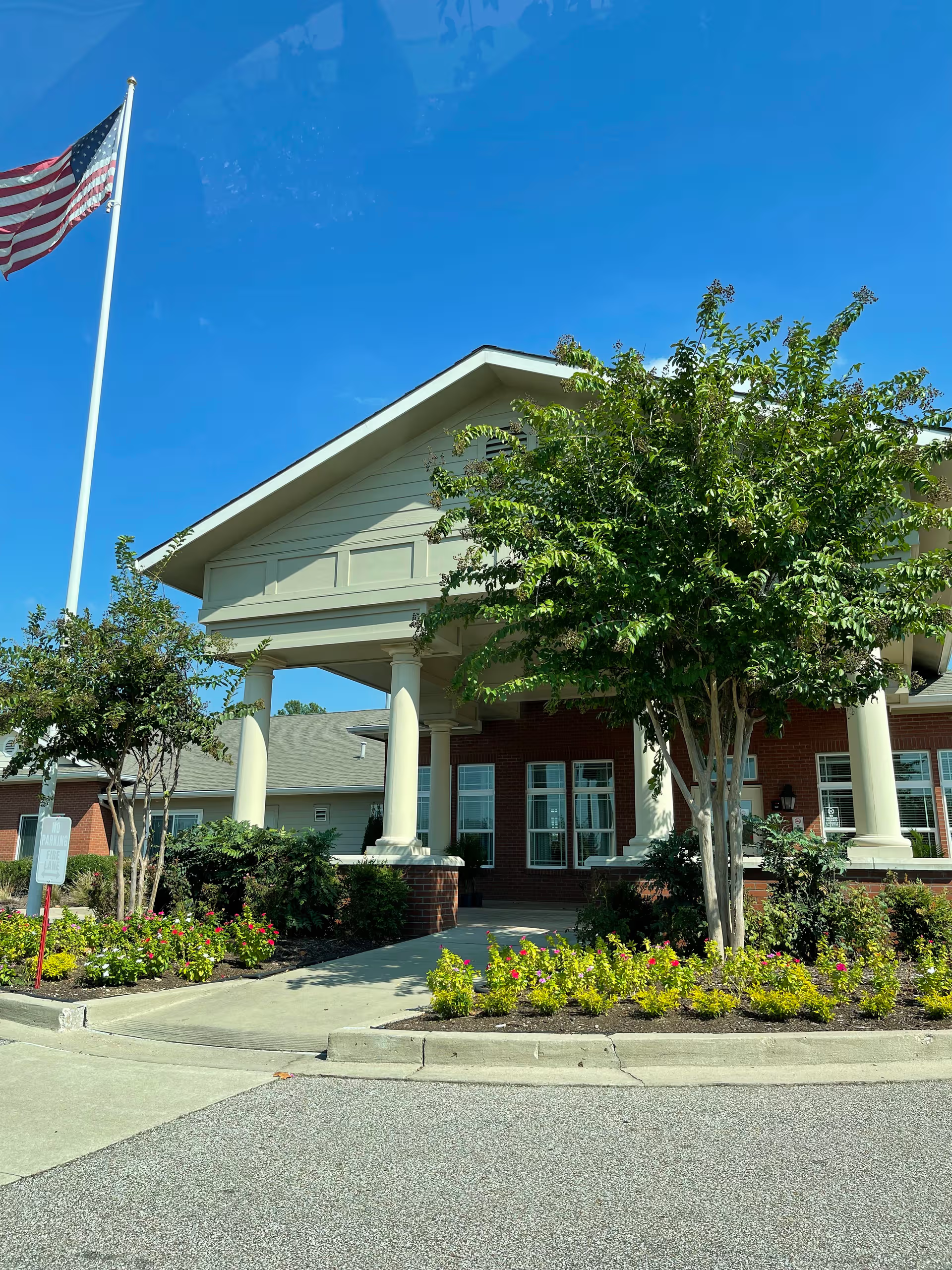
Facility maintenance and housekeeping earn mixed feedback. Several reviews describe clean, odor-free rooms and an overall pleasant appearance; others cite sanitation or pest-control concerns in certain rooms and instances of trash left on the floor. Relatedly, some reviewers reported problems with personal-property management (unexpected items found in rooms, concerns about missing belongings), which points to a need for clearer inventory and security protocols for resident possessions.
Communication and administrative coordination are another theme. Multiple families complimented responsive administration and positive changes under new leadership, but others reported abrupt discharge processes, limited follow-up communication during critical events, and difficulty obtaining timely information. These contrasting descriptions suggest the facility may be improving management practices while still having gaps in discharge planning and critical-incident communication.
Dining and nutrition are not a dominant theme in the feedback provided; one reviewer noted improved eating and appetite after therapy interventions. Activities and social programming receive positive mention — singing, inspirational programming, and a generally upbeat atmosphere were noted as beneficial to residents’ mood and engagement.
Overall, the pattern is one of strong therapeutic and relational strengths counterbalanced by operational inconsistencies in monitoring, housekeeping, property management, and critical-event communication. Prospective residents and families would benefit from an in-person visit, asking specific questions about emergency-response protocols, pest-control and housekeeping schedules, property/inventory procedures, and discharge planning to confirm current practices and improvements under facility leadership.