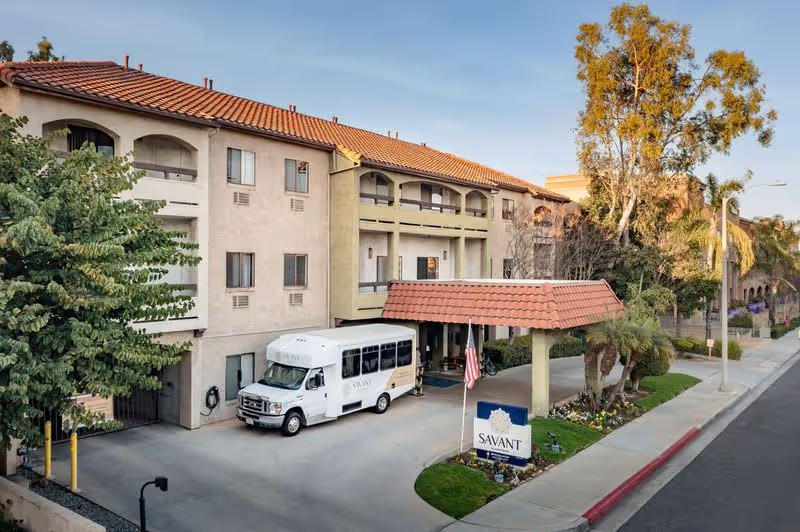
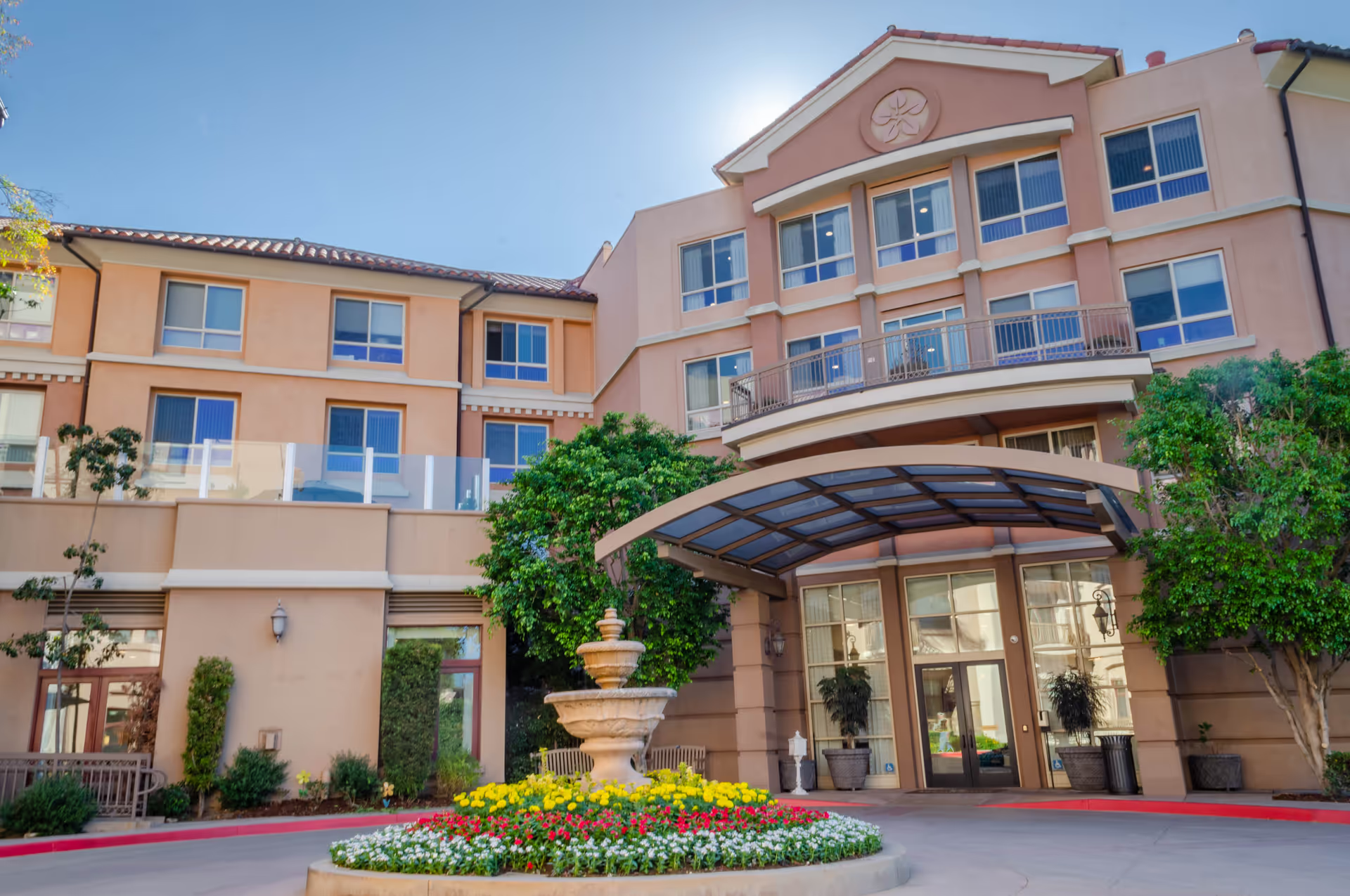
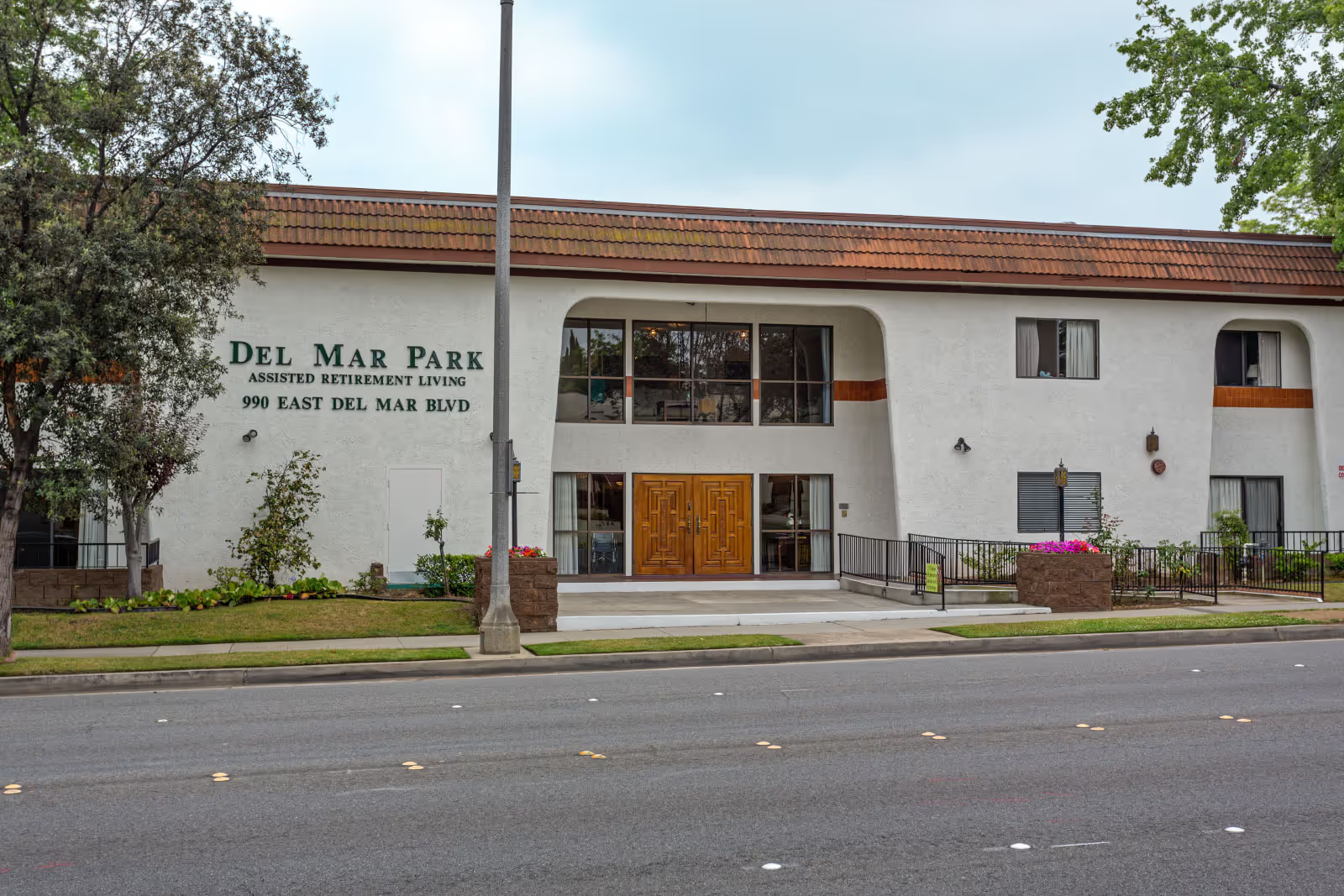
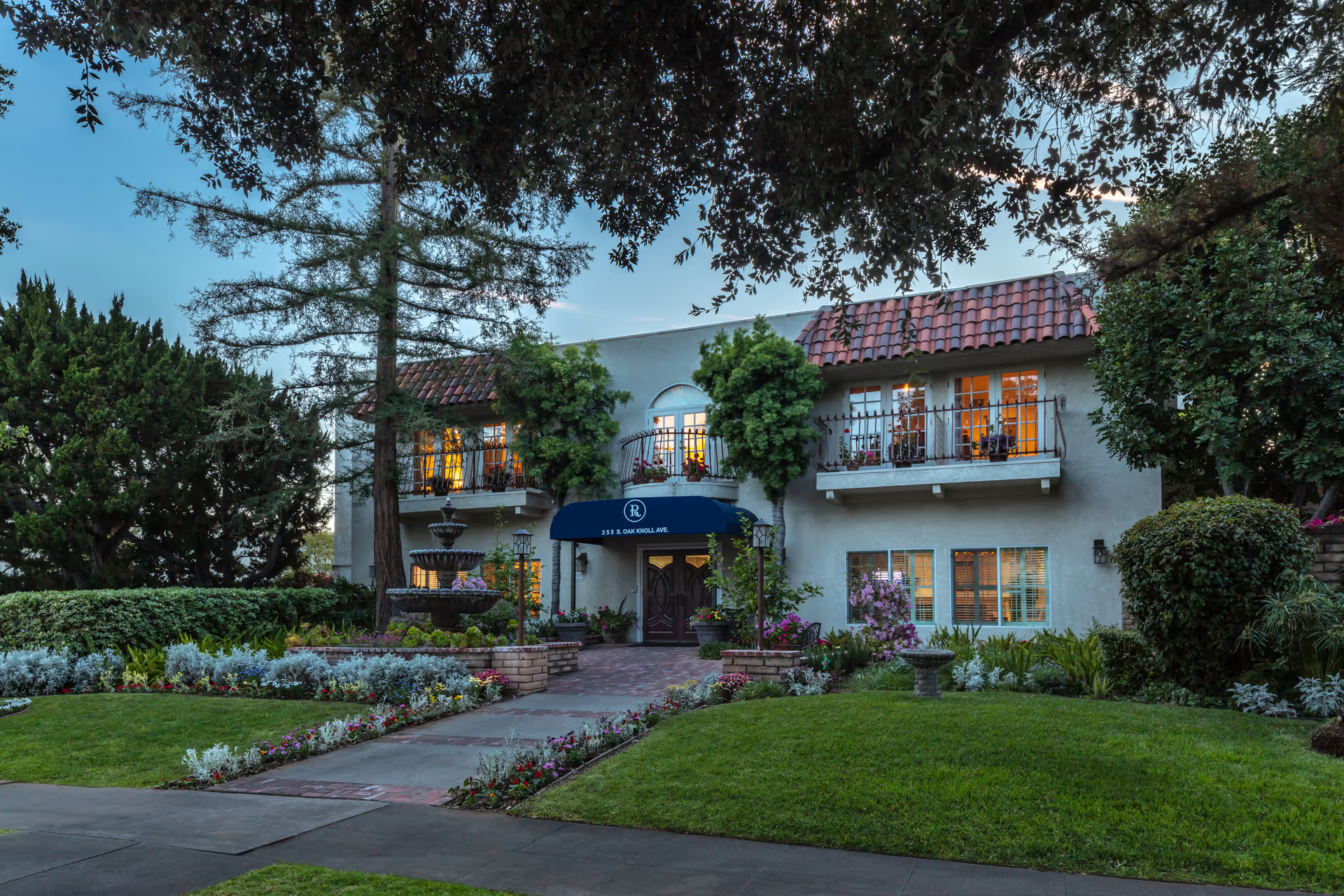
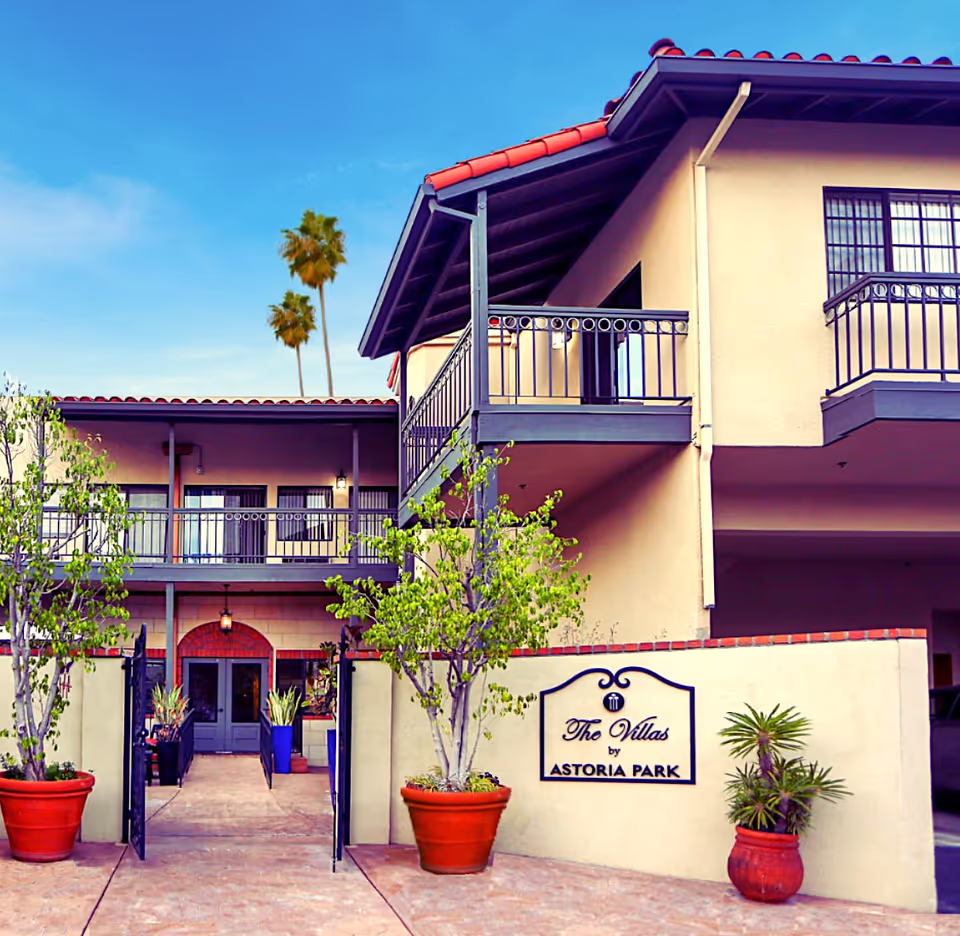
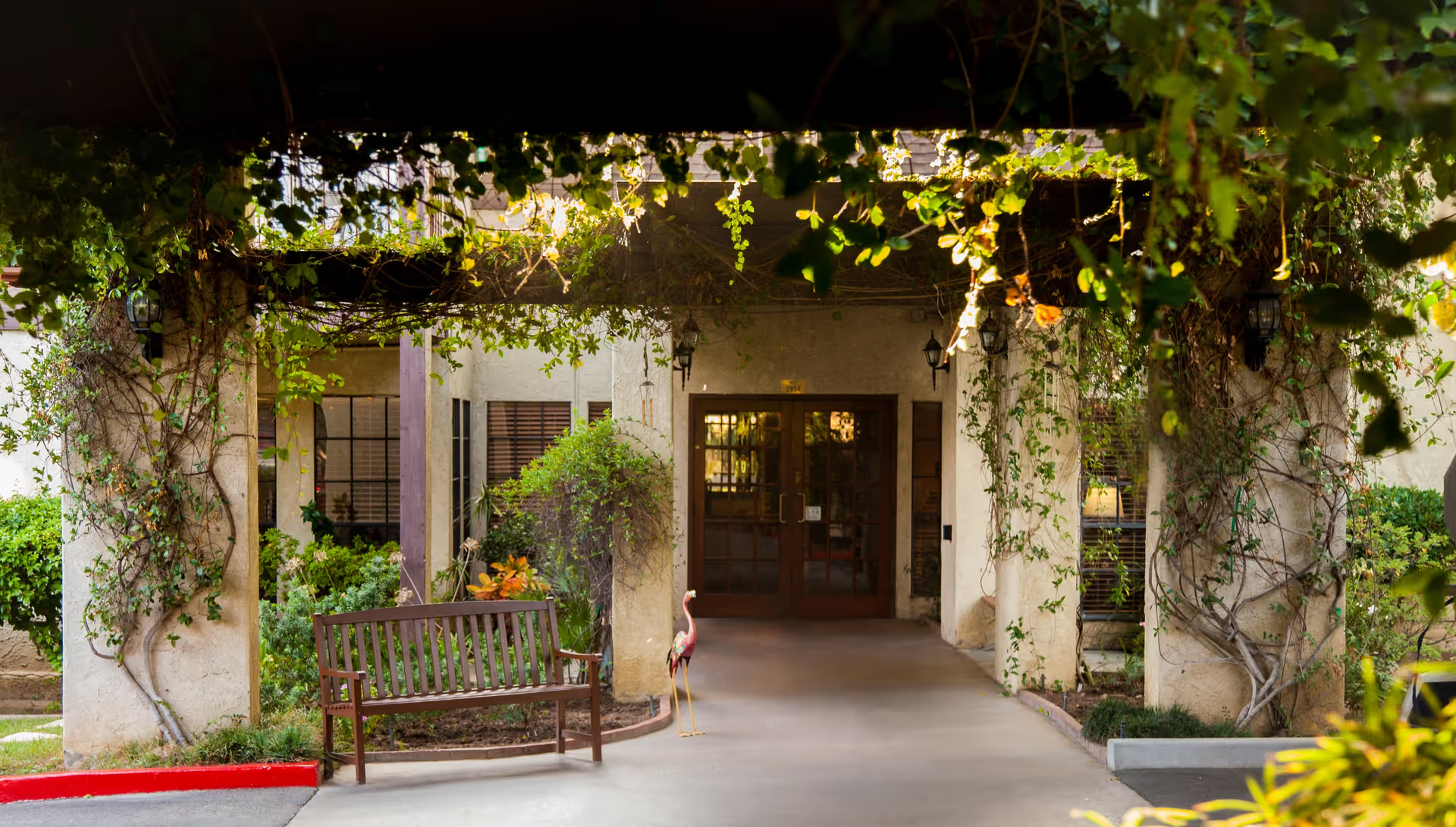
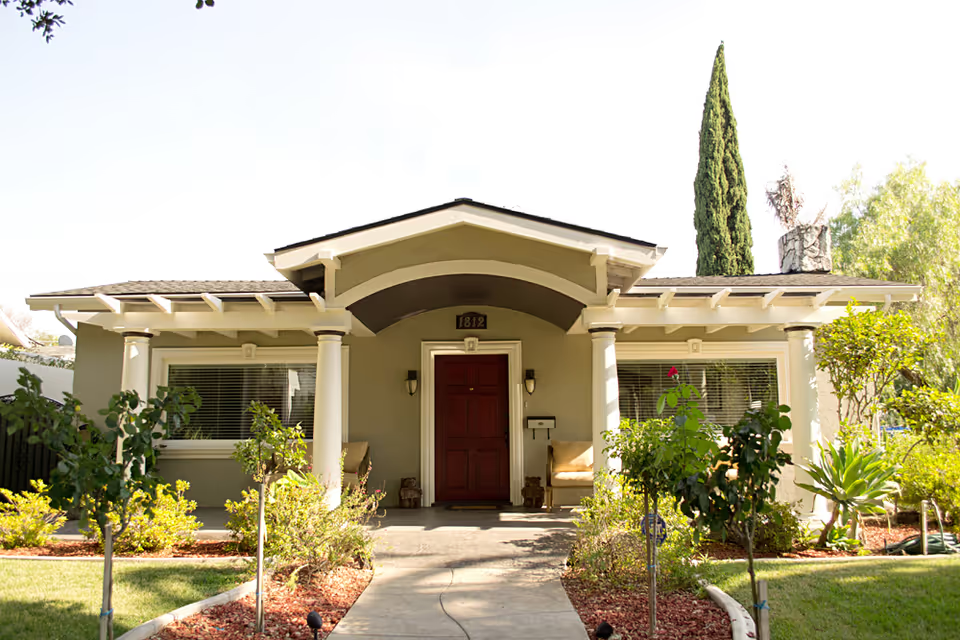
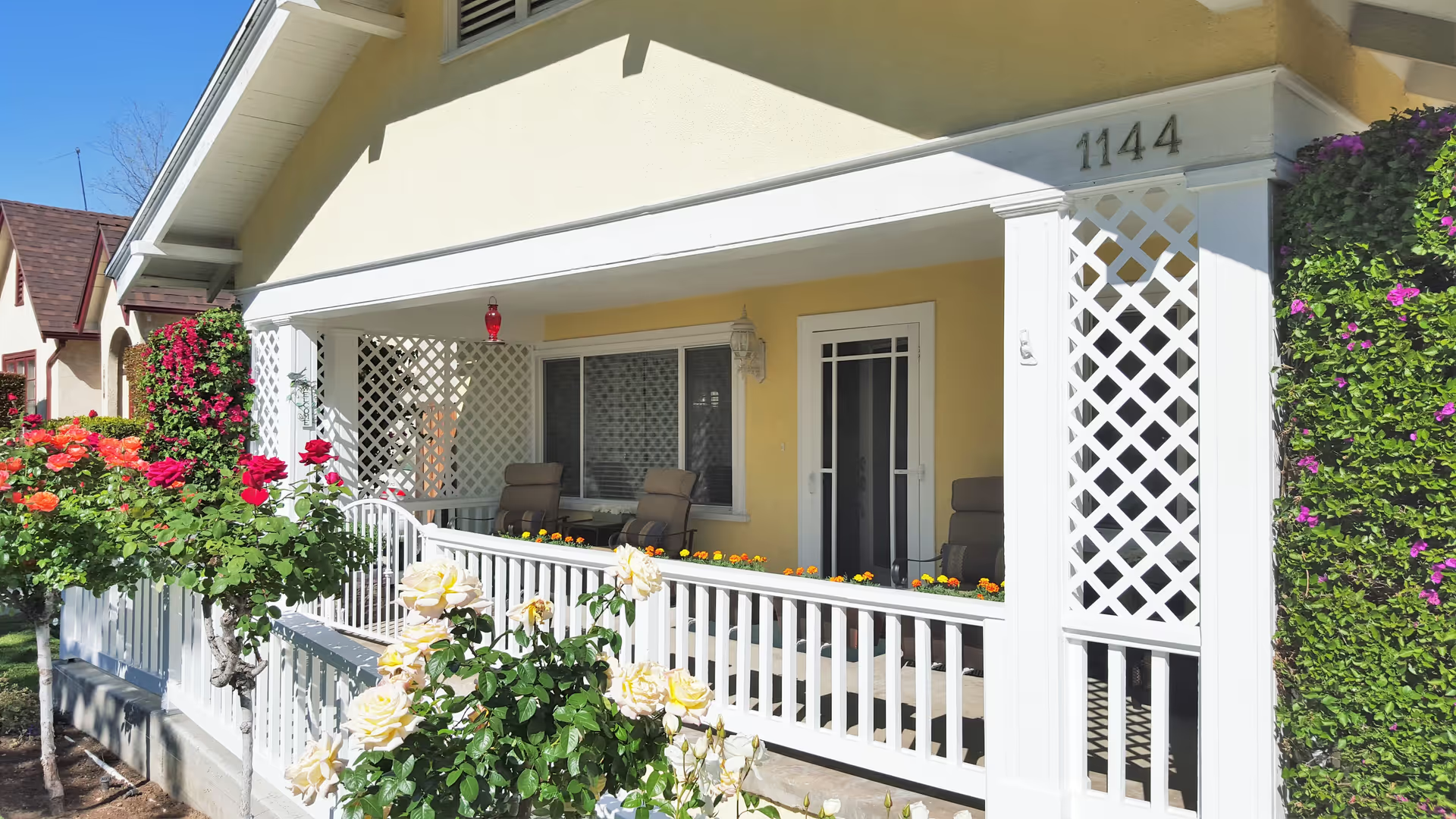
Silverado Huntington is consistently described as a small, home-like memory-care community with strengths in clinical coverage and a family-style atmosphere. Reviewers commonly note 24-hour care with onsite nursing and medical oversight, attentive caregivers trained in dementia care, and strong leadership that fosters clear family communication. The facility’s small 25-bed size, secure perimeter, pleasant landscaping, and accessible walking paths contribute to a calm environment for residents who require protection from wandering. Many families praised cleanliness, tasteful décor, furnished rooms or the ability to bring personal furniture, and a generally homelike presentation.
Care quality and staff interactions are frequently highlighted as the facility’s primary strengths. Descriptions emphasize compassionate, dementia-trained caregivers, individualized attention, prompt assistance in many situations, and staff who build warm relationships with residents. Several reviewers named nursing and administrative staff positively for their responsiveness and guidance during transitions and crises. At the same time, accounts indicate variability in staff professionalism and responsiveness; while many families experienced attentive care, others noted occasional unprofessional conduct or lapses in personal-care follow-through.
Dining and meal service elicit mixed feedback. The dining rooms and food presentation are often described as pleasant, with meals included in the base cost and some customizable options. Positive notes include appealing smells, live music at meals, and engaged dining staff. However, there are recurring operational concerns: limited entrée choices, menu repetition, a carbohydrate-heavy emphasis, inconsistent availability of substitutions, and intermittent hydration management (for example, missing water glasses). These patterns suggest opportunities to increase menu variety, ensure consistent beverage service, and strengthen dining continuity.
Activities are offered across a range of cognitive and social levels — exercise classes, music, art, games, movies, and planned outings — and many families found these engaging and appropriate. Yet some reviewers felt activity value was lower than advertised or that the social emphasis did not suit more introverted residents. There are also observations that individualized, stage-appropriate memory therapies were not always visible in daily programming, indicating uneven implementation of specialized memory-care modalities.
Facility and safety observations are likewise mixed. The building and grounds are generally described as well-maintained, clean, and tastefully restored, creating a non-hospital, homelike setting. At the operational level, reviewers raised concerns about supervision and monitoring during busy periods or following expansion, with staffing shortages noted on weekends. These staffing patterns were linked to supervision gaps and occasional safety incidents in communal areas; abstracted operational issues include inconsistent supervision protocols and dining-area behavioral management. Room size and layout are another recurring concern: many units are small with limited storage and twin beds, which can feel cramped for residents and families expecting larger accommodations.
Management and value considerations center on cost and consistency. Silverado Huntington is widely regarded as a premium-priced memory care option; several families judged the cost justified by the quality of staff and environment, while others felt price increases outpaced perceived service levels. Additional operational items include occasional front-desk or administrative availability gaps and variability in how consistently memory-care programming and nonpharmacologic alternatives are applied. Notably, some families raised concerns about reliance on pharmacologic approaches for behavioral symptoms and a need for more visible alternative therapies.
In summary, Silverado Huntington presents a strong clinical and relational model for memory care: attentive, dementia-trained staff, centralized clinical oversight, a secure small-community environment, and well-kept facilities. Prospective families should balance these strengths against recurring operational themes: staffing consistency (weekends and periods of growth), supervision/monitoring protocols in communal settings, dining variety and hydration practices, room size limitations, cost, and the degree to which individualized memory-care therapies are consistently delivered. Those prioritizing a small, staff-focused, homelike memory-care setting may find Silverado Huntington well aligned with their needs, while families for whom room size, meal variety, or predictable staffing are critical should probe these areas during tours and contract discussions.