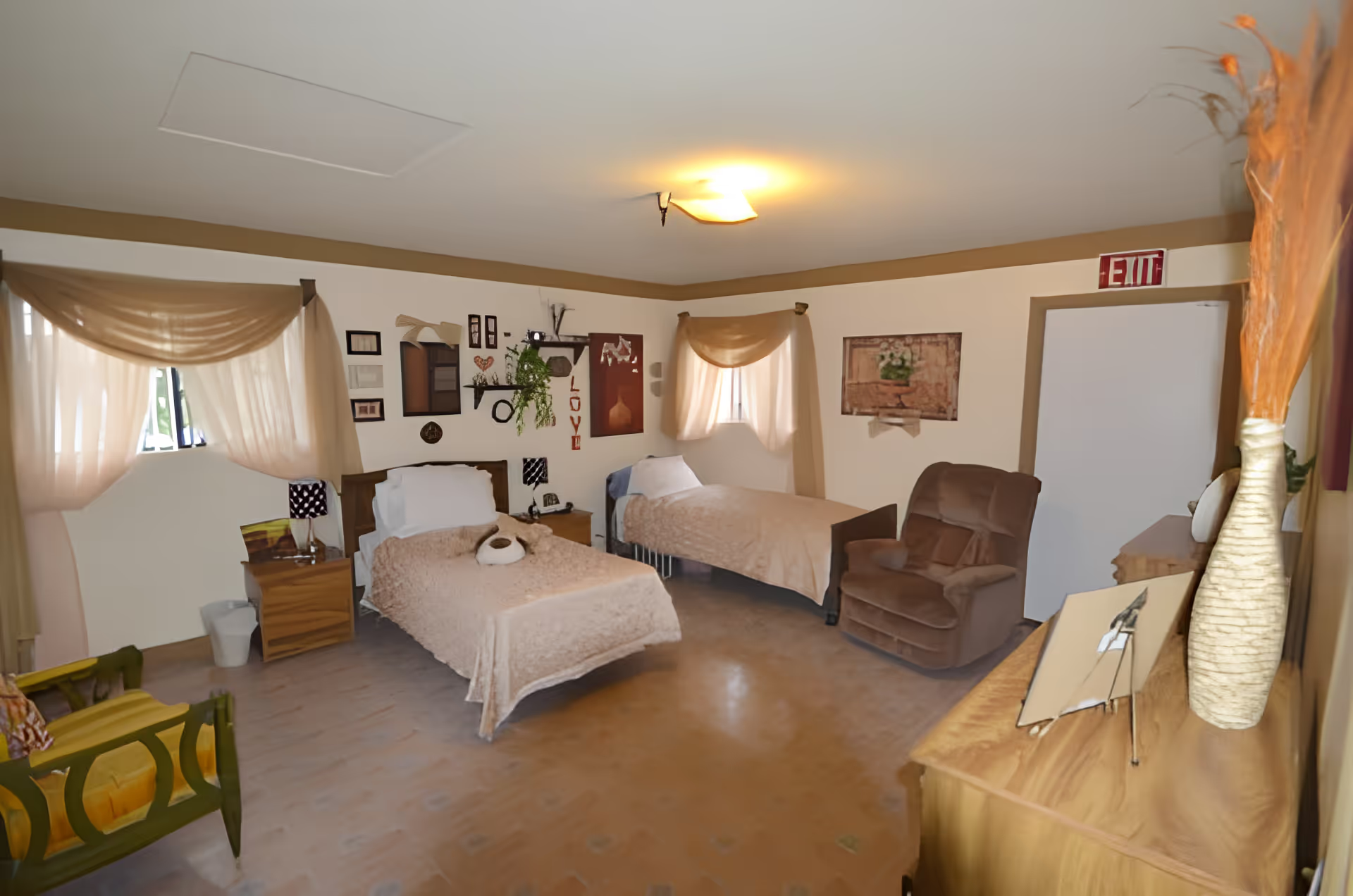
El Molino Rose Villa presents as a small, home-like memory-care board and care with a clear emphasis on individualized attention and dementia-focused services. The facility's small census (maximum six residents) and high staff-to-resident ratio are repeated strengths: reviewers describe one-on-one attention, personalized care plans, and staff who are attentive, compassionate, and well organized. Management is depicted as hands-on and involved, providing regular health updates and working closely with families. The program also highlights specific memory-care practices such as sundowning support and cognitive engagement efforts.
Staff quality and caregiving approach are consistent positive themes. Reviewers describe staff as passionate about working with residents who have diminished cognitive capacity and as providing dignified, respectful care. Families reported clinicians and caregivers who tailor daily routines and therapies to resident needs, offer encouragement for mobility or rehabilitation goals, and create a familial atmosphere. The owners are frequently described as engaged and accessible; however, there are occasional notes about the tone of communication from management that prospective families may wish to clarify during a tour.
Dining and activities are oriented toward personalization and engagement. Meals are frequently described as homemade with attention to individual nutritional needs; individualized meal plans and accommodations are strengths. The activity program includes varied daily options—live music, therapy dog visits, art opportunities, and regular walks to nearby parks—and reviewers credit staff with keeping residents engaged with the world. At the same time, there are comments about limited menu variety in practice and instances where residents with greater mobility limitations could not participate fully in activities; prospective families should ask about menu rotation and adaptive activity plans for less-mobile residents.
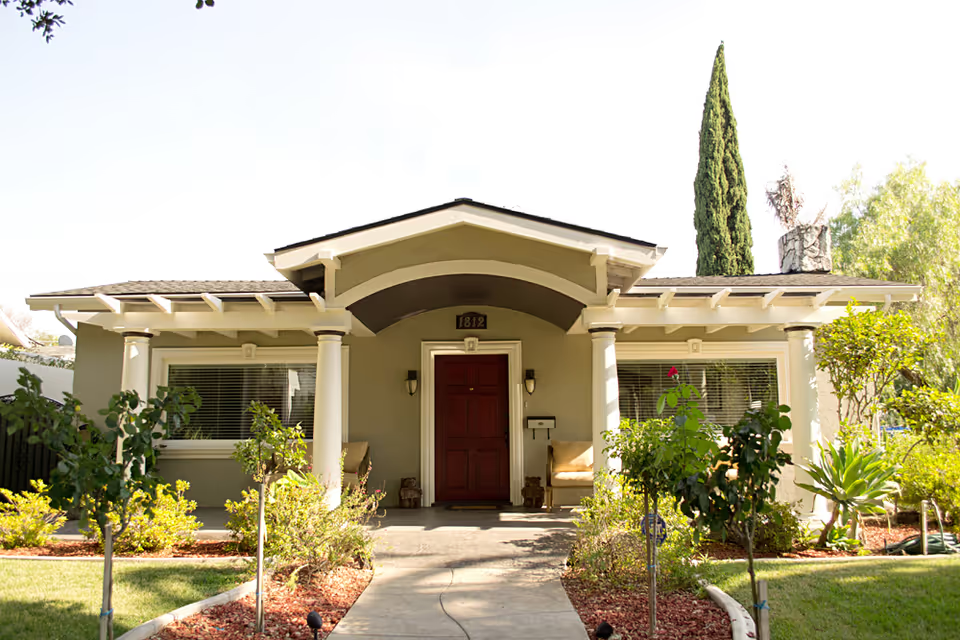
The physical environment is characterized as clean, well maintained, and domestic in scale: living rooms, a dining area, bedrooms, a patio and a manicured garden are all cited positively. Cleanliness and meticulous attention to detail are recurrent impressions. Offsetting these strengths are operational constraints tied to the facility's small size: several reviewers mentioned small or darker rooms and a single bathroom configuration, which can affect privacy, storage and convenience. Capacity is limited, and availability can be constrained. The setting may be less suitable for residents who require high-acuity medical care or end-of-life services.
In summary, El Molino Rose Villa is likely to be a strong match for families seeking an intimate, dementia-focused residential option with individualized care, engaged staff, and a homelike setting. Tradeoffs to consider include limited physical space, constrained bathroom facilities, menu variety, potential accessibility limits for higher-dependency residents, and a higher cost relative to larger facilities. Prospective residents and families should tour the home, review bathing and activity schedules, ask about menu rotations and mobility/therapy supports, and confirm current availability and pricing to ensure the setting aligns with clinical needs and expectations.