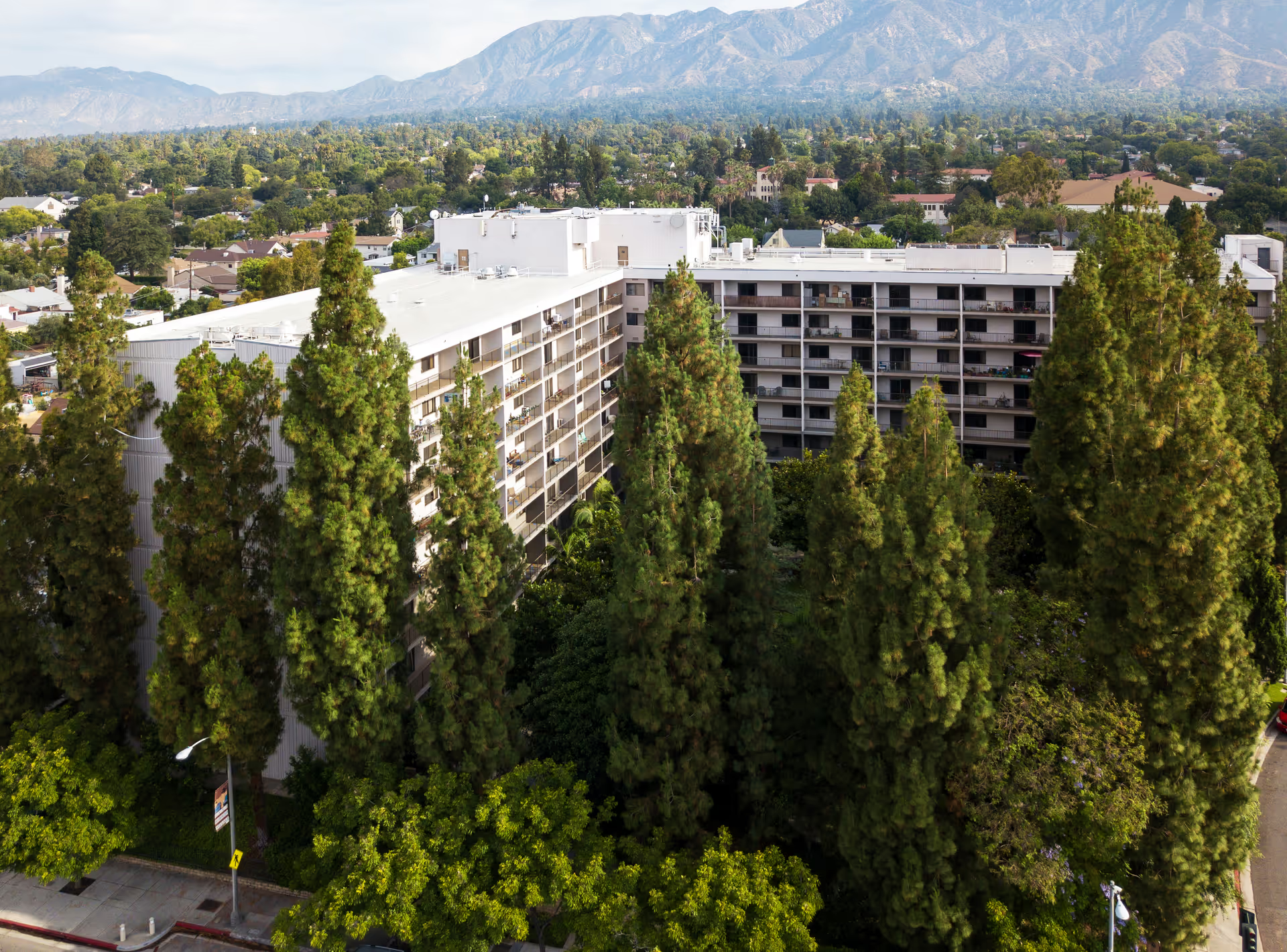
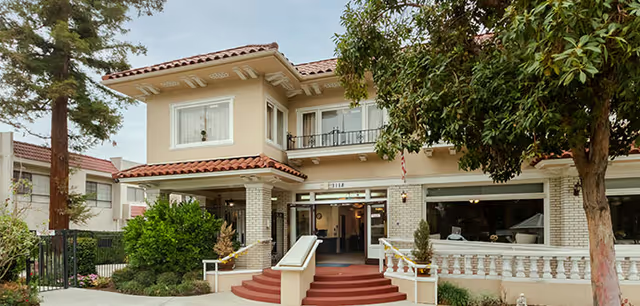
Overall impression Regency Park Oak Knoll is consistently described as a well‑maintained, memory‑care–specialized community with an emphasis on social engagement, safety, and a home‑like atmosphere. Families and visitors regularly note courteous, familiar interactions between staff and residents, extensive activity programming, and chef‑driven dining in a secure, gated setting. The property’s landscaping, courtyards, and apartment‑style units contribute to a hotel‑like, comfortable environment that many families find reassuring.
Care and staffing The facility’s caregiving staff are widely characterized as compassionate, patient, and familiar with residents’ preferences; many staff members are long‑tenured. Communication with families is reported as proactive and supportive, including assistance during transitions from home care. The community’s emphasis on memory care is evident in safety measures, programming, and the locked unit design. That said, feedback indicates a facility model that leans toward caregiver‑level support; families should clarify clinical‑staffing levels and 24‑hour nursing availability if higher clinical needs are anticipated. There are occasional perceptions of inconsistent responsiveness or variability in care intensity, which prospective families may want to explore during a tour and in staffing/shift‑coverage documentation.
Dining and daily life Dining is repeatedly highlighted as a strength: meals are prepared under experienced culinary oversight, described as nutritious and well presented, with two dining rooms and portioning tailored to residents’ needs. The community offers a broad daily schedule including arts and crafts, music (often live), exercise classes adapted to ability, animal therapy, day trips, and routine outings (shopping, scenic drives, museum visits). These offerings support socialization and activity for residents at early to moderate stages of memory impairment, and families describe measurable improvements in engagement and mood for many residents.
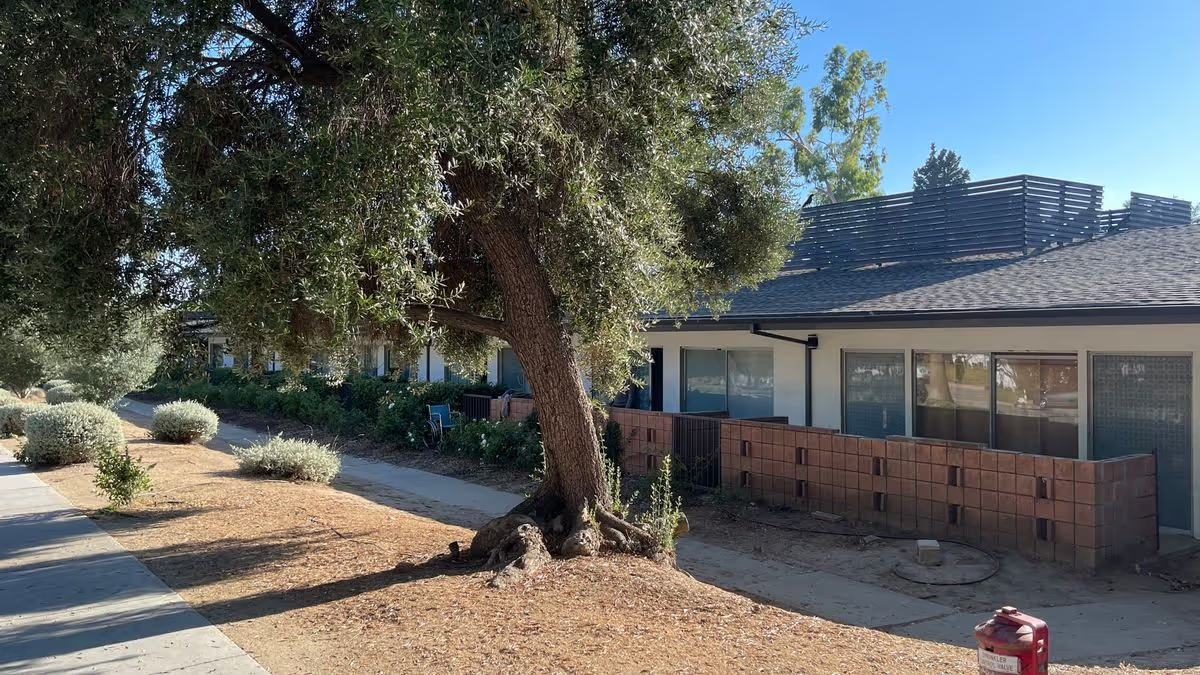
Facilities and amenities The campus is noted for clean common areas, attractive courtyards (including a fountain and performance areas), and private apartment layouts with patios and storage. Recent interior refreshes are referenced in places, though unit‑level finish quality varies; some rooms are updated while others are described as dated or in need of additional finishing touches. The secured memory‑care design, while providing safety, includes entry/exit control protocols that can introduce delays when redirecting residents; families should ask for specifics about those protocols during visits. There are also practical limitations to consider such as parking and campus accessibility.
Management and notable patterns Management and activity staff are frequently described as engaging and responsive, with follow‑up contact and family support programming noted as positive elements. Strong patterns in feedback include high satisfaction with the social environment and staff engagement, balanced against recurring concerns about cost and fit: the monthly rates are viewed as high relative to some alternatives, and the community’s memory‑care–only model means it may not provide assisted‑living‑style amenities (for example, kitchenettes or multi‑person rooms). Privacy concerns related to non‑transparent monitoring practices and the potential for mismatch with residents who have advanced behavioral or high‑acuity medical needs appear repeatedly enough that prospective families should raise these topics explicitly during a tour.
Bottom line Regency Park Oak Knoll presents as a warm, activity‑rich memory care community with well‑rated dining, long‑serving staff, and attractive outdoor spaces. It is well suited to residents who will benefit from structured memory‑care programming, frequent social engagement, and a secure courtyard campus. Prospective residents and families should confirm clinical staffing levels, the specifics of monitoring and door‑control protocols, unit finish options, and financial fit to ensure the community aligns with the resident’s clinical needs and budget.