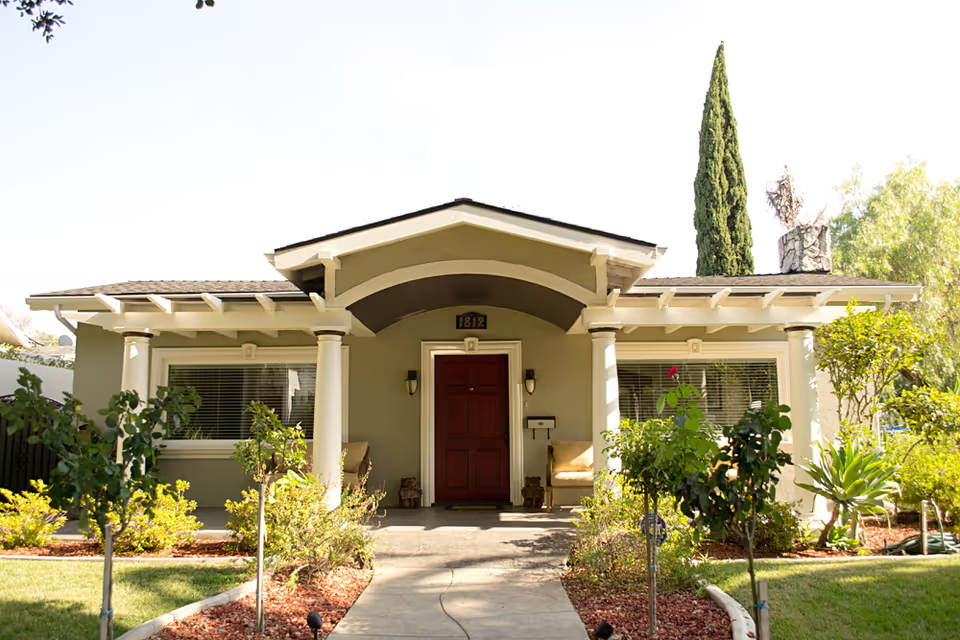
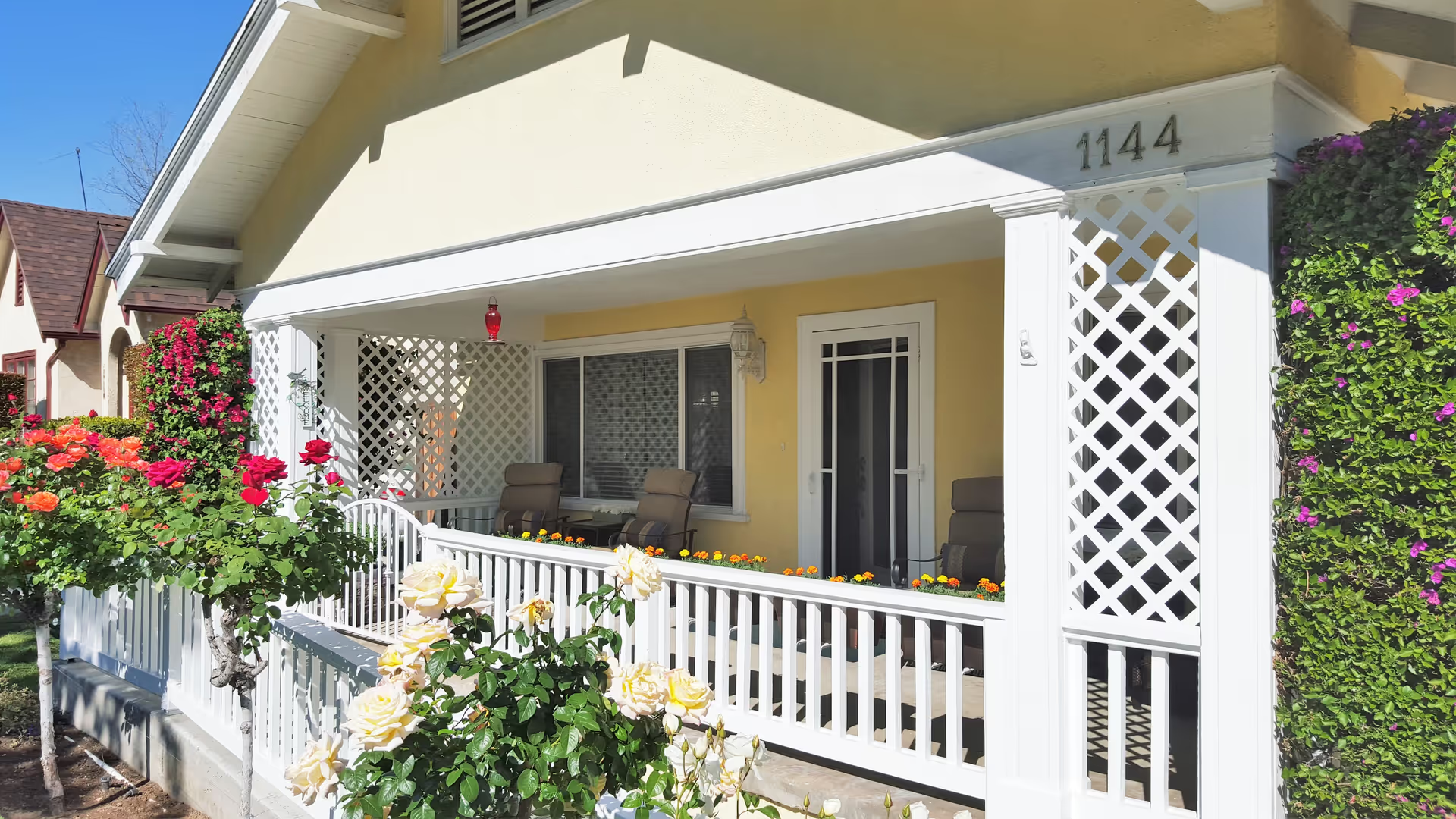
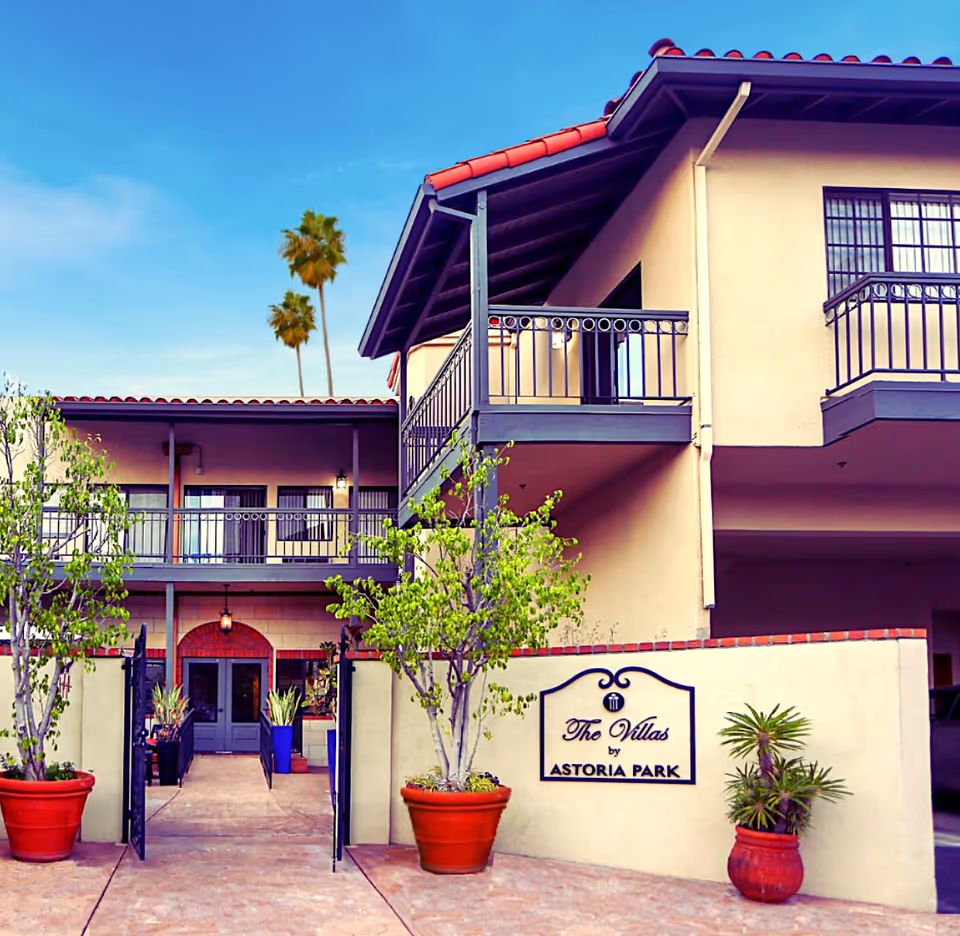
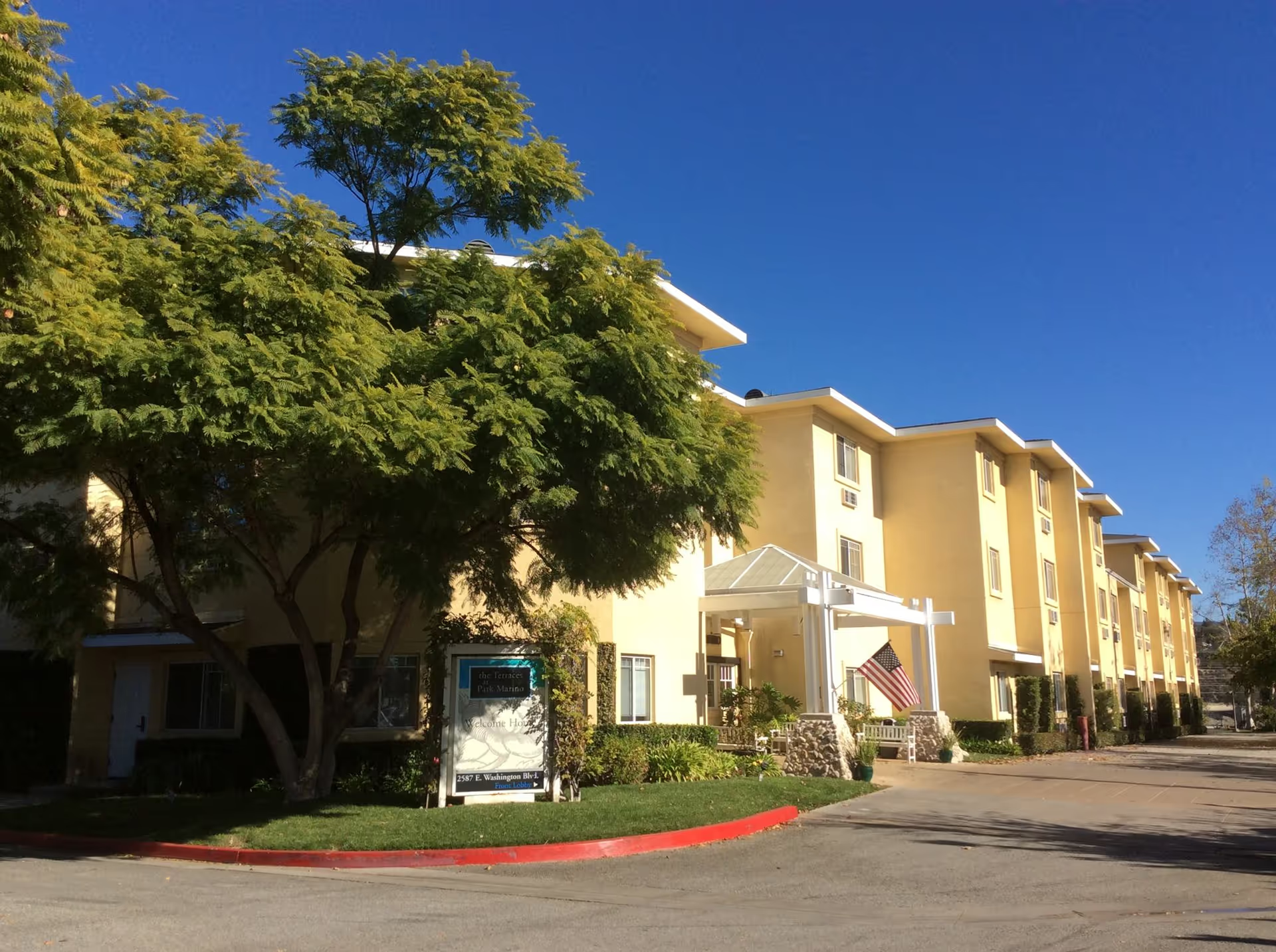
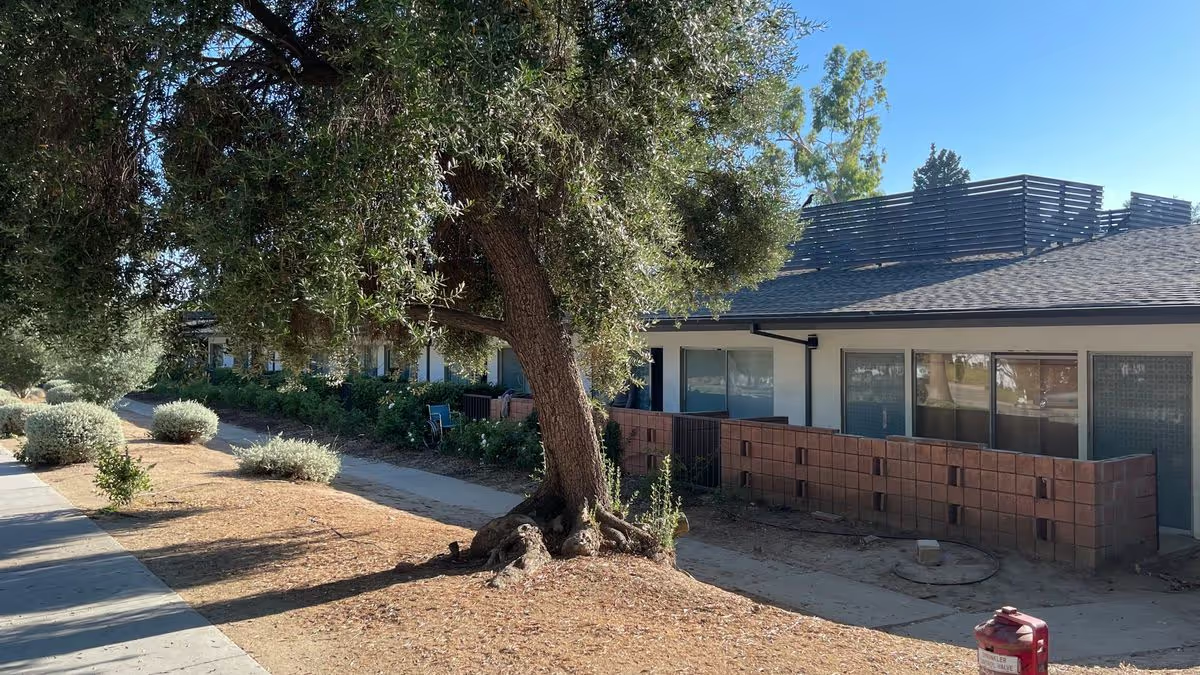
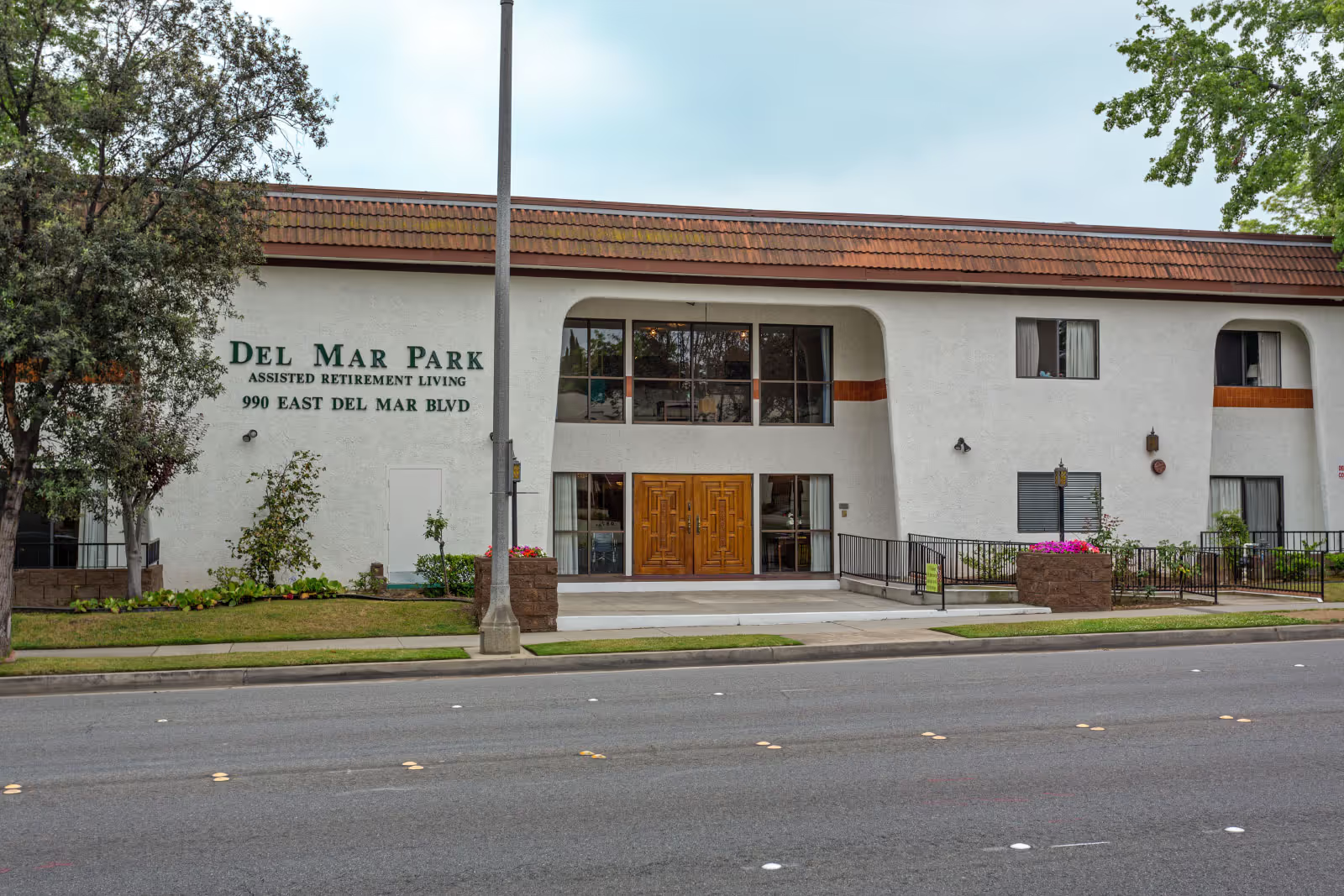
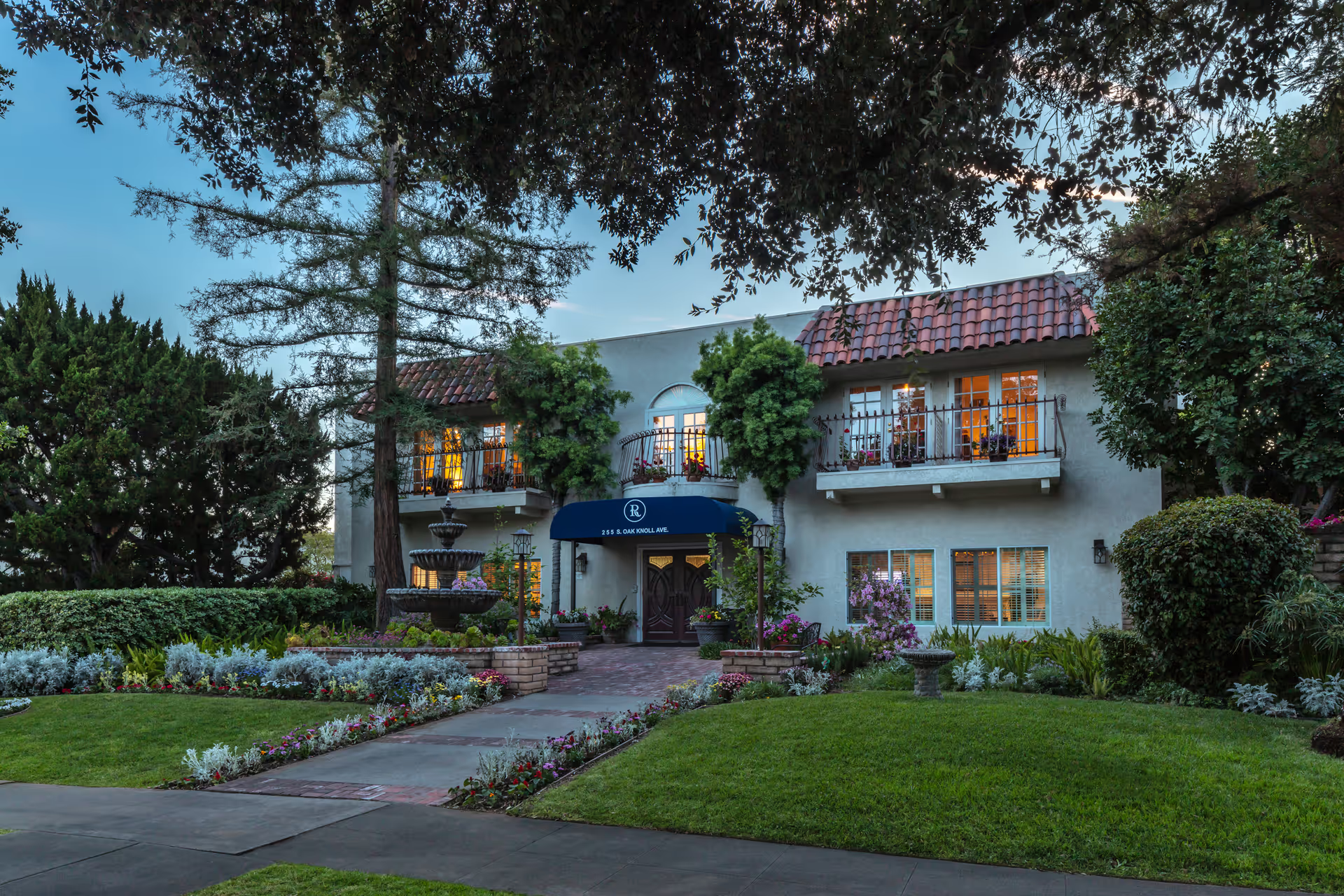
Pasadena Highlands presents as a large, well-appointed senior living community with a strong emphasis on social engagement, attractive outdoor space, and hands-on caregiving. Across reviews the facility’s landscaped grounds, resident-tended gardens, outdoor walking paths, and views are repeatedly praised; these features support frequent outings, gardening clubs, and passive recreation. The campus offers a range of apartment types with private balconies, abundant natural light in many units, and a restaurant-style dining room that contributes to a sociable, assisted-living atmosphere.
Staff and direct care are among the facility’s primary strengths. Many families and residents describe caregivers, med techs, and nurses as attentive, compassionate, and knowledgeable, and several accounts highlight reliable medication administration, timely emergency coordination (including ambulance transport when needed), and effective care transitions. Leadership and certain clinical staff members are frequently singled out for strong advocacy, consistent communication, and after-hours availability. The community also provides in-house therapy (PT/OT), salon/barbershop services, and a continuity-of-care model that includes a memory-care neighborhood and hospice partnerships.
Dining and activities form a prominent part of daily life. The community runs an active calendar — arts and crafts, music, swing/jazz events, daily happy hour, exercise classes, and frequent field trips — that supports an engaged social environment. The dining program emphasizes restaurant-style meals, low-sodium options, and occasional room service (breakfast-in-room options), though reviewers give mixed feedback on food quality. While many residents praise the menu variety and presentation, others describe inconsistency in meal execution, cold dishes, slow service, and periods of understaffing in the dining room that lengthen meal times.
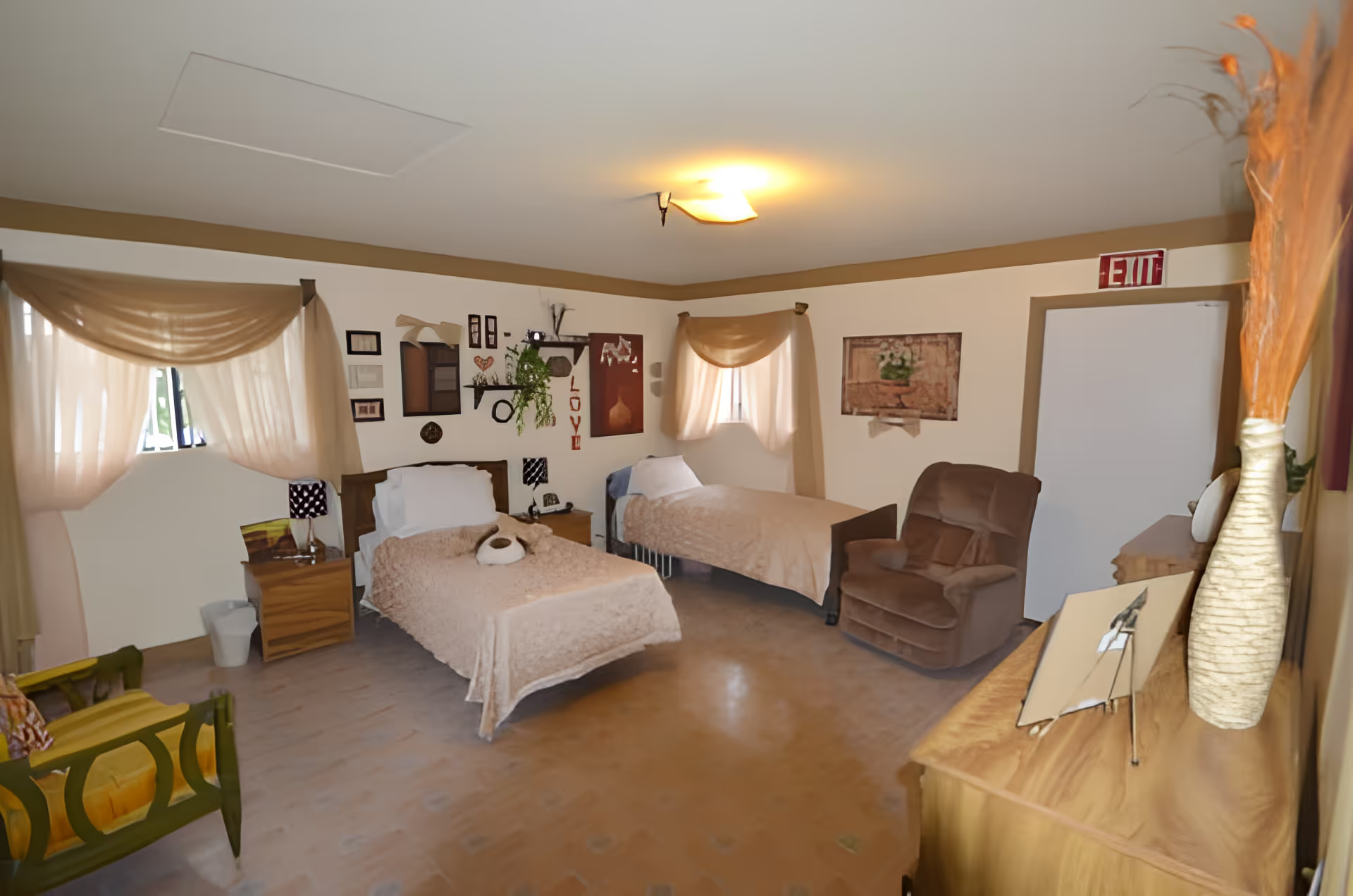
Facility characteristics and operations show a mix of updates and legacy issues. Public areas and recently renovated apartments are described as clean, bright, and upscale; however, older units retain a more institutional feel for some guests. The building’s size and vertical layout (eight stories) combined with limited elevator capacity produce recurrent wait times and circulation challenges. Exercise amenities are modest (small gym, no pool), and in-unit kitchens are typically compact (two-burner stovetop, small refrigerator), which suits many residents but limits independent cooking. Reviewers also raised sanitation and pest-control concerns in specific units and noted occasional maintenance delays for plumbing or repairs, which merit further inquiry during a tour.
Notable patterns for prospective residents and families: staffing levels and management consistency are variable themes. Many reviews describe exemplary, long-tenured staff and proactive leadership; others document turnover, service gaps, and operational frustrations (extra fees, mandatory meal requirements, and nickel-and-dime charges). A few serious individual accounts allege lapses in caregiving and cleanliness; these are significant and should be clarified with facility management and through current regulatory or inspection records prior to placement. For families prioritizing social programming, landscaped grounds, and attentive nursing support in an assisted-living or memory-care setting, Pasadena Highlands often rates highly. Families needing robust on-site skilled-nursing services, extensive in-unit culinary facilities, or consistently rapid response during high-acuity events should probe these areas during a visit and ask for current staffing ratios, elevator-management plans, dining staffing schedules, and documentation of pest-control and sanitation practices.