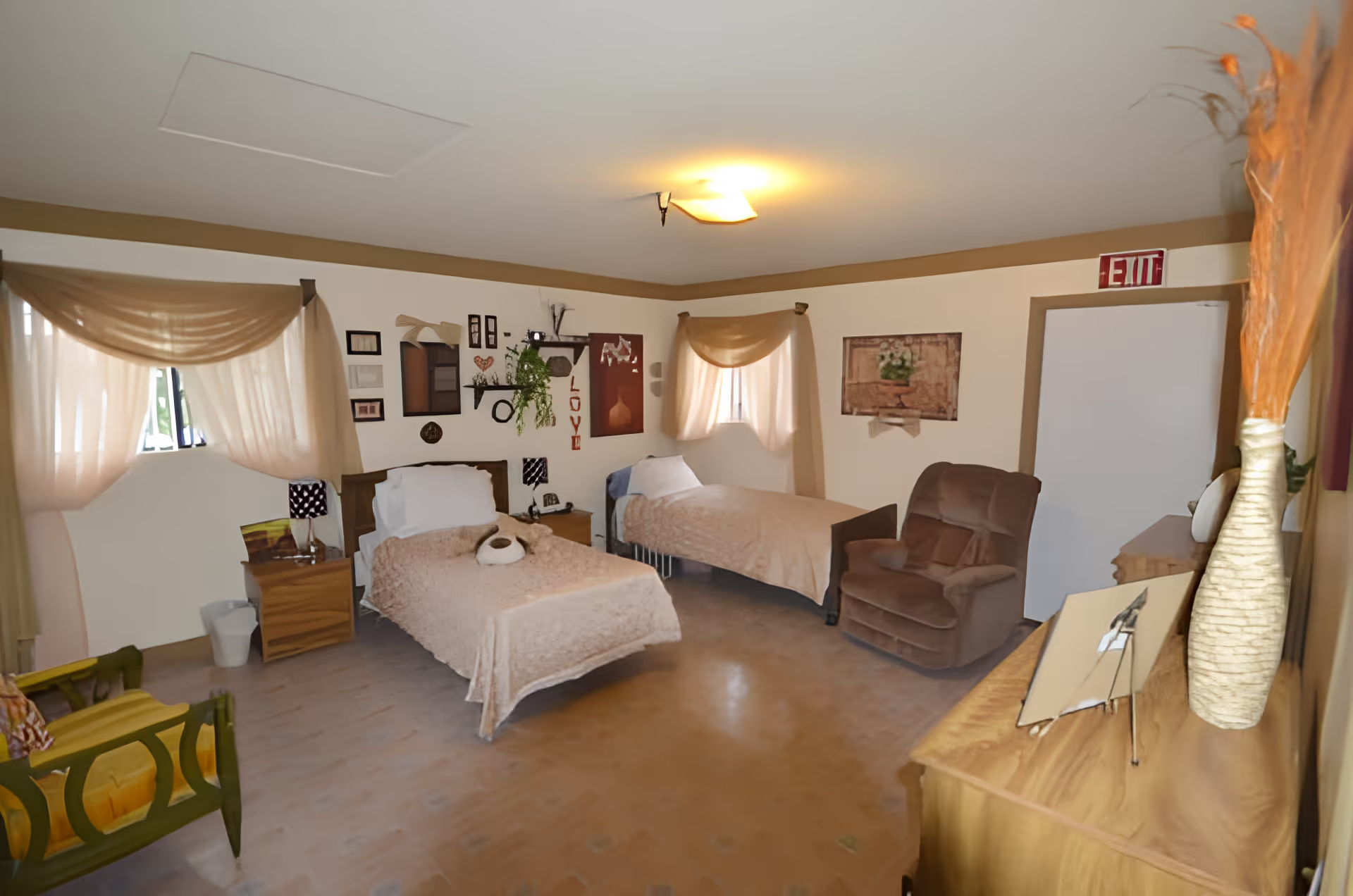
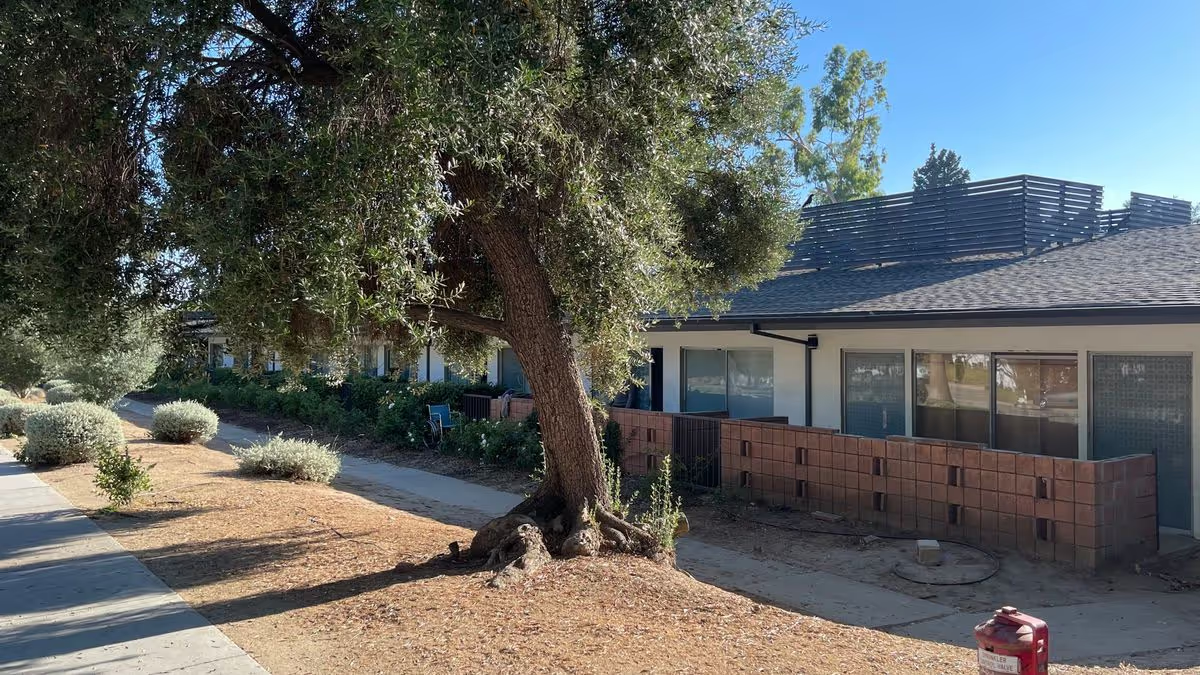
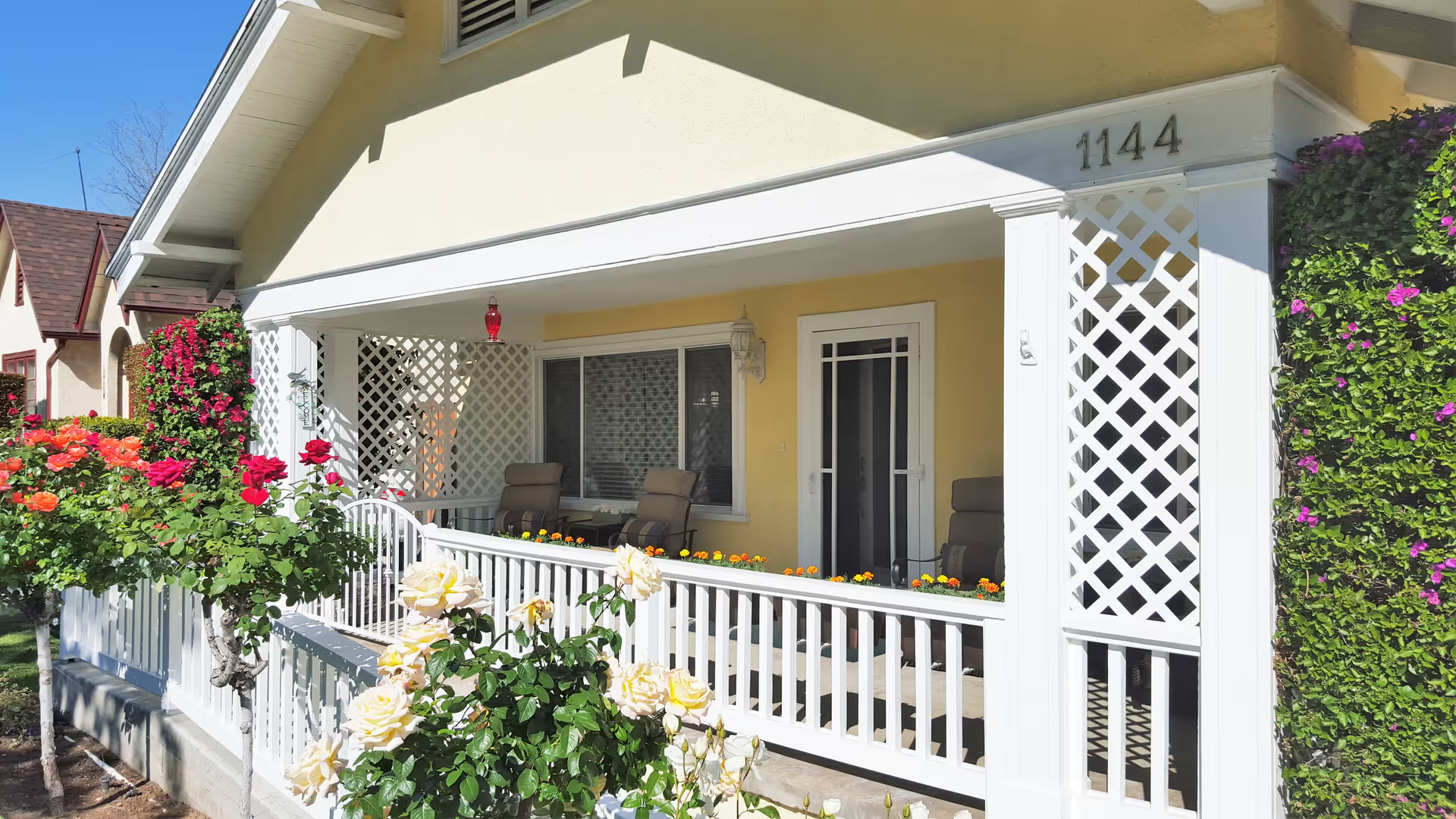
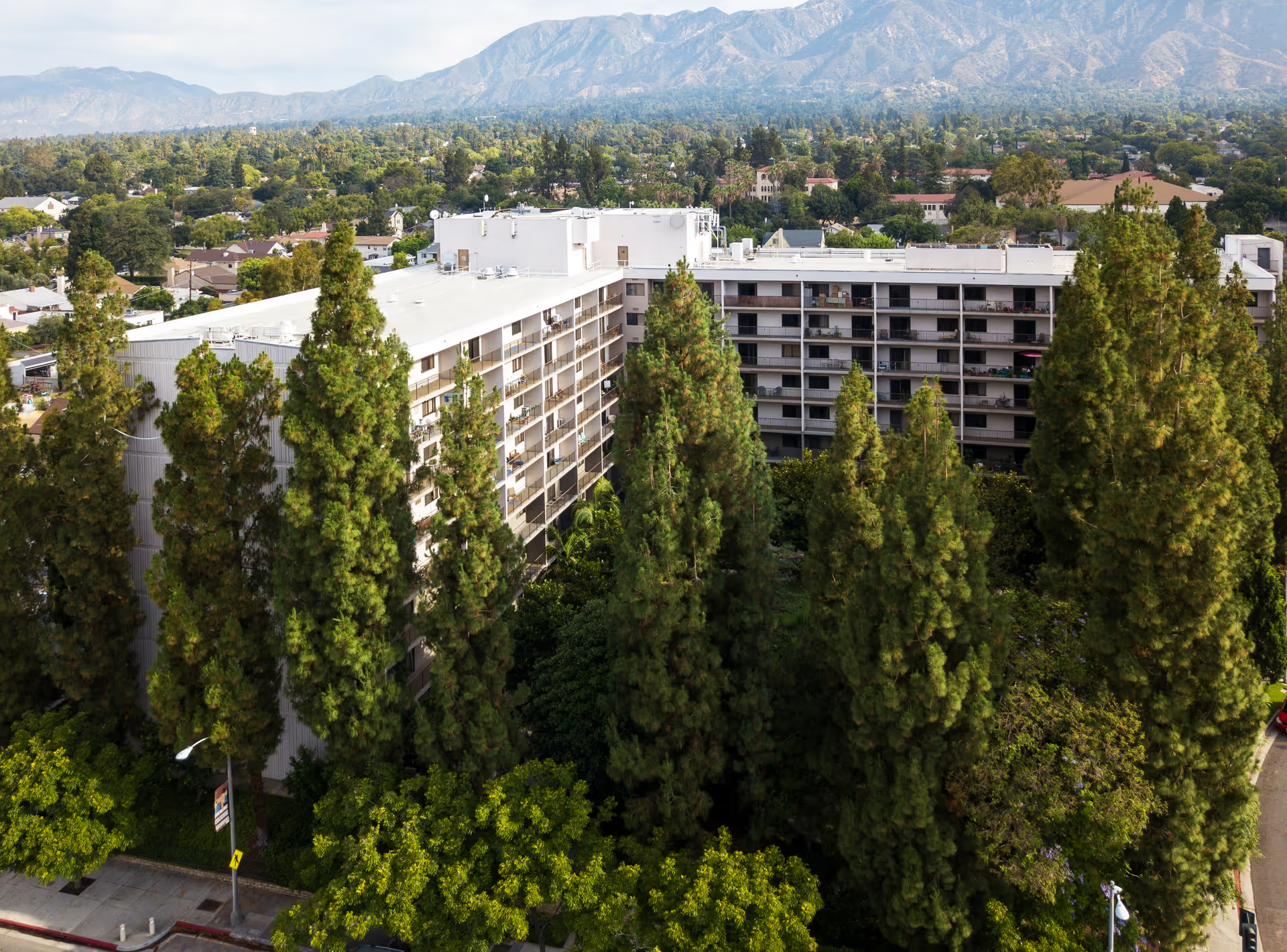
MonteCedro presents as an upscale, non-profit retirement campus with well-maintained grounds and interior spaces. The facility offers multiple dining venues and a continuum of care that includes independent living and memory-care options. Physical construction and building systems are cited positively (Type I, fire-resistant construction), and many reviewers describe a clean, organized, and safe environment. Social programming and communal activities — including lively events — are highlighted as strengths by several residents and visitors.
Accounts of staff and care quality are mixed. A number of reviewers praise friendly and attentive staff and, in some instances, note effective emergency response and resident safety. Conversely, other reviewers describe inconsistent responsiveness, unfriendly interactions in certain departments (notably memory care and activities), and variability in clinical/care quality across units. These contrasts suggest uneven execution of daily care and resident interaction norms rather than uniformly positive or negative staffing performance.
Emergency preparedness and operational accountability emerge as a prominent pattern. While some praise the facility's handling of emergent situations, others describe breakdowns in evacuation procedures and follow-up accountability. Taken together, the feedback indicates potential gaps between written emergency plans and on-the-ground execution, and inconsistent incident communication and follow-up with families.
Financial and management issues recur in the commentary. Reviewers note high entrance costs and express concern about how financial matters are handled at the facility, including perceptions that financial transactions receive substantial emphasis. There are also concerns about ownership transparency and ongoing external scrutiny; these items contribute to an elevated degree of community and family uncertainty about leadership and oversight.
Operationally, reviewers call out several other recurring issues: transportation and driver competence concerns, uneven staff conduct in specific departments, and the presence of outdated marketing materials that do not reflect the current campus. At the same time, the facility’s physical attributes, dining options, and activity programming are frequently cited as reasons to visit and consider residency.
For prospective residents and families: schedule a comprehensive tour that includes dining during service, a walkthrough of memory-care areas, and a review of written emergency plans. Ask for current staffing ratios, incident-log summaries, driver training documentation, and a clear explanation of entrance fees, monthly charges, and refund/assessment policies. Request documentation about any regulatory actions or investigations and speak with multiple families and staff members to build a balanced perspective on day-to-day care, responsiveness, and management transparency.