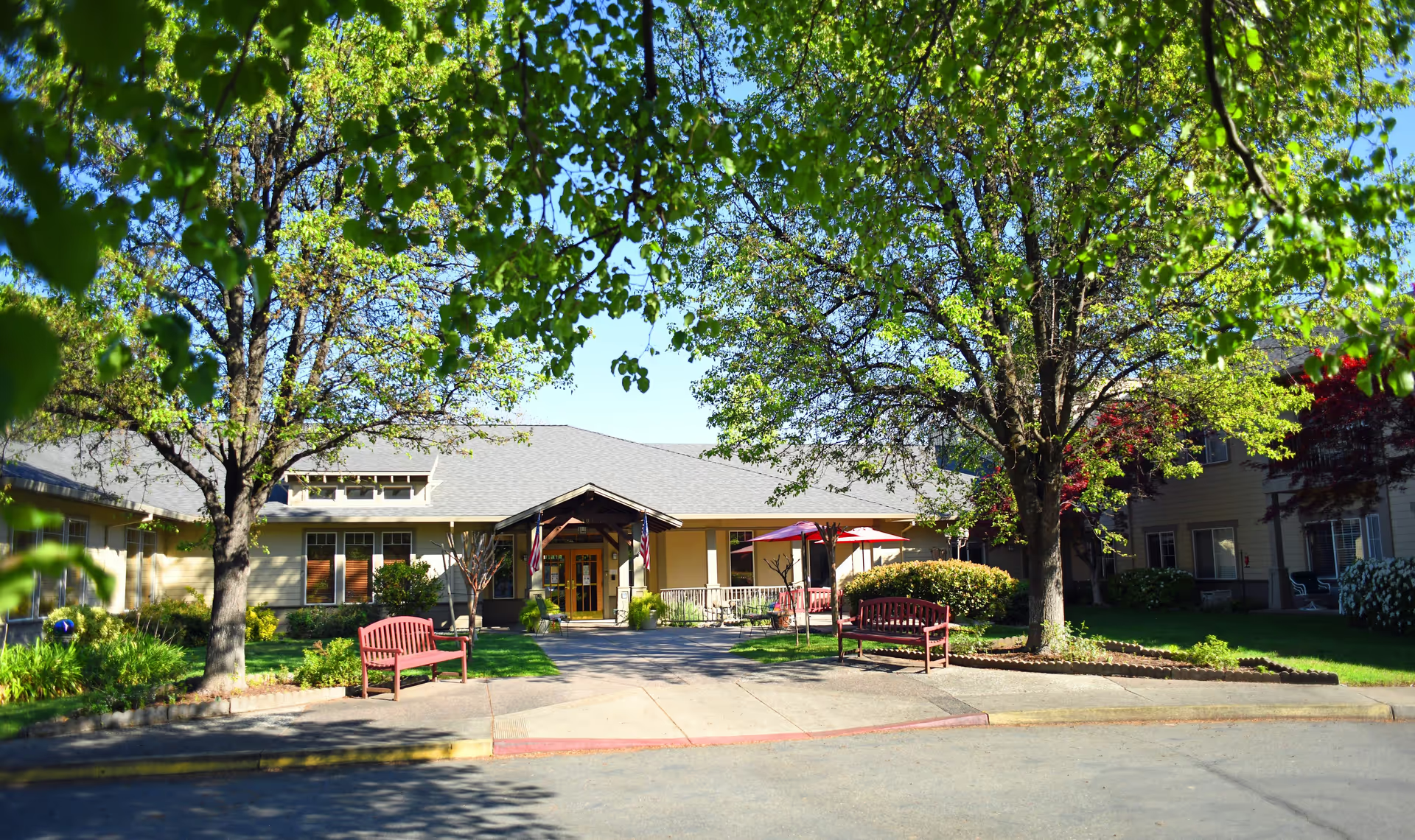
Reviews of Oak River Rehab show a strongly polarized set of experiences. A substantial number of accounts praise frontline caregivers and the rehabilitation teams, describing attentive nursing, capable CNAs, and effective physical, occupational and speech therapy that contributed to measurable recovery outcomes. Several reviewers cited specific staff and therapists by name, and families noted proactive social-services support for discharge planning, VA coordination, and benefit assistance. The facility’s activity program, event coordination, and ability to accommodate visitor meals and personal-room furnishings were also frequently mentioned as positive elements.
At the same time, there are recurring operational concerns that appear across reviews. Staffing and responsiveness are inconsistent by shift: daytime care and therapy are often described as competent and engaged, while night and weekend coverage is cited as less reliable. Problems around call-button response, resident monitoring, and timely assistance with toileting and bathing were described in multiple contexts and abstract to a broader gap in monitoring and response systems. Medication administration and coordination also emerge as an area of concern, with reports of delays, missed doses, and difficulties coordinating care when residents are transferred to and from hospital settings.
Facility-level processes show mixed performance. Some families praised cleanliness and well-kept rooms, while others reported sanitation concerns and maintenance problems in certain areas of the building. Equipment reliability and infrastructure maintenance (beds, showers, sinks, lighting) were called out as inconsistent. Dining and activities are strengths in many accounts — balanced meals, tailored options, and inclusive event programming — but meal service continuity and temperature control have been described as uneven.
Administrative and systems issues are a common theme in negative accounts. Reviews describe inconsistent property-handling and return procedures, missing personal items or documentation, and billing or record-keeping irregularities that created frustration for families. Discharge coordination and hospital-readmission management were also noted as problematic in some cases, while other families experienced proactive and effective discharge support. Communication style and professionalism varied across staff members; while many caregivers were characterized as compassionate and transparent, some interactions were described as brusque or unprofessional.
Taken together, the pattern suggests Oak River Rehab has strong clinical and rehabilitation resources and many dedicated frontline employees capable of producing good outcomes. However, those strengths coexist with operational weaknesses in staffing consistency, monitoring/response systems, medication coordination, property controls, billing/documentation, and facility maintenance. Prospective residents and families should prioritize direct questions about shift staffing levels, call-response protocols, property-handling procedures, therapy schedules, medication-management processes, and recent maintenance and inspection history when evaluating this facility. Observing multiple shifts, speaking with social services about discharge and billing workflows, and asking for references to specific therapists or night-shift staff may help families weigh the facility’s clinical strengths against the operational risks noted in the reviews.