Overall sentiment in the reviews is strongly positive: reviewers consistently highlight attentive, friendly staff, a clean and homey facility, and residents who appear comfortable and engaged. Multiple comments emphasize that residents are mentally active — participating in card games and singing — and that the atmosphere is family-like and warm. The administrator and specific staff members (notably Mary) are mentioned by name as accessible, knowledgeable (especially about dementia care), and having good relationships with residents and families. The facility is described as one of the reviewers' top three picks, suggesting a high overall level of satisfaction.
Care quality and staffing are recurring strengths. Reviewers cite one-on-one care, individualized meals prepared to residents' tastes, and an owner who cooks, which collectively point to personalized attention and a strong emphasis on resident comfort. The Christian-run nature of the home is noted explicitly, which may appeal to families seeking faith-based care. Dementia knowledge is singled out as a positive attribute for staff, and the warm, friendly administrator contributes to a sense of trust between families and management.
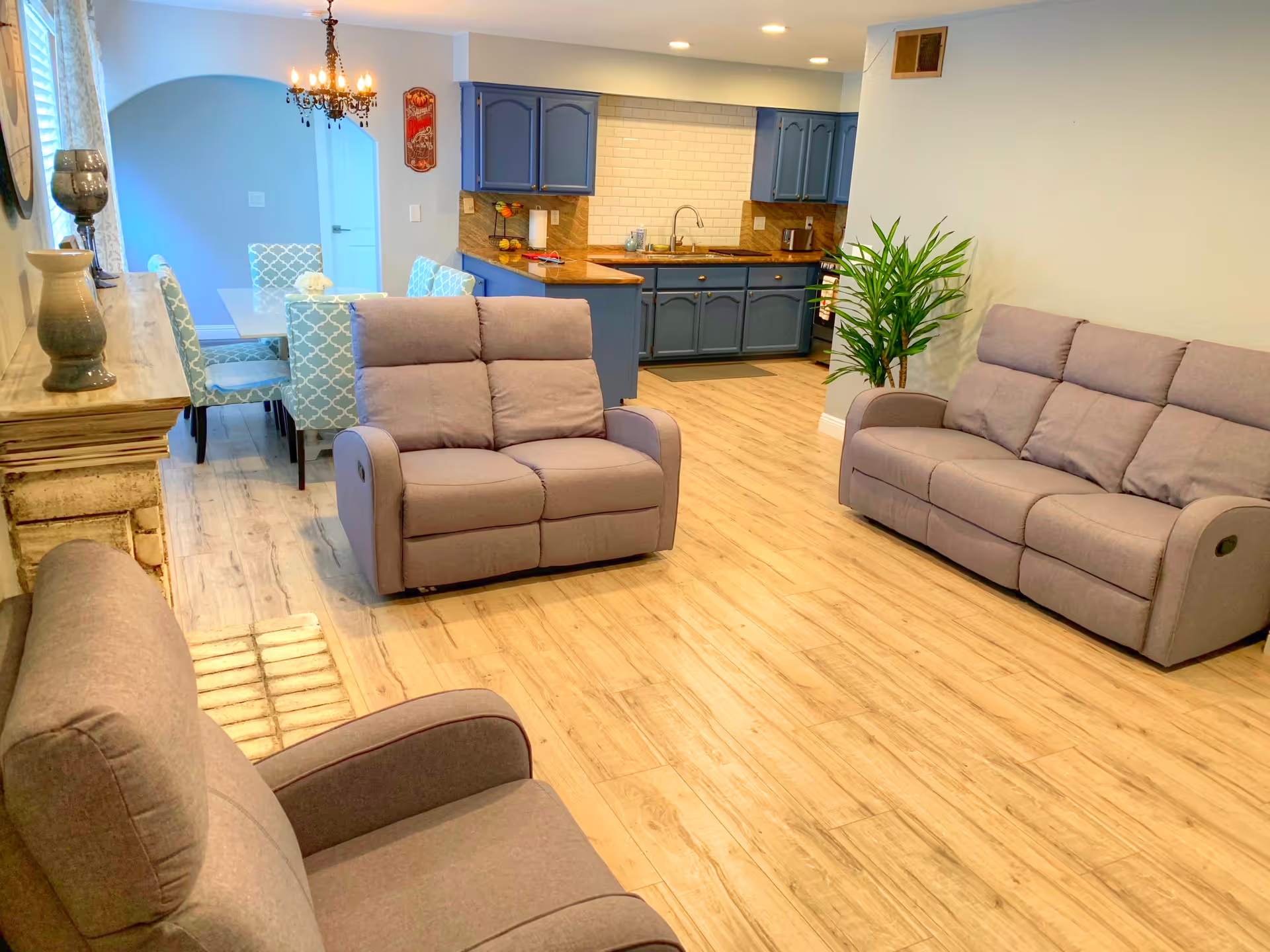
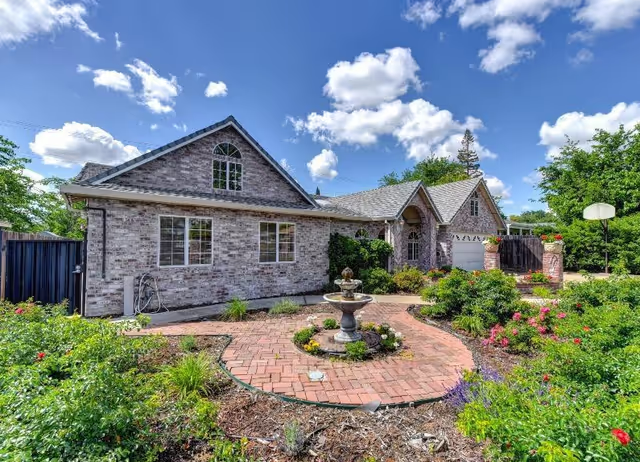
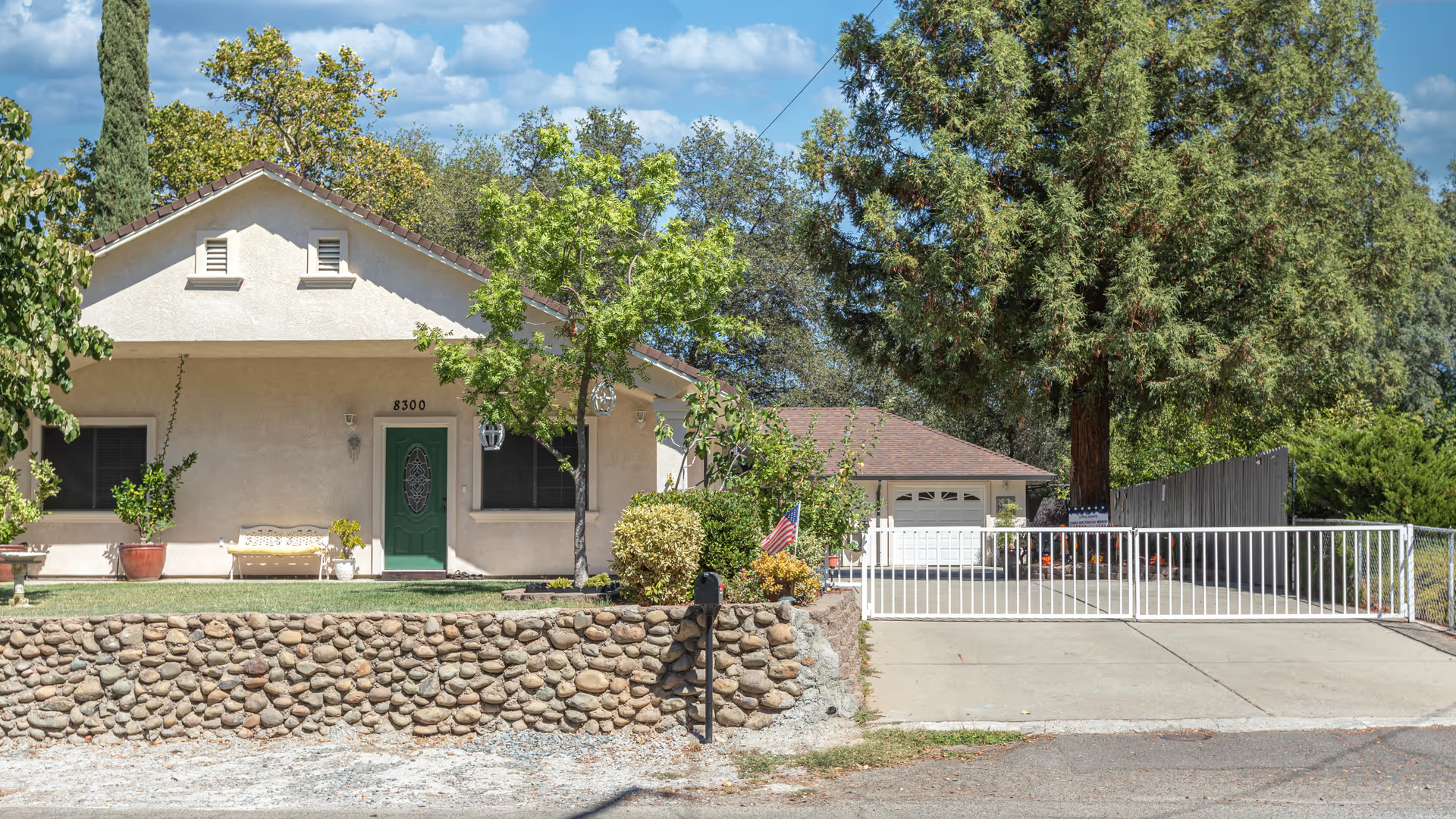
Facilities and daily life are described in concrete, favorable detail. The home is neat and clean, with ADA-compliant bathrooms and a small but usable outdoor patio. The property includes a good backyard and is dog-friendly — a meaningful benefit for families whose loved ones respond well to animals (one reviewer specifically noted that their mom loves dogs). Residents engage in group activities such as cards and singing, supporting the perception of an active, social environment rather than a passive or isolated one.
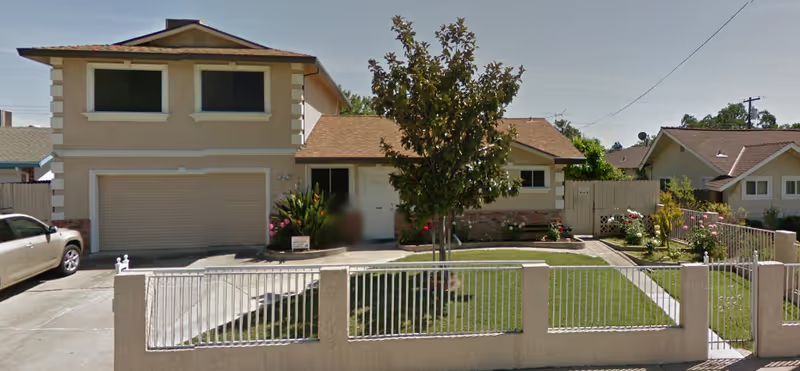
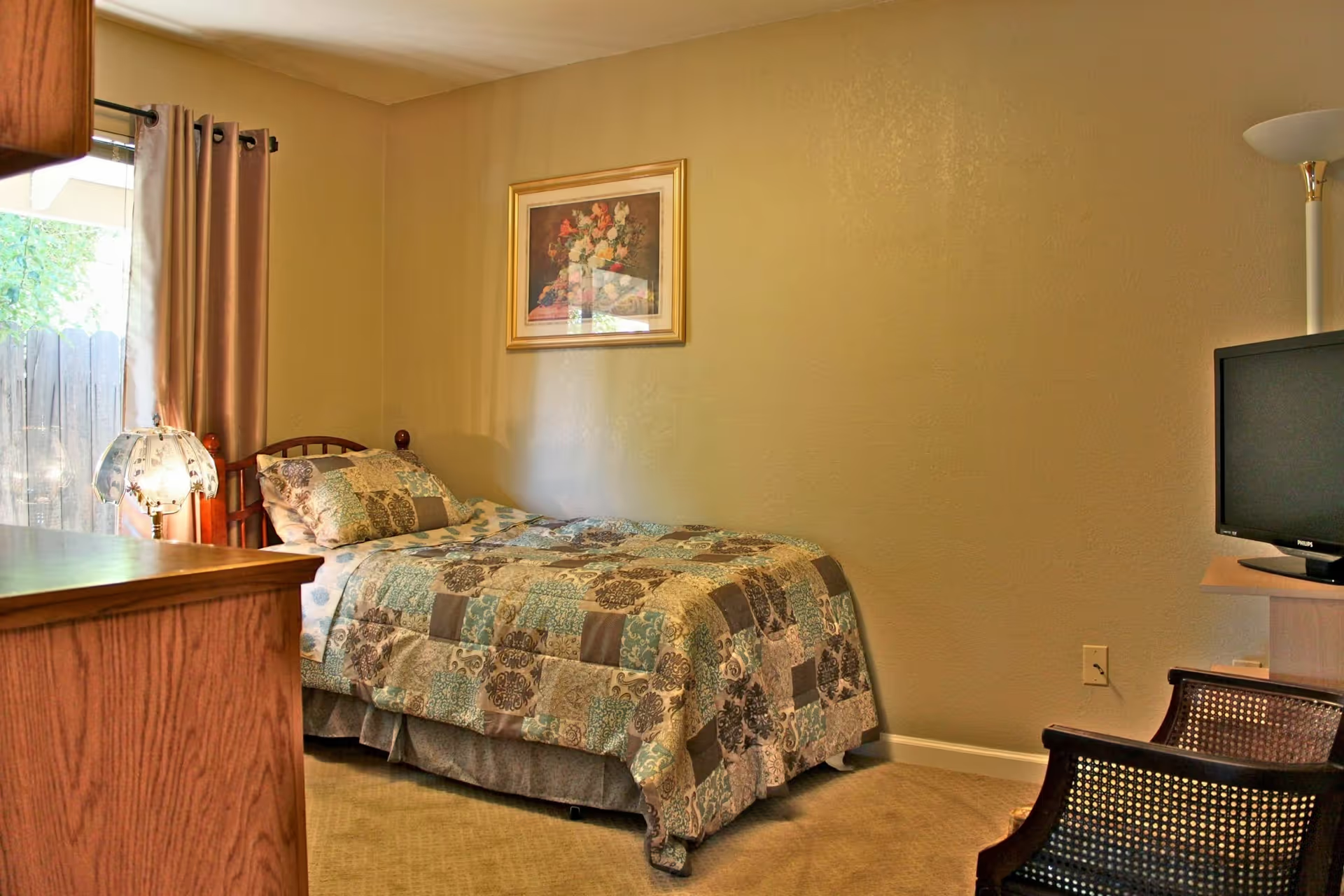
There are some consistent limitations and practical considerations to weigh. Rooms are characterized as small, and the facility itself appears to be on the smaller side, which can be a pro (homey, family atmosphere) or a con (limited space and fewer amenities) depending on family priorities. The home was under construction at the time of review, which could have short-term impacts on noise, access, or aesthetics. The location — on a cul-de-sac in a densely populated neighborhood — was mentioned and may affect ease of access, parking, or the feel of the surroundings compared with a more open campus-style setting.
Logistics and cost also warrant attention. Transportation is available but at a notable fee ($75 per trip), which could add materially to monthly expenses for families who need frequent outings, appointments, or visits. Reviewers reported a base cost of $3,500 per month, with hospice-related costs cited at $4,500; families should confirm exactly what each price covers and whether additional fees apply. A potential communication issue was flagged for residents with hearing impairments, indicating that staff-to-resident communication or the physical environment (noise, acoustics) might not sufficiently support people with hearing loss without additional accommodations.
In summary, Maratha Manor appears to be a small, well-kept, family-oriented assisted living option with strong personal attention, a pleasant social atmosphere, and staff experienced in dementia care. Its strengths are individualized meals and care, engaged residents, a friendly administration, ADA-compliant bathrooms, outdoor space, and pet-friendly policies. Prospective families should balance these positives against the smaller room sizes, construction activity noted in reviews, transportation costs, and potential communication challenges for residents with hearing impairment. As always, families should verify current pricing, construction status, transportation policies, and how the facility accommodates sensory impairments before making a placement decision.