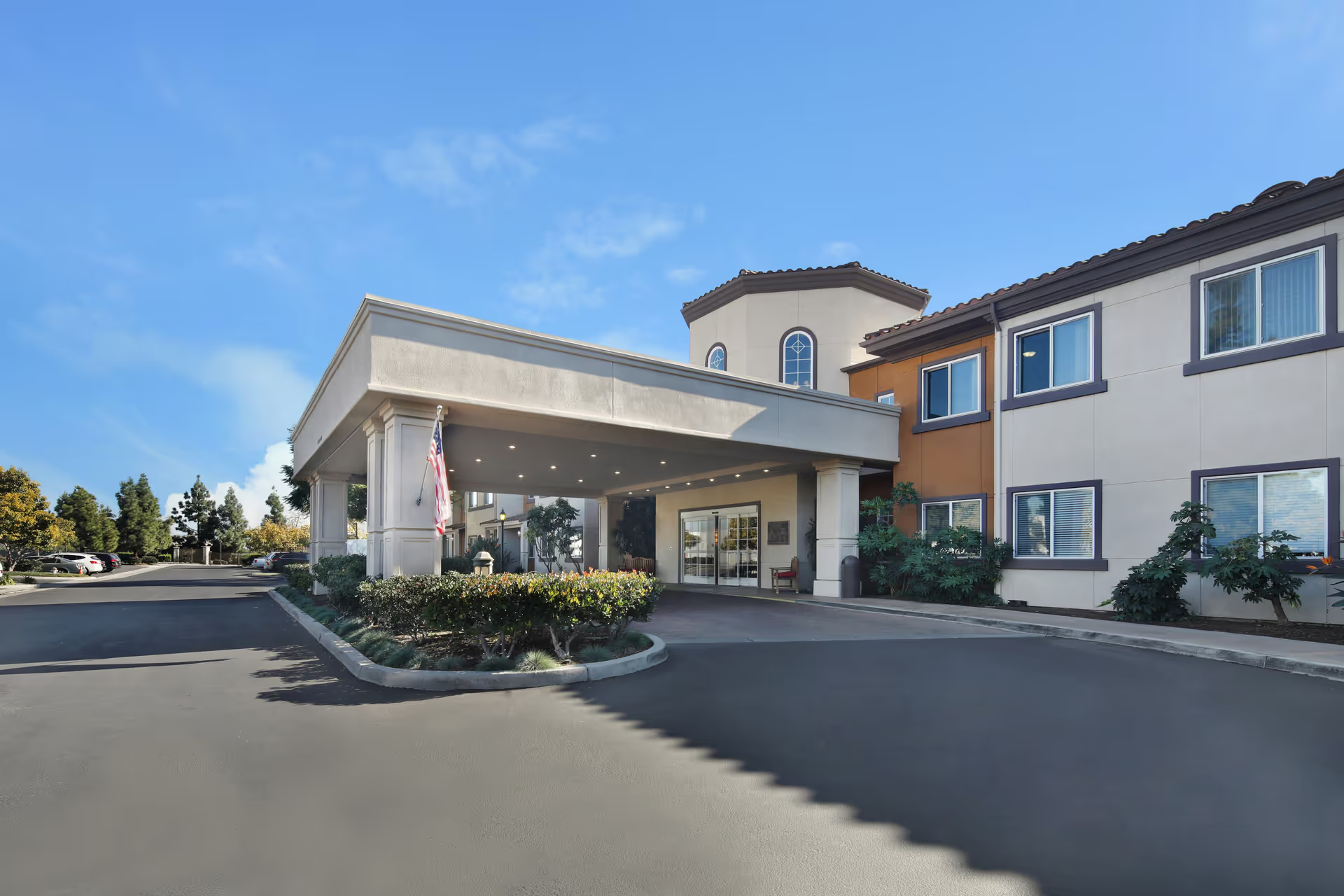
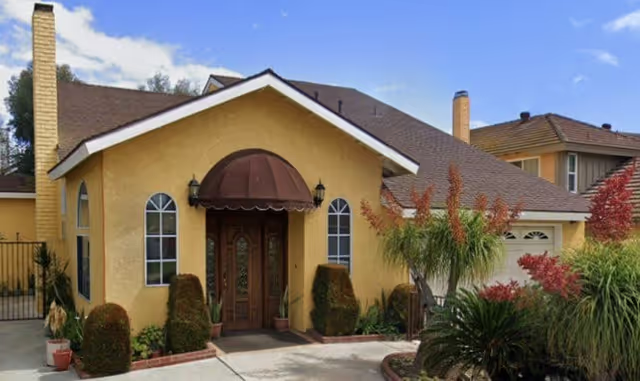
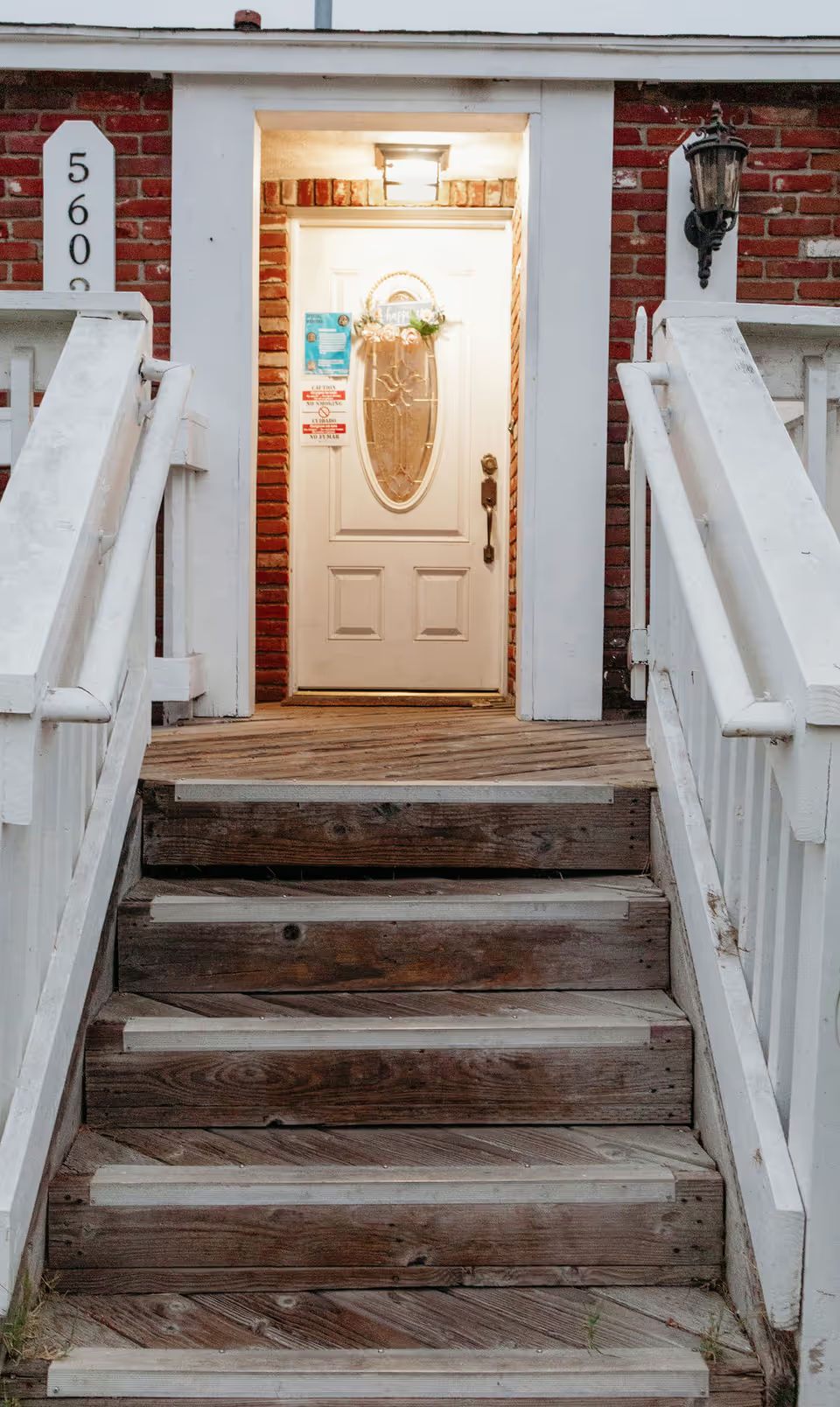
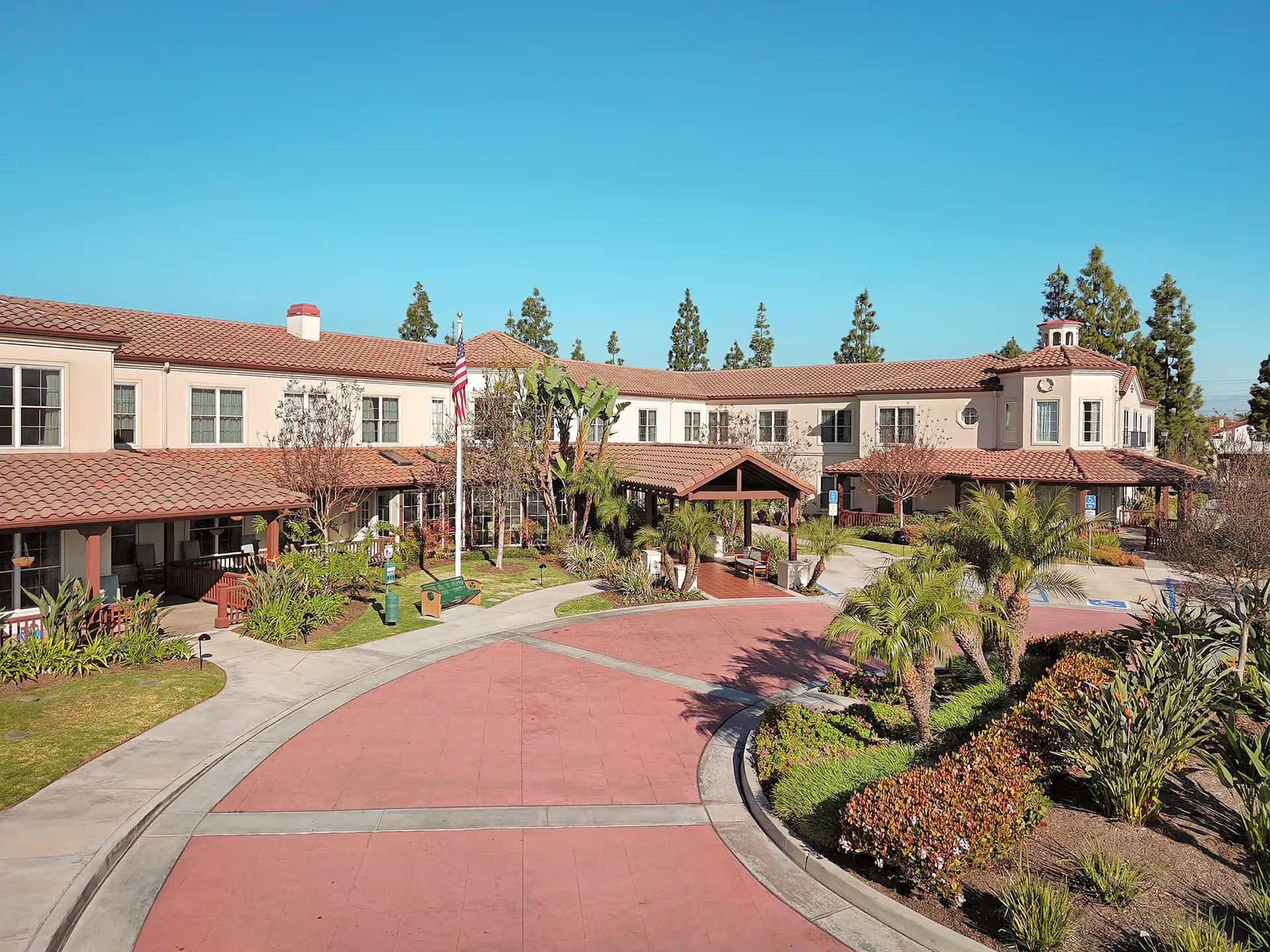
Overall impression: The reviews portray Artesia Christian Home as a facility with a strong caregiving culture, high cleanliness standards, and an active social program. Staff members are repeatedly described as kind, compassionate, and attentive, and several accounts emphasize a family-like atmosphere in which residents are treated with dignity and respect. The facility's housekeeping and maintenance practices are consistently characterized as thorough, contributing to a generally spotless environment.
Care and staff: Care quality is a frequently highlighted strength. Reviewers note attentive personal-care routines (including morning bathing and dressing), hands-on support from designated house parents, and staff who prioritize resident comfort and smooth clinical transitions—particularly when residents return from hospital stays. The tenor of commentary emphasizes respect, compassion, and a team-oriented staff culture, which reviewers link to strong day-to-day resident experience.
Dining and nutrition: Dining receives generally positive remarks for meal quality and nutritional content; kitchen staff are described as capable and caring. At the same time, there are operational limitations for residents with specific dietary restrictions: some meals are perceived as bland when adaptations are required. This suggests that while the kitchen performs well overall, menu flexibility and palatability for restricted diets could be an area for improvement.
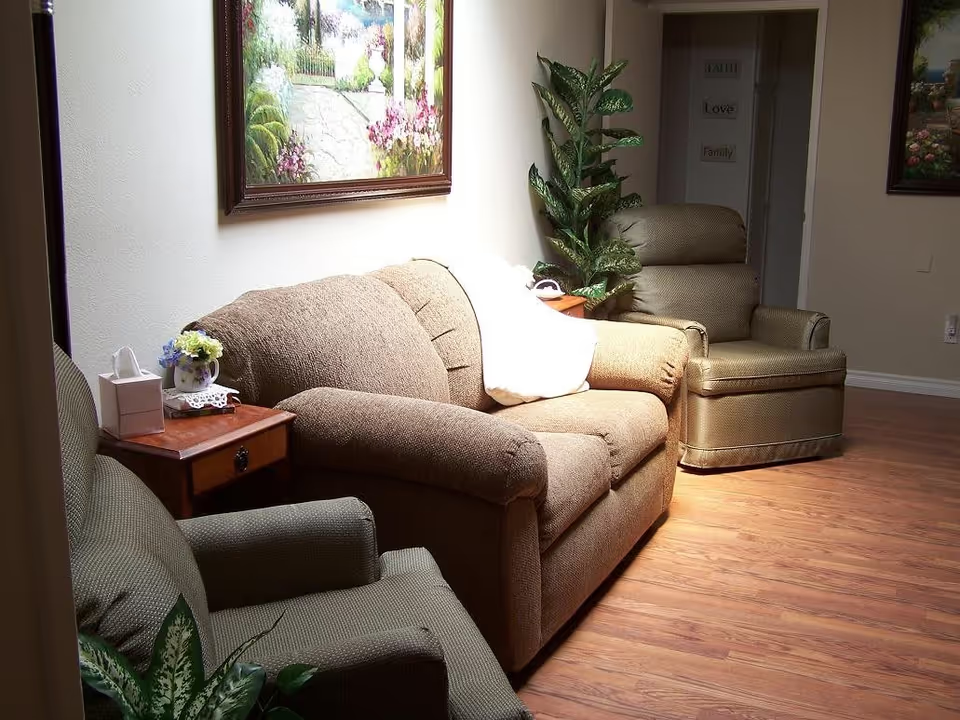
Activities and social life: The activity offering is robust and varied, including Bible studies, group activities, exercise classes, musical opportunities, crafts, and regular recreational visits. Indoor communal spaces, a rec room with instruments and books, patios, a garden and an aviary with singing birds contribute to a stimulating environment. These elements are commonly cited as contributing to a positive day-to-day quality of life.
Facilities and accommodations: Physical accommodations range from private rooms with full baths and kitchenettes to duplexes, with a mix of older and newer building sections. Private-unit options and well-appointed communal lounges are consistently noted as positives. Reviewers do note variability between older and newer sections, which can translate into different room sizes and finishes. Memory-care capacity is currently limited but under expansion, which may change availability in the near term.
Management and operational patterns: The dominant operational concerns center on communication, logistics, and cost. Phone and external-communication responsiveness and an incorrect phone listing were specifically noted, indicating opportunities to improve family outreach and administrative responsiveness. Transportation for medical appointments is available but inconsistent; scheduling or capacity limitations were mentioned. Cost is another recurring theme: several comments describe higher-than-average fees and upkeep costs. Finally, a subset of reviewers mentioned resident loneliness tied to limited family contact, suggesting the facility might consider additional programming or outreach to mitigate social isolation.
Notable patterns and recommendations: In aggregate, the commentary skews strongly positive about caregiving, cleanliness, food quality, and activities, while identifying operational improvements in communications, transportation reliability, dietary flexibility, and affordability. Prospective residents and families should weigh the high-standard personal care and active social environment against the operational limitations noted above, particularly regarding cost, transportation, and family-communication pathways. Management attention to phone responsiveness, transportation scheduling, and menu adaptations for restricted diets would likely address the most consistent practical concerns raised in these reviews.